

 实景预览
实景预览
 发送
发送 分享
分享
 详情
详情 指南
指南

 下载图片
下载图片
 相似作品
相似作品 X射线
X射线 幻灯片播放
幻灯片播放 统计数据
统计数据Plunging into Despair
 Romanticism
 1795
1795 198.0 x 331.0 cm
 國家博物館
國家博物館
 阅读全文
阅读全文
手工油画复制品
由我们的艺术家按需定制,为您提供您所选尺寸及画框的布面手工油画。 ( 切换至版画销售渠道 切换至数字图像销售渠道)




































您可以从与原作比例一致的预设尺寸中进行选择。

您可以输入自定义尺寸,以适配特定的画框或空间。如果所选尺寸与原图比例不符,我们将通过裁剪作品或添加手绘元素来扩展画面。数字样稿将在制作开始前发送给您确认。
请注意,屏幕预览无法准确反映实际的裁剪或扩展效果,只有样稿才能真实呈现最终的构图。
虽然我们提供定制尺寸服务,但为了保留原作比例,建议您从预设列表中选择尺寸。
下单后,OriginalUniqueArt.com 团队将通过电子邮件联系客户获取具体要求,并提供效果预览图


 玻璃选项仅适用于110厘米以下的尺寸。

Plunging into Despair
复制品材质
复刻品尺寸说明
-


总计金额
$ 325
艺术家简介
Johan Tobias Sergel: Sculptor of Emotion and Myth
Johan Tobias Sergel (1740-1814) stands as a pivotal figure in 18th and 19th-century Swedish art, a sculptor whose expressive portraits and dramatic mythological scenes captured the spirit of his time. Born in Stockholm, he rose from humble beginnings to become one of Sweden’s most celebrated artists, leaving behind a legacy that continues to resonate through his powerful works. Sergel's career unfolded during a period of significant artistic transition – moving from the Rococo’s ornate flourishes towards the burgeoning Neoclassical ideals while retaining a distinctly personal and emotionally charged style.
His early training was shaped by a diverse range of influences. Initially apprenticed to Pierre Hubert L’Archevêque, he later benefited from instruction in Paris, absorbing the techniques and aesthetics of the era. Crucially, his time in Rome proved transformative. There, amidst the ruins of antiquity, Sergel immersed himself in classical sculpture, developing a profound understanding of form, anatomy, and narrative. This experience fueled his ambition to create works that not only depicted beauty but also conveyed complex emotions and stories – a hallmark of his later career.
A Life Shaped by Art and Emotion
Sergel’s life was far from solely dedicated to artistic pursuits; it was interwoven with personal drama, melancholy, and a deep connection to the world around him. Born into a family of artists—his father, Christoffer Sergel, was a decorator—he inherited a creative lineage that profoundly shaped his path. However, his early years were marked by financial struggles and a sense of displacement, contributing to a lifelong tendency towards introspection and occasional bouts of despair.
A pivotal moment arrived when he was summoned to Stockholm by King Gustav III, who recognized Sergel’s talent and offered him a position at the Royal Palace. This appointment brought both prestige and responsibility, but also exposed Sergel to the pressures of court life. Despite his success, he struggled with personal demons, experiencing periods of intense sadness and contemplating suicide – a struggle reflected in some of his most poignant works. His relationship with Anna-Rella Hellström, an innkeeper who became his mistress and muse, provided a source of profound joy and inspiration, culminating in the birth of four children. Her untimely death in 1796 marked a devastating blow, leaving Sergel deeply affected for the remainder of his life.
Sculpting Myth and Majesty
Sergel’s artistic output spanned a remarkable range of subjects, encompassing portraits, mythological scenes, historical monuments, and even satirical drawings. His sculptures are characterized by their dramatic intensity, expressive gestures, and meticulous attention to detail. He skillfully employed marble and bronze to capture the essence of his subjects – whether regal figures like King Gustav III or tormented heroes from classical tales.
Among his most celebrated works are the monumental “Diomedes Stealing the Palladium,” a powerful depiction of a legendary hero’s transgression, and “The Muse of History Recording the Deeds of Gustavus Adolphus,” a complex allegorical composition celebrating the achievements of King Gustav II Adolf. His portrait of King Gustav III, later cast in bronze and installed in Stockholm's Sergels torg, remains an iconic representation of the Swedish monarch. Furthermore, his work extended beyond grand monuments; he created intimate portraits that captured the personalities and emotions of his subjects with remarkable sensitivity.
Legacy and Influence
Johan Tobias Sergel’s impact on Swedish art is undeniable. He bridged the gap between Rococo and Neoclassical styles, forging a unique artistic voice characterized by emotional depth and dramatic flair. His sculptures continue to be admired for their technical skill, expressive power, and ability to evoke profound human experiences.
Sergels torg, named in his honor, stands as a testament to his enduring legacy – a public space designed to reflect the spirit of the artist and celebrate Swedish history. His influence can also be seen in the works of subsequent generations of Swedish sculptors, who drew inspiration from his innovative approach to portraying human emotion and mythic narratives. Sergel’s work remains a vital part of Sweden's cultural heritage, offering a window into the artistic sensibilities of a transformative era.
Further Exploration: Plunging into Despair (1795) – A dramatic black & white Romantic drawing showcasing expressive lines and intense emotion. Johan Tobias Sergel - Explore his significant contributions to 18th & 19th century European art.

Johan Tobias Sergel
1740 - 1814 , Sweden
快速概览
- Artistic Movement Or Style: Neoclassical & Rococo
- Artists Or Movements Influenced By This Artist:
- Gustav III
- Romanticism
- Artists Who Influenced This Artist:
- Pierre Hubert Larchevêsque
- Thomas Rowlandson
- Date Of Birth: September 7, 1740
- Date Of Death: February 26, 1814
- Full Name: Johan Tobias Sergel
- Nationality: Swedish
- Notable Artworks:
- Plunging into Despair
- Diomedes Stealing Palladium
- Muse of History Recording Deeds
- Place Of Birth: Stockholm, Sweden
相关文章

Dark Masterpieces: 10 Iconic Paintings Dominated by Black Tones |
Explore 10 iconic paintings dominated by black tones, from Rembrandt’s chiaroscuro to Goya's dark expressions. Discover the stories behind these masterpieces & find museum-quality art reproductions for your home at .

Monochrome Visions: Exploring the Aesthetic & Historical Significance of Black & White Photography
Explore the rich history & artistic power of black and white photography. From early techniques to iconic masters like Ansel Adams, discover why monochrome continues to captivate art lovers today. Expert insights for collectors.

Monochrome Edge: The Ultimate Design Flex—Level Up Your Space with Bold Black & White Art
Master the monochrome aesthetic with high-impact Black & White art from OriginalUniqueArt.com. From custom hand-painted oils to iconic pop culture remixes, discover the ultimate design flex for your urban space. Elevate your decor with bold, premium, and timeless monochrome masterpieces.

White on Canvas: 10 Masterpieces & Timeless Elegance for Your Home Decor
Explore 10 iconic white paintings by Monet, Whistler & Rothko! Discover the stories behind these serene masterpieces and their impact on art history. Find museum-quality reproductions for your home decor at .
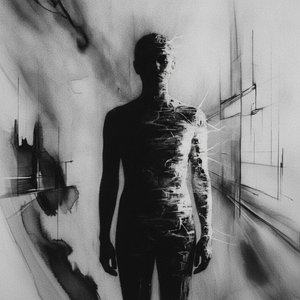
Shadow & Soul: Why Black & White Photography Remains the Ultimate Power Move in Modern Art
Discover why black & white photography remains a powerful force in contemporary art. Explore the impact of light, shadow, and texture through a visual journey of monochrome mastery and learn how to elevate your space with timeless grayscale aesthetics.
