
 实景预览
实景预览
 分享
分享 分享
分享
 详情
详情 指南
指南

 下载作品
下载作品
 相似作品
相似作品 X射线
X射线 幻灯片播放
幻灯片播放 问答
问答 统计数据
统计数据Dance outside a Country Inn

- 101.0 x 56.0 cm


 展开全文
展开全文
艺术微喷/版画
博物馆级艺术微喷或帆布版画,制作高效,并提供多种饰面选择。 ( 订购纯手工绘制画作 切换至数字图像销售渠道)




P118B ¥10

P118H ¥10

P118W ¥10

P438Z ¥10

P508JH ¥12

P508YH ¥12

P805H ¥10

P805Z ¥10

P919BZ ¥10

P919G ¥10

P919XJ ¥10

P959ZH ¥10

P968JZ ¥12

W106C ¥8

W218G ¥10

W218JH ¥8

W218Y ¥10

W307PJ ¥10

W316G ¥10

W316PJ ¥8

W316Y ¥10

W398PJ ¥8

W4111J ¥10

W500HY ¥15

W500JH ¥15

W692G ¥12

W849H ¥8

W940BG ¥15

W953PJ ¥8




您可以从与原作比例一致的预设尺寸中进行选择。

请输入您所需的宽度和高度,以适配您的画框或墙面。由于印刷品只能进行裁剪,无法超出原图尺寸,因此若比例不一致,画面的一部分将会被裁切。在正式印刷之前,我们会为您发送一份数字效果图供您确认。本页面显示的图片并非最终裁剪后的效果——只有效果图才能展示真实的裁剪情况。


 玻璃选项仅适用于110厘米以下的尺寸。

Dance outside a Country Inn
艺术微喷/版画
复刻品尺寸
-


最终结算价
¥ 544
A Vivacious Celebration of Spanish Life
In the evocative masterpiece Dance outside a Country Inn, Joaquín Domínguez Bécquer invites us into a world where time seems to slow, capturing a fleeting moment of communal joy. This captivating scene serves as a window into the heart of 19th-century Spanish Costumbrismo, a movement dedicated to chronicling the customs, traditions, and daily rhythms of local life. The canvas is alive with the energy of a social gathering, where figures are scattered across the foreground in various states of repose and interaction. Some guests sit intimately on the ground, while others stand in animated conversation, creating a rhythmic flow of human connection that draws the viewer directly into the festivities. The presence of two loyal dogs, wandering through the crowd, adds an element of rustic authenticity, grounding the celebration in the unpretables nature of country life.
The composition is masterfully arranged to guide the eye through a landscape of leisure and abundance. To one side, a dining table stands laden with the remnants of a feast, while scattered bottles suggest the spirited toasts that have likely punctuated the afternoon. Bécquer utilizes these objects not merely as props, but as symbols of hospitality and the shared pleasures of the rural classes. The interplay between the seated figures and those standing creates a dynamic tension, mirroring the ebb and flow of a real-world festival. For the discerning collector or interior designer, this painting offers a profound sense of movement and life, making it an ideal centerpiece for spaces that aim to evoke warmth, sociability, and a connection to historical European charm.
Mastery of Light and Romantic Detail
Technically, Bécquer demonstrates the exquisite skill he honed at the Academia de Bellas Artes. His brushwork, while precise enough to capture the textures of clothing and the glint of glass, possesses a painterly softness that contributes to the romantic atmosphere of the piece. The light in Dance outside a Country Inn feels natural and diffused, as if filtered through the gentle afternoon sun of Seville, casting soft shadows that give the figures a three-dimensional presence. This delicate handling of light and shadow—the chiaroscuro effect—is essential in creating the depth required to make this outdoor setting feel immersive and tangible.
Beyond its visual beauty, the painting carries an emotional weight that resonates with contemporary sensibilities. It is a nostalgic tribute to a way of life defined by community rather than isolation. The subtle color palette, rich with earthy tones and punctuated by the vibrant hues of traditional attire, evokes a sense of comfort and nostalgia. For those seeking to adorn a home with art that inspires conversation and emotional reflection, this reproduction offers more than just decoration; it provides an invitation to experience the enduring spirit of Spanish heritage and the timeless beauty of human togetherness.
常见问题与解答
建议将 "Dance outside a Country Inn" 的 Panoramic 格式作品陈列在什么位置?
Joaquín Domínguez Bécquer 的《Dance outside a Country Inn》 的 Panoramic 格式推荐用于 Restaurant。画幅与空间的结合,将为您提供复制品摆放的指引。
Costumbrismo 流派的作品 "Dance outside a Country Inn" 传达了怎样的情感?
在Costumbrismo运动中,"Dance outside a Country Inn"以Joyful的基调被记录下来。
在“Dance outside a Country Inn”中,媒介与笔触是如何交融的?
在“Dance outside a Country Inn”中,Oil技法与Costumbrismo运动交相辉映。
艺术家简介
Joaquín Domínguez Bécquer: A Sevillean Chronicle of Daily Life
Born in the heart of Seville in 1817, Joaquín Domínguez Bécquer emerged as a pivotal figure within the vibrant and deeply rooted artistic movement known as Costumbrismo. More than simply a painter, he was a chronicler of his city’s soul – capturing its bustling markets, spirited festivals, and the everyday lives of its inhabitants with an unparalleled sensitivity to detail and color. His work offers a poignant glimpse into 19th-century Spain, revealing both the beauty and the hardships of Sevillian life through a distinctly romantic lens.
Bécquer’s artistic journey began within the walls of the Academia de Bellas Artes in Seville, where he honed his skills under the tutelage of his cousin, José Domínguez Bécquer. This familial connection undoubtedly played a role in shaping his early style, but it was through his own observations and experiences that Bécquer truly developed his unique voice. He quickly established himself as a respected artist, taking on commissions for both private patrons and public institutions, including the royal court itself. His talent wasn’t confined to grand historical scenes; he excelled at portraying intimate moments of daily life – a market vendor haggling with a customer, children playing in the streets, or families gathered around a festive table.
The Influence of Family and Tradition
Bécquer's artistic lineage was deeply intertwined with Seville’s rich cultural heritage. His family, originally from the Spanish Netherlands, brought with them a strong sense of tradition and an appreciation for craftsmanship. This legacy is evident in his meticulous attention to detail – every brushstroke seems deliberate, every color carefully chosen. However, Bécquer wasn't simply replicating tradition; he was interpreting it through his own artistic vision.
The influence of his cousin, José Domínguez Bécquer, was also significant. José’s established style provided a foundation for Joaquín’s development, but Bécquer ultimately forged his own distinct path. He absorbed elements from other notable artists of the time, including Diego Velázquez – whose mastery of light and shadow clearly informed Bécquer's approach to composition. The echoes of Velázquez can be particularly felt in Bécquer’s ability to capture the essence of his subjects with a single glance.
Notable Works: Capturing Seville’s Essence
Among Bécquer’s most celebrated works is “The Seville Fair” (1847), currently housed at the Carmen Thyssen Museum in Málaga. This vibrant oil painting vividly depicts the annual fair, a chaotic yet joyous celebration of trade, music, and high society. It's a masterful example of his ability to capture the energy and excitement of Sevillian festivities – a true testament to his understanding of local culture. The painting’s rich colors and dynamic composition draw the viewer into the heart of the event, transporting them back to a bygone era.
Another significant work is “The Treaty of Wad Ras,” a large-scale historical scene depicting the signing of the treaty following the Battle of Wad Ras. This piece showcases Bécquer’s skill in portraying complex narratives and capturing the solemnity of important events. It's currently displayed at the headquarters of the City Council of Seville, serving as a reminder of his contributions to Sevillian history.
Beyond these iconic works, Bécquer produced a vast body of paintings exploring various facets of Sevillian life – portraits, urban landscapes, and scenes from everyday routines. His work offers a comprehensive portrait of a city and its people, revealing both the beauty and the challenges of their existence.
A Legacy in Private Collections
Despite the passage of time, Bécquer’s legacy endures through the many private collections that house his works. His paintings continue to be admired for their vibrant colors, meticulous detail, and evocative portrayal of Sevillian culture. He remains a revered exponent of Costumbrismo, an artistic style that continues to inspire artists today.
His work is also featured in prominent museums such as the Museo de Bellas Artes in Seville, where visitors can immerse themselves in the rich tapestry of Spanish art from the medieval period onward. Bécquer’s contributions have solidified his place as a significant figure in Spanish artistic history – a chronicler of Seville's soul and a master of Costumbrismo.
Further Exploration
For those seeking to delve deeper into the life and work of Joaquín Domínguez Bécquer, several resources are available. The OriginalUniqueArt website offers detailed information about his paintings, including “The Seville Fair,” along with high-resolution images. Wikipedia provides a comprehensive biographical overview, while other online sources offer insights into his artistic influences and historical context.

Joaquín Domínguez Bécquer
1817 - 1879 , Spain
艺术家简介
- Artistic Movement Or Style: Costumbrismo, Romanticism, Realism
- Artists Or Movements Influenced By This Artist: ['Valeriano Bécquer']
- Artists Who Influenced This Artist: ['José Domínguez Bécquer']
- Full Name: Joaquín Domínguez Bécquer
- Nationality: Spanish
- Notable Artworks:
- The Seville Fair
- Dance outside a Country Inn
- Place Of Birth: Seville, Spain
- Date Of Birth: 1817
- Date Of Death: 1879
相关文章
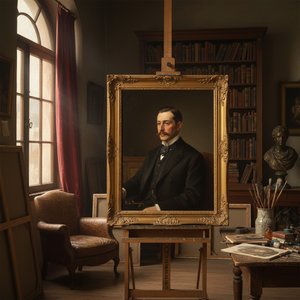
Rafael de Penagos: A Study in Spanish Portraiture & Artistic Identity
Explore the life & art of Rafael de Penagos, a leading Spanish Art Deco illustrator. Discover his iconic 'Penagos Woman', commercial work, and lasting legacy. Learn about this pivotal figure in 20th-century Spanish art history.

Ignacio Díaz Olano: Bridging Realism & Costumbrismo in Spanish Portraiture
Explore the captivating works of Ignacio Díaz Olano, a pivotal Spanish Realist painter. Discover his intimate portraits, evocative scenes of Andalusia, and unique 'Costumbrista' style. Learn about his legacy & find museum-quality reproductions.
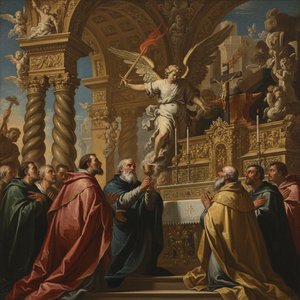
西班牙巴洛克艺术:信仰、戏剧与黄金时代的重塑
深入探索西班牙巴洛克艺术的辉煌时代!从反宗教改革到鲁本斯、维米尔等大师的作品,解读信仰、戏剧与黄金时代的重塑。OriginalUniqueArt.com提供精美油画复制和专业艺术咨询。

Mastering the Shadows: A Journey Through the Chiaroscuro and Soul of Iconic Spanish Painting
Embark on a sophisticated exploration of Spanish art history, from the chiaroscuro mastery of Velázquez to the profound shadows of Goya. Discover how the dramatic light and emotional depth of Spain's greatest masters continue to inspire collectors and connoisseurs today.
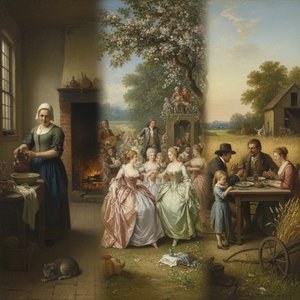
Scenes of Daily Life: A Comprehensive Exploration of Genre Painting Through History
Explore the rich history of genre painting! Discover Dutch Masters & European artists who captured everyday life with stunning realism. Learn about symbolism, techniques & lasting influence.