

 实景预览
实景预览
 发送
发送 分享
分享
 详情
详情 指南
指南

 下载图片
下载图片
 相似作品
相似作品 X射线
X射线 幻灯片播放
幻灯片播放 统计数据
统计数据Landscape
 Acrylic On Canvas
- WallArt
- Catalan Modernisme
 1928
1928 85.0 x 110.0 cm
 Vil·la Casals-Museu Pau Casals
 阅读全文
阅读全文
手工油画复制品
由我们的艺术家按需定制,为您提供您所选尺寸及画框的布面手工油画。 ( 切换至版画销售渠道 切换至数字图像销售渠道)




P118B ¥10

P118H ¥10

P118W ¥10

P438Z ¥10

P508JH ¥12

P508YH ¥12

P805H ¥10

P805Z ¥10

P919BZ ¥10

P919G ¥10

P919XJ ¥10

P959ZH ¥10

P968JZ ¥12

W106C ¥8

W218G ¥10

W218JH ¥8

W218Y ¥10

W307PJ ¥10

W316G ¥10

W316PJ ¥8

W316Y ¥10

W398PJ ¥8

W4111J ¥10

W500HY ¥15

W500JH ¥15

W692G ¥12

W849H ¥8

W940BG ¥15

W953PJ ¥8




您可以从与原作比例一致的预设尺寸中进行选择。

请输入您需要的宽度和高度,以适配您的画框或墙面。由于作品为手工绘制,若您选择不同的尺寸比例,艺术家可能会在画面边缘多画一些或稍作裁剪 —— 由您决定。在开始绘画之前,我们会为您发送一份数字效果图供您确认。本页面上展示的图片并非最终实物 —— 只有效果图才能反映真实结果。
下单后,OriginalUniqueArt.com 团队将通过电子邮件联系客户获取具体要求,并提供效果预览图


 玻璃选项仅适用于110厘米以下的尺寸。

Landscape
复制品材质
复刻品尺寸说明
-


总计金额
¥ 2016
A Catalan Soulscape: Joaquim Mir’s “Landscape” (1928)
Joaquim Mir y Trinxet's "Landscape," painted in 1928, isn’t merely a depiction of a mountainous vista; it’s a profound distillation of the Catalan spirit – its melancholic beauty, its yearning for something beyond the tangible, and its deeply rooted connection to the land. Born in Barcelona during a period of intense cultural ferment, Mir was a pivotal figure in the Modernisme movement, a force dedicated to forging a distinctly Catalan artistic identity. This particular work embodies that ethos, offering a glimpse into his unique visual poetry – a language built not on representation but on feeling and atmosphere.
The painting immediately draws the eye with its vibrant yet restrained palette. Deep blues and purples dominate the sky, suggesting both the grandeur of the mountains and an underlying sense of mystery. These cool tones are punctuated by flashes of ochre, burnt sienna, and a surprising burst of crimson in the distant building – details that hint at human presence without overwhelming the landscape’s inherent solitude. Mir's technique is characterized by loose, expressive brushstrokes, creating a textured surface that seems to shimmer with light. He eschewed meticulous detail, opting instead for an impressionistic approach, prioritizing the overall mood and emotional resonance of the scene.
The Roots of Catalan Modernisme
To understand “Landscape,” one must consider the historical context in which it was created. Catalonia at the turn of the 20th century was grappling with questions of national identity following the loss of its independence. The rise of Modernisme, spearheaded by figures like Antoni Gaudí and Santiago Rusiñol, sought to reclaim Catalan traditions and express a distinctly local sensibility through art. Mir’s work is deeply intertwined with this movement, reflecting a desire to capture the essence of Catalonia – its rugged mountains, its ancient forests, and its enduring spirit.
Mir's artistic journey began within the *Colla del Safrà*, a group of young Catalan artists who experimented with new forms of expression. This collective fostered an environment of collaboration and innovation, allowing Mir to develop his unique style – one that blended influences from various sources while remaining firmly rooted in Catalan tradition. His early travels to Mallorca, particularly his encounter with the Belgian painter William Degouve de Nuncques, profoundly impacted his approach to color and atmosphere, shaping his later work.
Symbolism and Emotional Resonance
“Landscape” is far more than a simple depiction of a mountain scene; it’s imbued with layers of symbolism. The solitary building in the distance – often identified as a representation of Vila Casals-Museu Pau Casals, a significant cultural center in Catalonia – suggests both human presence and a sense of isolation. The vastness of the landscape evokes feelings of awe, humility, and perhaps even melancholy. Mir’s use of color is particularly evocative, conveying not just visual information but also emotional states.
The painting's power lies in its ability to transport the viewer to another realm – a place where the boundaries between reality and imagination blur. It’s a testament to Mir’s skill as an artist, his capacity to capture the essence of a landscape and imbue it with profound emotional resonance. The work invites contemplation, prompting viewers to consider their own relationship to nature and the world around them.
A Timeless Masterpiece for Collectors & Designers
Reproductions of “Landscape” offer a remarkable opportunity to bring Mir’s evocative vision into any space. OriginalUniqueArt offers high-quality reproductions in various sizes, allowing you to experience the painting's beauty firsthand. Consider framing options that complement the artwork's rich colors and textures – a simple wooden frame can enhance the painting's rustic charm, while a more contemporary design might provide a striking contrast.
Beyond its aesthetic appeal, “Landscape” is a significant work of art that reflects the cultural heritage of Catalonia. Adding this piece to your collection or incorporating it into your interior design scheme is an investment in beauty, history, and artistic expression. It’s a reminder of the power of art to transcend time and connect us to something larger than ourselves.
艺术家简介
加泰罗尼亚的远见者:若阿金·米尔的生命与艺术
1873年出生于巴塞罗那的若阿金·米尔·伊·特林克特(Joaquim Mir y Trinxet),不仅仅是一位画家;他是那个社会与艺术剧烈变革时代的加泰罗尼亚视觉诗人。他并不只是在记录时代——他以其独具表现力的调色盘,将那个时代的蓬勃生命力与深层忧郁感,真实地化身于画布之上。米尔的一生展开在加泰罗尼亚民族主义兴起与现代主义(Modernisme)崛起的背景之下,这一艺术运动正致力于为该地区锻造独特的文化身份。他出生于一个优渥的家庭——他的父亲代表着包括纽伦堡公司在内的多家外国企业——这使得米尔能够拥有全身心投入艺术追求的机会。他的正式训练始于巴塞罗那的洛特哈学校(Llotja school),在那里,他迅速与一群志同道合的艺术家——卡纳尔斯、诺内尔和皮肖——建立了深厚的艺术情谊,共同组成了极具影响力的“藏红花派”(Colla del Safrà)。这个集体营造了一种实验与互助的环境,对米尔早期的艺术发展至关重要。
早期探索与马略卡岛的影响
米尔的艺术旅程充满了对自身视觉语言的不懈追求。1899年,他随圣地亚哥·鲁西尼奥尔(Santiago Rulsiñol)前往马略卡岛,这成为了他艺术生涯的关键转折点。这次旅程具有变革意义,让他结识了比利时神秘主义画家威廉·德古夫·德·南克(William Degouve de Nuncques),后者的作品与米尔当时对捕捉氛围与情感而非精确写实的浓厚兴趣产生了深度共鸣。在马略卡岛风景的环绕下,米尔开始创作“奇异的风景”,在这些画作中,形态消融在色彩交织的旋涡之中——这与当时的艺术规范背道而驰。这些早期作品在1901年的巴塞罗那展览上最初遭遇了不解,但却预示着一个真正原创声音的诞生。他开启了一段由色彩与光影驱动的孤独探索之旅,然而这段历程在1905年因一场意外而戛然而止。这一时期代表了一个至关重要的转折点;正是在远离主流艺术界的这段时间里,米尔开始提炼他的艺术愿景,将主观体验置于客观现实之上。他所创作的风景不仅仅是对地点的描绘,更是对这些地点产生的感性回应,充满了神秘感与精神上的渴望。
神秘主义写实:成熟与认可
神秘主义写实:成熟与认可
康复之后,米尔的风格经历了一场渐进式的演变。到1913年,他回归到了更易辨识的形式,但早期探索的精髓依然留存。这一时期的绘画以一种神秘特质为特征,唤起的自然并非其“本然”之貌,而是其“感知”之态。它们不再是地形式的描绘,而更多地成为了抽象的感召——那是充满精神共鸣的高色彩印象。在整个职业生涯中,米尔从多位艺术家身上汲取灵感:劳雷亚·巴劳、圣地亚哥·鲁西尼奥尔、欧仁·卡里耶、皮埃尔·皮维·德·沙瓦纳以及伊格纳西·祖洛阿,他们的足迹都留在了他的作品中。值得注意的是,他抵制了巴黎的诱惑,转而选择在加泰罗尼亚境内培养自己的艺术身份。他频繁出入于蒙马特围绕拉蒙·卡萨斯·伊·卡博与鲁西尼奥尔的波希米亚圈子,吸收了那里的氛围,但最终开辟了一条不同于法国印象派的道路。米尔对巴塞罗纳及其艺术共同体的坚守,巩固了他作为定义加泰罗尼亚现代主义关键人物的角色。他的画作不仅仅关乎他所见,更关乎他在观看时的感受。
特林克特之家与光之遗产
米尔的贡献不仅限于画布;他还通过为特林克特之家(Casa Trinxet)创作的壁画,在巴塞罗那的建筑景观中留下了不可磨灭的印记。这些壁画是1903年至1904年间受其叔叔阿韦利诺·特林克特·卡萨斯之托创作的。特林克特之家由约瑟普·普伊格·伊·卡达法尔奇设计,是加泰罗尼亚现代主义的瑰宝,与巴塞罗那“不和谐街区”的其他标志性建筑并肩而立。米尔在屋内的壁画尤为引人注目——印象派式的色彩散落,与他其他更为结构化的作品形成了鲜明对比。它们创造了一个沉浸式的环境,一种“色彩斑斓的视觉模糊感”,在这里,花朵如灯盏般闪耀,露珠以清脆、淡绿的色泽附着在叶片上。这一项目展示了米尔对装饰主义(decorativisme)的兴趣,以及他将艺术感官转化为三维空间的能力。他在1928年简洁地总结了自己的艺术哲学:“我所希望的仅仅是我的作品能够减轻心灵的负担,并让眼睛与灵魂充盈着光芒。”这种渴望渗透在他艺术的每一个层面,从塔拉戈纳和马略卡岛的风景,到后来在维拉诺瓦伊拉格尔特鲁创作的作品。他追求的不只是表现美,而是唤起美。
持久的影响力
若阿金·米尔于1940年逝世,留下了足以持续吸引并激励后人的艺术瑰宝。他的绘画不仅仅是对自然世界的再现;它们是情感、光影与色彩的深度个人表达。他拥有一种天生的能力,能够捕捉一个地方的本质——它的氛围、它的情绪、它的灵魂——并以令人屏息的美感将其转化为画布上的色彩。虽然他可能没有获得像同时代某些艺术家那样的国际声望,但米尔对加泰罗尼亚艺术的贡献是无可置疑的。他的遗产在于他对艺术创新的坚定承诺,他对自然独特的视觉洞察,以及他创造出真正能“减轻心灵负担并让灵魂充盈光芒”的作品的能力。保存在加泰罗尼亚图书馆的私人文献见证了他持久的影响力,确保他那充满活力的精神将在后世世代中持续回响。
- 出生:西班牙,巴塞罗那 (1873)
- 逝世:西班牙,巴塞罗那 (1940)
- 艺术运动:加泰罗尼亚现代主义 (Catalan Modernisme)
- 主要影响者:威廉·德古夫·德·南克, 圣地亚哥·鲁西尼奥尔

若阿金·米尔
1879 - 1940 , 西班牙
快速概览
- Artistic Movement Or Style: 现代主义 (Modernisme), 印象派 (Impressionism)
- Artists Who Influenced This Artist:
- 德古夫·德·南克 (Degouve de Nuncques)
- 鲁西尼奥尔 (Rusiñol)
- 卡里埃 (Carrière)
- 祖洛阿加 (Zuloaga)
- Date Of Birth: 1873年
- Date Of Death: 1940年
- Full Name: 若阿金·米尔·伊·特林谢特 (Joaquim Mir y Trinxet)
- Nationality: 西班牙
- Notable Artworks:
- 杜兰坎普斯 (Durancamps)
- 金色与蔚蓝 (Gold and azure)
- 风景 (Landscape)
- Place Of Birth: 西班牙,巴塞罗那
相关文章
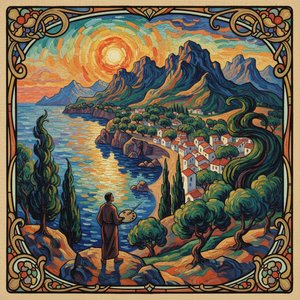
Joaquim Mir: A Catalan Visionary – Exploring Symbolism, Landscape & Modernist Aesthetic
Explore the captivating world of Joaquim Mir, a pivotal Catalan Modernisme painter. Discover his vibrant landscapes, symbolic depth & lasting influence on Spanish art history. Learn more at OriginalUniqueArt.

抽象表现主义:十幅定义艺术史的杰作
探索抽象表现主义的十幅经典杰作!波洛克、罗斯科等大师作品,揭秘艺术史上的重要瞬间。OriginalUniqueArt.com为您呈现高品质艺术品复制和精选家居装饰方案,感受现代艺术的力量与魅力。立即浏览全系列!
Beyond the Lines: Mastering the High-Impact World of Contemporary Abstraction
Master the high-impact world of contemporary abstraction. Discover how bold colors, textures, and modern movements like Abstract Expressionism can transform your space with premium, high-energy art curated for the design-conscious professional.

几何抽象艺术十大杰作:定义现代家居装饰的经典之作
探索几何抽象艺术的十大杰作!康定斯基、蒙德里安等大师作品,色彩构成与非具象之美。OriginalUniqueArt.com提供博物馆级艺术复制品,为您的家居带来现代艺术灵感。立即在线探索完整系列!

Kandinsky's Masterpieces: 25 Paintings That Define Abstract Art | OriginalUniqueArt
Journey through Wassily Kandinsky's 25 most iconic abstract paintings. Explore his revolutionary use of color, form & spiritual expressionism. Find museum-quality Kandinsky reproductions and elevate your home decor with OriginalUniqueArt.com. Discover all masterpieces on OriginalUniqueArt.com!