

 实景预览
实景预览
 发送
发送 分享
分享
 详情
详情 指南
指南

 下载图片
下载图片
 相似作品
相似作品 X射线
X射线 幻灯片播放
幻灯片播放 统计数据
统计数据The Four Elements: Air
 Oil On Canvas
- WallArt
- Dutch Golden Age
 1570
1570 157.0 x 214.0 cm
 国家美术馆
国家美术馆
 阅读全文
阅读全文
艺术微喷/版画
博物馆级艺术微喷或帆布版画,制作高效,并提供多种饰面选择。 ( 订购此收藏品的纯手工复刻画作 切换至数字图像销售渠道)




P118B ¥10

P118H ¥10

P118W ¥10

P438Z ¥10

P508JH ¥12

P508YH ¥12

P805H ¥10

P805Z ¥10

P919BZ ¥10

P919G ¥10

P919XJ ¥10

P959ZH ¥10

P968JZ ¥12

W106C ¥8

W218G ¥10

W218JH ¥8

W218Y ¥10

W307PJ ¥10

W316G ¥10

W316PJ ¥8

W316Y ¥10

W398PJ ¥8

W4111J ¥10

W500HY ¥15

W500JH ¥15

W692G ¥12

W849H ¥8

W940BG ¥15

W953PJ ¥8




您可以从与原作比例一致的预设尺寸中进行选择。

您可以输入自定义尺寸,以适配特定的画框或空间。如果您选择的尺寸与原图比例不符,我们将对作品进行裁剪,或通过镜像填充/纯色填充边缘的方式来扩展图像。在开始制作之前,我们会向您发送一份数字效果图供您确认。
请注意,屏幕上的预览并不能反映实际的裁剪或扩展效果。只有效果图才能准确展示最终的构图。
虽然我们提供定制尺寸,但为了保持原图比例,我们建议您从预设列表中选择尺寸。


 玻璃选项仅适用于110厘米以下的尺寸。

The Four Elements: Air
艺术微喷/版画
复刻品尺寸说明
-


总计金额
¥ 537
The Four Elements: Air – A Window into 16th-Century Dutch Life
Joachim Beuckelaer’s “The Four Elements: Air,” painted in Antwerp around 1570, is more than just a depiction of a bustling marketplace; it's a vibrant snapshot of daily life, subtly interwoven with religious allegory and masterful artistic technique. This remarkable painting offers a captivating glimpse into the heart of the Dutch Golden Age, revealing not only the economic activity of a thriving town but also the prevailing worldview of its inhabitants. The scene unfolds within a stage-like composition, flattened perspective drawing the viewer into a dynamic tableau of merchants, shoppers, and the bounty of nature itself. The meticulous detail—from the folds of clothing to the textures of wooden stalls and overflowing baskets—is characteristic of Beuckelaer’s style, reflecting a deep engagement with the tangible world.
At first glance, the painting presents a familiar scene: a lively market square filled with activity. However, closer observation reveals layers of meaning. The profusion of food – birds, fruits, vegetables, and an abundance of fish – isn’t merely decorative; it's symbolic. Each element represents one of the four classical elements—earth, water, air, and fire—a concept deeply rooted in Renaissance thought. The air itself is embodied by the poultry market, dominated by a merchant skillfully handling chickens and other fowl. This focus on air subtly connects to the painting’s title and suggests a celebration of breath, vitality, and perhaps even freedom – qualities associated with this element.
A Biblical Backdrop and Subtle Symbolism
Adding another layer of complexity is the inclusion of a biblical scene in the background: the Prodigal Son. This narrative, drawn from Luke’s Gospel, serves as a potent moral counterpoint to the earthly pleasures depicted in the foreground. The young man, identifiable by his red trousers, is shown indulging in lavish living – a stark contrast to the virtuous return of the repentant son. Beuckelaer masterfully integrates this religious tale into the everyday scene, suggesting that worldly pursuits should be tempered with spiritual reflection and a recognition of divine guidance.
Beyond the biblical reference, numerous other symbolic details enrich the painting’s meaning. The careful arrangement of goods—the vibrant colors, the varied textures—evokes prosperity and abundance. The presence of animals, particularly birds, often symbolized hope and renewal in 16th-century art. Even seemingly mundane objects – a wooden coop, a basket overflowing with produce – are rendered with such precision that they become imbued with significance. The artist’s attention to detail isn't simply about realism; it’s about creating a world rich in visual and symbolic resonance.
Technique and the Legacy of Beuckelaer
“The Four Elements: Air” is executed in oil on canvas, utilizing a technique characterized by meticulous brushwork and layered colors to create depth and texture. The artist skillfully employs chiaroscuro – the contrast between light and shadow – to model forms and enhance the sense of volume. Lines are predominantly curved and flowing, mirroring the movement of people and goods within the scene, contributing to its dynamic feel. Beuckelaer’s work stands as a pivotal moment in art history, marking a shift towards celebrating everyday life and elevating commonplace subjects to artistic prominence.
Joachim Beuckelaer's influence extended beyond his own paintings; he was known for incorporating elements from the works of his predecessors, particularly Pieter Aertsen. This practice—known as ‘staffage’—involved adding figures or garments to existing compositions, a technique that further solidified his position as a key figure in the development of still life painting and market scenes. His legacy continues to inspire artists today, demonstrating the power of observation, symbolism, and technical mastery.
Bringing “The Four Elements: Air” Home
OriginalUniqueArt offers exquisite hand-painted reproductions of Joachim Beuckelaer’s “The Four Elements: Air,” allowing you to bring this captivating masterpiece into your home or office. Our skilled artists meticulously recreate the painting's intricate details, vibrant colors, and atmospheric depth, ensuring a faithful representation of Beuckelaer’s original vision. Whether you are an art enthusiast, a collector, or simply seeking a stunning piece of decorative art, our reproduction provides a beautiful and authentic way to experience this remarkable work of art.
Explore the full artwork details and dimensions on our website: The Four Elements: Air.
问答详情
原件"The Four Elements: Air"的尺寸是多少?
原作 约阿希姆·博伊克拉尔 的《The Four Elements: Air》 的尺寸为 157 x 214 cm。
约阿希姆·博伊克拉尔 的《The Four Elements: Air》 的复制品推荐用于哪些场景?
约阿希姆·博伊克拉尔 的《The Four Elements: Air》 的复制品非常适合用于 Statement。这一建议源于作品的主题、意境与色彩。
“The Four Elements: Air”是用什么材质制作的?
约阿希姆·博伊克拉尔 的《The Four Elements: Air》 的媒介为 Oil On Canvas。复制品旨在呈现该技法的视觉效果。
约阿希姆·博伊克拉尔 的《The Four Elements: Air》 的色彩营造出怎样的情感?
在“The Four Elements: Air”中,Earthy 色调伴随着Nostalgic 的情感。
如何下载 约阿希姆·博伊克拉尔 的《The Four Elements: Air》 的图片?
您可以在作品的下载页面下载约阿希姆·博伊克拉尔 的《The Four Elements: Air》的图像:高分辨率数字图像下载。
"The Four Elements: Air" 的整体色调明亮吗?
总体而言,"The Four Elements: Air" 的亮度记录为 deep_shadow。感知亮度描述了作品呈现出的明暗程度。
约阿希姆·博伊克拉尔 的《The Four Elements: Air》展现了怎样的色彩和谐感?
约阿希姆·博伊克拉尔 的《The Four Elements: Air》 的色彩呈现出一种 Strong Color Unity 的和谐感。这种和谐感描述了色彩之间的相互关系。
约阿希姆·博伊克拉尔 的《The Four Elements: Air》 使用了怎样的色调?
约阿希姆·博伊克拉尔 的《The Four Elements: Air》 采用了 Earthy 色调。这一色调概括了作品整体的色彩特征。
艺术家简介
沉浸于日常之美:约阿希姆·博伊克拉尔与静物画的黎明
约阿希姆·博伊克拉尔(Joachim Beuckelaer)这个名字,或许不如他的同辈画家那样家喻户晓,但在佛兰德绘画史上,他却占据着举足轻重的地位。他于1533年左右出生在安特卫普——那是一座当时正涌动着艺术创新浪潮的城市。他逐渐成长为一位描绘市井喧嚣与厨房烟火的大师。他的作品并非仅仅是对日常生活的简单记录,而是经过精心构建的叙事,其中往往微妙地交织着宗教象征意义。这种创作方式标志着艺术重心的转移:从传统的精神主题转向对存在之真实性的观察与赞美。博伊克拉尔不仅仅是在“描绘”他所见之物,他更是在将平凡的琐碎提升到值得艺术关注的高度,为静物画作为一种独立流派的发展奠定了至关重要的基础。他的家族背景深植于艺术之中——他的父亲马修·博伊克拉尔(Mattheuc Beuckeleer)和叔叔彼得·阿特森(Pieter Aertsen)都是成名的画家,这为他提供了早期的艺术熏陶与训练。正是在叔叔的工作室里,他磨炼了自己的技艺,吸收了阿特森在市场场景创作上的先驱方法,并最终在技术造诣与细腻的叙事能力上超越了恩师。安特卫普画坊与艺术蜕变
16世纪的安特卫普是商业与文化的繁荣中心,博伊克拉尔的艺术正是这种生命力的缩影。1560年,他正式成为圣路加行会的独立大师,确立了自己在艺术界的地位。然而,他并未止步于对阿特森风格的模仿,而是对其进行了升华,注入了更深层次的复杂性与细节感。如果说阿特森的作品往往呈现出一种略显混乱的丰饶,那么博伊克拉尔则为他的构图带来了更强的秩序感与清晰度。他的场景布置得极其考究,每一件器物都刻画得入木三分——鱼鳞闪烁着粼粼光泽,水果饱满多汁,锡制器皿透着金属的冷光。这种对写实主义的执着不仅仅是为了展示技术,更是为了赋予这些日常器物一种存在感与神圣意义。《四元素》系列便是这一创作理念的明证——这组描绘鱼市场的画作在赞美自然馈赠的同时,也微妙地暗喻了圣经故事:十二种不同品种的鱼象征着十二使徒,而背景中则悄然展开了基督变五饼为多的神迹。这种将世俗与神圣无缝融合的能力,成为了他作品的标志性特征。传承与影响:通往新艺术地平线的桥梁
约阿希姆·博伊克拉尔的影响力远远超出了他的有生之年。他对日常生活的细腻描绘,为后世一代致力于探索静物画可能性的艺术家铺平了道路。像弗兰斯·斯尼德斯(Frans Snyders)这样以华丽且复杂的食物展示而闻名的画家,直接继承并发展了博伊克拉尔奠定的基础。他的影响力并不局限于北欧;他的作品也引起了如文琴佐·坎皮(Vincenzo Campi)等意大利画家的共鸣,证明了其创新方法具有广泛的艺术魅力。通过将焦点从纯粹的宗教主题转向更具世俗色彩的主题——同时仍保留着微妙的精神底蕴——博伊克拉尔在变革佛兰德艺术方面发挥了关键作用,并预示了此后几个世纪将定义的艺术趋势。他于1573年左右去世,留下的作品至今仍能触动人心,不断激励着我们去发现隐藏在平凡生活瞬间中的美与意义。
约阿希姆·博伊克拉尔
1533 - 1573 , 比利时
快速概览
- Artistic Movement Or Style: 文艺复兴艺术
- Artists Or Movements Influenced By This Artist:
- Frans Snyders
- Vincenzo Campi
- Artists Who Influenced This Artist: ['Pieter Aertsen']
- Date Of Birth: 约 1533 年
- Date Of Death: 约 1573 年
- Full Name: Joachim Beuckelaer
- Nationality: 佛兰芒人
- Notable Artworks:
- 《四季元素》系列
- 《基督在以马忤斯的厨房场景》
- 《兽肉静物画》
- Place Of Birth: 比利时,安特卫普
相关文章
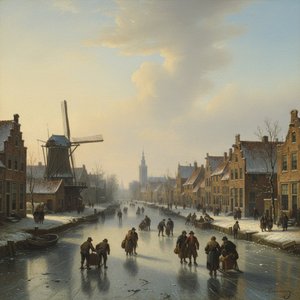
Charles Leickert: Capturing the Dutch Golden Age Light – A Comprehensive Study of Technique, Context, and Legacy
Explore the captivating winter landscapes of Charles Leickert, a master of Dutch Golden Age light & atmosphere. Discover his techniques, symbolism, and lasting legacy – a comprehensive study for art enthusiasts and collectors.

光影交织的时代:荷兰黄金时代绘画艺术的兴盛与创新
深入探索荷兰黄金时代的绘画艺术:伦勃朗、维米尔等大师的技法与创新,了解巴洛克风格的独特演绎。OriginalUniqueArt提供手绘油画复制、艺术咨询及收藏建议,助您领略经典艺术之美。

荷兰黄金时代:十幅定义艺术史的巨作 | OriginalUniqueArt
探索荷兰黄金时代的艺术巅峰! 伦勃朗、维米尔等大师名作,带您领略巴洛克艺术的辉煌。高清画作、博物馆级品质,点亮您的家居空间。OriginalUniqueArt.com 提供精选艺术复制品和定制装饰方案。立即在线探索全系列!

荷兰黄金时代绘画:文化创新中的现实主义反思
深入探索荷兰黄金时代绘画的文化创新与现实主义反思。本文解读伦勃朗、维米尔等大师的作品,并结合玛莉特·韦斯特曼的图像学研究,揭示艺术史背后的社会语境与现代性意识觉醒。
十七世纪荷兰黄金时代绘画:光影、现实与人文精神的辉煌
深入探索十七世纪荷兰黄金时代绘画的辉煌!解读林布兰、维米尔等大师的光影技巧与人文精神,了解巴洛克风格、风俗画的演变。艺术史专家带您领略珍品收藏,提升艺术鉴赏力。