

 实景预览
实景预览
 发送
发送 分享
分享
 详情
详情 指南
指南

 下载图片
下载图片
 相似作品
相似作品 X射线
X射线 幻灯片播放
幻灯片播放 统计数据
统计数据le Calvaire


 阅读全文
阅读全文
艺术微喷/版画
博物馆级艺术微喷或帆布版画,制作高效,并提供多种饰面选择。 ( 订购此收藏品的纯手工复刻画作 切换至数字图像销售渠道)




P118B $10

P118H $10

P118W $10

P438Z $10

P508JH $12

P508YH $12

P805H $10

P805Z $10

P919BZ $10

P919G $10

P919XJ $10

P959ZH $10

P968JZ $12

W106C $8

W218G $10

W218JH $8

W218Y $10

W307PJ $10

W316G $10

W316PJ $8

W316Y $10

W398PJ $8

W4111J $10

W500HY $15

W500JH $15

W692G $12

W849H $8

W940BG $15

W953PJ $8




您可以从与原作比例一致的预设尺寸中进行选择。

您可以输入自定义尺寸,以适配特定的画框或空间。如果您选择的尺寸与原图比例不符,我们将对作品进行裁剪,或通过镜像填充/纯色填充边缘的方式来扩展图像。在开始制作之前,我们会向您发送一份数字效果图供您确认。
请注意,屏幕上的预览并不能反映实际的裁剪或扩展效果。只有效果图才能准确展示最终的构图。
虽然我们提供定制尺寸,但为了保持原图比例,我们建议您从预设列表中选择尺寸。


 玻璃选项仅适用于110厘米以下的尺寸。

le Calvaire
艺术微喷/版画
复刻品尺寸说明
-


总计金额
$ 80
A Vision of Devotion and Drama
In the heart of the Northern Renaissance, where the boundaries between the earthly and the divine often blurred, Joachim Beuckelaer’s "Le Calvaire" emerges as a profound masterpiece of narrative intensity. This monumental panel does not merely depict a historical event; it invites the viewer into a visceral, breathing moment of human suffering and spiritual transcendence. As one gazes upon the crucifixion, the eye is immediately drawn into a chaotic yet meticulously orchestrated tapestry of life and death. Beuckelaer, a pioneer who would later influence the very foundations of still life painting, utilizes this sacred subject to showcase an unparalleled command over detail, transforming a scene of profound sorrow into a window through which we glimpse the turbulent emotions of the human condition.
The composition is a masterclass in tension and movement. A powerful pyramidal structure anchors the work, directing our gaze upward toward the central figure of Christ, whose presence provides a solemn stillness amidst the surrounding tumult. Diagonal lines, formed by the stark geometry of the crosses, slice through the frame to inject a sense of dynamic energy, mirroring the psychological unrest felt by the onlookers. Around this focal point, a sea of figures—Roman soldiers, grieving mourners, and curious bystanders—creates a dense, layered atmosphere. The presence of skeletal remains at the base of the scene serves as a haunting memento mori, a subtle yet powerful reminder of mortality that deepens the painting's theological resonance.
Mastery of Light, Texture, and Color
Technically, "Le Calvaire" is a triumph of the Flemish tradition. Beuckelaer’s use of oil on panel allows for a luminous depth that few other mediums could achieve. Through the delicate application of glazes, he creates surfaces that seem to glow from within, particularly evident in the way light catches the folds of heavy drapery and the metallic sheen of Roman armor. The artist employs sophisticated hatching and cross-hatching techniques to imbue the flesh of the figures and the rugged textures of the earth with a startling realism. This tactile quality ensures that the viewer does not just see the scene, but feels the weight of the atmosphere—the grit of the dust, the coldness of the steel, and the warmth of the fading light.
The color palette is intentionally grounded in earthy, somber tones—rich ochres, deep browns, and muted reds—which evoke a sense of historical gravity. However, these subdued hues are punctuated by strategic bursts of color, such as the striking reds found in Christ’s garments or the clothing of key figures, which serve to guide the viewer's emotional journey through the composition. As the background cityscape recedes into a soft, atmospheric haze, the foreground remains sharp and immediate, creating a sense of depth that pulls the observer into the very center of the drama.
An Enduring Legacy for the Discerning Collector
For the art lover or the interior designer, "Le Calvaire" offers much more than mere decoration; it provides a focal point of profound intellectual and emotional substance. The painting’s ability to balance the grotesque with the sublime makes it an extraordinary piece for any collection seeking to evoke contemplation and grandeur. Whether placed in a quiet study or as a commanding centerpiece in a sophisticated gallery space, a high-quality reproduction of this work brings with it the weight of history and the beauty of Renaissance craftsmanship.
To possess a reproduction of Beuckelaer’s work is to hold a piece of the Northern Renaissance spirit—a period defined by an unwavering commitment to observing the world with both scientific precision and spiritual reverence. "Le Calvaire" remains a timeless testament to the power of art to capture the most fleeting of human emotions and the most enduring of spiritual truths, making it an incomparable choice for those who appreciate art that speaks to the soul.
艺术家简介
沉浸于日常之美:约阿希姆·博伊克拉尔与静物画的黎明
约阿希姆·博伊克拉尔(Joachim Beuckelaer)这个名字,或许不如他的同辈画家那样家喻户晓,但在佛兰德绘画史上,他却占据着举足轻重的地位。他于1533年左右出生在安特卫普——那是一座当时正涌动着艺术创新浪潮的城市。他逐渐成长为一位描绘市井喧嚣与厨房烟火的大师。他的作品并非仅仅是对日常生活的简单记录,而是经过精心构建的叙事,其中往往微妙地交织着宗教象征意义。这种创作方式标志着艺术重心的转移:从传统的精神主题转向对存在之真实性的观察与赞美。博伊克拉尔不仅仅是在“描绘”他所见之物,他更是在将平凡的琐碎提升到值得艺术关注的高度,为静物画作为一种独立流派的发展奠定了至关重要的基础。他的家族背景深植于艺术之中——他的父亲马修·博伊克拉尔(Mattheuc Beuckeleer)和叔叔彼得·阿特森(Pieter Aertsen)都是成名的画家,这为他提供了早期的艺术熏陶与训练。正是在叔叔的工作室里,他磨炼了自己的技艺,吸收了阿特森在市场场景创作上的先驱方法,并最终在技术造诣与细腻的叙事能力上超越了恩师。安特卫普画坊与艺术蜕变
16世纪的安特卫普是商业与文化的繁荣中心,博伊克拉尔的艺术正是这种生命力的缩影。1560年,他正式成为圣路加行会的独立大师,确立了自己在艺术界的地位。然而,他并未止步于对阿特森风格的模仿,而是对其进行了升华,注入了更深层次的复杂性与细节感。如果说阿特森的作品往往呈现出一种略显混乱的丰饶,那么博伊克拉尔则为他的构图带来了更强的秩序感与清晰度。他的场景布置得极其考究,每一件器物都刻画得入木三分——鱼鳞闪烁着粼粼光泽,水果饱满多汁,锡制器皿透着金属的冷光。这种对写实主义的执着不仅仅是为了展示技术,更是为了赋予这些日常器物一种存在感与神圣意义。《四元素》系列便是这一创作理念的明证——这组描绘鱼市场的画作在赞美自然馈赠的同时,也微妙地暗喻了圣经故事:十二种不同品种的鱼象征着十二使徒,而背景中则悄然展开了基督变五饼为多的神迹。这种将世俗与神圣无缝融合的能力,成为了他作品的标志性特征。传承与影响:通往新艺术地平线的桥梁
约阿希姆·博伊克拉尔的影响力远远超出了他的有生之年。他对日常生活的细腻描绘,为后世一代致力于探索静物画可能性的艺术家铺平了道路。像弗兰斯·斯尼德斯(Frans Snyders)这样以华丽且复杂的食物展示而闻名的画家,直接继承并发展了博伊克拉尔奠定的基础。他的影响力并不局限于北欧;他的作品也引起了如文琴佐·坎皮(Vincenzo Campi)等意大利画家的共鸣,证明了其创新方法具有广泛的艺术魅力。通过将焦点从纯粹的宗教主题转向更具世俗色彩的主题——同时仍保留着微妙的精神底蕴——博伊克拉尔在变革佛兰德艺术方面发挥了关键作用,并预示了此后几个世纪将定义的艺术趋势。他于1573年左右去世,留下的作品至今仍能触动人心,不断激励着我们去发现隐藏在平凡生活瞬间中的美与意义。
约阿希姆·博伊克拉尔
1533 - 1573 , 比利时
快速概览
- Artistic Movement Or Style: 文艺复兴艺术
- Artists Or Movements Influenced By This Artist:
- Frans Snyders
- Vincenzo Campi
- Artists Who Influenced This Artist: ['Pieter Aertsen']
- Date Of Birth: 约 1533 年
- Date Of Death: 约 1573 年
- Full Name: Joachim Beuckelaer
- Nationality: 佛兰芒人
- Notable Artworks:
- 《四季元素》系列
- 《基督在以马忤斯的厨房场景》
- 《兽肉静物画》
- Place Of Birth: 比利时,安特卫普
相关文章

10 Masterpieces Defined by Earthy Driftwood Tones
Immerse yourself in the serene beauty of earthy driftwood tones. Explore 10 iconic masterpieces, from classical landscapes to muted modernism, and find inspiration for your decor with museum-quality reproductions. Discover all masterpieces on OriginalUniqueArt.com.
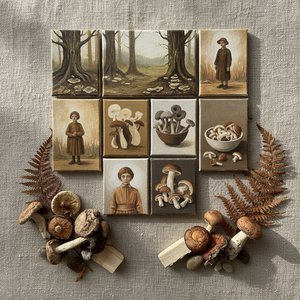
Earthy Hues & Masterpieces: Top 10 Paintings with 'Mushroom' Tones |
Explore 10 iconic paintings with captivating 'mushroom' tones! Discover Van Gogh, Monet & Rembrandt’s masterpieces—earthy palettes, rich history & artistic techniques. Find museum-quality art reproductions and curated decor ideas at

Earthly Elegance: Top 10 Famous Paintings Dominated by Brown Tones
Immerse yourself in the warmth of history with our curated guide to 10 iconic paintings in earthy brown tones. From Baroque masters to timeless landscapes, explore the stories behind these sepia-toned masterpieces. Find museum-quality reproductions on OriginalUniqueArt.com.

10 Iconic Masterpieces Defined by Earthy Olive Tones
Immerse yourself in the timeless beauty of olive-toned masterpieces. From Impressionist landscapes to classical oil paintings, explore the stories behind these iconic earthy works. Find museum-quality art reproductions and decor inspiration. Discover all masterpieces on OriginalUniqueArt.com.

10 Iconic Masterpieces Defined by Earthy Olive Tones
Immerse yourself in the timeless beauty of olive-toned masterpieces. From Impressionist landscapes to moody classics, explore the stories behind 10 iconic paintings and find museum-quality art reproductions for your decor. Discover all masterpieces on OriginalUniqueArt.com.