

 效果预览
效果预览
 分享
分享 分享
分享
 详情
详情 指南
指南

 下载
下载
 相似作品
相似作品 X射线
X射线 幻灯片播放
幻灯片播放 统计数据
统计数据The Lost Game
 Acrylic On Canvas
- WallArt
- 19th-century French Realism
 1858
1858 21.0 x 27.0 cm
 威廉斯收藏馆
 展开详情
展开详情
艺术微喷/版画
博物馆级艺术微喷或帆布版画,制作高效,并提供多种饰面选择。 ( 购买手绘画作 切换至数字图像销售渠道)




P118B $10

P118H $10

P118W $10

P438Z $10

P508JH $12

P508YH $12

P805H $10

P805Z $10

P919BZ $10

P919G $10

P919XJ $10

P959ZH $10

P968JZ $12

W106C $8

W218G $10

W218JH $8

W218Y $10

W307PJ $10

W316G $10

W316PJ $8

W316Y $10

W398PJ $8

W4111J $10

W500HY $15

W500JH $15

W692G $12

W849H $8

W940BG $15

W953PJ $8




从与原作比例一致的预设尺寸中进行选择。

您可以输入自定义尺寸,以适配特定的画框或空间。如果您选择的尺寸与原图比例不符,我们将对作品进行裁剪,或通过镜像填充/纯色填充边缘的方式来扩展图像。在开始制作之前,我们会向您发送一份数字效果图供您确认。
请注意,屏幕上的预览并不能反映实际的裁剪或扩展效果。只有效果图才能准确展示最终的构图。
虽然我们提供定制尺寸,但为了保持原图比例,我们建议您从预设列表中选择尺寸。


 玻璃选项仅适用于110厘米以下的尺寸。

The Lost Game
艺术微喷/版画
复制品尺寸
-


最终总价
$ 80
Jean-Louis Ernest Meissonier’s “The Lost Game”: A Microscopic Masterpiece of Victorian Leisure
“The Lost Game,” painted in 1858 by the celebrated French artist Jean-Louis Ernest Meissonier, is more than just a depiction of gentlemen engaged in a card game; it's a meticulously crafted window into the social fabric and psychological nuances of mid-19th century France. Meissonier, renowned for his extraordinary ability to capture fleeting moments of everyday life with astonishing detail – earning him the moniker “the French Metsu” – here presents a scene brimming with quiet observation and subtle tension. The painting’s power lies not in grand gestures or dramatic action, but in its intimate portrayal of a seemingly trivial pastime elevated to an almost ritualistic performance.
The composition is deceptively simple: nine men are seated around a mahogany table, bathed in the warm glow of lamplight. Each figure is rendered with painstaking accuracy – from the meticulously embroidered waistcoat and cravat to the carefully positioned fingers holding playing cards. Meissonier’s signature technique—microscopic painting—is on full display here. He doesn't merely paint figures; he dissects them, revealing every wrinkle, every bead of perspiration, every subtle shift in posture. This level of detail wasn’t simply a technical exercise; it was a deliberate attempt to immerse the viewer in the scene, creating an illusion of proximity and intimacy. The use of chiaroscuro – dramatic contrasts between light and shadow – further enhances this effect, drawing attention to key elements while simultaneously obscuring others, adding layers of mystery and intrigue.
A Glimpse into Victorian Social Life
“The Lost Game” offers a fascinating glimpse into the leisure activities of the French upper class during the Second Empire. The scene unfolds within a richly furnished room – a testament to the opulence and material prosperity of the era. The two dining tables, the comfortable chairs, and the carefully chosen accessories all speak to a life of comfort and refinement. However, beneath this veneer of affluence lies a subtle undercurrent of competition and social maneuvering. The men are not simply playing cards; they’re engaged in a complex dance of status, reputation, and perhaps even veiled rivalry. The game itself – likely piquet, a popular card game of the time – served as a focal point for social interaction, providing an opportunity to display wit, skill, and social grace.
Meissonier’s choice of subject matter is particularly noteworthy. He wasn't interested in depicting heroic battles or historical events; instead, he focused on the mundane details of everyday life – a deliberate departure from the prevailing artistic trends of his time. This focus on domesticity and social interaction reflected a broader shift in French art during the Second Empire, as artists increasingly sought to capture the realities of bourgeois society. The painting’s popularity at the time underscored this trend, demonstrating a public appetite for images that offered a window into the lives of their peers.
Symbolism and the Enigmatic “Game”
The title itself – "The Lost Game" – is laden with symbolic weight. While the literal meaning refers to the card game being played, it also alludes to the broader concept of a mental game—a phenomenon that would later gain widespread notoriety in the 21st century. Some scholars believe Meissonier was consciously referencing this emerging psychological phenomenon, using the painting as a visual metaphor for the elusive nature of human consciousness and the challenges of self-control. The very act of playing the game becomes a performance, a subtle display of intellect and social acumen.
Furthermore, the scene’s quiet intensity—the focused expressions on the men's faces, the careful positioning of their hands—suggests that there is more at stake than mere entertainment. The painting invites us to speculate about the unspoken rules and hidden agendas that govern this seemingly innocent pastime. Is it a friendly competition? A test of skill? Or perhaps a carefully orchestrated display of social dominance?
A Timeless Reproduction
Reproduced with exceptional fidelity, “The Lost Game” retains its captivating charm and historical significance. OriginalUniqueArt’s hand-painted reproductions capture the artist's meticulous detail and evocative atmosphere, offering a stunning addition to any collection or interior space. The painting’s intimate scale—measuring just 21 x 27 cm—makes it ideal for smaller rooms or private studies, while its rich colors and intricate details command attention wherever it is displayed. This remarkable work serves as a poignant reminder of the enduring appeal of Meissonier's artistic vision and his ability to transform the ordinary into the extraordinary.
艺术家简介
早期生活与艺术启蒙
让-路易·埃内斯特·梅松涅(Jean-Louis Ernest Meissonier)于1815年出生在法国里昂,一个对绘画充满热情的家庭。然而,他的父亲最初希望他从事商业生涯。尽管如此,年轻的梅松涅对艺术的热爱难以抑制,最终在十七岁时获得了追求自己梦想的许可。他师从莱昂·科涅(Léon Cogniet),接受了扎实的学院派训练。但真正影响他艺术道路的是他在卢浮宫对荷兰大师的研究——特别是加布里埃尔·梅楚(Gabriel Metsu)和杰拉德·杜(Gerard Douw)。这些大师以其对资产阶级生活的细腻描绘而闻名,深深地启发了梅松涅的风格,并培养了他对细节的极致追求,这种对细节的执着将成为他艺术生涯的标志。早期的作品《荷兰布尔乔亚》(Les Bourgeois Flamands)于1831年展出,立刻引起轰动,预示着他独特的才华——一种以近乎显微镜般的精确度重现日常生活场景的能力。从风俗画到宏大历史叙事
梅松涅的突破之作《荷兰布尔乔亚》不仅展示了他的绘画技巧,更预示着他独特的艺术天赋——能够以惊人的准确性再现日常生活或历史片段。他并非仅仅描绘物体,而是细致地重建世界,捕捉纹理、光线和氛围,令人叹为观止。这一早期的成功使他得以精炼自己的技法,创作了一系列引人入胜的风俗画,如《棋局》(The Game of Chess, 1841)和《年轻人在演奏大提琴》(The Young Man Playing the 'Cello, 1842)。这些作品不仅仅是技术练习,更是对人物性格和社会互动深刻的观察。然而,梅松涅的抱负并不仅限于亲密的风俗画场景。1848年的政治动荡,期间他作为国民卫队的一员服役,对他产生了深远的影响,激发了他关注更宏大的历史主题的愿望。这一转变最终促成了《索尔费里诺战役》(The Emperor at Solferino)等史诗级作品的诞生,这标志着他风格上的重大突破,展示了他处理复杂构图和宏大叙事的能力,同时保留了他一贯的精确性。耐心与精湛工艺定义的绘画技法
真正将梅松涅与其他画家区分开来的是他的绘画方式,而非仅仅是他所画的内容。他的技法以其细致入微而闻名于世。他并不满足于粗犷的笔触或印象派的效果;他作品中的每一个元素都经过精心渲染,层层堆叠,从而达到一种非凡的真实感。为了确保历史准确性,他进行了详尽的研究,一丝不苟地研究服装、武器和建筑细节。这种奉献精神也延伸到自然世界——他以其对马匹的深入研究而闻名,分析它们的解剖结构和运动方式,以便在战斗场景中逼真地描绘它们。一些评论家甚至认为他的工作近乎痴迷,但正是这种毫不动摇的对细节的承诺赢得了观众的赞赏,并确立了他的声誉。英国著名艺术评论家约翰·罗斯金(John Ruskin)曾用放大镜检查梅松涅的画作,惊叹于这位艺术家“精湛的手工技巧和对迷人细节的敏锐洞察力”。遗产与持久影响
到了19世纪下半叶,让-路易·埃内斯特·梅松涅已成为法国最受尊敬的艺术家之一。他的作品价格高昂,使他能够获得位于普瓦西(Poissy)的一座宏伟庄园,并配备了专门的工作室,以方便他一丝不苟的过程。他因其精湛的技艺和栩栩如生地再现历史的能力而受到赞誉。尽管一些评论家质疑他的题材范围有限——通常专注于军事场景或历史重现——但不可否认他对后世艺术家的深刻影响。他对细节的执着、对历史准确性的承诺以及他精湛的技法继续激励着当代的画家。世界各地的博物馆,包括巴黎奥赛博物馆(Musée d'Orsay)和华盛顿特区国家美术馆(National Gallery of Art),都自豪地展示他的作品,确保了他的遗产作为耐心、精确性和艺术愿景力量的证明而永存。要探索更多梅松涅的作品,请访问OriginalUniqueArt.com或奥赛博物馆网站。
梅松尼埃
1815 - 1891 , 法国
艺术家简介
- Artistic Movement Or Style: 学院派艺术
- Artists Who Influenced This Artist: ['荷兰大师']
- Date Of Birth: 1815年2月21日
- Date Of Death: 1891年1月31日
- Full Name: 让·路易·埃内斯特·梅松尼耶
- Nationality: 法国国籍
- Notable Artworks (List Of Titles):
- 荷兰布商
- 棋局
- 小酒馆休息
- 争斗
- 索尔费里诺的皇帝
- Place Of Birth (City And Country): 法国里昂
相关文章

Pixelated Prestige: Exploring Scarcity, Value, and Cultural Impact in Limited Edition Gaming Paintings
Explore the world of limited edition gaming paintings! Discover investment strategies, artist insights & preservation tips for collectors. Trusted expertise in rare video game art.
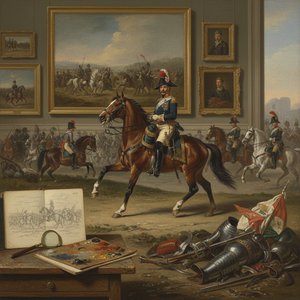
Jean-Louis Ernest Meissonier: Realism, Historical Narrative & Artistic Perfection
Explore the world of Jean-Louis Ernest Meissonier, a master of French Realism renowned for his meticulously detailed historical & military scenes. Discover his iconic artworks and lasting legacy.

Pixel & Palette: Exploring the Artistic Craftsmanship of Hand-Painted Game Universes and the Artists Who Bring Them to Life
Explore the artistry of hand-painted game universes! Discover techniques, artists & history behind this unique style. Expert insights for collectors & developers.
Beyond Pixels and Play: The Aesthetic and Identity Significance of Gaming Art for the Modern Collector
Explore the rising world of gaming art! Discover why collectors are investing in vintage games & interactive experiences. Expert insights on value, trends & cultural significance.

Romantic Realism's Finest: 10 Masterpieces for Your Home | OriginalUniqueArt
Explore 10 defining masterpieces of Romantic Realism! Discover Courbet, Millet & Daumier's powerful paintings—capturing emotion and social realities. Find museum-quality reproductions for your home at OriginalUniqueArt.com.