
 实景预览
实景预览
 发送
发送 分享
分享
 详情
详情 指南
指南

 下载图片
下载图片
 相似作品
相似作品 X射线
X射线 幻灯片播放
幻灯片播放 统计数据
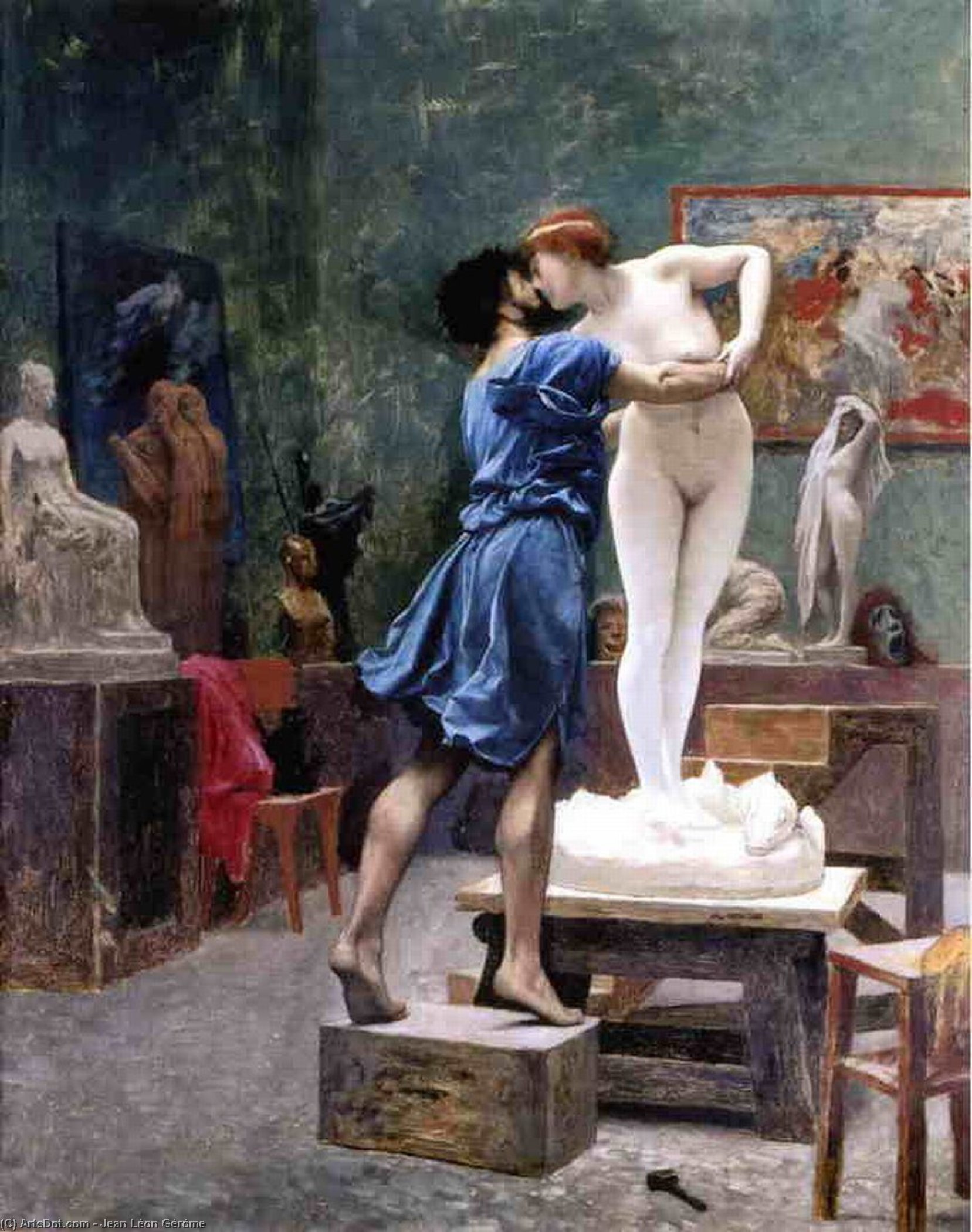
统计数据Pygmalion and Galatea (study)
 Oil On Canvas
- WallArt
- Academic Historical Painting
 1890
1890 94.0 x 74.0 cm
 大都会艺术博物馆
 阅读全文
阅读全文
艺术微喷/版画
博物馆级艺术微喷或帆布版画,制作高效,并提供多种饰面选择。 ( 订购此收藏品的纯手工复刻画作 切换至数字图像销售渠道)




P118B ¥10

P118H ¥10

P118W ¥10

P438Z ¥10

P508JH ¥12

P508YH ¥12

P805H ¥10

P805Z ¥10

P919BZ ¥10

P919G ¥10

P919XJ ¥10

P959ZH ¥10

P968JZ ¥12

W106C ¥8

W218G ¥10

W218JH ¥8

W218Y ¥10

W307PJ ¥10

W316G ¥10

W316PJ ¥8

W316Y ¥10

W398PJ ¥8

W4111J ¥10

W500HY ¥15

W500JH ¥15

W692G ¥12

W849H ¥8

W940BG ¥15

W953PJ ¥8




您可以从与原作比例一致的预设尺寸中进行选择。

请输入您所需的宽度和高度,以适配您的画框或墙面。由于印刷品只能进行裁剪,无法超出原图尺寸,因此若比例不一致,画面的一部分将会被裁切。在正式印刷之前,我们会为您发送一份数字效果图供您确认。本页面显示的图片并非最终裁剪后的效果——只有效果图才能展示真实的裁剪情况。


 玻璃选项仅适用于110厘米以下的尺寸。

Pygmalion and Galatea (study)
艺术微喷/版画
复刻品尺寸说明
-


总计金额
¥ 538
A Moment Frozen in Marble and Desire: Jean-Léon Gérôme’s *Pygmalion and Galatea (Study)*
Jean-Léon Gérôme's *Pygmalion and Galatea (Study)*, painted in 1890, isn’t merely a depiction of a classical myth; it’s an exquisitely rendered tableau of longing, creation, and the potent magic of transformation. This intimate study, measuring a modest 94 x 74 cm, offers a rare glimpse into Gérôme's meticulous process – a testament to his dedication to capturing not just the likeness of figures but also the very essence of their emotions. The painting immediately draws the viewer in with its carefully orchestrated composition: a man, presumably Pygmalion himself, kneeling before a statue of Galatea, poised on a simple stool, and initiating a tender kiss. The scene unfolds within a studio setting, subtly suggesting the artist’s own fascination with the act of artistic creation and the blurring lines between reality and imagination.
The Narrative of Myth and Mastery
The story behind *Pygmalion and Galatea* is one of enduring appeal – a tale of a sculptor who, captivated by his own artistry, breathes life into a marble figure. Gérôme masterfully translates this narrative onto canvas, capturing the pivotal moment when Galatea awakens to Pygmalion’s touch. The painting avoids grand theatricality, instead favoring a quiet intimacy that underscores the profound emotional shift occurring within the scene. Gérôme's skill lies not just in his ability to accurately portray the human form – evident in the delicate musculature of Pygmalion and the graceful curve of Galatea’s pose – but also in his capacity to imbue these figures with a palpable sense of vulnerability and nascent joy. The inclusion of the simple chair and table, along with the vase, adds layers of realism and anchors the fantastical narrative within a believable domestic setting.
Technique and the Language of Detail
Gérôme was renowned for his painstaking attention to detail, a hallmark of the academic style he championed. *Pygmalion and Galatea (Study)* exemplifies this approach perfectly. Executed in oil on canvas, the painting boasts a rich, textured surface achieved through countless layers of glazing – a technique that allows Gérôme to build up subtle gradations of light and shadow, creating an astonishingly lifelike effect. Observe how he renders the marble statue itself; it’s not simply painted white but infused with veins and imperfections, suggesting its inherent materiality while simultaneously hinting at its potential for animation. The careful placement of folds in fabric, the sheen on Galatea's skin, and the subtle play of light across Pygmalion’s face all contribute to a remarkable sense of realism that belies the mythological subject matter. The use of warm earth tones – ochres, browns, and reds – further enhances the painting’s depth and richness.
Symbolism and Emotional Resonance
Beyond its narrative power, *Pygmalion and Galatea (Study)* is rich in symbolic meaning. The statue represents not just a creation but also the artist's own idealized vision – a projection of his desires and aspirations. The kiss itself symbolizes the merging of creator and creation, the transcendence of earthly limitations, and the birth of something new. The setting within a studio subtly elevates the work beyond a simple mythological scene; it speaks to the very process of artistic endeavor, highlighting the transformative power of imagination. Ultimately, Gérôme’s painting resonates with viewers on an emotional level, evoking feelings of wonder, longing, and the enduring human fascination with beauty, creation, and the possibility of bringing dreams to life.
A hand-painted reproduction of *Pygmalion and Galatea (Study)* offers a stunning opportunity to bring this captivating artwork into your home or office. Its rich detail and evocative imagery will serve as a constant reminder of the power of art to inspire, move, and transform our understanding of the world.
问答详情
哪里可以买到让·莱昂·热罗姆 (Ràng Liǎn Lóng Rèluó Mù) 的《Pygmalion and Galatea (study)》的手绘复制品?
您可以在让·莱昂·热罗姆 (Ràng Liǎn Lóng Rèluó Mù) 的《Pygmalion and Galatea (study)》的手工油画复刻页面直接订购其手绘复制品:亚麻画布手工绘制油画复制品,按需定制。
是否有与“Pygmalion and Galatea (study)”风格相似的作品?
与“Pygmalion and Galatea (study)”相似的作品已列在艺术品的 相似作品 页面中。
在 1890 年创作“Pygmalion and Galatea (study)”时,让·莱昂·热罗姆 (Ràng Liǎn Lóng Rèluó Mù) 的年龄是多少?
让·莱昂·热罗姆 (Ràng Liǎn Lóng Rèluó Mù) 在 66 岁时创作了《Pygmalion and Galatea (study)》。艺术家出生于 1824,该作品创作于 1890 年。
艺术家简介
叙事细节的大师:让·莱昂·热罗姆的生平和艺术
让·莱昂·热罗姆,一个与19世纪法国学院派绘画同义的名字,不仅仅是一位技艺精湛的画家;他更是一位引人入胜的故事讲述者,以其细致入微、充满戏剧性和异国情调的场景征服了观众。1824年出生于韦苏尔,他的艺术之旅在当地艺术家克劳德-巴西尔·卡里亚热的指导下开始,为他日后成为那个时代最杰出的画家奠定了基础。十六岁时移居巴黎,最初师从历史绘画大师保罗·德拉罗什,后来进入美术学院学习,吸收古典训练的原则。然而,热罗姆并没有通过刻板模仿而脱颖而出,而是以一种创新地融合了细致写实主义和戏剧性叙事的风格独树一帜——这种结合将定义他独特的艺术风格。1847年,他的早期作品《斗鸡》一举成名,确立了他作为新希腊运动领军人物的地位,该运动旨在以一种新的考古细节关注来复兴古典主题。从历史壮丽到东方主义视野
热罗姆的艺术范围非常广阔。他以近乎电影化的手法处理历史题材,赋予它们一种紧迫感和心理深度。他接受的大型壁画委托《奥古斯都时代,基督诞生》,旨在为拿破仑三世提供一个恭维性的寓言,展示了他处理复杂构图和宏大叙事的能力。然而,热罗姆真正吸引公众想象力的或许是他东方主义绘画。受到土耳其、埃及和北非旅行的启发,他描绘了后宫、熙熙攘攘的市场和沙漠景观,具有一种既迷人又——从现代的角度来看——有时会助长有害刻板印象的异国情调。像《鸽子喂食庭院中的后宫女郎》这样的画作变得非常受欢迎,为欧洲观众提供了一瞥神秘而感性的世界。这些作品不仅仅是对他所见之物的复制品;它们是精心构建的幻想,将观察与想象相结合,创造出引人入胜的视觉叙事。他并非仅仅记录东方;他是在*创造*它来满足西方消费的需求,这种做法后来受到了批评,但不可否认地促成了他的广泛吸引力。一位教育家和有影响力的教师
除了他自己的艺术创作外,热罗姆还在美术学院作为一名教师发挥了相当大的影响力。他的工作室成为后代艺术家培养的温床,吸引了来自欧洲和美国的学生。他最著名的学生包括托马斯·埃金斯、约翰·辛格·萨金特和玛丽·卡萨特——这些艺术家将继续开创自己独特的道路,但他们的基础无疑受到热罗姆严格训练和对技术技能的强调的影响。他向他们灌输了对素描、构图以及从生活中学习重要性的奉献精神。虽然他的保守艺术观点有时与新兴前卫运动发生冲突,但他对美国艺术的发展产生了深远影响。他的学生将他的原则带回大西洋彼岸,建立自己的工作室并延续学院派传统。遗产和争议:复杂的艺术传承
让·莱昂·热罗姆于1904年去世于巴黎,留下了一大批作品,至今仍在引发讨论和辩论。虽然他的技术精湛无可否认,但他的艺术遗产仍然复杂。他细致的写实主义,曾经被誉为学院派成就的巅峰,后来被一些人视为死板和过于关注表面现象。东方主义绘画虽然视觉效果惊艳,却因其异国情调的目光和对殖民刻板印象的延续而受到批评。然而,重要的是要将热罗姆置于他的历史背景下理解。他是他那个时代的产品,反映了19世纪欧洲社会普遍的态度和兴趣。他的作品不仅提供了对那个时代文化焦虑和幻想的宝贵见解,而且挑战我们批判性地审视其潜在假设。今天,热罗姆的画作不仅因其技术辉煌而受到赞赏,还因其将观众带到另一个时间和空间的能力而受到赞赏,邀请他们思考历史、文化和表现形式的复杂性。非凡职业生涯中的关键时刻
- 1824年:出生于法国韦苏尔。
- 1840年:移居巴黎,师从保罗·德拉罗什。
- 1847年:凭借《斗鸡》在巴黎沙龙获得早期认可。
- 1852-1854年:接受委托创作《奥古斯都时代,基督诞生》,并游历君士坦丁堡、希腊和土耳其。
- 职业生涯后期:转向雕塑,创作受古典古代启发的多色作品。
- 1904年:去世于巴黎,留下了一笔重要的艺术遗产。

让·莱昂·热罗姆 (Ràng Liǎn Lóng Rèluó Mù)
1824 - 1904 , 法国
快速概览
- Artistic Movement Or Style: 学院派,东方主义
- Artists Or Movements Influenced By This Artist:
- 托马斯·埃金斯
- 约翰·辛格·萨金特
- 玛丽·卡萨特
- Artists Who Influenced This Artist: ['保罗·德拉罗什']
- Date Of Birth: 1824年5月11日
- Date Of Death: 1904年1月10日
- Full Name: 让·莱昂·热罗姆
- Nationality: 法国国籍
- Notable Artworks (List Of Titles):
- 斗鸡
- 人民的审判
- 蛇魅者
- Place Of Birth (City And Country): 法国韦苏尔
相关文章

Jean-Léon Gérôme: Academic Rigor & Orientalist Visions Shaping 19th-Century French Painting
Explore the captivating world of Jean-Léon Gérôme, a master of 19th-century academic painting & orientalism. Discover his historical works, artistic techniques, and lasting influence on art history.

The Enduring Form: Sculpture Across History, Technique & Emotional Resonance
Explore the rich history of sculpture with OriginalUniqueArt. Discover key techniques, influential artists & investment potential for discerning collectors. Expert insights into valuing and collecting timeless masterpieces.

The Enduring Form: Exploring Themes & Techniques in Sculpture Across Historical Periods
Explore the rich history of sculpture from ancient masterpieces to contemporary innovations. Discover key techniques, influential artists & investment potential for discerning art collectors.

Bronze Age to Modern Masters: 10 Sculptures That Redefined Art | OriginalUniqueArt
Journey through art history with 10 legendary bronze sculptures – from Michelangelo's David to Rodin’s Thinker. Explore the stories, techniques & timeless beauty of these masterpieces. Find museum-quality reproductions & elevate your home decor on OriginalUniqueArt.com.

Bronze Sculptures That Defined Art History | OriginalUniqueArt
Journey through art history with our Top 10 bronze sculptures! Explore masterpieces by Rodin, Michelangelo & more. Discover stories behind iconic statues and find museum-quality reproductions for your home decor at OriginalUniqueArt.com.


