

 发送
发送 分享
分享
 详情
详情 指南
指南

 下载图片
下载图片
 相似作品
相似作品 幻灯片播放
幻灯片播放 统计数据
统计数据War and Peace


 阅读全文
阅读全文
艺术微喷/版画
博物馆级艺术微喷或帆布版画,制作高效,并提供多种饰面选择。 ( 订购此收藏品的纯手工复刻画作 切换至数字图像销售渠道)




































您可以从与原作比例一致的预设尺寸中进行选择。

请输入您所需的宽度和高度,以适配您的画框或墙面。由于印刷品只能进行裁剪,无法超出原图尺寸,因此若比例不一致,画面的一部分将会被裁切。在正式印刷之前,我们会为您发送一份数字效果图供您确认。本页面显示的图片并非最终裁剪后的效果——只有效果图才能展示真实的裁剪情况。


 玻璃选项仅适用于110厘米以下的尺寸。

War and Peace
艺术微喷/版画
复刻品尺寸说明
-


总计金额
¥ 538
A Symphony of Stone and Serenity
In the heart of the French Renaissance, few names resonate with as much grace and structural mastery as Jean Goujon. His work, epitomized by the profound themes found in War and Peace, serves as a breathtaking bridge between the rigid classical ideals of antiquity and the expressive, fluid energy of Mannerism. To behold this piece is to witness a delicate dance of stone, where the heavy permanence of marble or limestone is transformed into something that feels almost ethereal. Goujon, a sculptor who breathed life into the very bones of French architecture, possessed an uncanny ability to imbende his subjects with a sense of rhythmic movement, making the inanimate appear as though it were caught in a moment of divine breath.
The composition is a masterclass in balance and architectural harmony. Much like the grand facades of the Louvre that he so famously adorned, this work utilizes a sophisticated interplay of verticality and soft, circular motifs. The eye is naturally drawn to the central focal point, where ornate carvings and classical columns frame a sense of profound stillness. There is a deliberate symmetry at play here, evoking a feeling of stability and eternal order—a hallmark of the Renaissance spirit. Yet, beneath this structured surface lies a subtle tension; the way the light catches the undulating drapery and the intricate relief work suggests a world in motion, reflecting the complex duality of its title.
The Mastery of Mannerist Elegance
Technically, Goujon’s brilliance lies in his unparalleled command over texture and form. He was a sculptor who understood that true beauty resides in the details—the way a fold of fabric clings to an anatomical curve, or how a shallow relief can create the illusion of deep, atmospheric space. His technique draws heavily from the grandeur of Roman sculpture, yet he avoids mere imitation. Instead, he introduces a Mannerist elegance characterized by elongated figures and a sensual fluidity that was revolutionary for his time. The surfaces of the work transition seamlessly from smooth, polished planes to rugged, deeply carved ornamentation, creating a tactile experience that invites the viewer to reach out and touch the history embedded within the stone.
For the discerning collector or interior designer, this piece offers more than just visual splendor; it offers an atmosphere. The monochromatic, grayscale essence of the work lends it a timeless, antique quality that transcends fleeting trends. It possesses a quiet authority that can anchor a room, providing a sense of historical depth and intellectual sophistication. Whether placed in a sunlit gallery or a moody, library-inspired study, the interplay of light and shadow across its classical features creates a dynamic presence that evolves throughout the day.
A Legacy of Symbolism and Emotion
Beyond the technical prowess, War and Peace carries a profound emotional weight. The work captures the zeitgeist of a period marked by both monumental progress and turbulent social shifts. The contrast between the strength of the architectural elements and the delicate, flowing ornamentation serves as a metaphor for the human condition—the struggle to find harmony amidst chaos. There is an inherent nobility in the piece, a sense of permanence that speaks to the enduring nature of peace and the heavy cost of conflict.
Owning a high-quality reproduction of such a masterpiece allows one to bring this fragment of French history into the modern home. It is an invitation to contemplate the beauty of order and the elegance of motion. For those who seek to surround themselves with art that inspires reflection, provides structural grace, and embodies the pinnacle of Renaissance craftsmanship, Goujon’s vision remains an incomparable source of inspiration.
问答详情
这款 让·古容 的《War and Peace》 适合作为送给谁的礼物?
作为一份礼物,建议将让·古容 的《War and Peace》赠予Anniversary。它也同样适用于其他场合。
"War and Peace" 属于哪种艺术风格?
“War and Peace”是一件French Renaissance时期的作品。该艺术流派指明了作品所属的艺术传统。
建议将"War and Peace"用于何处及何种用途?
让·古容 的《War and Peace》 推荐用于 Accent,理想的摆放空间为 Living Room。通过结合使用场景与空间布局,可以更好地确定复制品的陈列位置。
艺术家简介
塑造巴黎优雅之魂的雕塑大师
让·古容(约1510年 – 约1567年)是法国文艺复兴时期雕塑与建筑史上的基石,他的作品既体现了矫饰主义那充满张力的风格热忱,又深深植根于古典主义的理想之中。这位出生于诺曼底的艺术大师,其早年生活仍笼罩在迷雾之中,但他极其丰沛的创作产出,使其迅速成为那个时代最卓越的艺术之声——这正是他惊人天赋与对工艺不懈追求的明证。古容的艺术征途始于意大利的洗礼,在那里,他汲取了罗马雕塑的宏伟气象,并将这些古典原则融入到自己独特的风格之中。这种影响贯穿于他的整个作品集,尤其体现在他对衣纹褶皱那炉火纯青的驾驭,以及对人体解剖结构的精准刻画。
他的艺术崛起始于鲁昂大教堂(1541-42年),在那里,他承担了一项极其艰巨的任务:为阿内领主路易·德·布雷塞雕刻陵墓纪念碑——这一委任不仅展示了他初露锋芒的技艺,更彰显了他的雄心壮志。这项宏大的工程奠定了他作为法国雕塑界一颗冉冉升起的新星的地位。与此同时,他在圣马克卢教堂磨炼了自己的建筑造诣,展现出一种将艺术愿景与结构工程完美融合的天赋。由此诞生的建筑杰作,成为了文艺复兴时期教会建筑的典范,深刻反映了古容对审美美感与功能完整性的双重追求。
富有远见的宏伟协作
1544年移居巴黎后,古容与建筑师皮埃尔·莱斯科开启了一段至关重要的合作伙伴关系,后者当时正负责圣日耳曼洛塞罗教堂宏伟的重建工程。两人共同构思并执行了令人叹为观止的雕塑装饰——其中最著名的莫过于那座讲道坛——这件杰作完美融合了莱斯科的新古典主义审美与古容精湛的衣纹处理技术。这一时期的合作定义了法国文艺复兴的视觉语言,因为古容开始赋予冰冷的石头一种流动的生命感与空灵的优雅。
他影响力的巅峰或许在卢浮宫的贡献中最清晰可见。他在卡瑞雅德庭院(莱斯科翼楼)立面上的作品至今仍是一项标志性的成就,通过精细的雕刻展现了古典主义的优雅,折射出法国艺术的辉煌。在这些作品中,人们可以观察到光影在雕塑人物间细腻的交织,这是他赋予冰冷大理石以生命力的独特标志。他的造诣进一步延伸至卢浮宫立面(细节),在那里,他极其考究的细节处理创造了矫饰主义风格的杰作,将古典优雅与繁复雕刻完美结合,数百年来依然令观者为之倾倒。
优雅与古典形式的传承
古容留下的艺术遗产,其核心在于一种无与伦比的能力:将矫饰主义的张力与古典主义的宁静和谐统一。他的雕塑作品常以宁芙和寓言人物为主题,这些形象仿佛漂浮在建筑背景之中,这一技法在其著名的女像柱(Caryatides)中得到了最完美的体现。这十尊大师级的雕像代表了16世纪法国文艺复兴雕塑的巅峰,为观者带来了古典的宏伟感与高雅的精致感。通过这些作品,古容不仅仅是在装饰建筑;他更是在雕琢法国审美精髓的灵魂本身。
其作品的历史意义不言而喻,他对解剖学和衣纹处理的研究影响了后世数代欧洲艺术家。他将沉重的石材转化为流动且富有节奏感的形态,为法国古典主义确立了一个在他逝世后仍长久延续的标准。时至今日,他天才的遗存——从卢浮宫翼楼那些错综复杂的细节,到他对建筑装饰的深远影响——都作为一份永恒的见证,诉说着这位真正塑造了巴黎优雅之魂的艺术大师。

让·古容
1510 - 1567 , 法国
快速概览
- Artistic Movement Or Style: 风格主义
- Artists Or Movements Influenced By This Artist: ['法国古典主义']
- Artists Who Influenced This Artist: ['米开朗基罗']
- Date Of Birth: 约 1510 年,法国诺曼底
- Date Of Death: 约 1567 年
- Full Name: 让·古容
- Nationality: 法国
- Notable Artworks:
- 宁芙 (细节)
- 圣母怜子
- 战争与和平
- 无辜者喷泉
- 卢浮宫雕塑
- Place Of Birth: 法国诺曼底
相关文章

Bronze Age to Modern Masters: 10 Sculptures That Redefined Art | OriginalUniqueArt
Journey through art history with 10 legendary bronze sculptures – from Michelangelo's David to Rodin’s Thinker. Explore the stories, techniques & timeless beauty of these masterpieces. Find museum-quality reproductions & elevate your home decor on OriginalUniqueArt.com.

Bronze Sculptures That Defined Art History | OriginalUniqueArt
Journey through art history with our Top 10 bronze sculptures! Explore masterpieces by Rodin, Michelangelo & more. Discover stories behind iconic statues and find museum-quality reproductions for your home decor at OriginalUniqueArt.com.

The Enduring Form: Exploring Themes & Techniques in Sculpture Across Historical Periods
Explore the rich history of sculpture from ancient masterpieces to contemporary innovations. Discover key techniques, influential artists & investment potential for discerning art collectors.
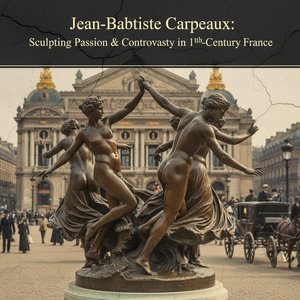
Jean-Baptiste Carpeaux: Sculpting Passion & Controversy in 19th-Century France
Explore the passionate life & controversial works of Jean-Baptiste Carpeaux, a leading French sculptor of the Second Empire. Discover his realism, iconic sculptures like 'Ugolino,' and lasting legacy as a precursor to Rodin.

The Enduring Form: Sculpture Across History, Technique & Emotional Resonance
Explore the rich history of sculpture with OriginalUniqueArt. Discover key techniques, influential artists & investment potential for discerning collectors. Expert insights into valuing and collecting timeless masterpieces.