 实景预览
实景预览
 分享
分享 分享
分享
 详情
详情 指南
指南

 下载作品
下载作品
 相似作品
相似作品 X射线
X射线 幻灯片播放
幻灯片播放 问答
问答 统计数据
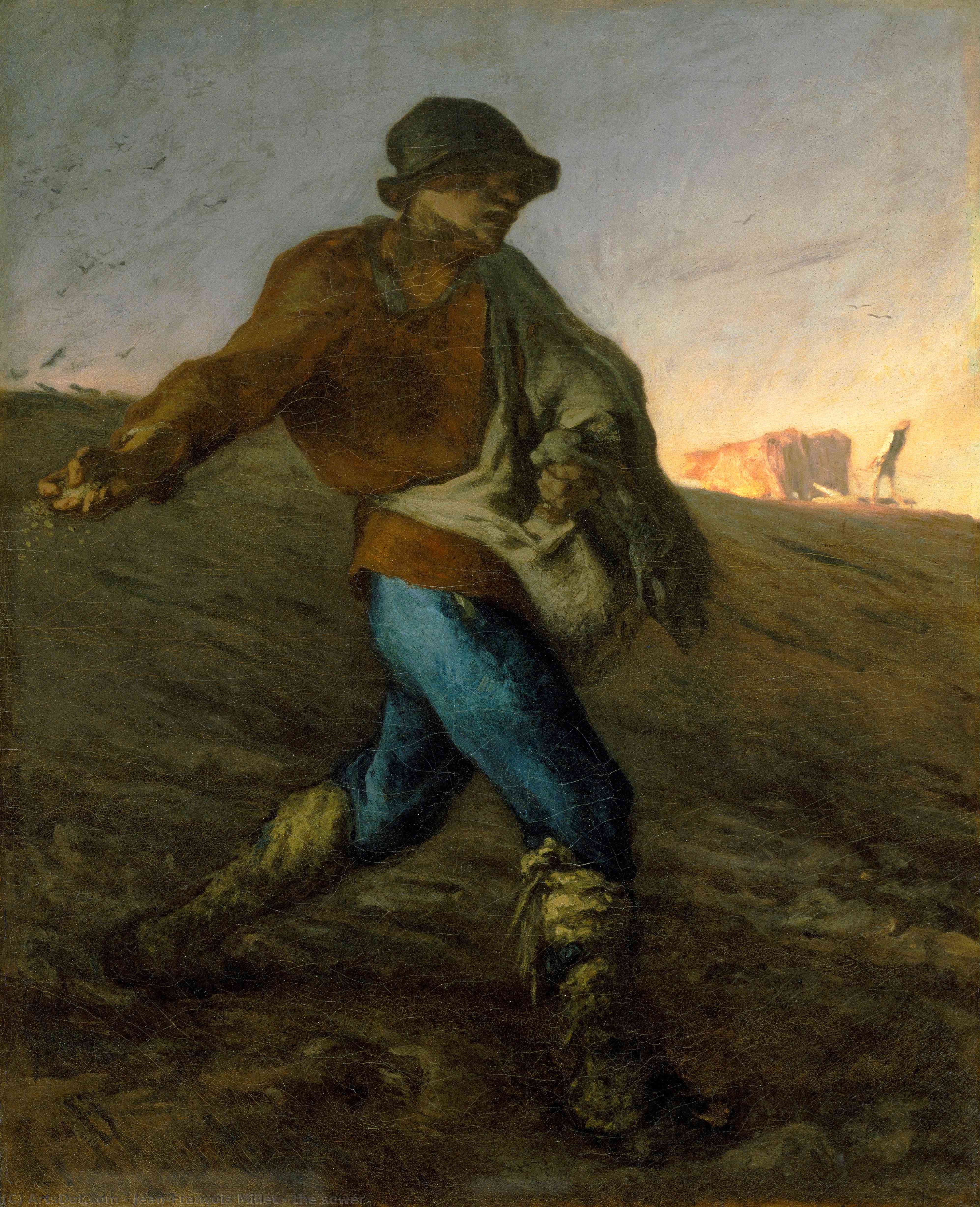
统计数据the sower


 展开全文
展开全文
艺术微喷/版画
博物馆级艺术微喷或帆布版画,制作高效,并提供多种饰面选择。 ( 订购纯手工绘制画作 切换至数字图像销售渠道)




P118B ¥10

P118H ¥10

P118W ¥10

P438Z ¥10

P508JH ¥12

P508YH ¥12

P805H ¥10

P805Z ¥10

P919BZ ¥10

P919G ¥10

P919XJ ¥10

P959ZH ¥10

P968JZ ¥12

W106C ¥8

W218G ¥10

W218JH ¥8

W218Y ¥10

W307PJ ¥10

W316G ¥10

W316PJ ¥8

W316Y ¥10

W398PJ ¥8

W4111J ¥10

W500HY ¥15

W500JH ¥15

W692G ¥12

W849H ¥8

W940BG ¥15

W953PJ ¥8




您可以从与原作比例一致的预设尺寸中进行选择。

请输入您所需的宽度和高度,以适配您的画框或墙面。由于印刷品只能进行裁剪,无法超出原图尺寸,因此若比例不一致,画面的一部分将会被裁切。在正式印刷之前,我们会为您发送一份数字效果图供您确认。本页面显示的图片并非最终裁剪后的效果——只有效果图才能展示真实的裁剪情况。


 玻璃选项仅适用于110厘米以下的尺寸。

the sower
艺术微喷/版画
复刻品尺寸
-


最终结算价
¥ 544
A Portrait of Rural Dignity: Exploring Jean-François Millet’s “The Sower”
Jean-François Millet's "The Sower," completed in 1850, transcends mere depiction; it embodies the spirit of Realism and speaks volumes about the human condition amidst the quiet grandeur of the French countryside. More than just a visual record of agricultural labor, this painting is a profound meditation on hope, perseverance, and the enduring connection between humanity and nature—themes that continue to resonate powerfully with audiences today.The Artist's Vision: Millet and the Barbizon School
Jean-François Millet (1814 – 1875) emerged from Gruchy, Normandy, a village deeply rooted in farming traditions. His formative years were spent immersed in the rhythms of rural life—a stark contrast to the artistic circles of Paris at the time. Yet, it was precisely this grounding in the tangible world that fueled Millet’s artistic endeavors and firmly established him as one of the founders of the Barbizon school. Rejecting academic conventions championed by the École des Beaux-Arts, Millet sought inspiration directly from observation—a revolutionary approach for its era—resulting in canvases imbued with an unparalleled sense of authenticity and immediacy. He wasn't interested in idealized beauty; he aimed to capture the honest realities of peasant existence.Composition and Technique: Chiaroscuro’s Embrace
The painting’s visual impact stems from Millet’s masterful use of chiaroscuro—the dramatic interplay between light and shadow—a technique perfected by artists like Rembrandt and Caravaggio. This masterful manipulation creates a palpable sense of depth, pulling the viewer into the scene and focusing attention on the central figure: the sower. The man is positioned against a luminous sky, highlighting his silhouette and emphasizing his vulnerability yet simultaneously conveying strength through posture and gaze. Millet employed thick impasto—applying paint in textured layers—to build up the surface of the canvas, capturing the physicality of the soil and the laborer’s movements with remarkable accuracy. This tactile approach contributes significantly to the painting's emotional resonance.Symbolism: Seeds of Hope Amidst Vastness
“The Sower” is laden with symbolic significance. The act of sowing itself represents more than just planting seeds; it embodies aspirations for renewal, fertility, and the cyclical nature of existence—a powerful metaphor for human endeavor and faith in the future. Millet deliberately places the sower amidst a sprawling field, dwarfed by the immensity of nature, underscoring the insignificance of individual effort against the forces of time and circumstance. However, this perceived vulnerability is countered by the man’s unwavering determination—his outstretched arm reaching towards the earth—a gesture signifying resilience and commitment to his vocation. The horse figures flanking him serve as silent witnesses to this labor, symbolizing sustenance and support for the farmer's work.Legacy and Influence: A Pioneer of Modern Art
Millet’s influence extended far beyond the Barbizon school, profoundly impacting subsequent generations of artists. Vincent van Gogh famously admired Millet’s style, recognizing its ability to convey emotion through simple forms and expressive brushwork—a cornerstone of Impressionism and Expressionism. “The Sower” remains a testament to the enduring power of art to illuminate human experience and capture the beauty inherent in everyday life. Its reproductions offer an opportunity to appreciate this masterpiece's timeless appeal and to bring its spirit of quiet dignity into any interior space.艺术家简介
田园诗人的目光:让·弗朗索瓦·米莱的艺术人生
让·弗朗索瓦·米莱,一个与乡村生活的尊严和19世纪法国新兴现实主义运动紧密相连的名字,并非出身于艺术世家,而是生于他日后将永远铭刻在画布上的世界。1814年10月4日,他在诺曼底小村庄格鲁希诞生,这个地方深深扎根于农业传统之中。这种成长背景不仅仅是他的生活背景,更是塑造了他的视野,并赋予了他的艺术作品一种与社会变革紧密相关的真实感。他的父母,让-路易-尼古拉斯和艾米·亨利埃特·阿黛拉伊德·亨利·米莱夫妇,本身就是农民,他们将对土地和劳工的深刻联结灌输给了年轻的让·弗朗索瓦。早期的教育不仅来自正式的学校——当地神父们发现了他的智慧并为他提供了机会——更来自农事的节奏:播种、收割、脱粒、施肥、耕地、播撒,这些都将成为他绘画中的核心主题。这种亲身体验并非简单的观察,而是一种深刻的体验,是对艰辛和韧性的切身理解。从学院梦想到乡村启示
米莱的艺术之旅始于正规训练,先在瑟堡跟随肖像画家本·杜穆谢尔学习,后师从巴隆·格罗的学生蒂奥菲勒·朗格卢瓦·德·舍夫里耶。1837年,他前往巴黎并在著名的 beaux-arts 学院师从保罗·德拉罗什学习。然而,学院体制的期望和沙龙体系的规则令他感到窒息。最初的成功之后是拒绝,米莱发现自己正面临着艺术上的幻灭感。一个转折点出现在1840年代,个人悲剧——妻子波莉娜-维尔吉尼·奥诺的去世——以及对盛行浪漫化描绘农民生活的日益不满,都促使他开始反思。他逐渐摒弃了理想化的田园风光,转而寻求以毫不掩饰的诚实来描绘乡村生活。这种转变得到了与康斯坦特·特鲁昂、纳西斯·迪亚兹、查尔斯·雅克和泰奥多尔·罗索等艺术家的交往所进一步巩固,他们构成了巴比松画派的核心。这些画家致力于原位绘画——直接从大自然中进行创作——并拒绝学院的矫饰。1849年米莱搬到巴比松标志着他与巴黎习俗决裂,并拥抱了他根植于周围景观和生活中的艺术命运。劳作之诗:主题与技巧
米莱的作品以他对劳动阶级的深刻同情为特征,特别是农民。他并非简单地描绘他们的劳作,而是将其提升到一种前所未有的尊严和精神意义的高度。《拾穗者》(1857年)可能是他的标志性作品之一,完美地体现了这种方法。画面中弯腰劳作的三个女人不是浪漫化的形象,而是辛勤工作的劳动者,尽管疲惫却散发着令人肃然起敬的内在尊严。《天使》(1850-1861年)是另一幅杰作,捕捉了一个深刻的精神时刻——农民夫妇在日落时分停下来祈祷——将日常行为转化为神圣之物。《播种者》(1850年)无疑是他最易识别的图像之一,代表了农业劳作的循环以及人类与土地的联系。在技术上,米莱从荷兰大师那里汲取灵感,特别是他们对光和阴影的精湛运用,这在人物的宏伟品质中可见一斑。他采用有限的调色板,专注于反映乡村色彩的泥土色调,并堆叠油漆层以创造纹理和深度感。持久的遗产:米莱的影响与历史意义
让·弗朗索瓦·米莱于1875年1月20日在巴比松去世,留下了一系列深刻影响了现代艺术进程的作品。他在确立现实主义作为绘画中的主导力量方面发挥了关键作用,挑战了学院派艺术的惯例,并为印象派和社会现实主义等未来运动铺平了道路。他对日常生活和社会问题的关注引起了那些寻求以诚实和真实性描绘周围世界 Artists 的共鸣。他的影响超越了绘画;他的图像成为了乡村美德和工人阶级团结的象征,激励了作家、诗人以及政治思想家。科雷亚·贝尼托·雷博莱多等艺术家继续探索与米莱的榜样直接相关的农村生活和社会正义主题。今天,米莱的画作仍然以其永恒的美丽、情感深度和持久的人类尊严信息吸引着观众。他的作品是对一个深刻提醒,即使在逆境中,也能在最简单的人生中发现优雅、韧性和深刻的精神意义。主要作品
- 《拾穗者》(1857年):对妇女收集剩余谷物的感人描绘。
- 《天使》(1850-1861年):乡村虔诚的象征,一个安静的奉献时刻。
- 《播种者》(1850年):代表农业劳作循环的标志性图像。
- 《手持锄头的男人》:对体力劳动和人类耐力的有力表现。
- 《休息的收割者》:捕捉了艰苦工作中的片刻喘息。
- 《烤面包的女人》:描绘家庭劳作,并赋予其尊严。

米莱
1814 - 1875 , 法国
艺术家简介
- Artistic Movement Or Style: 现实主义,巴比松画派
- Artists Or Movements Influenced By This Artist:
- 印象派
- 社会现实主义
- Artists Who Influenced This Artist:
- 荷兰大师
- 保罗·德拉洛什
- Date Of Birth: 1814年10月4日
- Date Of Death: 1875年1月20日
- Full Name: 让·弗朗索瓦·米莱
- Nationality: 法国人
- Notable Artworks:
- 《拾穗者》
- 《天使经课》
- 《撒种者》
- 《手持锄头的男人》
- Place Of Birth: 格鲁西,法国
相关文章
十九世纪法国巴比松画派:现实主义与田园牧歌的开创者
深入了解十九世纪法国巴比松画派:探索其对现实主义和风景油画的开创性贡献,主要画家作品赏析、艺术风格解析及收藏鉴赏指南。OriginalUniqueArt提供高质量的手绘复制品与专业艺术咨询。

Jean-François Millet: Realism, Rural Life & the Poetic Depiction of Labor
Explore the life & work of Jean-François Millet, a founder of Realism. Discover his poignant depictions of rural France, iconic paintings like 'The Angelus,' and lasting influence on art history. Learn more at OriginalUniqueArt.
The Barbizon School: The Revolution of Naturalism and the Birth of Plein Air Landscape Painting
Explore the profound impact of the Barbizon School on landscape painting. Discover how masters like Rousseau and Corot revolutionized art through plein air naturalism, moving from academic idealism to the authentic beauty of the French countryside.

The Barbizon School: A Professional Guide to Naturalism and Landscape Mastery for Interior Designers
Explore the Barbizon School's mastery of naturalism. An expert guide for hotel designers and procurement managers on sourcing high-quality landscape reproductions to elevate hospitality and corporate interiors with authentic, large-scale fine art solutions.
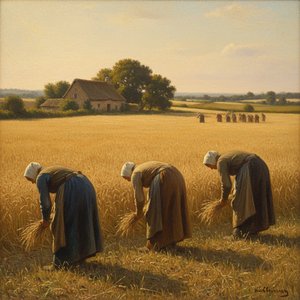
Golden Fields & Rustic Souls: Exploring the Timeless Art of Jean-François Millet
Discover the profound beauty of Jean-François Millet’s masterpieces. Explore the soul of the Barbizon School through an expert lens, celebrating the dignity of rural life and the timeless legacy of Realism in fine art history.