

 实景预览
实景预览
 发送
发送 分享
分享
 详情
详情 指南
指南

 下载图片
下载图片
 相似作品
相似作品 X射线
X射线 幻灯片播放
幻灯片播放 统计数据
统计数据Window Opening on Nice


 阅读全文
阅读全文
艺术微喷/版画
博物馆级艺术微喷或帆布版画,制作高效,并提供多种饰面选择。 ( 订购此收藏品的纯手工复刻画作 切换至数字图像销售渠道)




P118B ¥10

P118H ¥10

P118W ¥10

P438Z ¥10

P508JH ¥12

P508YH ¥12

P805H ¥10

P805Z ¥10

P919BZ ¥10

P919G ¥10

P919XJ ¥10

P959ZH ¥10

P968JZ ¥12

W106C ¥8

W218G ¥10

W218JH ¥8

W218Y ¥10

W307PJ ¥10

W316G ¥10

W316PJ ¥8

W316Y ¥10

W398PJ ¥8

W4111J ¥10

W500HY ¥15

W500JH ¥15

W692G ¥12

W849H ¥8

W940BG ¥15

W953PJ ¥8




您可以从与原作比例一致的预设尺寸中进行选择。

请输入您所需的宽度和高度,以适配您的画框或墙面。由于印刷品只能进行裁剪,无法超出原图尺寸,因此若比例不一致,画面的一部分将会被裁切。在正式印刷之前,我们会为您发送一份数字效果图供您确认。本页面显示的图片并非最终裁剪后的效果——只有效果图才能展示真实的裁剪情况。


 玻璃选项仅适用于110厘米以下的尺寸。

Window Opening on Nice
艺术微喷/版画
复刻品尺寸说明
-


总计金额
¥ 538
A Portal to Serenity: The Luminous World of Jean Dufy
In the quiet intimacy of a hotel room in Nice, Jean Dufy captures far more than a mere architectural detail; he invites us into a state of mind. Window Opening on Nice serves as a breathtaking threshold between the private sanctuary of an interior space and the boundless, sun-drenched expanse of the French Riviera. The composition is anchored by a large, vibrant blue window framed in crisp white trim, acting as a literal and metaphorical frame for the soul. Through this aperture, the viewer’s gaze is pulled irresistibly toward the shimmering ocean, where the horizon dissolves into a dream of summer. It is a painting that does not merely depict a view, but actively stirs the deep-seated human desire for travel, escape, and the pursuit of light.
The interior of the room is a masterclass in cozy, lived-in elegance. Dufy populates the scene with an array of furniture—sturdy chairs positioned near the window and a central dining table—that suggests a moment of pause in a busy life. Scattered throughout the composition are books, resting on surfaces and tucked near the window, hinting at a life of intellectual leisure and quiet contemplation. This arrangement creates a sense of "domestic wanderlust," where the comfort of the indoors meets the wild, rhythmic call of the sea. For the interior designer or collector, this piece offers a profound sense of depth, bringing the restorative energy of the Mediterranean coast into any room it inhabits.
Technically, the work reflects Dufy’s profound connection to the Fauvist movement, a style ignited by his early encounter with the works of Henri Matisse. The painting breathes through its use of color and light; the blues are not merely pigments but are infused with the clarity of the southern French sky. His brushwork, while maintaining structure, possesses an expressive fluidity that allows the atmosphere to feel palpable. There is a rhythmic quality to how the light hits the white trim and the scattered books, creating a visual melody that guides the eye from the foreground's tactile details to the distant, hazy blue of the coast.
Beyond its aesthetic brilliance, Window Opening on Nice carries a symbolic weight of peace and optimism. In an era where the world can feel increasingly fragmented, Dufy’s ability to find joy in the ephemeral—the way light hits a tabletop or the view from an open window—is a gift to the viewer. It is a piece that celebrates the beauty of the everyday and the restorative power of nature. Owning a reproduction of this masterpiece means more than decorating a wall; it means installing a permanent window to tranquility, a constant reminder that even within our most private spaces, the infinite horizon is always within reach.
问答详情
“Window Opening on Nice”整体色调是偏明亮还是偏暗?
Jean Dufy 的《Window Opening on Nice》 的记录数值为:亮度 bright,亮度感 Gentle Luminance。
在 Jean Dufy 的《Window Opening on Nice》 中,艺术流派与时代背景是如何交汇的?
Jean Dufy 的《Window Opening on Nice》 属于 Fauvism 流派,创作于其作者的 Modern 时期。
Jean Dufy 的《Window Opening on Nice》 描绘了怎样的场景,又传达了怎样的意境?
"Window Opening on Nice" 展示了 nice, ocean view, window, french riviera, interior, coastal scene, summer, travel,其传达的情绪为 Serene。
艺术家简介
A Life Immersed in Light: The World of Jean Dufy
Jean Dufy, born in Le Havre in 1888, wasn’t merely a painter; he was a chronicler of joy, a celebrator of the ephemeral beauty found in everyday life. Coming from a large and artistically inclined family – his brother Raoul being the more renowned Fauvist painter – Jean initially pursued a conventional path as a clerk, but the allure of color proved too strong to resist. A pivotal moment arrived in 1906 when he encountered Henri Matisse’s *Fenêtre ouverte à Collioure* at an exhibition, igniting within him a passion for vibrant hues and expressive brushwork that would define his artistic journey. This early exposure wasn't simply imitation; it was the spark that set Dufy on a course to develop a uniquely personal vision. He began selling paintings in 1907, demonstrating an immediate connection with collectors who recognized the burgeoning talent within him.From Military Service to Parisian Society
The outbreak of World War I interrupted Dufy’s artistic momentum, forcing him into military service as an ambulance driver and later a cyclist in the artillery. Despite the grim realities of war, he continued to sketch, documenting his experiences and honing his observational skills. This period, though challenging, proved formative, instilling within him a deeper appreciation for life's fragility and the importance of capturing fleeting moments. Upon returning to Paris after the conflict, Dufy fully immersed himself in the artistic milieu of Montmartre, forging connections with prominent figures like André Derain, Georges Braque, and Pablo Picasso. His first exhibition of watercolors in 1914 marked a significant step forward, gaining him recognition within the Parisian art world. The 1920s saw Dufy’s style mature, characterized by dynamic compositions and a focus on scenes of contemporary life – bustling music halls, lively circuses, and exhilarating horse races.The Fauvist Spirit & Beyond
While often associated with Fauvism due to his brother Raoul's prominence in the movement, Jean Dufy carved out his own distinct artistic identity. He embraced the bold color palettes and expressive freedom of the Fauves but tempered them with a more decorative sensibility and a penchant for capturing the energy of modern Parisian society. His paintings weren’t simply representations of scenes; they were celebrations of life's pleasures – the thrill of the racecourse, the spectacle of the circus, the vibrant atmosphere of a cabaret show. Dufy wasn’t afraid to experiment with different styles, briefly exploring Cubism before settling into his signature stenographic technique: rapid, thin color washes applied over skeletal structures, creating a sense of movement and immediacy. This unique approach allowed him to capture the fleeting essence of his subjects with remarkable skill.A Versatile Artist: Porcelain & Public Commissions
Dufy’s artistic talents extended beyond painting. For three decades, he collaborated with Theodore Haviland in Limoges, designing exquisite porcelain patterns featuring floral motifs and charming animal scenes. This work demonstrates his versatility and his ability to translate his aesthetic sensibility into different mediums. In 1936, Dufy was commissioned, alongside his brother Raoul, to create a mural for the Palais de la Lumière et de l’Electricité at the 1937 International Exposition in Paris. Though he dedicated a year to the project, his contribution wasn't fully acknowledged by Raoul upon completion – a poignant reminder of the complexities within their sibling rivalry and artistic partnership. Despite this setback, Dufy continued to exhibit widely, with shows in New York in 1930 and 1938 further solidifying his international reputation.Legacy & Historical Significance
Jean Dufy’s work offers a captivating glimpse into the vibrant world of interwar France. His paintings are not grand historical statements but intimate celebrations of everyday life, imbued with a sense of joy, energy, and optimism. He captured the spirit of the Roaring Twenties and the Belle Époque with remarkable skill, creating images that continue to resonate with audiences today. While overshadowed by his brother Raoul in some respects, Jean Dufy’s unique artistic voice and versatile talents deserve recognition. His legacy lies in his ability to transform ordinary moments into extraordinary works of art, reminding us to appreciate the beauty and fleeting pleasures of life. He stands as a testament to the power of color, movement, and personal expression within the rich tapestry of 20th-century French painting.
Jean Dufy
1888 - 1964
快速概览
- Full Name: Vincent Willem van Gogh
- Nationality: Dutch
- Date Of Birth: 1888
- Date Of Death: 1964
- Place Of Birth: Ghent, Belgium
- Notable Artworks:
- Sunflowers
- Bedroom in Arles
- The Starry Night
- Wheatfield with Crows
- Artistic Movement Or Style: Post-Impressionism
- Artists Who Influenced This Artist:
- Eugène Delacroix
- Edgar Degas
- Paul Gauguin
- Artists Or Movements Influenced By This Artist:
- Expressionism
- Modern art
相关文章
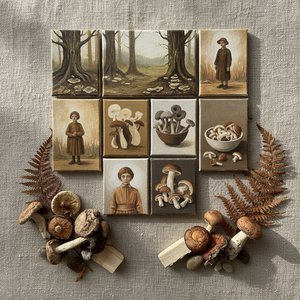
Earthy Hues & Masterpieces: Top 10 Paintings with 'Mushroom' Tones |
Explore 10 iconic paintings with captivating 'mushroom' tones! Discover Van Gogh, Monet & Rembrandt’s masterpieces—earthy palettes, rich history & artistic techniques. Find museum-quality art reproductions and curated decor ideas at
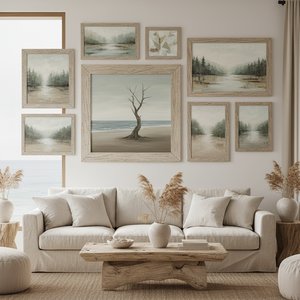
Driftwood Tones: 10 Master Paintings for Serene Home Decor |
Find serenity with 10 famous paintings embracing 'driftwood' tones. Explore Monet, Renoir & Van Gogh’s masterpieces – Impressionism, landscapes & calming palettes. Museum-quality art reproductions at . Discover all masterpieces online!
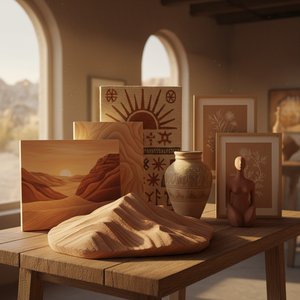
Sandstone & Sunlight: 10 Masterpieces of Earth-Toned Art |
Journey through 10 iconic paintings bathed in 'sand' tones – from Van Gogh to Monet. Explore the stories, techniques & warm palettes of these timeless masterpieces. Find museum-quality art reproductions at and bring classic beauty home.

Slate Blue Masterpieces: 10 Iconic Paintings & Timeless Home Decor Ideas
Immerse yourself in the captivating world of slate blue! Explore 10 iconic paintings by Monet, Van Gogh & Renoir. Discover their stories, techniques & find museum-quality art reproductions for your home at .
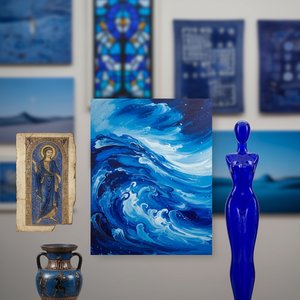
The Allure of Azure: Exploring the Symbolic & Aesthetic Depths of Blue in Art History
Explore the rich history of blue in art! Discover its symbolism, from ancient pigments to modern masterpieces by Kandinsky & Seurat. Uncover the psychological impact and cultural meanings behind this captivating hue.