

 分享
分享 分享
分享
 详情
详情

 下载
下载
 相似作品
相似作品 幻灯片播放
幻灯片播放 统计数据
统计数据Mercury


 展开详情
展开详情
艺术微喷/版画
博物馆级艺术微喷或帆布版画,制作高效,并提供多种饰面选择。 ( 购买手绘画作 切换至数字图像销售渠道)




































从与原作比例一致的预设尺寸中进行选择。

您可以输入自定义尺寸,以适配特定的画框或空间。如果您选择的尺寸与原图比例不符,我们将对作品进行裁剪,或通过镜像填充/纯色填充边缘的方式来扩展图像。在开始制作之前,我们会向您发送一份数字效果图供您确认。
请注意,屏幕上的预览并不能反映实际的裁剪或扩展效果。只有效果图才能准确展示最终的构图。
虽然我们提供定制尺寸,但为了保持原图比例,我们建议您从预设列表中选择尺寸。


 玻璃选项仅适用于110厘米以下的尺寸。

Mercury
艺术微喷/版画
复制品尺寸
-


最终总价
$ 80
The Divine Messenger in Marble: A Masterpiece of Neoclassical Grace
In the quiet stillness of polished marble, Jean-Baptiste Pigalle captures a moment of profound transition. His 1744 masterpiece, Mercury Attaching his Winged Sandals, is far more than a mere depiction of a mythological deity; it is a breathtaking embodiment of an era caught between the dramatic flourishes of the Baroque and the disciplined clarity of Neoclassicism. As the swift messenger of the gods, Mercury—or Hermes to the Greeks—is frozen in a gesture of earthly preparation. The sculpture portrays the god meticulously securing a strap of his sandal, a seemingly mundane act that serves as a brilliant juxtaposition to his divine, celestial nature. This delicate balance between the practical and the profound is what makes Pigalle’s work an enduring icon of artistic achievement.
The technical virtuosity displayed in this work is nothing short of extraordinary. Pigalle, a sculptor who mastered the language of anatomy, uses the luminous, smooth surface of the marble to breathe life into the divine form. One can almost feel the tension in the musculature and the fluid energy contained within the stone. The light plays across the polished contours of Mercury’s body, highlighting the anatomical precision that was the hallmark of his training at the Royal Academy. Despite the inherent stillness of the medium, there is a palpable sense of dynamic movement; the way the hair appears windblown and the subtle, youthful smile on his lips suggest a figure poised to take flight at any second. For the discerning collector or interior designer, such a piece offers a sophisticated focal point that commands attention through its elegance rather than through sheer volume.
Symbolism and the Spirit of an Age
Beyond its physical beauty, the sculpture is steeped in the intellectual fervor of the mid-18th century. During this period, the influence of Enlightenment thinkers like Voltaire encouraged a shift toward rationalism, clarity, and a renewed reverence for the moral strength of Greco-Roman antiquity. The winged sandals themselves are potent symbols, representing not only the physical speed of the messenger but also the spiritual pilgrimage and the boundless journeys of the human soul. Every element, from the weight of the petasos (the traveler's hat) to the intricate straps of the footwear, speaks to a period that sought to find perfection in balance and reason.
To possess or display a reproduction of this work is to invite a sense of classical stability and intellectual depth into a space. It serves as a bridge between worlds—connecting the modern viewer to the ancient myths that shaped Western civilization. Whether placed in a sunlit gallery, a refined study, or a grand living area, Pigalle’s Mercury radiates an aura of timelessness. It is a piece that does not merely decorate a room; it elevates the very atmosphere, offering a window into a moment of historical perfection where art, myth, and human intellect converged in a single, magnificent strike of the chisel.
艺术家简介
跨越时代的桥梁:让-巴蒂斯特·皮加勒的雕塑传奇
1714年出生于法国图尔尼的让-巴蒂斯特·皮加勒,是艺术史上一个至关重要的转折人物,他巧妙地连接了巴洛克艺术那充满生命力的戏剧性与新古典主义初露端倪的清晰感。他的生命历程伴随着艺术品味的变迁而展开,其作品也完美地体现了这一演进过程。起初,由于父亲是一名木匠,年轻的皮加勒并不被鼓励从事艺术之路,但他天生的才华被一位名叫格龙登的里昂艺术家所发掘,后者成功为他争取到了正式接受训练的机会。这段师徒情谊成为了他职业生涯的关键基石,使他能够游刃有余地应对法国艺术界的复杂局势,并最终在雕塑史上留下不可磨灭的印记。在移居巴黎之前,他在里昂磨炼技艺,随后全身心地投入到皇家学院对真人模型的研习中——尽管早期的作品并未获得一致赞誉,但这恰恰预示了他日后那定义其艺术轨迹的独立精神。初露锋芒与意大利游学
皮加勒最初的成名作包括《向孩子们讲解圣经的父亲》以及《受骗的盲人》,这些作品展现了他对人类情感与叙事深邃的洞察力。在影响力巨大的鉴赏家拉·利夫·德·朱利的支持下,他的事业进一步腾飞,并于1755年凭借作品《受骗的盲人》成功进入学院。然而,随路易·古热诺修道士前往意大利的一段学习经历,却在某种程度上干扰了他的艺术发展。尽管此次游学旨在拓宽视野,但意大利的影响力似乎让他偏离了原本自然的风格倾向,导致他一度背离了那些后来成为其成熟期作品标志性的独特表现力。这段经历最终化作了一堂宝贵的课,强化了他坚守自身艺术愿景的重要性。创作巅峰与争议中的认可
1759年至1765年间是皮加勒创作产出的鼎盛时期。在此期间,他创作了多件传世名作,其中包括令人心碎地描绘哀恸的《为死去的鸟儿哭泣的少女》;体现母性美德的《好母亲》;以及现藏于卢浮宫、有力传达道德与因果主题的《受罚的坏儿子》与《父亲的诅咒》。然而,他的野心并未止步于雕塑领域。皮加勒曾渴望被认可为历史画家,并向学院提交了《塞维鲁与卡拉卡拉》以供评选。这一尝试遭到了严厉的批评,引发了一场公开争论,甚至招致了哲学家丹尼斯·狄德罗的愤怒,后者对皮加勒辩解式的回应进行了著名的谴责。这场争议深刻揭示了艺术家在试图超越传统边界、在僵化的法国艺术体制内开辟新径时所面临的重重挑战。肖像、寓言与纪念碑式雕塑的大师
皮加勒在多种雕塑形式中都展现出了卓越的造诣。他以极具穿透力的肖像雕塑闻名遐迩,精准地捕捉到了重要人物的神态——甚至是性格,例如伏尔泰的雕像,因其对哲学家不寻常的裸体描绘而引发了巨大的社会丑闻。同时,他在寓言雕塑方面也展现了非凡的天赋,为蓬帕杜夫人创作的作品巧妙地将神话题材与理想化的美感融为一体。除了这些细腻的艺术形式,皮加勒在纪念碑式雕塑上也表现得游刃有余,他为阿卡尔公爵和萨克斯元帅打造了情感共鸣深厚的陵墓,这些宏伟的作品成为了他创造永恒纪念碑能力的有力证明。随着时间的推移,他的风格不断演变,将巴洛克的动态能量与新古典主义的清晰秩序无缝融合,其作品因对细节的严谨追求、富有表现力的姿态以及对人体解剖结构的精湛刻画而备受赞誉。永恒的艺术遗产
作为连接两个截然不同艺术时代的过渡人物,让-巴蒂斯特·皮加勒在法国雕塑史上占据着举足轻重的地位。他的作品深刻影响了后世的雕塑家,在为新古典主义美学的发展做出重要贡献的同时,又保留了根植于巴洛克感性的独特表现力。尽管其职业生涯充满了挑战与争议,但皮加勒留下了丰厚的艺术遗产,其艺术造诣与历史价值至今仍令人钦佩。或许对他名字最持久的见证莫过于巴黎的“皮加勒”区——这个充满活力的街区永远地与这位卓越雕塑家的传奇联系在一起。他捕捉形体神韵与情感深度的能力,确保了他作为法国艺术大师的永恒地位。
让-巴蒂斯特·皮加勒
1725 - 1805 , 法国
艺术家简介
- Artistic Movement Or Style: 巴洛克与新古典主义
- Artists Or Movements Influenced By This Artist: 新古典主义雕塑家
- Date Of Birth: 1725年
- Date Of Death: 1805年
- Full Name: 让-巴蒂斯特·皮加勒
- Nationality: 法国
- Notable Artworks:
- 托马斯-艾涅·德弗里什
- 化身为女神的蓬帕杜夫人
- 秋天
- 伏尔泰(裸体雕像)
- Place Of Birth: 法国,图尔努
相关文章

The Enduring Form: Exploring Themes & Techniques in Sculpture Across Historical Periods
Explore the rich history of sculpture from ancient masterpieces to contemporary innovations. Discover key techniques, influential artists & investment potential for discerning art collectors.

The Enduring Allure of Marble in Art History: From Classical Sculpture to Modern Abstraction
Explore the captivating history of marble sculpture from ancient Greece to modern art. Discover renowned artists like Canova & Michelangelo, carving techniques, and investment insights at OriginalUniqueArt.

Bronze Age to Modern Masters: 10 Sculptures That Redefined Art | OriginalUniqueArt
Journey through art history with 10 legendary bronze sculptures – from Michelangelo's David to Rodin’s Thinker. Explore the stories, techniques & timeless beauty of these masterpieces. Find museum-quality reproductions & elevate your home decor on OriginalUniqueArt.com.
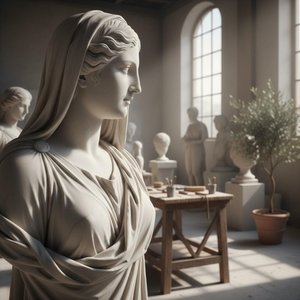
Timeless Elegance: A Complete Guide to the Sublime Beauty and Artistry of Marble Sculpture
Discover the sublime beauty of marble art through an expert exploration of Renaissance and Neoclassical masterpieces. From the delicate textures of Carpeaux to the grandeur of Sansovino, immerse yourself in a guide to timeless elegance and sculptural perfection.

Bronze Sculptures That Defined Art History | OriginalUniqueArt
Journey through art history with our Top 10 bronze sculptures! Explore masterpieces by Rodin, Michelangelo & more. Discover stories behind iconic statues and find museum-quality reproductions for your home decor at OriginalUniqueArt.com.