

 效果预览
效果预览
 分享
分享 分享
分享
 详情
详情

 下载
下载
 相似作品
相似作品 X射线
X射线 幻灯片播放
幻灯片播放 统计数据
统计数据The Boudoir
 Oil On Canvas
- WallArt
- Rococo
 1733
1733 32.0 x 40.0 cm
 威廉斯收藏馆
 展开详情
展开详情
艺术微喷/版画
博物馆级艺术微喷或帆布版画,制作高效,并提供多种饰面选择。 ( 购买手绘画作 切换至数字图像销售渠道)




P118B $10

P118H $10

P118W $10

P438Z $10

P508JH $12

P508YH $12

P805H $10

P805Z $10

P919BZ $10

P919G $10

P919XJ $10

P959ZH $10

P968JZ $12

W106C $8

W218G $10

W218JH $8

W218Y $10

W307PJ $10

W316G $10

W316PJ $8

W316Y $10

W398PJ $8

W4111J $10

W500HY $15

W500JH $15

W692G $12

W849H $8

W940BG $15

W953PJ $8




从与原作比例一致的预设尺寸中进行选择。

您可以输入自定义尺寸,以适配特定的画框或空间。如果您选择的尺寸与原图比例不符,我们将对作品进行裁剪,或通过镜像填充/纯色填充边缘的方式来扩展图像。在开始制作之前,我们会向您发送一份数字效果图供您确认。
请注意,屏幕上的预览并不能反映实际的裁剪或扩展效果。只有效果图才能准确展示最终的构图。
虽然我们提供定制尺寸,但为了保持原图比例,我们建议您从预设列表中选择尺寸。


 玻璃选项仅适用于110厘米以下的尺寸。

The Boudoir
艺术微喷/版画
复制品尺寸
-


最终总价
$ 80
A Moment of Intimacy: Jean-Baptiste Pater’s “The Boudoir”
Jean-Baptiste Pater's "The Boudoir," painted in 1733, is more than just a portrait; it’s a carefully constructed tableau of aristocratic leisure and subtle emotional resonance. Captured during the height of the Rococo period in France, this intimate scene offers a glimpse into the private world of a wealthy woman, inviting us to contemplate her repose and the delicate balance of power within that space. Pater, a singular pupil of Antoine Watteau – a relationship marked by both admiration and professional friction – masterfully employs the hallmarks of his teacher’s style while imbuing the work with a uniquely personal touch.
The painting depicts a woman lying gracefully on a bed in what is clearly a boudoir, a room designed for private contemplation and feminine pursuits. She appears to be resting or perhaps lost in thought, her posture relaxed yet dignified. The setting itself speaks volumes – a plush couch positioned near the bed suggests comfortable intimacy, while a smaller sofa further back hints at a space capable of hosting discreet gatherings. A chair, strategically placed near the left edge, adds to the sense of quiet domesticity. A bowl sits on a nearby surface, suggesting a moment of refreshment or simply a decorative element contributing to the room’s refined atmosphere.
The Rococo Palette and Pater's Signature Style
Pater’s masterful technique is immediately evident in his use of color and line. The palette is rich and luminous, characteristic of the Rococo style – pastel pinks, soft blues, and creamy yellows dominate, creating a sense of ethereal beauty. However, Pater departs subtly from Watteau's more overtly playful approach. He employs a delicate, shimmering quality to the lines, particularly in the drapery and the woman’s hair, giving the scene an almost dreamlike quality. This technique, anticipating later developments in Impressionism, is one of Pater’s most distinctive features and sets his work apart.
The composition itself is carefully balanced, with a sense of spatial depth achieved through subtle variations in tone and detail. The figures are rendered with remarkable precision, yet retain an air of spontaneity. Notice the way Pater uses light to sculpt the forms, creating a soft, diffused glow that enhances the feeling of intimacy and tranquility. The inclusion of the attentive figure standing near the bed is particularly noteworthy; he’s not merely a spectator but a participant in this private moment, adding another layer of complexity to the scene.
Symbolism and the Language of Leisure
“The Boudoir” is replete with symbolic details that speak to the social conventions and values of 18th-century French aristocracy. The boudoir itself represents a space of female autonomy, a refuge from the demands of public life. The woman’s repose suggests a cultivated sense of self-possession and an appreciation for beauty and refinement. The presence of the attentive figure hints at the importance of male companionship within this sphere – a subtle reminder that even in moments of private indulgence, social connections remained paramount.
Furthermore, the scene embodies the *fête galante*, a popular Rococo motif depicting idyllic gatherings in natural settings. While not explicitly outdoors, “The Boudoir” captures the spirit of this genre by evoking a sense of serenity and leisure. The room is transformed into a miniature paradise, a space where beauty, comfort, and companionship converge.
A Legacy of Elegance: Pater’s Enduring Appeal
Jean-Baptiste Pater's “The Boudoir” remains a captivating work of art due to its exquisite craftsmanship, evocative atmosphere, and subtle emotional depth. It offers a rare glimpse into the private world of 18th-century French aristocracy, revealing both their social conventions and their appreciation for beauty and refinement. Pater’s legacy lies not only in his technical skill but also in his ability to capture the essence of human experience – the quiet moments of contemplation, intimacy, and connection that define our lives.
艺术家简介
让-巴蒂斯特·帕特:华托唯一的传人
让-巴蒂斯特·帕特(1695年12月29日 – 1736年7月25日)在法国洛可可艺术的史册中占据着一个独特而不可磨灭的地位——他是安托万·华托唯一有据可查的学生,而华托无疑是这一运动中最负盛名的艺术家。帕特出生于法国瓦朗谢讷,他的艺术之旅始于其雕塑家父亲安托万·帕特的教导,这段早期的经历培养了他对形态与工艺的敏锐感知,并为他日后的艺术创作奠定了坚实基础。然而,真正从根本上塑造了帕特艺术视野的却是华托。两人之间建立了一种交织着崇拜与摩擦的关系——正是这种充满张力的互动,最终孕育出了这位时代最具影响力的画家之一。- 早期的磨炼与启蒙: 帕特的成长岁月是在父亲安托万·帕特的指导下度过的,他在雕塑的基础原则中汲取养分,随后又跟随让-巴蒂斯特·吉德进行艺术研修。这段扎实的训练在后来变得至关重要,当他于1713年前往巴黎追随华托学习时,这位前辈艺术家那标志性的风格——以细腻的柔和色调和空灵闪烁的线条为特征——瞬间俘获了年轻帕特的心。
- 与华托的精神纽带: 华托的影响力远不止于风格上的模仿,它更渗透进了帕特的艺术构思之中。尽管华托以性格难以捉摸而闻名,但帕特敏锐地捕捉到了大师对氛围与情感的深刻理解,并在自己的作品中孜孜不倦地追求这种境界。两位艺术家之间短暂的合作,使华托的艺术遗产成为了指引帕特创作的精神灯塔。
- 洛可可风格与技法: 帕特的艺术风格堪称洛可可美学的缩影——那是一种对优雅、轻快与感官愉悦的颂歌。他运用精湛的技艺,将传统的粉彩色调与极其精准的闪烁线条融为一体。这种独特的表现手法甚至预示了后来弗朗切斯科·瓜迪对大气透视法的探索,充分展现了帕特敏锐的观察力与创新精神。
传世杰作与艺术赞助
帕特的创作重心主要集中在“雅宴画”(fête galantes)上,这类作品描绘了贵族在花园或风景中举行的田园诗般的聚会——这一流派由华托开创,并由帕特本人推向了极致。他最负盛名的画布作品包括《雅致的谈话》,这幅画作以柔和的光线沐浴着精致的社交场景,捕捉到了洛可可艺术对美与优雅近乎痴迷的追求。另一件重要的成就则是《有马车的风景》,它展示了帕特传达纹理与色彩细微差别的卓越能力,这件作品也被认为预示了瓜迪在透视法上的突破性应用。- 腓特烈大帝: 帕特通过为普鲁士国王腓特烈二世创作肖像画而声名鹊起,特别是《后宫中的苏丹》与《花园中的苏丹》。这些肖像画充分体现了帕特在描绘皇室尊严以及捕捉人物心理复杂性方面的深厚功底,确立了他作为皇家艺术家的崇高地位。
- 博物馆馆藏: 帕特的绘画作品现存于世界各地的顶尖艺术机构中,包括巴黎卢浮宫博物馆和瓦朗谢讷美术馆,这些珍贵的收藏见证了其作品经久不衰的艺术价值与历史意义。
艺术遗产与史学地位
让-巴蒂斯特·帕特对法国洛可可艺术的贡献是不容置疑的。作为捕捉时代精神的关键人物,他在承袭华托风格创新的同时,也锻造出了属于自己的独特艺术语言。他那严谨的技法与充满感染力的构图,至今仍令艺术史学家与艺术爱好者们心生敬畏——这正是帕特作为18世纪法国最杰出画家之一,其艺术生命力长存的明证。若想更深入地了解帕特的生平与作品,欢迎访问 OriginalUniqueArt 或探索瓦朗谢讷美术馆官网。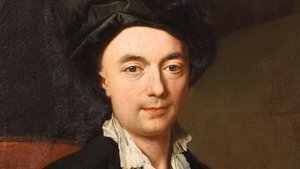
让-巴蒂斯特·帕特
1695 - 1736 , 法国
艺术家简介
- Artistic Movement Or Style: 洛可可粉彩调色板
- Artists Or Movements Influenced By This Artist: ['弗朗切斯科·瓜尔迪']
- Artists Who Influenced This Artist: ['安托万·华托']
- Date Of Birth: 1695年12月29日
- Date Of Death: 1736年7月25日
- Full Name: 让-巴蒂斯特·帕特
- Nationality: 法国
- Notable Artworks:
- 雅致的谈话
- 有马车的风景
- 舞会的乐趣
- Place Of Birth: 法国瓦朗谢讷
相关文章

The Allure of Elegance in Art: A Historical & Aesthetic Exploration of Refinement & Grace
Explore the exquisite world of Rococo art! Discover its history, masters (Watteau, Boucher & more), and defining elegance. Expert insights for collectors seeking museum-quality reproductions & custom portraits.

洛可可艺术史诗:十幅名作定义优雅与华彩
探索洛可可艺术的辉煌!本文精选十幅名作,从华丽色彩到精致细节,揭秘法国洛可可风格的魅力。跟随大师们的足迹,感受艺术史上的优雅与浪漫。OriginalUniqueArt.com为您提供博物馆品质的艺术复制品和个性化家居装饰方案。尽在OriginalUniqueArt.com!

洛可可美学:18世纪艺术中的奢华、反叛与愉悦追求
深入探索18世纪洛可可艺术的奢华与反叛。了解其风格特征、代表画家及其作品,以及对后世艺术的影响。OriginalUniqueArt提供精美手绘油画复制品和专业艺术咨询服务。

Illuminating the Enlightenment: A Comprehensive Exploration of 18th-Century Painting
Explore the captivating world of 18th-century painting! Discover Rococo's playful elegance & Neoclassicism’s Enlightenment ideals with expert insights into Fragonard, David, and more. A comprehensive guide for art enthusiasts.
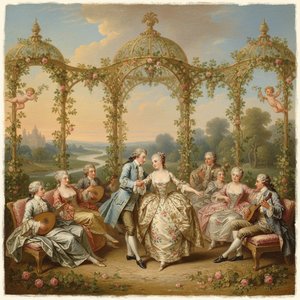
Jean-Baptiste Pater: Rococo Charm & Ephemeral Beauty of 18th-Century France
Explore the captivating world of Jean-Baptiste Pater, a master of Rococo painting. Discover his elegant *fête galante* scenes and shimmering portraits – a glimpse into 18th-century French aristocracy. Learn about his legacy & find high-quality reproductions.