

 实景预览
实景预览
 发送
发送 分享
分享
 详情
详情 指南
指南

 下载图片
下载图片
 相似作品
相似作品 X射线
X射线 幻灯片播放
幻灯片播放 统计数据
统计数据The Broken Mirror
 Acrylic On Canvas
- WallArt
- Rococo Sentimentality
 1763
1763 56.0 x 46.0 cm
 威廉斯收藏馆
 阅读全文
阅读全文
艺术微喷/版画
博物馆级艺术微喷或帆布版画,制作高效,并提供多种饰面选择。 ( 订购此收藏品的纯手工复刻画作 切换至数字图像销售渠道)




P118B ¥10

P118H ¥10

P118W ¥10

P438Z ¥10

P508JH ¥12

P508YH ¥12

P805H ¥10

P805Z ¥10

P919BZ ¥10

P919G ¥10

P919XJ ¥10

P959ZH ¥10

P968JZ ¥12

W106C ¥8

W218G ¥10

W218JH ¥8

W218Y ¥10

W307PJ ¥10

W316G ¥10

W316PJ ¥8

W316Y ¥10

W398PJ ¥8

W4111J ¥10

W500HY ¥15

W500JH ¥15

W692G ¥12

W849H ¥8

W940BG ¥15

W953PJ ¥8




您可以从与原作比例一致的预设尺寸中进行选择。

请输入您所需的宽度和高度,以适配您的画框或墙面。由于印刷品只能进行裁剪,无法超出原图尺寸,因此若比例不一致,画面的一部分将会被裁切。在正式印刷之前,我们会为您发送一份数字效果图供您确认。本页面显示的图片并非最终裁剪后的效果——只有效果图才能展示真实的裁剪情况。


 玻璃选项仅适用于110厘米以下的尺寸。

The Broken Mirror
艺术微喷/版画
复刻品尺寸说明
-


总计金额
¥ 538
Jean-Baptiste Greuze’s “The Broken Mirror”: A Window into Sentiment and Rupture
Jean-Baptiste Greuze's "The Broken Mirror," painted around 1763, is not merely a depiction of shattered glass; it’s a profound exploration of moral consequence, societal expectations, and the devastating impact of transgression. This intimate genre scene, now residing within The Wallace Collection in London, offers a glimpse into the burgeoning sentimentalism that defined late 18th-century French art – an era obsessed with capturing raw emotion and exposing the vulnerabilities of human nature. Greuze, a master of eliciting pathos, doesn’t simply show us a broken mirror; he forces us to confront the shattered reputation and emotional wreckage it represents.
A Portrait of Moral Decay
The painting immediately draws the viewer in with its intensely focused composition. A young woman, dressed in a simple yet elegant gown, kneels before a large, ornate mirror. The reflection is fractured – not by an external force, but by her own actions. Her posture conveys profound regret and shame; her hands are clasped tightly together as if attempting to contain the damage she has wrought. The details surrounding her—a discarded shawl, a partially opened door—suggest a hasty departure and a desperate attempt to conceal her guilt. Greuze’s masterful use of light and shadow further emphasizes this sense of concealment and vulnerability, highlighting the woman's face and drawing attention to the broken reflection.
Technique and Sentiment: The Language of Emotion
Greuze’s technique is characterized by its remarkable realism combined with an almost theatrical intensity. He employed a direct painting method, working directly from life – a practice uncommon for artists of his time. This approach allowed him to capture the subtle nuances of human expression with astonishing accuracy. His brushstrokes are visible and deliberate, contributing to the overall sense of immediacy and emotional weight. The palette is muted, dominated by browns, grays, and creams, reflecting the somber mood of the scene. Crucially, Greuze’s skill lay not just in depicting reality but in imbuing it with a potent emotional charge – a hallmark of the sentimental style he championed.
Symbolism and the Shattered Ideal
The broken mirror itself is laden with symbolic meaning. Mirrors, throughout Western art history, have often represented vanity, self-reflection, and the illusion of perfection. In “The Broken Mirror,” however, this symbolism takes on a darker hue. The shattered reflection signifies not just a physical breakage but also the destruction of innocence, reputation, and perhaps even a future. The woman’s act – implied but not explicitly stated – likely involved a breach of societal norms or a betrayal of trust. It's a potent reminder that actions have consequences, and that even seemingly small transgressions can lead to irreversible damage.
A Legacy of Emotional Resonance
“The Broken Mirror” remains a powerful testament to Greuze’s ability to capture the complexities of human emotion. It's a scene that lingers in the mind long after viewing, prompting reflection on themes of morality, shame, and the fragility of reputation. Reproductions of this work continue to resonate with audiences today, offering a poignant reminder of the enduring power of art to explore the darker corners of the human experience. Its placement within The Wallace Collection underscores its significance as a pivotal piece in the development of French genre painting and a window into the sensibilities of a transformative era.
问答详情
格雷兹 (Gé Lè Zī) 的《The Broken Mirror》 的创作年代与艺术风格是什么?
"The Broken Mirror"创作于1763年,属于Rococo Sentimentality运动时期的作品。其创作年代与艺术流派确立了该作品在艺术史上的地位。
格雷兹 (Gé Lè Zī) 的《The Broken Mirror》 的视觉明亮度如何?
格雷兹 (Gé Lè Zī) 的《The Broken Mirror》 的视觉亮度为 shadow。它可以与目标空间的灯光完美匹配。
我可以在全屏幻灯片模式下观看“The Broken Mirror”吗?
您可以在作品的 幻灯片播放 页面上以幻灯片形式浏览 格雷兹 (Gé Lè Zī) 的《The Broken Mirror》。
艺术家简介
A Life Etched in Sentiment: The World of Jean-Baptiste Greuze
诞生于宁静的勃艮第小镇图尔努(Tournus)的让·巴蒂斯特·格雷兹(Jean-Baptiste Greuze),在十八世纪的法国艺术界崭露头角。他的故事充满了非凡的崛起,源于他天生捕捉人类情感的能力以及对当时新兴感性品味的敏锐理解。起初,他的屋顶工父亲不鼓励他追求艺术事业,但年轻的格雷兹从里昂艺术家格兰东(Grandon)那里获得了早期的支持,格兰东发现了需要培养的火花。这段师徒关系至关重要,促使他先在里昂学习,然后关键地进入巴黎著名的皇家学院,师从查尔斯-约瑟夫·纳托瓦尔(Charles-Joseph Natoire)。正是在这些神圣的大厅里,格雷兹开始磨练他的技能,但他经常开辟自己的道路,偏离了学院强调历史和神话主题的主流。The Rise of a Genre Painter
格雷兹的突破出现在1755年,作品是《父亲向孩子们解释圣经》(Le Père de famille expliquant la Bible à ses enfants)。这不仅仅是对家庭生活的描绘;它体现了启蒙运动的理想,展现了家庭虔诚和道德教诲。这幅画作引起了当代观众的强烈共鸣,捕捉到了一种日益盛行的资产阶级美德精神。被敏锐的收藏家昂热-洛朗·德·拉利夫·德·朱伊(Ange-Laurent de La Live de Jully)收购后,它将格雷兹推向了名声。他随后创作了更多流派场景——对日常生活的亲密一瞥,蕴含着深刻的情感和道德内涵。1755年,他与阿贝·古热诺(Abbé Gougenot)一起前往意大利旅行,拓宽了他的艺术视野,但他最终从法国社会的现实中获得了更大的灵感,而不是古典古代。他唤起真挚情感的能力——喜悦、悲伤、悔恨——使他与同时代人区分开来,并确立了他作为新兴洛可科风格的领军人物地位,尽管这种风格带有一种鲜明的道德倾向。Mastering Emotion and Moral Narrative
格雷兹的艺术力量在于他通过绘画讲述故事的能力。《哭泣死鸟的小女孩》(La Jeune Fille qui pleure son oiseau mort)和《抱着洋娃娃的萨伏依人》(Savoyard with a Dancing Doll)不仅仅是儿童肖像;它们是对悲伤、天真和人类经验复杂性的探索。他拥有捕捉微妙表情的非凡才能,以惊人的敏感性传达内心的动荡。他的构图通常经过精心设计,利用戏剧性的光线和富有表现力的姿势来增强情感冲击力。丹尼斯·狄德罗(Denis Diderot),启蒙运动的杰出知识分子,成为了格雷兹作品的热烈拥护者,赞扬他“用绘画描绘道德”的能力。然而,这种成功本身也为这位艺术家创造了一个困境。他渴望被认可为历史画家——学院中最受重视的类别——并试图通过《塞普蒂米乌斯·塞维鲁斥责卡拉卡拉》(Septimius Severus Reproaching Caracalla)实现转型。这项雄心勃勃的作品受到了严厉批评,格雷兹最终仅被学院接受为流派画家,这个决定深深地伤害了他的自尊。Later Years and Lasting Legacy
学院的拒绝标志着格雷兹职业生涯的一个转折点。多年来,他没有在沙龙展出作品,变得越来越隐居和苦涩。他后来的作品经常探索诱惑和道德堕落的主题,有时甚至带有露骨的感性色彩。这些画作虽然技术精湛,但缺乏早期杰作的情感共鸣和道德清晰度。在他辉煌的成就之后,经济困难困扰了他的晚年。他在1805年贫困地死于卢浮宫内。尽管如此,让·巴蒂斯特·格雷兹对法国艺术的影响仍然是重大的。他开创了一种新的流派绘画形式,专注于当代生活并探索普遍的人类情感。他的作品为后来的艺术家铺平了道路,他们寻求以诚实和敏感的态度描绘日常生活的现实。他留下了一系列作品,这些作品继续以其情感力量、技术辉煌和持久的相关性吸引着观众。Key Works & Their Significance
- Le Père de famille expliquant la Bible à ses enfants (1755): 他早期成功的基石,体现了家庭虔诚的启蒙运动理想。
- La Jeune Fille qui pleure son oiseau mort (c. 1765): 展示了格雷兹对情感表达和动人叙事的掌握。
- Savoyard with a Dancing Doll (c. 1763): 捕捉到童年的精神和脆弱,展示了他肖像绘画的技巧。
- Septimius Severus Reproaching Caracalla (1769): 一次失败的历史绘画尝试,突出了他的优势在于其他方面。
- The Broken Pitcher (c. 1770s): 代表了他后期作品中转向更感性和模棱两可的主题。

格雷兹 (Gé Lè Zī)
1725 - 1805
相关文章

洛可可美学:18世纪艺术中的奢华、反叛与愉悦追求
深入探索18世纪洛可可艺术的奢华与反叛。了解其风格特征、代表画家及其作品,以及对后世艺术的影响。OriginalUniqueArt提供精美手绘油画复制品和专业艺术咨询服务。

The Allure of Elegance in Art: A Historical & Aesthetic Exploration of Refinement & Grace
Explore the exquisite world of Rococo art! Discover its history, masters (Watteau, Boucher & more), and defining elegance. Expert insights for collectors seeking museum-quality reproductions & custom portraits.

洛可可艺术史诗:十幅名作定义优雅与华彩
探索洛可可艺术的辉煌!本文精选十幅名作,从华丽色彩到精致细节,揭秘法国洛可可风格的魅力。跟随大师们的足迹,感受艺术史上的优雅与浪漫。OriginalUniqueArt.com为您提供博物馆品质的艺术复制品和个性化家居装饰方案。尽在OriginalUniqueArt.com!
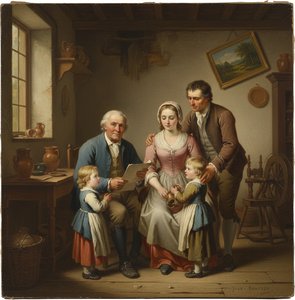
Jean-Baptiste Greuze: Morality, Sentiment & the Rise of Genre Painting
Explore the life & art of Jean-Baptiste Greuze, a pivotal French Rococo painter renowned for his emotionally resonant genre scenes and moral lessons. Discover his legacy & impact on 18th-century art history.

The Elegance of Rococo: A Journey Through Pastel Dreams and Ornate Splendor
Embark on an elegant journey through the Rococo era. Discover the delicate beauty of pastel masterpieces, the intricate artistry of 18th-century French masters, and how this era of ornate splendor continues to inspire timeless luxury in fine art collecting.