
 分享
分享 分享
分享
 详情
详情 指南
指南

 下载作品
下载作品
 相似作品
相似作品 幻灯片播放
幻灯片播放 问答
问答 统计数据
统计数据Kul-e Farah relief I


 展开全文
展开全文
艺术微喷/版画
博物馆级艺术微喷或帆布版画,制作高效,并提供多种饰面选择。 ( 订购纯手工绘制画作 切换至数字图像销售渠道)




































您可以从与原作比例一致的预设尺寸中进行选择。

请输入您所需的宽度和高度,以适配您的画框或墙面。由于印刷品只能进行裁剪,无法超出原图尺寸,因此若比例不一致,画面的一部分将会被裁切。在正式印刷之前,我们会为您发送一份数字效果图供您确认。本页面显示的图片并非最终裁剪后的效果——只有效果图才能展示真实的裁剪情况。


 玻璃选项仅适用于110厘米以下的尺寸。

Kul-e Farah relief I
艺术微喷/版画
复刻品尺寸
-


最终结算价
¥ 543
A Silent Witness to Elamite Grandeur
Perched high above the landscape, carved into a vertical niche some five and a half meters from the ground, the Kul-e Farah relief I stands as a profound testament to the enduring spirit of the Elamite highland tradition. This ancient masterpiece is not merely a carving on stone; it is a monumental dialogue between man and nature, frozen in time since approximately 500 BC. The relief serves as a vital historical link, embodying the sophisticated artistic language of an era that flourished in the ancient Near East. To gaze upon this work is to witness the intersection of political authority and artistic devotion, where every line etched into the rock face speaks of a civilization deeply rooted in its rugged, mountainous terrain.
The composition of the relief is both intricate and commanding, showcasing a scene of figures positioned with a deliberate sense of hierarchy and presence. The artistry lies in the way the carver utilized the natural contours of the rock to breathe life into the subjects, creating a sense of depth that invites the viewer to contemplate the lives of those depicted. Within the vertical niche, the relief integrates multiple elements of elite representation, drawing from much older traditions of valley carvings to assert the prestige of its creators. For the discerning collector or lover of antiquity, this piece offers a window into a world where art was used to solidify the identity of rulers and the sanctity of their lands.
The Language of Power and Inscription
Beyond its visual majesty, the Kul-e Farah relief I is a literary treasure, housing a complex narrative written in stone. The surface is adorned with twenty-four horizontal registers of an inscription that remains one of the most significant, yet enigmatic, archaeological finds of the region. This text provides a rare glimpse into the political landscape of the time, identifying the local ruler Hanni, son of Tahhi, who served as the "caretaker, protector, and ruler" of Ayapir. His role as a vassal to the Elamite king Shutur-Nahhunte highlights the intricate web of loyalty and governance that defined the period between 625 and 585 BC. The presence of nine additional epigraphs, delicately inscribed over the skirts of the carved figures, adds a layer of rhythmic detail that enhances the relief's textural complexity.
For interior designers and curators of historical reproductions, this artwork offers an unparalleled opportunity to introduce a sense of profound history and intellectual depth into a space. The interplay between the rugged texture of the stone and the precise, delicate epigraphs creates a visual tension that is both intellectually stimulating and aesthetically grounding. A high-quality reproduction of this relief does more than decorate a wall; it anchors a room with the weight of millennia, providing a conversation piece that bridges the gap between modern luxury and ancient heritage.
An Eternal Legacy in Stone
The emotional impact of the Kul-e Farah relief I stems from its sheer resilience. Despite the passage of over two thousand years, the figures and their stories remain remarkably well-preserved, offering a hauntingly beautiful connection to the Elamite civilization. The way the light plays across the carved surfaces—mimicking the natural sunlight that has illuminated this niche for centuries—creates an ever-changing aesthetic experience. It is a work that celebrates the concept of permanence in an impermanent world.
Owning or displaying a tribute to this relief allows one to participate in the preservation of human memory. Whether integrated into a contemporary gallery setting or used as a focal point in a sophisticated study, the piece evokes a sense of awe and reverence. It invites the observer to look upward, much like the original viewers did, and to find inspiration in the enduring strength of the Elamite spirit and the masterful hands that carved it into the very bones of the earth.
常见问题与解答
如何描述 哈维尔·阿尔瓦雷斯-蒙 的《Kul-e Farah relief I》 的意境?
哈维尔·阿尔瓦雷斯-蒙 的《Kul-e Farah relief I》 的艺术氛围被描述为 Earthy。这种分类有助于将作品与特定的空间环境相匹配。
“Kul-e Farah relief I”唤起怎样的情感?
“Kul-e Farah relief I” 传达出一种 Mysterious 的情感。这种情感基调描述了作品给人的印象。
哪里可以买到 哈维尔·阿尔瓦雷斯-蒙 的《Kul-e Farah relief I》 的版画?
您可以在哈维尔·阿尔瓦雷斯-蒙 的《Kul-e Farah relief I》的艺术版画页面直接订购其版画:采用棉质帆布或档案级画布纸制作的艺术版画。
艺术家简介
javier álvarez mon 是一位西班牙考古学家与历史学家,专注于研究古代近东文明。他于 1969 年出生于马德里,并于 2001 年在马德里康普顿斯大学获得了考古学博士学位。目前,他是西班牙国家研究委员会 (CSIC) 的研究员,同时担任巴塞罗那大学埃兰研究小组的主任。
教育与职业生涯
javier álvarez mon 的学术训练深植于考古学与历史学的沃土,并始终将目光投向古老的近东地区。他的研究核心聚焦于神秘的埃兰文化,通过对尘封岁月的挖掘,他出版了多部具有影响力的著作与论文,其中包括 《埃兰世界》 (2018) 以及 《埃兰:历史、艺术与考古》 (2021)。研究与著作
javier álvarez mon 的学术探索始终围绕着埃兰文化的脉络展开,通过详实的文献与实地考察,他为世人呈现了丰富的研究成果。其代表性出版物包括:- 《埃兰世界》 (2018)
- 《埃兰:历史、艺术与考古》 (2021)
- 《埃兰文化》 (2015)
- 《埃兰:区域历史》 (2012)
合作与项目
javier álvarez mon 积极投身于跨学科的协作,通过与全球顶尖学者的合作,参与了多项意义深远的科研计划。其中一些最为突出的项目包括:- 埃兰项目:一项由西班牙国家研究委员会 (CSIC) 资助的关于埃兰文化的深度研究计划。
- 伊朗考古发掘项目:由巴塞罗那大学资助,在伊朗境内进行的考古挖掘工作。
- 埃兰文化研究项目:由巴塞罗那大学资助,旨在进一步探索埃兰文化的奥秘。
研究工作的意义
javier álvarez mon 的工作对于解读埃兰文化及其在古代近东历史中的地位具有 至关重要的 意义。他的研究不仅填补了历史认知的空白,更通过对该地区文明演进的深刻剖析,为后世留下了宝贵的学术财富。关于他更多研究成果与出版物的详细信息,可以在 https://OriginalUniqueArt.com 查阅。此外,您也可以在 圣费尔南多皇家美术学院博物馆 以及 狩猎与自然博物馆 找到更多关于其他艺术家与绘画作品的相关资讯。
哈维尔·阿尔瓦雷斯-蒙
1969 - , 西班牙
相关文章

Mastering the Woodcut: A Definitive Guide to the Art of Relief Printing and its Historical Legacy
Explore the profound history and technical mastery of woodcut relief printing. From ancient origins to German Expressionism, discover how artists use the subtractive process to create iconic works. A definitive guide for art students, collectors, and historians.
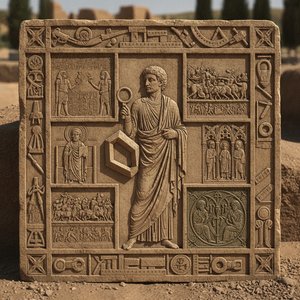
Mastering Dimension: An Art Historian's Guide to the Elegance of Sculptural Relief Art
Explore the profound beauty of sculptural relief art. From classical bas-relief to modern geometric textures, discover how depth and light transform spaces through an expert guide on art history and sophisticated curation for discerning collectors.

Sculpting with Soul: The Ultimate Guide to Mastering Bas-Relief and Plaster Artistry
Master the intricate art of plaster bas-relief with our expert guide for art students. Learn professional techniques in material selection, texture carving, and pigment integration to create soulful, dimensionally rich sculptural masterpieces.
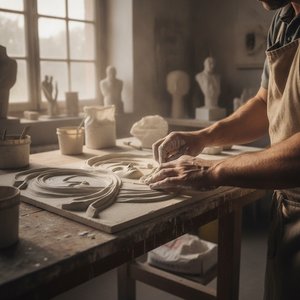
Sculpting with Soul: An Expert Guide to the Tactile Elegance of Plaster Relief Art
Discover the captivating world of plaster relief art. Our expert guide explores the history, techniques, and curation of textured bas-relief, helping collectors bring depth, light, and soulful dimension to their modern interiors through sophisticated sculptural masterpieces.

Stone & Canvas: 10 Masterpieces of Timeless Art |
Explore 10 iconic paintings dominated by 'stone' tones – from Caravaggio’s drama to Rembrandt’s depth. Discover art history, techniques & find museum-quality reproductions for your home at .