
 实景预览
实景预览
 切换至版画销售渠道
 分享
分享 分享
分享
 详情
详情 指南
指南

 下载作品
下载作品
 相似作品
相似作品 X射线
X射线 幻灯片播放
幻灯片播放 问答
问答 统计数据
统计数据The White Peacock

- 191.0 x 166.0 cm


 展开全文
展开全文
获取远超网页预览效果的印刷级文件。我们销售的每一张数字图像均源自库存数据库中的高分辨率母版——宽度通常在 5,000 至 15,000 像素之间——因此您可以放心地进行大幅打印、局部裁剪或还原细腻的细节。
每一件作品在离开我们的工作室前都经过了精心的处理。数字影像专家会对照原作核对色彩,并在必要时进行校正,随后利用专业修图工具提升清晰度与细节表现——且始终忠实于艺术家的笔触与风格。最终呈现的图像宛如原作本身,而非仅仅是一张加了滤镜的扫描件。
您可以在最终定稿前进行审核:我们的专家将在 72 小时内通过电子邮件向您发送图像以供审阅。如果不满意?您可以要求改进或修正;若质量未达预期,亦可申请退款。
这也是出版商、设计工作室、画廊及印刷厂所信赖的品质。
每份数字图像订单均包含的内容
专业级数字交付,品质保障
选择 OriginalUniqueArt.com,您获得的不仅仅是一张图像——您收到的是经过专业级增强、精雕细琢的数字艺术作品,并享有满意保证。以下是您的订单中自动包含的所有内容:

邮件即时送达
您的高分辨率数字图像文件将在下单后 72 小时内通过电子邮件发送给您 —— 即可立即使用。

AI 增强型数字文件
您的艺术品经过专业优化,结合先进的 AI 技术与人工修饰,确保呈现极致的细节、清晰度与色彩准确度。

终身免费重发服务
不小心删除了文件或找不到了?没关系——我们将随时为您免费重发。

无需进口税费,始终如一
即刻拥有您的艺术作品,无需支付任何关税、税费或运费——数字下载始终免税。

色彩精准保障
我们通过专业工具与色彩管理技术,确保您的数字图像尽可能真实地还原原作色彩。

100天满意保证
如果您对所购数字图像不满意,我们将在100天内为您进行修改或提供100%的全额退款——无需任何理由。

100% 退款保证
不满意?在收到数字文件后的100天内,您可以申请全额退款——无需任何理由。

批量订购优惠
购买 3 张享 10% 折扣 - 购买 5 张享 15% 折扣 - 购买 10 张以上享 20% 折扣。非常适合创意项目、画廊及机构使用。
A Symphony of Light and Decay
In the quiet, shadowed corners of the Dutch Golden Age, Jan Weenix crafted a visual language that spoke far more profoundly than mere imitation. His masterpiece, “The White Peacock,” completed in 1693, stands as a breathtaking testament to the Baroque era’s obsession with the tension between life and death. At first glance, the viewer is arrested by the luminous presence of the central figure: a magnificent white peacock, its plumage spread in an elaborate, ethereal display that seems to catch a light source from beyond the frame. Yet, as the eye wanders from this brilliant centerpiece, the scene reveals a more somber narrative. Perched upon a decaying tree stump and accompanied by a resting brown hare and the stillness of lifeless birds, the painting presents a poignant meditation on the cyclical rhythms of existence—a delicate dance between vibrant beauty and inevitable ruin.
Weenix’s technical mastery is nothing short of extraordinary, utilizing the chiaroscuro technique to sculpt form out of the darkness. Through painstaking detail, he renders the tactile reality of the natural world; one can almost feel the softness of the peacock's feathers, the coarse fur of the hare, and the rough, weathered texture of the decomposing wood. His brushstrokes, though seamlessly blended to create an illusion of profound depth, possess a controlled energy that breathes life into the organic matter. This meticulous realism serves a higher purpose, elevating the work from a simple animal study to a complex psychological landscape. The dramatic contrasts between light and shadow do more than just define shape; they imbue the atmosphere with a palpable sense of drama and mystery, drawing the collector into a world where every shadow holds a secret.
Symbolism and the Baroque Soul
To gaze upon “The White Peacock” is to engage with a rich tapestry of seventeenth-century symbolism. In the lexicon of the era, the peacock was often a symbol of nobility, pride, and even immortality due to its perceived ability to renew itself. However, by placing this regal creature amidst symbols of mortality—the dead birds and the decaying stump—Weenix creates a powerful vanitas motif. This juxtaposition reminds the viewer of the fleeting nature of earthly glory and the inescapable reality of decay. For the modern connoisseur or interior designer, this duality offers an incredible emotional depth; the painting does not merely decorate a space, it anchors it with intellectual weight and a sense of timeless contemplation.
The historical context of Amsterdam during this period adds another layer of intrigue to the work. As a period of intense artistic experimentation, the Dutch Baroque sought to explore themes that resonated with the cultural anxieties of an era grappling with change. Weenix, trained in the tradition of his father Jan Baptist Weenix, brought a refined sensitivity to these themes, blending the grandeur of the Baroque with a quiet, observational intimacy. For those seeking to incorporate a high-quality reproduction into a curated collection, this piece offers more than aesthetic pleasure; it provides a window into a vanished world of philosophical inquiry and unparalleled artistic devotion.
常见问题与解答
扬·威尼克斯 的《The White Peacock》 的推荐打印尺寸是多少?
建议将“The White Peacock”打印为 Large 尺寸。其他尺寸亦可按相同比例进行制作。
在 1693 年创作“The White Peacock”时,扬·威尼克斯 的年龄是多少?
扬·威尼克斯 在 1693 年创作《The White Peacock》时,年龄为 52 岁。该年龄是根据艺术家的出生年份 1641 计算得出的。
是否有面向学生的 扬·威尼克斯 的《The White Peacock》 详情页?
"The White Peacock" 的指南请参阅作品的 指南 页面 —— 这是一份可打印的信息单,包含了该作品的说明、署名以及详细信息表(艺术家、日期、媒介、原尺寸、馆藏)。
艺术家简介
荷兰写实主义的传承:扬·威尼克斯的生平与艺术
1641年出生于阿姆斯特丹的扬·威尼克斯(Jan Weenix),出身于一个深植于艺术传统的家族,并从其尊贵的父亲扬·巴蒂斯特·威尼克斯(Jan Baptist Weenix)那里继承了对绘画的热爱。尽管关于他早年生活的确切细节仍有些模糊,但可以肯定的是,年轻的扬在父亲的工作室里接受了基础训练,吸收了描绘静物与动物题材的关键技法——这正是荷兰黄金时代艺术的标志性特征。这种家族影响不仅停留在技术层面,更赋予了他对细致观察自然的深刻鉴赏力,以及用惊人的写实主义去呈现自然之美的坚定追求。老威尼克斯本人的艺术历程,包括他在意大利的游历及其为作品注入的意式感官,无疑也塑造了扬不断发展的审美观。尽管最初他的名声被父亲的光芒所掩盖,但扬很快便脱颖而出,在17世纪荷兰绘画那充满活力的图景中开辟出了一条独特的道路。巴洛克风格的盛放
威尼克斯的艺术风格在巴洛克时期的巅峰时期绽放,反映了那个时代对戏剧性、丰富细节和动态构图的偏爱。他的创作并非闭门造车;来自同时代艺术家的影响,如以海景画闻名的亨德里克·科内利斯·弗鲁姆(Hendrick Cornelisz Vroom),以及可能存在的其他动物画专家如梅尔希奥·德·洪德科特(Melchior de Hondecoeter)和吉利斯·克劳茨·德·洪德科特(Gillis Claesz d'Hondecoeter),都微妙地影响了他的创作手法。然而,威尼克斯将这些灵感融汇成了一种独具个人特色的风格。他的画布以近乎摄影般的纹理表现力为特征——羽毛的光泽、皮毛的柔软、水果那细腻的半透明感——这一切都通过精湛的笔触以及对光影敏锐的理解得以实现。明暗对照法(Chiaroscuro),即光与影之间的戏剧性交织,被用来创造深度和视觉趣味,以令人信服的写实感将观众拉入画面之中。鲜艳的色彩组合进一步赋予了其题材生命力,使其充满了临场感与活力。他在画面元素布局方面拥有卓越的技巧,能够创造出既具视觉美感又具叙事吸引力的平衡且和谐的构图。杰作与赞助
在整个职业生涯中,扬·威尼克斯创作了大量以技术精湛和题材迷人而著称的作品。诸如《花园花瓶旁的狩猎与水果静物》(1714年)之类的画作,展示了他将多样元素——猎鸟、丰硕的水果、建筑细节——无缝整合进一个复杂且视觉震撼的构图中的能力。《带有野兔及其他猎物的静物画》(1697年)则展现了他对动物解剖结构与纹理的掌控力,以惊人的准确度捕捉到了题材栩栩如生的特质。即使是规模较小的作品,例如《坐着的猴子》(1685年之前),也揭示了他赋予动物个性与表现力的天赋。这种才华并未被显赫的赞助人们所忽视。1702年,威尼克斯受邀前往普法尔茨选帝侯约翰·威廉(Johann Wilhelm)的宫廷,在那里他与其他著名艺术家并肩工作,为本斯伯格城堡(Schloss Bensberg)创作大规模的狩猎场景——这正是其声名鹊起与艺术造诣日益精进的明证。这些委约创作不仅为他提供了经济保障,也为他进一步磨炼技艺提供了机遇。对荷兰艺术的深远影响
在巴洛克时期,扬·威尼克斯在推广狩猎静物画和猎物绘画方面发挥了关键作用,将这些流派提升到了超越单纯装饰的境界。他的作品深受收藏家追捧,为荷兰艺术传统的发展做出了重大贡献。他并非仅仅是在复制自然,而是通过自己独特的视角去诠释自然,使他的画作充满了写实感、戏剧性和美学魅力,从而与当时的观众产生深层共鸣。他的遗产不仅限于他个人的创作; 他的女儿玛丽亚·威尼克斯(Maria Weenix)作为一名出色的花卉画家延续了家族传统,确保了威尼克斯之名在后世世代中始终是卓越艺术的代名词。时至今日,扬·威尼克斯的画作被世界各地的博物馆和私人收藏珍藏,通过对自然界大师级的描绘,持续激励着艺术家并吸引着观众——这是他对荷兰艺术史丰富篇章所做出的持久贡献的见证。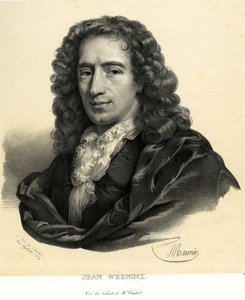
扬·威尼克斯
1641 - 1719 , 荷兰
基本信息
- Artistic Movement Or Style: 荷兰巴洛克
- Artists Or Movements Influenced By This Artist: ['玛丽亚·威尼克斯']
- Artists Who Influenced This Artist:
- 扬·巴普蒂斯特·威尼克斯
- 亨德里克·弗鲁姆
- Date Of Birth: 1641年
- Date Of Death: 1719年
- Full Name: 扬·威尼克斯
- Nationality: 荷兰
- Notable Artworks:
- 狩猎与水果静物画
- 野兔静物画
- 坐着的猴子
- 白孔雀
- Place Of Birth: 荷兰阿姆斯特丹