

 实景预览
实景预览
 发送
发送 分享
分享
 详情
详情 指南
指南

 下载图片
下载图片
 相似作品
相似作品 X射线
X射线 幻灯片播放
幻灯片播放 统计数据
统计数据The Soap Bubbles


 阅读全文
阅读全文
艺术微喷/版画
博物馆级艺术微喷或帆布版画,制作高效,并提供多种饰面选择。 ( 订购此收藏品的纯手工复刻画作 切换至数字图像销售渠道)




P118B $10

P118H $10

P118W $10

P438Z $10

P508JH $12

P508YH $12

P805H $10

P805Z $10

P919BZ $10

P919G $10

P919XJ $10

P959ZH $10

P968JZ $12

W106C $8

W218G $10

W218JH $8

W218Y $10

W307PJ $10

W316G $10

W316PJ $8

W316Y $10

W398PJ $8

W4111J $10

W500HY $15

W500JH $15

W692G $12

W849H $8

W940BG $15

W953PJ $8




您可以从与原作比例一致的预设尺寸中进行选择。

您可以输入自定义尺寸,以适配特定的画框或空间。如果您选择的尺寸与原图比例不符,我们将对作品进行裁剪,或通过镜像填充/纯色填充边缘的方式来扩展图像。在开始制作之前,我们会向您发送一份数字效果图供您确认。
请注意,屏幕上的预览并不能反映实际的裁剪或扩展效果。只有效果图才能准确展示最终的构图。
虽然我们提供定制尺寸,但为了保持原图比例,我们建议您从预设列表中选择尺寸。


 玻璃选项仅适用于110厘米以下的尺寸。

The Soap Bubbles
艺术微喷/版画
复刻品尺寸说明
-


总计金额
$ 80
Jan van Kessel’s Ephemeral Delight: “The Soap Bubbles”
Jan van Kessel's "The Soap Bubbles," painted around 1660, is more than just a charming depiction of childhood play; it’s a meticulously crafted meditation on transience and the beauty found in fleeting moments. This exquisite work, now available as a hand-painted reproduction from OriginalUniqueArt.com, offers a captivating glimpse into the artistic sensibilities of the Dutch Golden Age – a period characterized by both scientific observation and profound aesthetic appreciation.
The painting itself presents a serene domestic scene: a man absorbed in reading a book while a woman gazes out the window, surrounded by an array of carefully arranged objects. Foreground elements—two birds perched delicately near each other—draw the eye upward to a clock hanging on the wall, anchoring the composition with a subtle reminder of time’s relentless passage. Scattered books contribute to the intimate atmosphere, suggesting intellectual pursuits and quiet contemplation. However, it is the central focus – the iridescent soap bubbles suspended in mid-air – that truly commands attention. Van Kessel's skill lies not merely in their representation but in capturing their ethereal quality, a testament to his mastery of light and color.
A Master of Subtle Detail: Van Kessel’s Technique
Van Kessel was renowned for his ability to render the most minute details with astonishing precision. This painting exemplifies that skill perfectly. The artist employed a technique known as ‘clousure,’ a method of layering thin glazes of paint to achieve incredible luminosity and depth. Notice how the light catches on the surface of each bubble, creating a shimmering effect that mimics the play of light on water – a detail achieved through countless hours of painstaking work. He was deeply influenced by his family’s artistic lineage, particularly his grandfather Jan Brueghel the Elder, evident in the rich palette and naturalistic portrayal of objects. Furthermore, Van Kessel's meticulous approach reflects the burgeoning scientific interest in observation during this era; he wasn’t simply painting what he saw but striving to capture its essence with remarkable accuracy.
Symbolism and the Ephemeral Nature of Beauty
“The Soap Bubbles” is rich in symbolic meaning, reflecting a common theme in Dutch Baroque art – *vanitas*. The bubbles themselves represent the fleeting nature of beauty, pleasure, and life itself. Just as a soap bubble bursts with startling speed, so too do worldly possessions and achievements prove transient. The books symbolize knowledge and contemplation, while the woman’s gaze out the window suggests a longing for something beyond the immediate present. The birds, often associated with freedom and spirituality, add another layer of interpretation. Van Kessel masterfully uses these elements to evoke a poignant awareness of mortality and the importance of appreciating the beauty of each passing moment – a concept deeply rooted in the philosophical currents of the time.
A Timeless Reproduction for Your Home
OriginalUniqueArt.com is proud to offer a meticulously hand-painted reproduction of “The Soap Bubbles,” capturing the original’s exquisite detail and evocative atmosphere. Unlike mass-produced prints, our reproductions are created by skilled artists who painstakingly recreate Van Kessel's technique, ensuring that every brushstroke faithfully reflects the nuances of the original. This artwork is not just a decoration; it’s an investment in art history, a tangible connection to a remarkable artist, and a beautiful reminder of the transient beauty of life. Bring this captivating scene into your home and allow its delicate charm to inspire contemplation and wonder.
艺术家简介
扬·范·凯塞尔:科学观察时代下的细腻大师
1626年出生于安特卫普,扬·范·凯塞尔长者(通常简称为扬·范·凯塞尔)出身于一个艺术传统深厚的家族。他的血脉可以追溯到著名的布吕哲尔王朝,特别是通过他的祖父希罗尼穆斯·范·凯塞尔长者和父亲希罗尼穆斯·范·凯塞尔次子。这种与显赫人物的联系无疑塑造了他早期的艺术发展,然而,扬·范·凯塞尔开辟了一条独特的道路,成为了一位才华横溢的多面画家,其创作领域极其广泛——从细致入微的昆虫研究、华丽的花卉静物,到充满动感的海洋场景、令人神往的河流景观,甚至是寓言式的构图,无不精妙绝伦。
他的成长岁月是在安特卫普一些最受尊敬的艺术家的教导下度过的。年仅九岁时,他便进入了著名历史画家西蒙·德·沃斯的画室,在那里获得了关于构图与技法的宝贵经验。随后,他继续跟随父亲和叔父扬·布吕哲尔次子进行训练,在吸收他们独特风格的同时,也逐渐形成了自己独特的艺术语言。这种双重影响贯穿了他的整个作品集——既有让人联想起布吕背尔自然主义风格的细腻细节,又蕴含着一种蓬勃发展的科学好奇心,而这正是他后期作品的核心特征。
1644年,扬·范·凯塞尔正式加入了安特卫普圣路加行会,并登记为一名“花卉画家”。这一身份凸显了他艺术实践中的一个重要方面:对自然世界强烈的痴迷。与许多专注于宏大历史或神话题材的同代人不同,范·凯塞尔将大量的精力投入到捕捉动植物那纤细的美感与复杂的细节之中。他的作品不仅仅是装饰性的;它们更代表了一种科学观察的形式,以惊人的准确度详尽地记录了昆虫、花卉和动物的纹理、色彩与图案。
1646年,他与玛丽亚·范·阿普肖文的结合开启了他多产的艺术生涯。这对夫妇育有十三名子女,其中扬和费迪南德两人追随父亲的足迹,也成为了出色的画家。这种家族传承进一步巩固了范·凯塞尔在安特卫普充满活力的艺术界中的地位。他不仅是一位成功的艺术家,也是社区中受人尊敬的一员,曾担任当地民兵(schutterij)的队长,展现了他在追求艺术的同时对公民事务的参与。
在17世纪50年代和60年代,范·凯塞尔的名声日益显赫,吸引了富有的赞助人,并获得了创作奢华静物画的委约,这些作品通常包含异域水果、蔬菜以及细致入微的昆虫。他的作品因其写实感、鲜艳的色彩以及对明暗对比法(chiaroscuro)的大师级运用而备受推崇——这种光影间的剧烈对比增强了画面的深度与体积感。著名的代表作包括《亚洲大陆》(1666年),这是一幅描绘不同大陆与海景的复杂寓言画板;以及《蔬菜静物画》(约1650年代),展示了他捕捉有机物质纹理与细微差别的非凡能力。他在安特卫普市中心被称为“红白玫瑰”的家,也映衬了他这一时期的经济成功。
然而,命运在晚年对他并不眷顾。1678年妻子去世后,范·凯塞尔面临着日益严重的财务困境,最终不得不抵押房产。尽管他拥有卓越的艺术天赋,且作品价格不菲,但在生命的最后几年里,他仍难以维持稳定的收入。1679年,他于安特卫普逝世,留下了一份关于精湛细节与科学观察的宝贵遗产,至今仍令无数艺术爱好者为之着迷。
布吕哲尔血脉与艺术影响
范·凯塞尔的艺术谱系与布吕哲尔家族有着密不可分的联系,尤其是他的祖父扬·布吕哲尔长者。长者布吕哲尔的影响在范·凯塞尔的构图中清晰可见——双方都对描绘日常生活场景和自然世界有着共同的兴趣,尽管范·凯塞尔更强调细节与科学的准确性。此外,他也从早期的佛兰德画家那里汲取灵感,例如以精细植物插画闻名的丹尼尔·塞格斯,以及其对昆虫和科学仪器的细致描绘预示了范·凯塞尔创作风格的约里斯·霍夫纳格尔。
不同于扬·布吕哲尔长者作品中常见的宏大社会评论,范·凯塞尔主要专注于捕捉单个主题的美感与复杂性。他的绘画并非叙事性的故事,而是精心构建的研究样本——这是对他观察与表现能力的最好证明。动物静物画大师弗兰斯·斯奈德斯的影响在范·凯塞尔对动物的描绘中也清晰可辨,特别是在动物动态的姿态与真实的质感方面。
技法与风格:微妙的平衡
范·凯塞尔独特的风格以非凡的细节水平和写实主义为特征。他采用了一种极其细致的技法,利用薄薄的色层来构建复杂的表面,从而创造出纹理与体积的错觉。他在色彩运用方面同样卓越——他巧妙地融合色调,实现微妙的渐变,并营造出深度感与氛围感。矫饰主义的影响在他拉长的形体、戏剧性的光影以及精心编排的构图中亦有体现。
他的作品往往展现出对透视与解剖学的深刻理解,这反映了他接受西蒙·德·沃斯训练的成果。然而,范·凯塞尔的艺术视野超越了单纯的技术熟练;他拥有一种捕捉对象本质的天赋——捕捉其美感、脆弱性以及内在的生命力。观察与艺术创作之间的这种交织互动,正是使他的作品脱颖而出的真正原因。
传承与意义
扬·范·凯塞尔长者对佛兰德艺术的贡献在于他在绘画语境下对科学观察进行的先驱性探索。他对昆虫、花卉和动物的细致描绘,代表了艺术技巧与求知欲的独特融合。他的作品不仅仅是美丽的画作;它们是通往一个充满复杂细节与自然奇观的世界之窗。
时至今日,范·凯塞尔的绘画作品仍受到收藏家和艺术史学家的极高评价。他的遗产持续激励着那些试图用精准与艺术性去捕捉自然界美感与复杂性的艺术家。他的杰作散见于世界各地的著名博物馆中,包括华盛顿特区的国家美术馆,那里的《昆虫与迷迭香枝》便是馆内珍藏的瑰宝。

扬·范·凯塞尔
1641 - 1680 , 比利时
快速概览
- Artistic Movement Or Style: 巴洛克,风格主义
- Artists Or Movements Influenced By This Artist:
- 小扬·布吕格尔
- 布吕格尔王朝
- Artists Who Influenced This Artist:
- 老扬·布吕格尔
- 丹尼尔·塞格斯
- 约里斯·霍夫纳格尔
- 弗兰斯·斯内德斯
- Date Of Birth: 1626年4月5日,安特卫普
- Date Of Death: 1679年4月17日,安特卫普
- Full Name: 老扬·范·凯塞尔
- Nationality: 弗拉芒
- Notable Artworks:
- 神圣家族
- 亚洲大陆
- 蔬菜静物画
- Place Of Birth: 比利时,安特卫普
相关文章
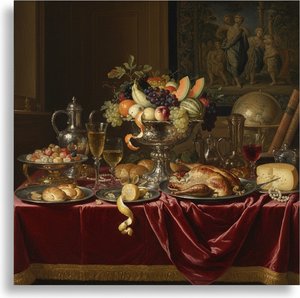
Abraham Hendricksz van Beyeren: Pioneering Dutch Still Life & the Banquet Tradition
Explore the captivating world of Dutch Golden Age still life with Abraham van Beyeren. Discover his innovative techniques, symbolic banquet scenes & lasting influence on art history. Learn about collecting these masterpieces.

Early Netherlandish Masters: 10 Paintings That Revolutionized Art & Decor
Journey into the world of Early Netherlandish painting! Explore 10 masterpieces by Jan van Eyck, Rogier van der Weyden & more. Discover stunning detail, symbolism & Renaissance art for your home decor. Find museum-quality reproductions on OriginalUniqueArt.com

伦勃朗25幅杰作:光影大师的艺术传奇与家居臻选
探索伦勃朗25幅杰作,领略荷兰黄金时代光影大师的艺术传奇!从《夜巡》到自画像,深入了解巴洛克艺术、历史绘画与人物肖像背后的故事。OriginalUniqueArt.com提供高清艺术复制品及家居装饰灵感。立即探索完整系列!
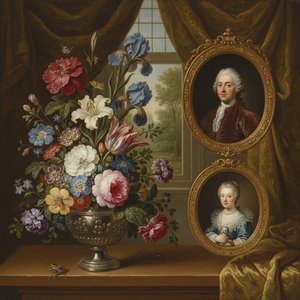
Jan van Kessel the Elder: A Baroque Master of Floral Still Life & Miniature Portraiture
Discover the exquisite detail of Jan van Kessel the Elder's Baroque floral still lifes & captivating miniatures. Explore his artistic legacy, scientific precision, and lasting influence on 17th-century Flemish painting.

Dutch Baroque Masters: 10 Paintings That Shaped an Era | OriginalUniqueArt
Journey through the Golden Age with our guide to the Top 10 Dutch Baroque masterpieces! Explore iconic paintings by Rembrandt, Vermeer & Frans Hals. Find museum-quality art reproductions and elevate your home decor at OriginalUniqueArt.com.