

 效果预览
效果预览
 分享
分享 分享
分享
 详情
详情

 下载
下载
 相似作品
相似作品 X射线
X射线 幻灯片播放
幻灯片播放 统计数据
统计数据Still-Life with Fruit
 Oil On Copper
- Flemish Baroque
 13.0 x 16.0 cm
 诺顿西蒙美术馆
 展开详情
展开详情
手工油画复制品
由我们的艺术家按需定制,为您提供您所选尺寸及画框的布面手工油画。 ( 切换至版画销售渠道 切换至数字图像销售渠道)




P118B $10

P118H $10

P118W $10

P438Z $10

P508JH $12

P508YH $12

P805H $10

P805Z $10

P919BZ $10

P919G $10

P919XJ $10

P959ZH $10

P968JZ $12

W106C $8

W218G $10

W218JH $8

W218Y $10

W307PJ $10

W316G $10

W316PJ $8

W316Y $10

W398PJ $8

W4111J $10

W500HY $15

W500JH $15

W692G $12

W849H $8

W940BG $15

W953PJ $8




从与原作比例一致的预设尺寸中进行选择。

您可以输入自定义尺寸,以适配特定的画框或空间。如果所选尺寸与原图比例不符,我们将通过裁剪作品或添加手绘元素来扩展画面。数字样稿将在制作开始前发送给您确认。
请注意,屏幕预览无法准确反映实际的裁剪或扩展效果,只有样稿才能真实呈现最终的构图。
虽然我们提供定制尺寸服务,但为了保留原作比例,建议您从预设列表中选择尺寸。
下单后,OriginalUniqueArt.com 团队将通过电子邮件联系客户获取具体要求,并提供效果预览图。


 玻璃选项仅适用于110厘米以下的尺寸。

Still-Life with Fruit
复制材质
复制品尺寸
-


最终总价
$ 300
A Delicate Symphony of Light and Color: Jan van Kessel’s Still Life with Fruit
Jan van Kessel (1641 – 1680) stands as a beacon of subtlety and meticulous observation within the illustrious Dutch Golden Age, an artist who transcended mere representation to achieve a profound communion with his subject matter. His masterpiece, “Still Life with Fruit,” painted circa 1653, exemplifies this ethos—a captivating tableau that speaks volumes about both artistic prowess and the burgeoning spirit of scientific inquiry prevalent during his era. Currently residing in the Norton Simon Museum of Art in Pasadena, California, this copper oil painting offers a glimpse into a world where beauty intertwines seamlessly with intellectual curiosity.The Anatomy of Detail: Technique and Craftsmanship
Van Kessel’s approach to painting was characterized by an unparalleled dedication to realism—a pursuit that demanded painstaking attention to detail. Unlike many contemporaries who favored idealized depictions, he embraced the complexities inherent in capturing the natural world accurately. He achieved this remarkable feat through a masterful manipulation of chiaroscuro – the dramatic interplay between light and shadow – skillfully sculpting form and conveying texture with breathtaking precision. The artist’s meticulous layering of glazes created an illusion of depth and luminosity, mirroring the scientific fascination of his time with optics and atmospheric perspective. Each brushstroke contributes to a palpable sense of materiality, inviting viewers to appreciate the tangible beauty of the pigments themselves.A Window into Scientific Thought: Contextualizing the Artwork
The painting’s genesis coincided with a period marked by significant advancements in scientific understanding. Anatomical studies were gaining prominence, fueled by figures like Andreas Vesalius, and artists increasingly sought to emulate the observational rigor of natural philosophers. Van Kessel wasn't merely depicting fruit; he was engaging in a dialogue with these intellectual currents. The careful arrangement of objects—a white plate adorned with glistening grapes, plump peaches, and a radiant pear—served as a visual microcosm of scientific principles. Like Vesalius dissecting human anatomy to unlock the secrets of the body, Van Kessel dissected the fruit to reveal its inherent structure and beauty.Symbolism Beyond Aesthetics: Layers of Meaning
Beyond its technical brilliance and intellectual context lies a rich tapestry of symbolism. The fruits themselves—grapes representing abundance and fertility, peaches symbolizing immortality and prosperity—were emblems commonly employed in Baroque art to convey moral and spiritual truths. Their placement on the plate suggests an orderliness mirroring the cosmos itself, reflecting the humanist conviction that humanity possessed dominion over nature yet remained inextricably linked to its rhythms. Furthermore, the dark background serves as a counterpoint to the vibrant colors of the fruit, emphasizing their luminosity and highlighting their fragility—a poignant reminder of the ephemeral beauty of existence.An Emotional Resonance: Capturing Transient Perfection
Ultimately, “Still Life with Fruit” transcends mere visual representation; it evokes an emotional response rooted in contemplation. The painting’s stillness invites viewers to pause and appreciate the exquisite detail of its composition. It captures a fleeting moment—the ripeness of summer fruit—with unwavering fidelity, conveying not just what is seen but also what is felt. Like many Baroque masterpieces, it seeks to inspire awe and wonder, prompting reflection on themes of mortality and beauty. A high-quality reproduction allows admirers to experience this enduring legacy of artistic innovation and scientific curiosity.艺术家简介
扬·范·凯塞尔:科学观察时代下的细腻大师
1626年出生于安特卫普,扬·范·凯塞尔长者(通常简称为扬·范·凯塞尔)出身于一个艺术传统深厚的家族。他的血脉可以追溯到著名的布吕哲尔王朝,特别是通过他的祖父希罗尼穆斯·范·凯塞尔长者和父亲希罗尼穆斯·范·凯塞尔次子。这种与显赫人物的联系无疑塑造了他早期的艺术发展,然而,扬·范·凯塞尔开辟了一条独特的道路,成为了一位才华横溢的多面画家,其创作领域极其广泛——从细致入微的昆虫研究、华丽的花卉静物,到充满动感的海洋场景、令人神往的河流景观,甚至是寓言式的构图,无不精妙绝伦。
他的成长岁月是在安特卫普一些最受尊敬的艺术家的教导下度过的。年仅九岁时,他便进入了著名历史画家西蒙·德·沃斯的画室,在那里获得了关于构图与技法的宝贵经验。随后,他继续跟随父亲和叔父扬·布吕哲尔次子进行训练,在吸收他们独特风格的同时,也逐渐形成了自己独特的艺术语言。这种双重影响贯穿了他的整个作品集——既有让人联想起布吕背尔自然主义风格的细腻细节,又蕴含着一种蓬勃发展的科学好奇心,而这正是他后期作品的核心特征。
1644年,扬·范·凯塞尔正式加入了安特卫普圣路加行会,并登记为一名“花卉画家”。这一身份凸显了他艺术实践中的一个重要方面:对自然世界强烈的痴迷。与许多专注于宏大历史或神话题材的同代人不同,范·凯塞尔将大量的精力投入到捕捉动植物那纤细的美感与复杂的细节之中。他的作品不仅仅是装饰性的;它们更代表了一种科学观察的形式,以惊人的准确度详尽地记录了昆虫、花卉和动物的纹理、色彩与图案。
1646年,他与玛丽亚·范·阿普肖文的结合开启了他多产的艺术生涯。这对夫妇育有十三名子女,其中扬和费迪南德两人追随父亲的足迹,也成为了出色的画家。这种家族传承进一步巩固了范·凯塞尔在安特卫普充满活力的艺术界中的地位。他不仅是一位成功的艺术家,也是社区中受人尊敬的一员,曾担任当地民兵(schutterij)的队长,展现了他在追求艺术的同时对公民事务的参与。
在17世纪50年代和60年代,范·凯塞尔的名声日益显赫,吸引了富有的赞助人,并获得了创作奢华静物画的委约,这些作品通常包含异域水果、蔬菜以及细致入微的昆虫。他的作品因其写实感、鲜艳的色彩以及对明暗对比法(chiaroscuro)的大师级运用而备受推崇——这种光影间的剧烈对比增强了画面的深度与体积感。著名的代表作包括《亚洲大陆》(1666年),这是一幅描绘不同大陆与海景的复杂寓言画板;以及《蔬菜静物画》(约1650年代),展示了他捕捉有机物质纹理与细微差别的非凡能力。他在安特卫普市中心被称为“红白玫瑰”的家,也映衬了他这一时期的经济成功。
然而,命运在晚年对他并不眷顾。1678年妻子去世后,范·凯塞尔面临着日益严重的财务困境,最终不得不抵押房产。尽管他拥有卓越的艺术天赋,且作品价格不菲,但在生命的最后几年里,他仍难以维持稳定的收入。1679年,他于安特卫普逝世,留下了一份关于精湛细节与科学观察的宝贵遗产,至今仍令无数艺术爱好者为之着迷。
布吕哲尔血脉与艺术影响
范·凯塞尔的艺术谱系与布吕哲尔家族有着密不可分的联系,尤其是他的祖父扬·布吕哲尔长者。长者布吕哲尔的影响在范·凯塞尔的构图中清晰可见——双方都对描绘日常生活场景和自然世界有着共同的兴趣,尽管范·凯塞尔更强调细节与科学的准确性。此外,他也从早期的佛兰德画家那里汲取灵感,例如以精细植物插画闻名的丹尼尔·塞格斯,以及其对昆虫和科学仪器的细致描绘预示了范·凯塞尔创作风格的约里斯·霍夫纳格尔。
不同于扬·布吕哲尔长者作品中常见的宏大社会评论,范·凯塞尔主要专注于捕捉单个主题的美感与复杂性。他的绘画并非叙事性的故事,而是精心构建的研究样本——这是对他观察与表现能力的最好证明。动物静物画大师弗兰斯·斯奈德斯的影响在范·凯塞尔对动物的描绘中也清晰可辨,特别是在动物动态的姿态与真实的质感方面。
技法与风格:微妙的平衡
范·凯塞尔独特的风格以非凡的细节水平和写实主义为特征。他采用了一种极其细致的技法,利用薄薄的色层来构建复杂的表面,从而创造出纹理与体积的错觉。他在色彩运用方面同样卓越——他巧妙地融合色调,实现微妙的渐变,并营造出深度感与氛围感。矫饰主义的影响在他拉长的形体、戏剧性的光影以及精心编排的构图中亦有体现。
他的作品往往展现出对透视与解剖学的深刻理解,这反映了他接受西蒙·德·沃斯训练的成果。然而,范·凯塞尔的艺术视野超越了单纯的技术熟练;他拥有一种捕捉对象本质的天赋——捕捉其美感、脆弱性以及内在的生命力。观察与艺术创作之间的这种交织互动,正是使他的作品脱颖而出的真正原因。
传承与意义
扬·范·凯塞尔长者对佛兰德艺术的贡献在于他在绘画语境下对科学观察进行的先驱性探索。他对昆虫、花卉和动物的细致描绘,代表了艺术技巧与求知欲的独特融合。他的作品不仅仅是美丽的画作;它们是通往一个充满复杂细节与自然奇观的世界之窗。
时至今日,范·凯塞尔的绘画作品仍受到收藏家和艺术史学家的极高评价。他的遗产持续激励着那些试图用精准与艺术性去捕捉自然界美感与复杂性的艺术家。他的杰作散见于世界各地的著名博物馆中,包括华盛顿特区的国家美术馆,那里的《昆虫与迷迭香枝》便是馆内珍藏的瑰宝。

扬·范·凯塞尔
1641 - 1680 , 比利时
艺术家简介
- Artistic Movement Or Style: 巴洛克,风格主义
- Artists Or Movements Influenced By This Artist:
- 小扬·布吕格尔
- 布吕格尔王朝
- Artists Who Influenced This Artist:
- 老扬·布吕格尔
- 丹尼尔·塞格斯
- 约里斯·霍夫纳格尔
- 弗兰斯·斯内德斯
- Date Of Birth: 1626年4月5日,安特卫普
- Date Of Death: 1679年4月17日,安特卫普
- Full Name: 老扬·范·凯塞尔
- Nationality: 弗拉芒
- Notable Artworks:
- 神圣家族
- 亚洲大陆
- 蔬菜静物画
- Place Of Birth: 比利时,安特卫普
相关文章

伦勃朗25幅杰作:光影大师的艺术传奇与家居臻选
探索伦勃朗25幅杰作,领略荷兰黄金时代光影大师的艺术传奇!从《夜巡》到自画像,深入了解巴洛克艺术、历史绘画与人物肖像背后的故事。OriginalUniqueArt.com提供高清艺术复制品及家居装饰灵感。立即探索完整系列!

Jan Jansz Wijnants: A Study in Dutch Golden Age Still Life & Floral Transience
Explore the captivating world of Jan Wijnants and Dutch Golden Age still life painting. Discover symbolism, masterful techniques & lasting influence on floral art history. Learn more!
Abraham Hendricksz van Beyeren: Pioneering Dutch Still Life & the Banquet Tradition
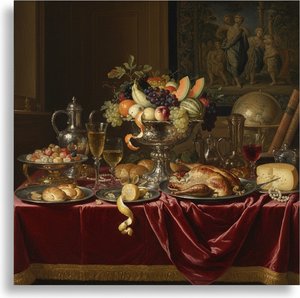
Explore the captivating world of Dutch Golden Age still life with Abraham van Beyeren. Discover his innovative techniques, symbolic banquet scenes & lasting influence on art history. Learn about collecting these masterpieces.

Dutch Baroque Masters: 10 Paintings That Shaped an Era | OriginalUniqueArt
Journey through the Golden Age with our guide to the Top 10 Dutch Baroque masterpieces! Explore iconic paintings by Rembrandt, Vermeer & Frans Hals. Find museum-quality art reproductions and elevate your home decor at OriginalUniqueArt.com.
Jan van Kessel the Elder: A Baroque Master of Floral Still Life & Miniature Portraiture
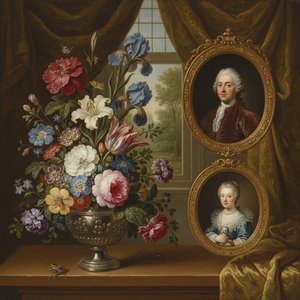
Discover the exquisite detail of Jan van Kessel the Elder's Baroque floral still lifes & captivating miniatures. Explore his artistic legacy, scientific precision, and lasting influence on 17th-century Flemish painting.