 效果预览
效果预览
 购买印刷品
购买印刷品 分享
分享 分享
分享
 详情
详情

 下载
下载
 相似作品
相似作品 X射线
X射线 幻灯片播放
幻灯片播放Crucifixion 1

 展开详情
展开详情




P118B $10

P118H $10

P118W $10

P438Z $10

P508JH $12

P508YH $12

P805H $10

P805Z $10

P919BZ $10

P919G $10

P919XJ $10

P959ZH $10

P968JZ $12

W106C $8

W218G $10

W218JH $8

W218Y $10

W307PJ $10

W316G $10

W316PJ $8

W316Y $10

W398PJ $8

W4111J $10

W500HY $15

W500JH $15

W692G $12

W849H $8

W940BG $15

W953PJ $8




从与原作比例一致的预设尺寸中进行选择。

您可以输入自定义尺寸,以适配特定的画框或空间。如果所选尺寸与原图比例不符,我们将通过裁剪作品或添加手绘元素来扩展画面。数字样稿将在制作开始前发送给您确认。
请注意,屏幕预览无法准确反映实际的裁剪或扩展效果,只有样稿才能真实呈现最终的构图。
虽然我们提供定制尺寸服务,但为了保留原作比例,建议您从预设列表中选择尺寸。
下单后,OriginalUniqueArt.com 团队将通过电子邮件联系客户获取具体要求,并提供效果预览图。


 玻璃选项仅适用于110厘米以下的尺寸。

Crucifixion 1
复制材质
复制品尺寸
-


最终总价
$ 300
作品详情
The Weight of the World: An Encounter with Jan van Eyck's Crucifixion
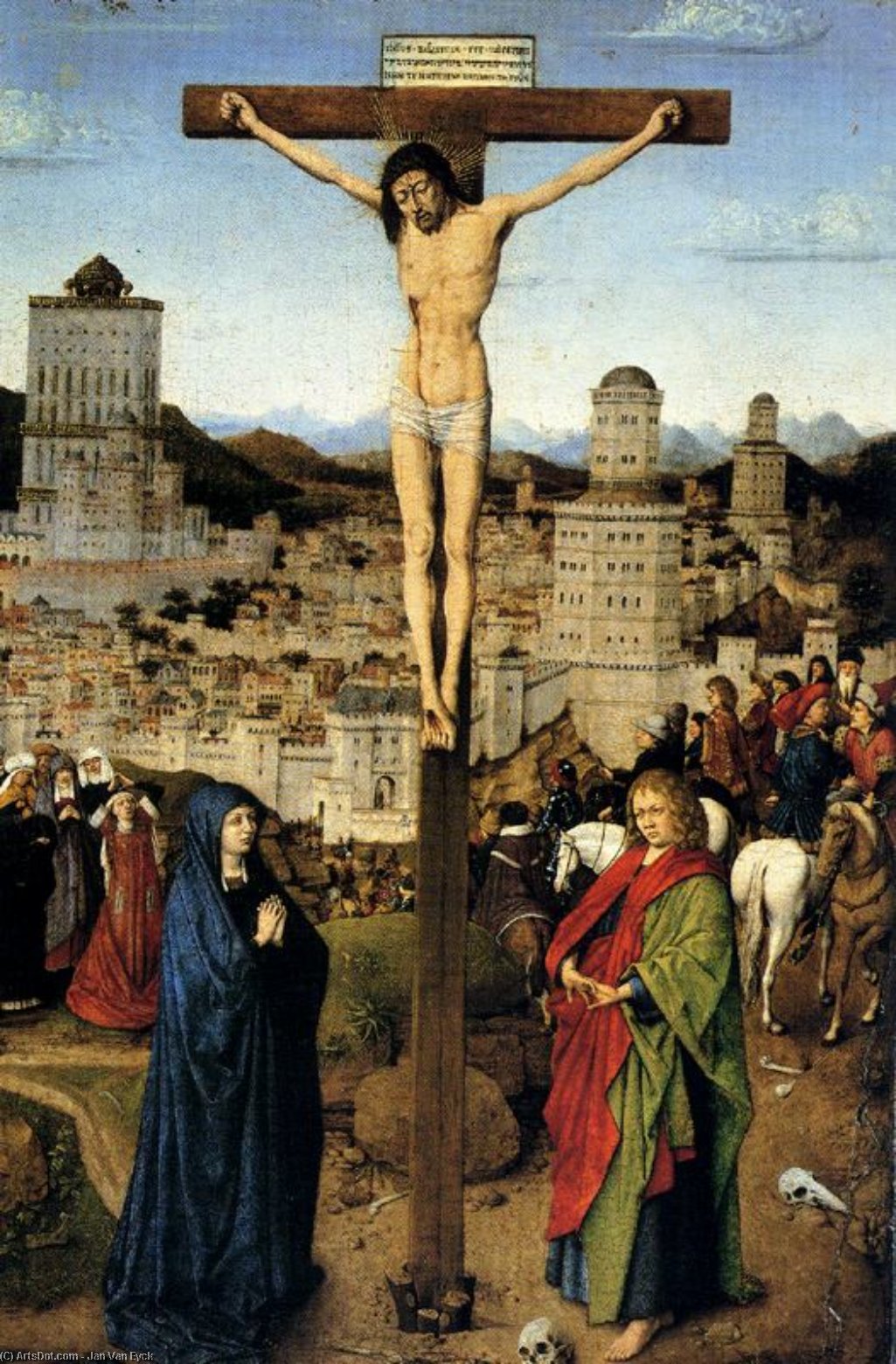
Jan van Eyck’s “Crucifixion” – a work often referred to as “The Crucifixion and Last Judgement Diptych” – isn’t merely a depiction of a pivotal biblical event; it’s an immersive experience, a profound meditation on suffering, faith, and the very nature of humanity. Painted in 1420-1439, this remarkable diptych, housed within the Metropolitan Museum of Art, transcends its historical context to resonate powerfully with viewers centuries later. The sheer detail, rendered with Van Eyck’s revolutionary use of oil paint – a technique he essentially pioneered – immediately draws the eye, inviting close inspection and revealing an astonishing level of realism previously unseen in Northern European art. The scene unfolds within a meticulously constructed space: a stark, almost desolate landscape punctuated by the imposing figure of the cross, dominating the composition with its solemn weight.
At the heart of the diptych lies Jesus Christ, suspended on the cross. His posture is one of agonizing endurance; his arms outstretched in a gesture both vulnerable and defiant. Van Eyck doesn’t shy away from portraying the physical reality of crucifixion – the wounds, the contorted limbs, the visible strain on every muscle. Yet, amidst this brutal depiction of suffering, there's an undeniable sense of dignity and grace. The artist masterfully captures the subtle nuances of emotion: a hint of resignation in Christ’s face, a profound sorrow etched into his features. The surrounding figures – grieving disciples, concerned onlookers, and even soldiers – are rendered with equally meticulous detail, each contributing to the overall atmosphere of grief and contemplation.
A Symphony of Color and Light: Van Eyck's Revolutionary Technique
What truly distinguishes “Crucifixion” is Van Eyck’s groundbreaking application of oil paint. Prior to this period, artists primarily relied on tempera, a medium that produced relatively flat, matte surfaces. Oil paint, however, allowed for layering, blending, and glazing – techniques that enabled Van Eyck to achieve an unprecedented level of luminosity, depth, and realism. The subtle gradations of color, the shimmering highlights, and the delicate textures are all testaments to his mastery of this innovative medium. Notice how light plays across Christ’s body, illuminating the wounds and casting long shadows, creating a dramatic interplay of form and light that elevates the scene beyond mere representation.
Furthermore, Van Eyck's meticulous attention to detail extends far beyond the figures themselves. The landscape, rendered with astonishing precision, is filled with intricate details – from the individual stones in the foreground to the distant cityscape of Jerusalem. The use of aerial perspective—creating a sense of depth through subtle variations in color and tone—further enhances the realism of the scene. This level of detail wasn’t simply for aesthetic effect; it served to immerse the viewer in the narrative, drawing them into the emotional core of the story.
Symbolism and Spiritual Resonance: Unpacking the Layers
Beyond its immediate visual impact, “Crucifixion” is rich in symbolic meaning. The diptych itself represents a duality—the suffering of Christ on the left wing and the anticipation of the Last Judgement on the right. The inscriptions adorning the panels – excerpts from Isaiah, Deuteronomy, and Revelation – provide theological context, reinforcing the narrative’s significance within Christian belief. The presence of various figures – soldiers, mourners, and clergy – represents the diverse range of human responses to Christ's sacrifice.
The overall effect is profoundly moving. “Cruifixion” isn’t a celebration of victory; it’s an honest portrayal of pain, loss, and redemption. It compels viewers to confront uncomfortable truths about humanity’s capacity for cruelty while simultaneously offering a glimmer of hope through the figure of Christ's sacrifice. The diptych invites contemplation on themes of faith, mortality, and the enduring power of compassion – making it a timeless masterpiece that continues to resonate with audiences today.
艺术家简介
光芒照耀的生命:扬·凡·艾克的艺术世界
扬·凡·艾克,一个与早期尼德兰绘画的黎明和油画革命性运用相伴的名字,尽管他对艺术史产生了巨大的影响,但他本人仍然是一个充满谜团的人物。大约在1390年左右,他出生于现在的荷兰境内马斯特里赫特,他的家族深耕艺术领域——他的哥哥胡伯特·凡·艾克也从事绘画创作,但关于他的作品的细节却显得模糊不清。尽管关于他早年生活的确切传记细节稀少,但显而易见的是,扬天生就具备天赋异禀的才能,并迅速在当时的艺术圈中崭露头角。到1422年,他在海勒因已经建立了自己的工作室,雇佣助手并承接委托,这些都预示着他技艺的精湛。这种早期的成功并非仅仅基于艺术技巧;扬是一位聪颖且值得信赖的人,这些品质很快便使他受到强大赞助人的青睐。勃艮第宫廷:外交与艺术的繁荣
扬·凡·艾克职业生涯中的一个关键时刻是他的任命到勃艮第宫廷服务,最初在约翰三世“无情”手下,后来在菲利普四世“善治”手下。这不仅仅是一种赞助安排;扬被委托执行外交任务,证明了公爵对他谨慎和智慧的信任。这些穿越欧洲的旅程——包括前往葡萄牙和西班牙的探险——使他接触到不同的文化和艺术影响,微妙地塑造了他的风格演变。宫廷不仅提供了经济保障,还提供了访问资源的渠道,使扬能够追求雄心勃勃的项目,突破艺术上可实现性的界限。他不仅仅是为勃艮第贵族而绘画;他成为了他们世界的一部分,通过他的艺术反映并提升他们的声望。这种独特的地位赋予了他很少有同时代画家的艺术自由,使其能够进行实验和创新,从而永远改变了绘画的进程。油彩的炼金术:一种革命性的技术
虽然并非油画的发明者——其使用早于扬·凡·艾克——但他无疑是其技艺的大师。在扬的创新之前,蛋彩画是主要的媒介,融合能力有限,且呈现出相对平淡的效果。扬通过一丝不苟地分层透明釉色,充分释放了油画的潜力,实现了前所未有的细节、光泽和真实感。这种技术允许进行微妙的色调渐变、更丰富的色彩以及创造模仿现实本身的纹理。效果是变革性的;表面似乎从内部发光,织物具有触觉质感,肖像不仅捕捉了容貌,还捕捉到了心理深度。他的精通不仅仅是一种技术——它是一种炼金术的过程,将颜料转化为类似于活着的现实的东西。这种创新并未被忽视;它成为了后世无数画家发展的基础,从根本上改变了西方艺术的格局。杰作与持久的遗产
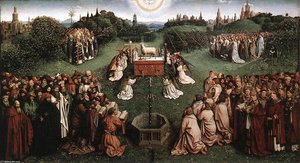
扬·凡·艾克的艺术遗产由一幅相对较小但极具影响力的作品群所巩固。《根特祭坛画》(1432年)是他最具雄心壮志的尝试——一个复杂的宗教象征主义和技术精湛的万花筒。同样享有盛誉的是《吉奥凡尼·阿诺尔菲尼夫妇肖像》(1434年),这是一幅开创性的肖像作品,以其真实感、错综复杂的细节和神秘的象征意义而闻名。《德累斯顿三联画》是其他著名的作品之一,展示了他以惊人的清晰度描绘宗教场景的能力,《蓝色头巾中的男子》则证明了他捕捉个体性格的能力。这些绘画不仅仅是视觉表现;它们是通往另一个世界的窗口——一个用近乎痴迷的细节一丝不苟地呈现的世界。扬·凡·艾克的的影响力远远超出了这些标志性作品,塑造了早期尼德兰绘画的发展,并激励了几个世纪以来的无数艺术家。他在1441年于布鲁日去世,留下了一份遗产,这份遗产至今仍在回响,提醒着我们艺术的力量能够照亮人类的经验。胡伯特·凡·艾克:兄弟关系的谜团
关于扬·凡·艾克的作品,人们往往会提及他的哥哥胡伯特,但胡伯特的生平和贡献却笼罩在迷雾之中。尽管一些学者质疑胡伯特的存在,但历史记录表明他可能出生于1366年左右,比扬年长约24岁。他们共同创作了《根特祭坛画》的最初版本,而胡伯特被认为是其设计和构思的主要贡献者。然而,关于胡伯特的个人生活和艺术风格的信息却非常有限,这使得人们很难准确评估他在兄弟二人合作中的作用。尽管如此,《根特祭坛画》的宏伟规模和复杂性暗示着他们之间存在着一种深刻的艺术合作关系,而胡伯特无疑在其中发挥了重要作用。签名与自画像:艺术家身份的崛起
扬·凡·艾克的一项非凡之处在于他开始在他的作品上签名并注明日期,这在当时是罕见的做法。这种行为不仅表明了他对自身艺术成就的自信,也标志着艺术家地位的转变——从默默无闻的手工艺人到受人尊敬的知识分子和创造者。此外,他在《吉奥凡尼·阿诺尔菲尼夫妇肖像》中的巧妙自画像进一步巩固了这一转变。通过将自己描绘成画中场景的一部分,扬不仅展示了他的绘画技巧,还宣示了他作为艺术家的重要性——一个观察者、记录者和创造者。这种自我意识的表达为后世艺术家树立了一个榜样,鼓励他们拥抱自己的身份并公开承认他们的贡献。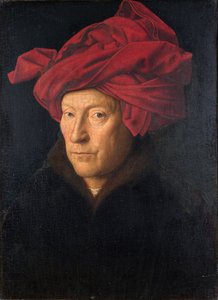
扬·凡·艾克
1390 - 1441 , 荷兰
艺术家简介
- Artistic Movement Or Style: 早期尼德兰绘画
- Artists Or Movements Influenced By This Artist: ['早期尼德兰画家']
- Date Of Birth: 约1390年
- Date Of Death: 1441年
- Full Name: 扬·凡·艾克
- Nationality: 弗拉芒人
- Notable Artworks:
- 根特祭坛画
- 阿尔诺夫二世夫妇画像
- 德累斯顿三联画
- 蓝色帽子男子像
- Place Of Birth: 马斯特里赫特,荷兰
相关文章

Early Netherlandish Masters: 10 Paintings That Revolutionized Art & Decor
Journey into the world of Early Netherlandish painting! Explore 10 masterpieces by Jan van Eyck, Rogier van der Weyden & more. Discover stunning detail, symbolism & Renaissance art for your home decor. Find museum-quality reproductions on OriginalUniqueArt.com
梵高25幅杰作:艺术、情感与家居装饰的灵感之源 | OriginalUniqueArt
探索文森特·梵高25幅杰作!深入了解《星夜》、《向日葵》等经典作品背后的故事与艺术技巧。OriginalUniqueArt.com提供博物馆品质的油画复制品,为您的家居带来后印象派的色彩与灵感。立即在线探索完整系列。

Jan van Eyck: Innovation, Symbolism & the Dawn of Early Netherlandish Painting
Explore the revolutionary art of Jan van Eyck! Discover his groundbreaking oil painting techniques, hidden symbolism, and lasting impact on the Early Netherlandish Renaissance. A deep dive for art enthusiasts.

Early Netherlandish Masters: 10 Paintings That Revolutionized Art & Decor
Journey into the Early Netherlandish Renaissance! Explore 10 iconic paintings by Jan van Eyck, Rogier van der Weyden & more. Discover stunning detail, symbolism, and oil painting techniques. Find museum-quality art reproductions for your home at OriginalUniqueArt.com.
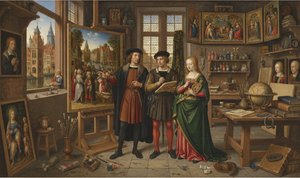
Masters of Light: A Definitive Guide to the Early Netherlandish Renaissance and its Revolutionary Artistry
Explore the profound beauty of the Early Netherlandish Renaissance. Discover how masters like Jan van Eyck revolutionized art through oil painting, light, and symbolism. A definitive guide for history lovers and collectors seeking to understand the Northern Renaissance.