
 实景预览
实景预览
 发送
发送 分享
分享
 详情
详情 指南
指南

 下载图片
下载图片
 相似作品
相似作品 X射线
X射线 幻灯片播放
幻灯片播放 统计数据
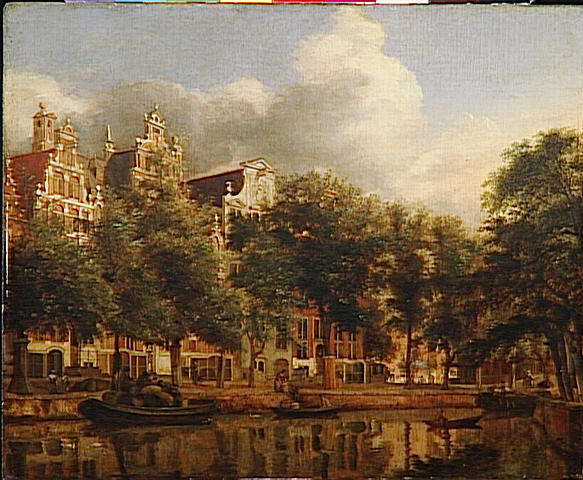
统计数据LE HERENGRACHT A AMSTERDAM


 阅读全文
阅读全文
艺术微喷/版画
博物馆级艺术微喷或帆布版画,制作高效,并提供多种饰面选择。 ( 订购此收藏品的纯手工复刻画作 切换至数字图像销售渠道)




P118B $10

P118H $10

P118W $10

P438Z $10

P508JH $12

P508YH $12

P805H $10

P805Z $10

P919BZ $10

P919G $10

P919XJ $10

P959ZH $10

P968JZ $12

W106C $8

W218G $10

W218JH $8

W218Y $10

W307PJ $10

W316G $10

W316PJ $8

W316Y $10

W398PJ $8

W4111J $10

W500HY $15

W500JH $15

W692G $12

W849H $8

W940BG $15

W953PJ $8




您可以从与原作比例一致的预设尺寸中进行选择。

您可以输入自定义尺寸,以适配特定的画框或空间。如果您选择的尺寸与原图比例不符,我们将对作品进行裁剪,或通过镜像填充/纯色填充边缘的方式来扩展图像。在开始制作之前,我们会向您发送一份数字效果图供您确认。
请注意,屏幕上的预览并不能反映实际的裁剪或扩展效果。只有效果图才能准确展示最终的构图。
虽然我们提供定制尺寸,但为了保持原图比例,我们建议您从预设列表中选择尺寸。


 玻璃选项仅适用于110厘米以下的尺寸。

LE HERENGRACHT A AMSTERDAM
艺术微喷/版画
复刻品尺寸说明
-


总计金额
$ 80
LE HERENGRACHT A AMSTERDAM – A Window into Dutch Golden Age Grandeur
Jan van der Heyden’s “Le Herengracht à Amsterdam” isn't merely a depiction of a canal scene; it’s a meticulously crafted snapshot of seventeenth-century Amsterdam, encapsulating the city’s ambition and artistic prowess. Painted around 1668-1674, this masterpiece exemplifies Dutch Realism—a stylistic movement dedicated to portraying subjects with unwavering accuracy, prioritizing natural light and detail above idealized representations. It stands as one of Van der Heyden's most celebrated works, showcasing his mastery of architectural perspective and atmospheric effects.Composition & Perspective: Capturing the City’s Rhythm
The canvas presents a horizontal format that powerfully emphasizes the length of the Herengracht canal—a vital artery of Amsterdam’s commerce and social life during its Golden Age. The central focus is undeniably the imposing facades of three opulent buildings lining the canal, rendered with painstaking precision using linear perspective. These structures recede into the distance, creating depth and conveying a sense of grandeur. Atmospheric perspective subtly softens the horizon line and diminishes the vibrancy of distant colors, mirroring the hazy conditions prevalent in Amsterdam at the time—a deliberate artistic choice that enhances realism. The artist skillfully employs overlapping elements – buildings positioned before trees – further reinforcing this illusion of space.Technique & Materials: Layers of Skillful Craftsmanship
Van der Heyden’s technique speaks volumes about his dedication to capturing the essence of his subject matter. He began with an underpainting, establishing tonal values and guiding the overall composition. Subsequent layers of oil paint were applied with meticulous control, utilizing glazing techniques to achieve subtle color transitions and luminous effects. Brushstrokes are visible but restrained—a hallmark of Dutch Realism—suggesting a deliberate effort to avoid ostentation while maximizing visual impact. The artist skillfully utilized materials like oil paints and canvas, reflecting the prevailing artistic practices of the era.Symbolism & Emotional Resonance: More Than Just Landscape
Beyond its technical brilliance, “Le Herengracht à Amsterdam” resonates with symbolic significance. It portrays a city brimming with prosperity and civic pride—a testament to Amsterdam’s role as a leading European center for trade and culture during the Golden Age. The tranquil canal water and orderly buildings evoke a feeling of serenity and stability, mirroring the values championed by Dutch society at the time. While devoid of overt narrative elements, the painting invites contemplation on the beauty of observation and the power of artistic representation to convey emotion—a legacy that continues to inspire viewers centuries later.Historical Context: A Reflection of Amsterdam’s Glory
This artwork is inextricably linked to Amsterdam's Golden Age (roughly 1650-1702), a period marked by unprecedented economic growth, artistic innovation, and cultural flourishing. Jan van der Heyden’s fame stemmed not only from his paintings but also from his pioneering contributions to urban planning and engineering—most notably his invention of street lighting, which transformed Amsterdam into one of Europe's first illuminated cities. “Le Herengracht à Amsterdam” serves as a tangible reminder of this era’s splendor and Van der Heyden’s enduring legacy as a visionary artist and inventor.艺术家简介
荷兰黄金时代的城市景观先驱:扬·凡·德尔·海登的一生与艺术
扬·凡·德尔·海登,1637年出生于荷兰小镇戈林赫姆,是荷兰黄金时代一位举足轻重的艺术家。他的故事并非仅仅是一位以精细细腻的城市景观画作而闻名的画家,更是一位富有创新精神的工程师,其贡献延伸至消防技术和城市规划领域。作为一名门诺派教徒之子,凡·德尔·海登一家于1646年迁居阿姆斯特丹,这一举动深刻影响了他的艺术轨迹。早期的训练很可能在家庭环境中进行,或许受到他的兄弟戈里斯的指导,戈里斯是一位专门制作镜子的工匠。这种早期接触精确性和反射表面的经历,也许微妙地影响了凡·德尔·海登画作中清晰而细致的风格。一些学者认为他曾师从戈林赫姆受人尊敬的玻璃画家雅各布·凡·德尔·乌尔夫特,进一步磨练了他的绘画技巧和色彩运用能力——这些技能最初被应用于创作*verre eglomisé*,一种装饰性的玻璃绘画。从装饰艺术到建筑精度
凡·德尔·海登的艺术道路逐渐转向一项将巩固他在艺术史地位的专业领域:城市景观的描绘。他是第一批几乎完全致力于这一类型的荷兰艺术家之一,成为当时领先的建筑画家。当许多同时代的人专注于肖像画或历史场景时,凡·德尔·海登则将目光投向了阿姆斯特丹及其他地区的繁华街道和庄严运河。他的画布提供了对他的养子城市以及其他荷兰、佛兰德斯和德国城市中心的细致生动的景象。例如《阿姆斯特丹旧教堂前的奥德泽伊兹沃布瓦尔街景》充分体现了他对现实主义的奉献精神,捕捉了砖块上的光影游戏、鹅卵石街道的纹理以及17世纪的生活氛围。他不仅限于现有的地点;凡·德尔·海登还创作了“建筑幻想”,将不同结构的元素融合在一起,预示着后来几个世纪出现的艺术趋势。这些作品展示了他技术精湛的同时,也蕴含着富有创意的想象力。除了城市景观之外,他还偶尔涉猎静物画,如《带有地球仪、书籍和中国丝绸的静物》,展现了他的多才多艺以及对各种主题的关注。工程师的视野:超越画布的创新
凡·德尔·海登的才华远不止艺术领域。他是一位务实的发明家和工程师,积极寻求解决现实问题的方法,尤其是在消防方面。1672年,与他的兄弟尼科拉斯——一位水利工程师——合作,他对消防软管进行了改进,解决了人口稠密城市地区的一项关键需求。这并非仅仅是一次微小的调整;这是一项重大的消防技术进步。他不止于此。凡·德尔·海登于1685年重新组织了阿姆斯特丹的志愿消防队,实施更高效的策略和规程。他的努力最终促成了《Brandspuiten-boek》的出版,被广泛认为是第一本全面的消防手册,其中包含他自己详细的插图。这部作品不仅仅是一份技术指南;更是他对公共安全承诺的证明。此外,他还为阿姆斯特丹设计并实施了一种创新的街道照明方案,照亮了城市的街道一个多世纪,极大地改善了夜间能见度和安全性。遗产与持久影响
扬·凡·德尔·海登于1712年去世,是一位富裕的人,留下了一笔可观的遗产,其中包括他超过七十幅自己的画作——这证明了他一生中的生产力以及当时人们对他的作品的重视程度。他唯一的已知学生是他的儿子扬,后者延续了父亲艺术遗产的一些方面。凡·德尔·海登的影响通过后世的艺术家产生共鸣,特别是那些专门从事建筑绘画的艺术家。他为17世纪的城市生活和建筑提供了宝贵的见解,为现代学者提供了一个当时城市存在的视觉记录。他对城镇景观的创新方法,结合了他对城市安全和基础设施的实际工程贡献,巩固了他作为荷兰历史上一位独特而多才多艺的人物地位。他不仅仅是一位捕捉周围世界的艺术家;他积极塑造着它,改善了居住在那里的人们的生活。凡·德尔·海登的遗产不仅体现在他迷人的画作中,还体现在他的发明对城市安全和基础设施的持久影响中。
扬·凡德海登 (Yáng Fán Dé Hǎi Dēng)
1637 - 1712 , 荷兰
快速概览
- Artistic Movement Or Style: 荷兰黄金时代,巴洛克风格
- Artists Or Movements Influenced By This Artist: ['18世纪威尼斯画派']
- Artists Who Influenced This Artist: ['雅各·凡德乌尔夫特']
- Date Of Birth: 1637年
- Date Of Death: 1712年
- Full Name: 扬·凡德海登
- Nationality: 荷兰国籍
- Notable Artworks (List Of Titles):
- 《阿姆斯特丹旧城墙街景》
- 《静物:地球仪》
- 《建筑幻想图》
- Place Of Birth (City And Country): 荷兰戈林赫姆
相关文章

荷兰黄金时代:十幅定义艺术史的巨作 | OriginalUniqueArt
探索荷兰黄金时代的艺术巅峰! 伦勃朗、维米尔等大师名作,带您领略巴洛克艺术的辉煌。高清画作、博物馆级品质,点亮您的家居空间。OriginalUniqueArt.com 提供精选艺术复制品和定制装饰方案。立即在线探索全系列!
Jan Steen: A Master of Dutch Genre Painting & the Golden Age
Explore the life & art of Jan Steen, a leading Dutch Golden Age painter renowned for his humorous genre scenes & insightful social commentary. Discover his techniques, legacy, and collecting tips.

伦勃朗25幅杰作:光影大师的艺术传奇与家居臻选
探索伦勃朗25幅杰作,领略荷兰黄金时代光影大师的艺术传奇!从《夜巡》到自画像,深入了解巴洛克艺术、历史绘画与人物肖像背后的故事。OriginalUniqueArt.com提供高清艺术复制品及家居装饰灵感。立即探索完整系列!

Masterpieces of Light: A Definitive Guide to the Landscapes of the Dutch Golden Age
Discover the luminous mastery of Dutch Golden Age landscapes. Our expert guide explores the atmospheric realism of masters like Van Goyen and Cuyp. Elevate your space with museum-quality, hand-painted oil reproductions from OriginalUniqueArt.com. Art history, beautifully realized.

Golden Light & Dutch Skies: The Timeless Magic of Dutch Golden Age Landscapes
Discover the breathtaking beauty of Dutch Golden Age landscapes. Explore the mastery of light, chiaroscuro, and 17th-century realism through an expert art history lens, celebrating the enduring legacy of the Dutch Masters for discerning collectors and art lovers.