

 实景预览
实景预览
 发送
发送 分享
分享
 详情
详情 指南
指南

 下载图片
下载图片
 相似作品
相似作品 X射线
X射线 幻灯片播放
幻灯片播放 统计数据
统计数据Paradise
 Oil On Canvas
- WallArt
- Baroque Landscape
 1620
1620- Early Modern
 59.0 x 42.0 cm
 柏林州立博物馆
 阅读全文
阅读全文
艺术微喷/版画
博物馆级艺术微喷或帆布版画,制作高效,并提供多种饰面选择。 ( 订购此收藏品的纯手工复刻画作 切换至数字图像销售渠道)




P118B $10

P118H $10

P118W $10

P438Z $10

P508JH $12

P508YH $12

P805H $10

P805Z $10

P919BZ $10

P919G $10

P919XJ $10

P959ZH $10

P968JZ $12

W106C $8

W218G $10

W218JH $8

W218Y $10

W307PJ $10

W316G $10

W316PJ $8

W316Y $10

W398PJ $8

W4111J $10

W500HY $15

W500JH $15

W692G $12

W849H $8

W940BG $15

W953PJ $8




您可以从与原作比例一致的预设尺寸中进行选择。

您可以输入自定义尺寸,以适配特定的画框或空间。如果您选择的尺寸与原图比例不符,我们将对作品进行裁剪,或通过镜像填充/纯色填充边缘的方式来扩展图像。在开始制作之前,我们会向您发送一份数字效果图供您确认。
请注意,屏幕上的预览并不能反映实际的裁剪或扩展效果。只有效果图才能准确展示最终的构图。
虽然我们提供定制尺寸,但为了保持原图比例,我们建议您从预设列表中选择尺寸。


 玻璃选项仅适用于110厘米以下的尺寸。

Paradise
艺术微喷/版画
复刻品尺寸说明
-


总计金额
$ 80
A Portal to Eden: The Luminous Vision of Jan Brueghel the Younger
To gaze upon Jan Brueghel the Younger’s Paradise is to step through a celestial portal, leaving the mundane world behind for a realm where the divine and the terrestrial converge in a breathtaking display of life. Completed in 1620, this masterpiece serves as more than a mere landscape; it is an immersive experience designed to transport the viewer into the very heart of Eden. The painting unfolds as a symphony of color and texture, where the brilliant plumage of exotic birds—parrots and tropical species—serves as a vibrant focal point against a backdrop of deep, verdant foliage. Every inch of the canvas vibrates with the energy of a world in perfect, primordial harmony.
The composition is a masterclass in the Flemish Baroque tradition, blending the meticulous observational detail inherited from his father, Jan Brueghel the Elder, with the burgeoning grandeur of the seventeenth century. As the eye wanders across the lush terrain, one encounters a veritable zoological catalogue that reflects the scientific curiosity of the era. A lion lies in peaceful repose beside a deer, a powerful symbol of the absence of conflict in the pre-lapsarian state, while a peacock struts with regal confidence nearby. This careful arrangement of fauna creates a sense of profound interdependence and peace, making the artwork an ideal centerpiece for those seeking to bring a sense of tranquility and natural wonder into a sophisticated interior space.
Technique and the Mastery of Light
Technically, Paradise showcases Brueghel’s exceptional command over oil on canvas. The artist employs layers upon layers of pigment to create a breathtaking illusion of depth and luminosity, capturing the way dappled sunlight filters through thick fruit trees laden with apples and oranges. Through the delicate use of hatching and cross-hatching, Brueghel sculpts form and texture, making the velvety skin of a fruit or the soft down of a bird feel almost palpable to the touch. This luminous quality ensures that the painting remains captivating from every angle, as the light seems to shift within the foliage, much like it would in a real forest.
For the discerning collector or interior designer, this work offers an unparalleled opportunity to introduce a sense of historical depth and organic richness to a room. The painting’s ability to balance complex detail with a cohesive, atmospheric mood allows it to anchor a space, whether placed in a sun-drenched gallery or a more intimate study. It is not merely a depiction of a biblical narrative; it is an invitation to contemplate the beauty of creation and the enduring human desire for harmony. Owning a high-quality reproduction of such a monumental work means bringing a piece of the seventeenth-century Flemish soul into the modern home, providing a constant source of inspiration and aesthetic delight.
艺术家简介
圭多·卡尼亚奇:巴洛克时期的谜团
十七世纪的意大利是一座艺术创新的熔炉,而在其生机勃勃的图景中,涌现出了一位极其独特的艺术家——圭多·卡尼亚奇(Guido Cagnacci)。1601年,他出生于坐落在亚平宁山脉间的小村庄圣塔尔坎杰洛。卡尼亚奇的一生与艺术生涯交织着迷人的艺术才华、惊世骇俗的行为,以及一种持久的神秘感,这种特质使他在长达数个世纪的时间里处于相对默默无闻的状态。他不仅仅是一位画家;他更是一个怪人,一个挑衅者,最终成为了一位大师,其作品至今仍散发着一种奇异而令人不安的魅力。
卡尼亚奇的早年岁月在罗马涅度过,在那里他可能接受了最初的艺术训练——尽管相关的细节仍模糊不清。到了1618年,他来到了博洛尼亚,师从享誉盛名的路多维科·卡拉奇(Ludovico Carracci),后者是博洛尼亚画派兴起的关键人物。1620年代初期在罗马的经历,让他进一步接触到了当时的艺术潮流,随后他回到罗马涅并建立了自己的工作室,为各种客户创作作品——从里米尼和福利(Forlì)的富裕家族,到萨卢德乔(Saludecio)和圣塔尔坎杰洛等小城镇。他的风格具有极高的辨识度:脱离了当时的流行趋势,以强烈的感官色彩和探索带有挑衅意味的主题(尤其是涉及女性裸体时)而著称。
然而,卡尼亚奇的生活并不局限于画室之内,而是充满了法律纠纷与个人戏剧。最著名的莫过于1628年,他与一名寡妇特奥多拉·阿丽安娜·斯蒂维维(Teodora Ariambut Stivivi)私奔,这一举动导致他仓皇逃离了里米尼。这仅仅是众多轶事之一;在他的职业生涯中,关于他与年轻女性纠缠(往往伪装成学徒)以及利用法律手段谋取利益的传闻不绝于耳。这些大多记录在刑事档案中的故事,描绘出了一位生活在社会边缘的艺术家形象,他在艺术野心与个人风险之间不断进行着危险的平衡。他是一位擅长伪装与欺骗的大师,频繁更换姓名并在城市间迁徙,始终在寻找新的赞助人与机遇。
令人不安的感官主义
卡尼亚奇艺术的核心在于其毫不掩饰的色情色彩,这一特征使他区别于许多同代艺术家。当圭多·雷尼(Guido Reni)等艺术家擅长描绘理想化的美时,卡尼亚奇却拥抱了一种更为本能、甚至带有不安感的现实主义。他的画中人物并非仅仅是美丽的;他们拥有触手可及的肉体感,以及一种对自己感官魅力的自觉。这一点在他描绘横卧女性的作品中尤为明显——例如《忏悔的抹大拉》,身体的曲线与慵懒的姿态传达出一种脆弱与力量并存的感觉。
他的艺术影响源于多个渠道。他深受圭多·雷尼作品的影响,继承了其标志性的柔和光线与流动的衣褶处理。然而,卡尼亚奇超越了雷尼的克制,为人物注入了更深层次的情感强度。他也从提香(Titian)和委罗内塞(Veronese)等威尼斯大师那里汲取灵感,融入了丰富的色彩调色盘与动态构图。即便受到这些大师的影响,卡尼亚奇仍保留了鲜明的个人风格——一种以高度戏剧化和近乎狂热的能量为特征的风格。
威尼斯的插曲与皇室的认可
1649年左右,卡尼亚奇移居威尼斯,在那里度过了近二十年的时光,主要为私人赞助人创作。这一时期标志着他艺术风格的转变,更加强调光影与色彩的运用。他创作了大量半身女性肖像,在威尼斯精英阶层中极受欢迎。这些绘画并非仅仅是装饰性的;它们渗透着深刻的感官性与心理深度。
1658年,他接受了皇帝斐迪南三世(Emperor Ferdinand III)的邀请,迁往帝国首都维也纳。在这里,他继续为宫廷绘画,创作反映其不断演变的艺术感知的肖像画与宗教场景。尽管在维也纳取得了成功,卡尼亚奇仍是一个带有神秘色彩的人物,从未完全融入维也纳的艺术圈。他于1663年去世,留下了一部庞大的作品集,而这些作品直到20世纪中叶才被世人重新发现。
重新发现与传承
卡尼亚奇作品的重新发现始于20世纪50年代的意大利,这要归功于艺术史学家切萨雷·纽迪(Cesare Gnudi)的努力。纽迪敏锐的分析突显了这位艺术家对巴洛克绘画的独特贡献——即他将精湛的技术与深邃的情感强度相结合的能力。今天,卡尼亚奇被公认为17世纪最具原创性且最具挑战性的艺术家之一,一位其作品至今仍能引发思考与着迷的大师。
他的画作以戏剧性的光影、丰富的色彩和极具感官冲击的人物为特征。它们让我们窥见了一个美与欲望以复杂且往往令人不安的方式共存的世界。卡尼亚奇的遗产不仅在于他的艺术成就,更在于围绕他一生那持久的谜团——那段生活正如他所创作的艺术一样,既不寻常又充满魅力。

小扬·布吕格尔
1601 - 1678 , 比利时
快速概览
- Artistic Movement Or Style: 博洛尼亚画派
- Artists Or Movements Influenced By This Artist: ['巴洛克']
- Artists Who Influenced This Artist: ['圭多·雷尼']
- Date Of Birth: 1601年
- Date Of Death: 1663年
- Full Name: 圭多·卡尼亚奇
- Nationality: 意大利
- Notable Artworks: ['忏悔的玛格达莱娜']
- Place Of Birth: 意大利,圣塔尔坎杰洛
相关文章
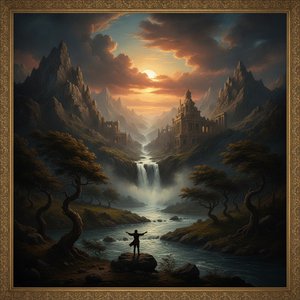
Epic Drama & Dark Vibes: The Ultimate Collector's Guide to Baroque Landscapes
Master the art of drama with our ultimate guide to Baroque landscapes. Discover the power of chiaroscuro, explore legendary masters, and learn how to curate epic, dark-vibe masterpieces for your collection with expert insights from OriginalUniqueArt.
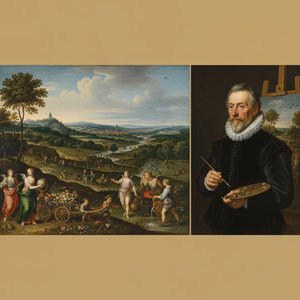
Jan Brueghel the Elder: A Master of Flemish Landscape & Allegory – Exploring Innovation & Influence
Explore the captivating world of Jan Brueghel the Elder, a Flemish Baroque master renowned for his stunning landscapes & allegorical paintings. Discover his collaborations with Rubens and lasting artistic legacy.

Drama in Nature: The Captivating Grandeur of Baroque Landscapes and the Art of Emotional Spectacle
Explore the breathtaking drama of Baroque landscapes. From Rubens's grand vistas to the mastery of chiaroscuro, discover how 17th-century artists transformed nature into a theatrical stage of emotion and light. A deep dive for true art enthusiasts.

浪漫主义画派的十部巨作:定义风景画的艺术传奇
探索浪漫主义风景画的巅峰!本文精选十部经典名作,带您领略莫奈、库尔贝等大师的艺术魅力。感受色彩与光影的诗意,重温自然风光的震撼。OriginalUniqueArt.com为您提供博物馆级别的艺术复制品和个性化家居装饰方案。尽在OriginalUniqueArt.com!

Evocations of Place: A Historical Journey Through Landscape Art
Explore the rich history of landscape art with OriginalUniqueArt. Discover renowned artists, movements like Impressionism & Romanticism, and expert guidance for collecting timeless pieces. Find your perfect serene escape today!