

 实景预览
实景预览
 发送
发送 分享
分享
 详情
详情 指南
指南

 下载图片
下载图片
 相似作品
相似作品 X射线
X射线 幻灯片播放
幻灯片播放 统计数据
统计数据Judith


 阅读全文
阅读全文
艺术微喷/版画
博物馆级艺术微喷或帆布版画,制作高效,并提供多种饰面选择。 ( 订购此收藏品的纯手工复刻画作 切换至数字图像销售渠道)




P118B ¥10

P118H ¥10

P118W ¥10

P438Z ¥10

P508JH ¥12

P508YH ¥12

P805H ¥10

P805Z ¥10

P919BZ ¥10

P919G ¥10

P919XJ ¥10

P959ZH ¥10

P968JZ ¥12

W106C ¥8

W218G ¥10

W218JH ¥8

W218Y ¥10

W307PJ ¥10

W316G ¥10

W316PJ ¥8

W316Y ¥10

W398PJ ¥8

W4111J ¥10

W500HY ¥15

W500JH ¥15

W692G ¥12

W849H ¥8

W940BG ¥15

W953PJ ¥8




您可以从与原作比例一致的预设尺寸中进行选择。

请输入您所需的宽度和高度,以适配您的画框或墙面。由于印刷品只能进行裁剪,无法超出原图尺寸,因此若比例不一致,画面的一部分将会被裁切。在正式印刷之前,我们会为您发送一份数字效果图供您确认。本页面显示的图片并非最终裁剪后的效果——只有效果图才能展示真实的裁剪情况。


 玻璃选项仅适用于110厘米以下的尺寸。

Judith
艺术微喷/版画
复刻品尺寸说明
-


总计金额
¥ 538
Jan Sanders van Hemessen’s “Judith” – A Masterpiece of Moral Drama
Jan Sanders van Hemessen's "Judith," painted around 1540, isn’t merely a depiction of a biblical tale; it’s a meticulously crafted moral drama rendered with the vibrant realism and psychological depth characteristic of the Northern Renaissance. This arresting image captures the pivotal moment when Judith, the courageous Jewish widow, delivers the fatal blow to Holofernes, the Assyrian general, thereby saving her besieged city. Van Hemessen, a key figure in the burgeoning Flemish genre painting movement, elevates this ancient story into a compelling meditation on female strength, strategic cunning, and divine justice – all presented with an astonishing level of detail and emotional resonance.
The composition immediately commands attention. Judith is not portrayed as a delicate heroine; instead, she’s depicted as a powerfully muscled figure, her body taut with effort and determination. Her profile, turned towards the viewer, conveys both resolve and a hint of grim satisfaction. The severed head of Holofernes, held aloft in her other hand, isn't presented in a gruesome manner but rather as a stark symbol of vanquished tyranny. Van Hemessen masterfully utilizes chiaroscuro – the dramatic interplay of light and shadow – to sculpt Judith’s form and emphasize the weight of her action. The dark background serves not as mere backdrop but as a stage upon which this decisive moment unfolds, drawing all focus onto the central figures.
A Renaissance Vision: Style and Technique
Van Hemessen's style is deeply rooted in the artistic traditions of Italy, particularly the work of Michelangelo and Raphael. He absorbed their emphasis on idealized human forms, dynamic poses, and a profound understanding of anatomy. However, he skillfully adapted these influences to create a distinctly Northern Renaissance aesthetic. The painting’s realism is remarkable; from the intricate folds of Judith's dress to the texture of Holofernes’s beard and the glistening blood staining his face, every detail is rendered with painstaking precision. Van Hemessen was renowned for his ability to capture the nuances of human expression, evident in Judith’s focused gaze and the subtle hint of triumph in her posture.
The painting's technique showcases van Hemessen’s mastery of oil paint. He employed a layering approach, building up color gradually to achieve rich, luminous effects. The use of impasto – applying thick layers of paint directly onto the canvas – adds texture and depth to the figures and background. This meticulous attention to detail is further enhanced by his skillful handling of light and shadow, creating a sense of three-dimensionality that brings the scene vividly to life.
Symbolism and Narrative Depth
Beyond its visual beauty, “Judith” is laden with symbolic meaning. The story itself carries significant weight within Jewish tradition, representing themes of courage, faith, and resistance against oppression. Judith’s actions are not simply a violent act but an embodiment of strategic intelligence and righteous defiance. The depiction of Judith as a physically strong woman challenging a powerful male figure speaks to the Renaissance fascination with female agency – a theme that was increasingly explored in art during this period.
Furthermore, the painting can be interpreted as a broader allegory for the triumph of good over evil. Holofernes represents the forces of tyranny and corruption, while Judith embodies virtue and justice. The act of decapitation symbolizes the ultimate defeat of these forces, suggesting that moral strength and strategic action can overcome even the most formidable adversaries. The inclusion of the severed head is not intended to glorify violence but rather to underscore the consequences of injustice and the necessity of resistance.
A Legacy of Moralizing Art
“Judith” stands as a prime example of the moralizing art that flourished in the Netherlands during the 16th century. Artists like van Hemessen sought to create works that not only depicted biblical stories but also conveyed important ethical and religious lessons. This painting, with its compelling narrative, masterful technique, and profound symbolism, continues to resonate with viewers today – a testament to the enduring power of art to illuminate human experience and inspire reflection.
问答详情
“Judith”描绘的是什么内容?
扬·桑德斯·范·赫梅森 的《Judith》 中呈现的主题包括 judith, holofernes, biblical, heroine, violence, assyria, woman, sword。这些主题共同构成了该艺术作品的主旨。
扬·桑德斯·范·赫梅森 的作品《Judith》知名度如何?
扬·桑德斯·范·赫梅森 的《Judith》 的知名度处于 Recognized 水平。这一分类反映了该作品被广泛认可的程度。
在哪里可以找到关于“Judith”的指南?
针对 扬·桑德斯·范·赫梅森 的《Judith》,我们提供了一个 指南 页面:这是一份可打印的艺术品资料页,专为学生及课堂教学使用而设计。
艺术家简介
扬·桑德斯·范·赫梅森:佛兰德风俗画的先驱
扬·桑德斯·范·赫梅森(约 1500 – 约 1566)是佛兰德文艺复兴艺术史上的关键人物,因其在风俗画领域的开创性贡献,以及对充满时代细节且蕴含道德寓意的场景的精湛描绘而闻名于世。他于 1500 年左右出生于比利时的赫梅克塞姆(当时属于布拉班特公国),其艺术生涯始于安特卫普,师从亨德里克·范·克莱夫一世,这使他深植于当时蓬勃发展的尼德兰文艺复兴时期充满活力的艺术氛围之中。他的早年岁月充满了对古典理想与人文主义学术的深刻追求,通过接触诸如《拉奥孔》等古代典范以及米开朗基罗的雕塑作品,这些影响贯穿并渗透了他随后的全部创作。- 早期训练与游历: 范·赫梅森的学徒生涯为他打下了坚实的艺术基础,而 1520 年代初期的意大利之行则极大地开阔了他的视野。这次关键性的访问使他能够沉浸在佛罗伦萨和罗马的艺术热潮中,吸收了由列奥纳多·达·芬奇和米开洛安哲罗所倡导的风格创新——这些艺术家的丰碑式成就深刻影响了那个时代的视觉语言。值得注意的是,他在 1536 年中期还前往巴黎附近的枫丹白露,亲眼见证了当时兴起的“枫丹白露画派第一阶段”,这是一群受命于弗朗索瓦一世之下装饰枫丹白露宫的意大利艺术家群体。这段经历巩固了他对矫饰主义美学的理解,并预示了随后定义该时代的风格演变。
- 罗马主义影响与艺术风格: 范·赫梅森的艺术感性与罗马主义运动完美契合,这一流派是佛兰德绘画中深受意大利文艺复兴理想影响的分支。罗马主义者力求模仿佛罗伦萨艺术的宏伟与精致,优先追求理想化的形式与和谐的构图——这种风格迥异于当时北欧盛行的哥特式传统。他的画作经常融入古典神话与寓言元素,反映了人文主义者对道德哲学和知识对话的痴迷。
风俗画与道德愿景
范·赫梅森的艺术遗产主要建立在他将风俗画确立为佛兰德艺术中一个独立艺术门类的先驱地位之上。不同于占据北欧文艺复兴绘画主流的宗教图像学,风俗场景捕捉了日常生活,以毫不避讳的写实主义描绘了个体在平凡活动与互动中的状态。然而,这些描绘并非仅仅是观察性的记录;它们是道德教化的载体,通过精心构建的叙事和象征性意象来传达伦理准则。他的名作《浪子回头》便是这种双重功能的杰出范例。画面背景是一间细节丰富的酒馆——这见证了他对当代建筑风格与服饰的细致入微——场景在戏剧性的张力中展开,生动诠释了该寓言关于忏悔与宽恕的核心主题。这部作品预示了随后几十年盛行的“欢乐伙伴”传统,展示了范·赫梅森赋予世俗题材以深邃精神共鸣的能力。- 代表作品: 在他众多的画作中,包括《圣马太的召喚》,该作以惊人的心理深度描绘了一个圣经场景,捕捉到了繁华市场中那份触手可及的气息;《自然作为艺术之母的寓言》,展示了一幅赞美艺术创造力的宏大图景——这是范·赫梅森对构图与色彩大师级掌控力的明证;此外还有多幅重要人物的肖像,包括卡塔琳娜·范·赫梅森本人,展现了他捕捉神韵与传达性格的卓越技艺。
遗产与历史意义
尽管 1566 年的“圣像破坏运动”(Beeldenstorm)在宗教动荡时期摧毁了安特卫普的艺术瑰宝,但扬·桑德斯·范·赫梅森的影响力依然持久,塑造了佛兰德艺术的发展轨迹,并确立了他作为时代最杰出艺术家之一的地位。他在风俗画领域的创新方法挑战了传统的艺术规范,将日常生活提升到了审美沉思的高度,并赋予其道德意义。此外,他对矫饰主义美学的运用——以程式化的形式和戏剧性的对比为特征——预示了推动佛兰德艺术进入充满表现力与动态新时代的风格变革。范·赫梅森作为一位远见卓识艺术家的持久声誉,证明了他对追求艺术卓越的坚定承诺,以及他对北欧文化遗产留下的不可磨灭的贡献。
扬·桑德斯·范·赫梅森
1500 - 1566 , 比利时
快速概览
- Artistic Movement Or Style: 罗马主义学派
- Artists Or Movements Influenced By This Artist: ['彼得·阿特森']
- Artists Who Influenced This Artist: ['亨德里克·范·克莱夫 I']
- Date Of Birth: 约 1500 年
- Date Of Death: 约 1566 年
- Full Name: 扬·桑德斯·范·赫梅森
- Nationality: 佛兰芒
- Notable Artworks:
- 浪子回头
- 圣马太的召选
- 自然作为艺术之母的寓言
- Place Of Birth: 比利时,赫米克塞姆
相关文章

伦勃朗25幅杰作:光影大师的艺术传奇与家居臻选
探索伦勃朗25幅杰作,领略荷兰黄金时代光影大师的艺术传奇!从《夜巡》到自画像,深入了解巴洛克艺术、历史绘画与人物肖像背后的故事。OriginalUniqueArt.com提供高清艺术复制品及家居装饰灵感。立即探索完整系列!

Jan van Eyck: Innovation, Symbolism & the Dawn of Early Netherlandish Painting
Explore the revolutionary art of Jan van Eyck! Discover his groundbreaking oil painting techniques, hidden symbolism, and lasting impact on the Early Netherlandish Renaissance. A deep dive for art enthusiasts.

Early Netherlandish Masters: 10 Paintings That Revolutionized Art & Decor
Journey into the Early Netherlandish Renaissance! Explore 10 iconic paintings by Jan van Eyck, Rogier van der Weyden & more. Discover stunning detail, symbolism, and oil painting techniques. Find museum-quality art reproductions for your home at OriginalUniqueArt.com.

Early Netherlandish Masters: 10 Paintings That Revolutionized Art & Decor
Journey into the world of Early Netherlandish painting! Explore 10 masterpieces by Jan van Eyck, Rogier van der Weyden & more. Discover stunning detail, symbolism & Renaissance art for your home decor. Find museum-quality reproductions on OriginalUniqueArt.com
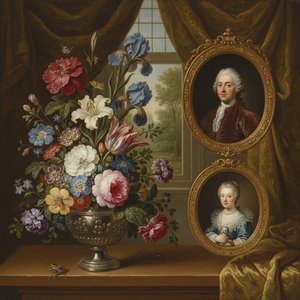
Jan van Kessel the Elder: A Baroque Master of Floral Still Life & Miniature Portraiture
Discover the exquisite detail of Jan van Kessel the Elder's Baroque floral still lifes & captivating miniatures. Explore his artistic legacy, scientific precision, and lasting influence on 17th-century Flemish painting.