
 实景预览
实景预览
 分享
分享 分享
分享
 详情
详情 指南
指南

 下载作品
下载作品
 相似作品
相似作品 X射线
X射线 幻灯片播放
幻灯片播放 问答
问答 统计数据
统计数据LA HALTE MILITAIRE


 展开全文
展开全文
艺术微喷/版画
博物馆级艺术微喷或帆布版画,制作高效,并提供多种饰面选择。 ( 订购纯手工绘制画作 切换至数字图像销售渠道)




P118B ¥10

P118H ¥10

P118W ¥10

P438Z ¥10

P508JH ¥12

P508YH ¥12

P805H ¥10

P805Z ¥10

P919BZ ¥10

P919G ¥10

P919XJ ¥10

P959ZH ¥10

P968JZ ¥12

W106C ¥8

W218G ¥10

W218JH ¥8

W218Y ¥10

W307PJ ¥10

W316G ¥10

W316PJ ¥8

W316Y ¥10

W398PJ ¥8

W4111J ¥10

W500HY ¥15

W500JH ¥15

W692G ¥12

W849H ¥8

W940BG ¥15

W953PJ ¥8




您可以从与原作比例一致的预设尺寸中进行选择。

请输入您所需的宽度和高度,以适配您的画框或墙面。由于印刷品只能进行裁剪,无法超出原图尺寸,因此若比例不一致,画面的一部分将会被裁切。在正式印刷之前,我们会为您发送一份数字效果图供您确认。本页面显示的图片并非最终裁剪后的效果——只有效果图才能展示真实的裁剪情况。


 玻璃选项仅适用于110厘米以下的尺寸。

LA HALTE MILITAIRE
艺术微喷/版画
复刻品尺寸
-


最终结算价
¥ 543
A Moment of Respite
Step closer to observe the quiet activity within this rocky enclosure. In La Halte Militaire, we find ourselves looking into a sheltered, cave-like space where a military regiment has paused its movement. The composition is anchored by a large rock formation that frames the scene, creating a sense of a stage set or a private sanctuary amidst a larger landscape. Within this hollow, life unfolds in small, unhurried gestures. Soldiers tend to their horses and engage in low conversation, while tents and supplies suggest a temporary encampment. There is a certain theatricality to how the light falls, emerging from an unseen source within the shadows to highlight the textures of cloth, skin, and stone.
At the heart of this gathering, a Romani woman performs a quiet ritual, reading fortunes for two soldiers. This interaction introduces a layer of mystery to the scene, pulling our attention toward the human connection found in these fleeting moments of rest. The figures are rendered with a focus on the tangible reality of their existence, from the heavy folds of their garments to the sturdy presence of the animals. It is a scene of transition, capturing the stillness that exists between the marches of war.
The Language of the Bamboccianti
The technique here reflects the influence of the Bamboccianti style, a movement that found beauty in the everyday lives of the lower classes. Rather than seeking idealized grandeur, the brushwork focuses on the grit and detail of Roman street life and its environs. You can see it in the way the artist handles the organic shapes of the human bodies and the rugged surfaces of the earth. The lighting is subdued, casting deep shadows that lend a sense of weight to the figures and their surroundings.
While the landscape suggests an idealized Mediterranean setting, the soul of the painting remains rooted in genre painting. The artist uses linear precision to define the edges of the tents and the rocky backdrop, yet the overall texture is layered and tactile. This approach allows the viewer to feel the dust of the road and the coolness of the shade. There is no attempt to romanticize the hardship of the soldiers; instead, the work offers a direct look at the small, human dramas that occur when the movement of an army comes to a halt.
常见问题与解答
如何发现与 扬·米尔 的《LA HALTE MILITAIRE》 风格相近的艺术品?
与“LA HALTE MILITAIRE”相似的作品已列在艺术品的 相似作品 页面中。
是否可以下载"LA HALTE MILITAIRE"的高分辨率版本?
若想获取 扬·米尔 的《LA HALTE MILITAIRE》 的数字版文件,请前往其 高分辨率数字图像 页面进行 高分辨率数字图像下载。
如何将 扬·米尔 的《LA HALTE MILITAIRE》 应用于家居装饰中?
建议将“LA HALTE MILITAIRE”用于Statement,推荐摆放空间为Living Room。
艺术家简介
扬·米尔:连接荷兰写实主义与巴洛克宏伟篇章的桥梁
扬·米尔(Jan Miel,1599–1663)是十七世纪艺术版图中举足轻重的关键人物,他完美地体现了佛兰德传统与意大利创新之间那场迷人的交汇。尽管关于他的出生地,安特卫普和‘斯海尔托亨博斯仍是潜在的候选地,但可以确定他出生于比利时的贝弗伦。米尔的早年生活笼罩在相对模糊的阴影中,传记细节十分匮乏。然而,通过学术研究,我们能窥见一段非凡的艺术旅程——这段旅程以风格的演变与跨国界的协作为标志,最终奠定了他于罗马与都灵那充满活力的文化环境中的地位。
他的成长期主要是在安特卫普度过的,在那里他潜心磨炼技艺,并深受安东尼·范·戴克等著名佛兰德大师的影响。虽然其受训的具体范围仍难以考证,但这段经历无疑赋予了他对细致观察与精湛技法的敏锐鉴赏力,这些品质成为了他随后艺术创作的核心特征。这种在古典素描与肖像画方面的深厚根基,为他日后跨越地域界限的辉煌职业生涯提供了必不可少的艺术工具。
罗马蜕变与“猎人派”精神
约1636年抵达罗马,标志着米尔艺术轨迹中的一个转型时刻。他迅速加入了Bentvueghels,这是一个由居住在永恒之城的荷兰及佛兰德艺术家组成的极具影响力的社团。在这个兄弟会组织中,他获得了一个令人难忘的绰号——“bieco”,这个名字反映了他那独特的眯眼神态,而这一特征后来也成为了他艺术人格的代名词。通过这种纽带,他在深受彼得·范·拉尔Bamboccianti(猎人派)风格影响的更广泛艺术群体中,建立了深厚的联系。
这一艺术运动致力于描绘罗马及其周边地区底层阶级的日常生活场景,他们摒弃了盛期文艺复兴艺术那种理想化的宏伟感,转而追求一种更加直观、更具生命力的表达。米尔全身心地投入到了这一潮流之中,创作出了一系列迷人的风俗画,以卓越的写实主义与细腻的情感捕捉到了城市生活的灵魂。他的作品中常常蕴含着:
- 充满生机的街头景象,游人、商贩与劳工穿梭其间。
- 对光影的大师级运用,唤起罗马小巷中那尘土飞扬且阳光充沛的氛围。
- 在拥挤而混乱的场景中,捕捉人类情感细微的交织。
- 对织物、岩石与泥土纹理极其考究的刻画。
向古典主义与宫廷宏伟风格的演进
随着职业生涯的推进,米尔的艺术视野经历了一场显著的蜕变。尽管他依然是风俗画领域的宗师,但他开始逐渐脱离“猎人派”那种粗粝的写实感,转向更具古典色彩的历史画创作。这种转变反映了当时欧洲艺术的一个宏观趋势:巴洛克艺术那原始的能量正日益受到秩序、高贵感以及古典寓言追求的调和与约束。
这种演进最终使他获得了显赫的委任,其中最著名的便是担任萨伏依公爵查理·埃马努埃尔二世的宫廷画家。在都灵宫廷的服务生涯中,米尔的作品呈现出更加正式且壮丽的特征。早期罗马场景中的亲密感,逐渐让位于规模更宏大、构图更复杂的作品,这些创作旨在彰显其皇家赞助人的权势与威望。这一时期代表了他职业成就的巅峰,他那植根于细节的佛兰德传统,与欧洲贵族所追求的宏大叙事史诗完美地融合在了一起。
扬·米尔的历史意义在于他游走于这些迥异世界的能力。他是一位能够从罗马街头流浪儿的卑微挣扎中发现美,同时又能在古典史诗的传奇故事中寻得尊严的艺术家。通过架起北方细腻写实主义与南方戏剧性古典主义之间的桥梁,米尔在十七世纪的艺术典籍中留下了不可磨灭的印记,确保了其作为巴洛克时代真正“世界主义者”的艺术遗产永垂不朽。

扬·米尔
1599 - 1663 , 比利时
艺术家简介
- Artistic Movement Or Style: Bamboccianti (巴莫琴蒂风格), 古典主义
- Artists Or Movements Influenced By This Artist: ['Pieter van Laer (彼得·范·拉尔)']
- Artists Who Influenced This Artist: ['Anthony van Dyck (安东尼·范·戴克)']
- Date Of Birth: 1599年 比弗伦 比利时
- Date Of Death: 1663年
- Full Name: Jan Miel (扬·米尔)
- Nationality: Flemish (佛兰德人)
- Notable Artworks:
- Landscape with a Battle between Two Rams (两只公羊搏斗的风景画)
- Roman Lime Kiln with Peasants Gambling (农民赌博的罗马石灰窑)
- Place Of Birth: 比弗伦 比利时
相关文章

Oil on Canvas: A Historical & Technical Exploration of a Timeless Artistic Medium
Explore the rich history & enduring techniques of oil painting on canvas. Discover the science behind its longevity, conservation practices, and contemporary relevance. Expert insights for art enthusiasts.

Bring Drama to Your Walls: The Timeless Elegance of Baroque Oil Masterpieces
Elevate your collection with the dramatic grandeur of Baroque oil masterpieces. OriginalUniqueArt offers exquisite, hand-painted reproductions of the Great Masters, featuring authentic chiaroscuro and premium textures. Discover bespoke artistry and expert consultation for elite collectors worldwide.
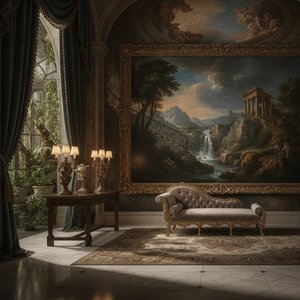
Baroque Landscapes: A Procurement Guide to Dramatic Depth and Grandeur for Professional Hotel Interiors
Elevate hospitality interiors with Baroque landscape reproductions. Our guide for hotel designers covers sourcing hand-painted oils, multi-panel layouts, and large-scale murals to create dramatic, high-end spaces with reliable bulk procurement and global shipping.

巴洛克戏剧性:将辉煌与情感融入当代室内设计
探索巴洛克艺术的辉煌与奢华!OriginalUniqueArt提供精湛的手工油画复制、定制服务和专业艺术咨询,助您将经典作品融入当代室内设计,提升家居品味。投资艺术,传承价值。

Embrace the Drama: A Guide to Baroque Dynamism and Chiaroscuro for Sophisticated Modern Interiors
Discover how to transform your home with the dramatic elegance of Baroque art. Learn to master chiaroscuro, integrate bold oil reproductions, and use light and shadow to create a luxurious, high-impact modern interior with expert design guidance.