

 实景预览
实景预览
 发送
发送 分享
分享
 详情
详情 指南
指南

 下载图片
下载图片
 相似作品
相似作品 X射线
X射线 幻灯片播放
幻灯片播放 统计数据
统计数据Beach at Scheveningen
 Acrylic On Canvas
- WallArt
- Hague School
 1646
1646 92.0 x 108.0 cm
 普拉多博物馆
 阅读全文
阅读全文
艺术微喷/版画
博物馆级艺术微喷或帆布版画,制作高效,并提供多种饰面选择。 ( 订购此收藏品的纯手工复刻画作 切换至数字图像销售渠道)




P118B $10

P118H $10

P118W $10

P438Z $10

P508JH $12

P508YH $12

P805H $10

P805Z $10

P919BZ $10

P919G $10

P919XJ $10

P959ZH $10

P968JZ $12

W106C $8

W218G $10

W218JH $8

W218Y $10

W307PJ $10

W316G $10

W316PJ $8

W316Y $10

W398PJ $8

W4111J $10

W500HY $15

W500JH $15

W692G $12

W849H $8

W940BG $15

W953PJ $8




您可以从与原作比例一致的预设尺寸中进行选择。

您可以输入自定义尺寸,以适配特定的画框或空间。如果您选择的尺寸与原图比例不符,我们将对作品进行裁剪,或通过镜像填充/纯色填充边缘的方式来扩展图像。在开始制作之前,我们会向您发送一份数字效果图供您确认。
请注意,屏幕上的预览并不能反映实际的裁剪或扩展效果。只有效果图才能准确展示最终的构图。
虽然我们提供定制尺寸,但为了保持原图比例,我们建议您从预设列表中选择尺寸。


 玻璃选项仅适用于110厘米以下的尺寸。

Beach at Scheveningen
艺术微喷/版画
复刻品尺寸说明
-


总计金额
$ 80
A Tempestuous Embrace: Jan van Goyen’s “Beach at Scheveningen”
Jan Josephszoon van Goyen's "Beach at Scheveningen," painted in 1646, isn’t merely a depiction of a coastal scene; it’s a masterful distillation of the Dutch Golden Age’s fascination with light, atmosphere, and the subtle poetry of everyday life. This painting, now residing within the Van Gogh Museum, offers a captivating glimpse into a rapidly changing world – a world where the raw power of nature coexisted harmoniously with burgeoning mercantile activity and a growing appreciation for the beauty of the Dutch landscape. The scene unfolds on the North Sea coast near The Hague, capturing a dramatic afternoon where the elements collide in a symphony of grey skies, churning waves, and the earthy tones of the beach itself. It’s a moment frozen in time, imbued with both tranquility and an underlying sense of dynamic energy.The Language of Light and Shadow
Van Goyen's genius lies not in dramatic detail or vibrant color – hallmarks of later Romanticism – but rather in his subtle manipulation of light and shadow. He eschewed the opulent palettes favored by many of his contemporaries, instead employing a restrained palette dominated by grays, browns, and greens. This deliberate limitation forces the viewer to engage with the painting on a deeper level, relying on tonal variations and atmospheric perspective to create a sense of depth and realism. The sky, a swirling mass of dark clouds, dominates the composition, casting an ethereal glow upon the sea and the beach below. Notice how the light catches the crests of the waves, transforming them into fleeting ribbons of silver against the somber backdrop. This masterful use of chiaroscuro – the interplay between light and darkness – is a defining characteristic of Van Goyen’s style, lending the scene an almost palpable sense of drama and immediacy.A Window into 17th-Century Life
“Beach at Scheveningen” offers more than just a beautiful landscape; it provides a valuable window into 17th-century Dutch society. The painting depicts a bustling beach scene, populated by fishermen preparing their boats for the day’s catch and families enjoying the seaside. The figures are rendered with remarkable economy – not through detailed portraits but rather through suggestive brushstrokes that convey their presence and activity. A group of women in white bonnets, identifiable as fishwives, stand attentively watching the men working to bring the boat ashore. This scene reflects the importance of the sea to the Dutch economy at the time, highlighting Scheveningen’s role as a vital fishing port. The inclusion of the horse-drawn cart and its team further emphasizes the connection between land and sea – the transport of goods and people that fueled the region's prosperity.Symbolism and Emotional Resonance
Beyond its historical context, “Beach at Scheveningen” resonates with profound symbolic meaning. The turbulent sea can be interpreted as a metaphor for the unpredictable nature of life itself, while the calm beach represents a moment of respite and connection to the natural world. The gathering storm in the sky foreshadows challenges and uncertainties, yet the scene also exudes a sense of resilience – a quiet determination to face whatever may come. The painting’s muted colors and atmospheric perspective evoke a feeling of melancholy and contemplation, inviting viewers to reflect on their own place within the vastness of existence. It's a reminder that even in moments of apparent chaos, there is an underlying beauty and harmony to be found.A Timeless Masterpiece
“Beach at Scheveningen” stands as a testament to Jan van Goyen’s extraordinary talent and his profound understanding of the Dutch landscape. It’s a painting that rewards repeated viewing, revealing new nuances and subtleties with each encounter. Whether admired for its technical brilliance, historical significance, or emotional depth, this work remains a cornerstone of Dutch Golden Age art – a timeless masterpiece that continues to captivate audiences centuries after its creation. Reproductions offer an accessible way to bring this evocative scene into your home, allowing you to experience the tranquility and drama of Van Goyen’s vision firsthand.艺术家简介
扬·约瑟夫松·范·高延:沉浸于风景的一生
早年岁月与艺术启蒙
- 1596年1月13日,扬·约瑟夫松·范·高延出生于荷兰莱顿。自诞生之日起,他便注定要成为荷兰黄金时代绘画史上的关键人物。
- 他的艺术之路始于莱顿的学徒生涯,随后前往哈勒姆,师从埃塞亚斯·范·德·费尔德深造。这段奠基性的训练,为其日后的艺术蜕变注入了灵魂。
艺术风格的演进与蜕变
- 范·高延的画风极具辨识度:简约而不简单,通过微妙的色调变化,运用以灰色、棕色和绿色为主的有限色谱,营造出一种宁静的意境。
- 他并未追随当时流行的色彩斑斓且细节繁复的风景画风,而是另辟蹊径,开创了一种更加写实且富有空气感的绘画手法。
- 尽管早期的作品仍能窥见范·德·费尔德的影响,但他很快便形成了自己独特的艺术语言,致力于捕捉荷兰风景中那份最本质的神韵。
丰沛的创作与传世名作
- 作为一名极其高产的艺术家,范·高延在其职业生涯中留下了约1,200幅油画和超过1,000幅素描,其创作热情几乎永不枯竭。
- 他的代表作包括:带有风车的河流风景,这是他色调风景画的典范之作;以及湖畔渔民,生动地展现了他描绘宁静水景的卓越天赋。
- 他笔下的主题常常围绕着河流、湖泊、沙丘和辽阔的天空展开,精准地捕捉到了荷兰乡村那独一无无二的自然性格。
艺术影响与历史传承
- 在承袭范·德·费尔德精神的同时,范·高延的作品本身也成为了后世追随的标杆。
- 他的艺术影响力直接渗透到了后来的艺术家中,例如他的学生扬·斯廷便深受其影响。
- 他对写实主义和大气效应的强调,为后世风景画家的发展铺平了道路。
财务困境与晚年生活
- 尽管在艺术成就上登峰造极,但范·高延的一生却始终伴随着沉重的经济压力。
- 他曾投身于各种商业冒险,包括参与著名的“郁金香狂热”时期的投机以及房地产投资,然而这些尝试往往让他深陷债务泥潭。
- 据记载,1656年4月27日他在海牙去世时,身上仍背负着高达18,000荷兰盾的巨额债务。
历史地位与艺术意义
- 范·高延的作品被视为荷兰黄金时代绘画的基石,对风景画艺术的发展做出了不可磨灭的贡献。
- 他捕捉到了17世纪荷兰的精神内核,映射出那个时代日益增长的繁荣以及人类与土地之间深厚的情感纽带。
- 时至今日,他那创新的技法与写实的描绘依然在不断启发着艺术家,并深深吸引着每一位观赏者。

扬·范·高扬
1596 - 1656 , 荷兰
快速概览
- Birth Date: 1596年1月13日
- Birth Place: 荷兰,莱顿
- Death Date: 1656年4月27日
- Influenced: 扬·斯蒂恩 (Jan Steen)
- Influenced By: 埃塞亚斯·范·德·费尔德 (Esaias van de Velde)
- Movement: 荷兰黄金时代绘画
- Name: 扬·约瑟夫松·范·霍延 (Jan Josephszoon van Goyen)
- Nationality: 荷兰
- Notable Works:
- 带有风车的河流风景
- 湖畔渔民
相关文章
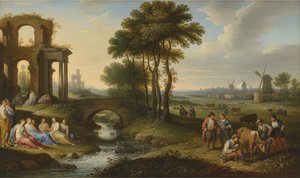
Cornelis van Poelenburch: Bridging Mannerism & the Dutch Baroque Landscape
Discover Cornelis van Poelenburch, a pivotal Dutch Baroque landscape painter bridging Mannerism & Italianate styles. Explore his life, key works, and lasting influence on 17th-century art with OriginalUniqueArt.

Jan van Goyen: Master of Dutch Landscape & Atmospheric Perspective
Discover Jan van Goyen, the master of Dutch landscape painting. Explore his subtle technique, atmospheric realism & lasting influence on art history. Learn about this 17th-century pioneer at OriginalUniqueArt.
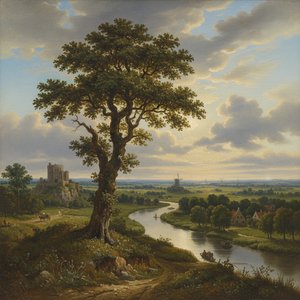
Jacob van Ruisdael: Master of Dutch Landscape & the Evocation of National Identity
Explore the life & work of Jacob van Ruisdael, the preeminent Dutch landscape painter. Discover his technical brilliance, symbolic depth, and lasting influence on art history. Learn about collecting Ruisdael's masterpieces.

伦勃朗25幅杰作:光影大师的艺术传奇与家居臻选
探索伦勃朗25幅杰作,领略荷兰黄金时代光影大师的艺术传奇!从《夜巡》到自画像,深入了解巴洛克艺术、历史绘画与人物肖像背后的故事。OriginalUniqueArt.com提供高清艺术复制品及家居装饰灵感。立即探索完整系列!

Golden Light & Dutch Skies: The Timeless Magic of Dutch Golden Age Landscapes
Discover the breathtaking beauty of Dutch Golden Age landscapes. Explore the mastery of light, chiaroscuro, and 17th-century realism through an expert art history lens, celebrating the enduring legacy of the Dutch Masters for discerning collectors and art lovers.