切换至版画销售渠道
 展开全文
展开全文







































 对于任何边长超过 105 厘米(约 41 英寸)的艺术品或复制品,画框将以拆解后的组件形式发货。此方法可确保安全送达并防止运输过程中的损坏。


A Window into Dutch Domesticity: Jan Steen’s “The Drinker”
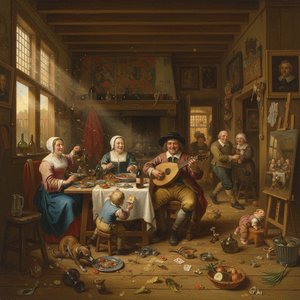
Jan Havickszoon Steen's "The Drinker," painted in 1660, offers a remarkably intimate and unflinching glimpse into the everyday life of the Dutch Golden Age. This captivating scene, measuring 39 x 30 cm, transcends mere portraiture; it’s a meticulously observed tableau of human interaction, brimming with a palpable sense of conviviality and quiet contemplation. Steen, a pivotal figure in Baroque art, distinguished himself by eschewing the grand narratives favored by many of his contemporaries, instead choosing to focus on the richly textured realities of domestic life – scenes that resonate with an unparalleled psychological depth.
- Subject Matter: The painting depicts a casual gathering within a modestly furnished room. A man, identified as the "drinker" in the title, sits at a table smoking his pipe, while his companion lies languidly on the floor. Two additional figures are present, adding to the sense of an impromptu social event.
- Composition: Steen’s masterful composition draws the viewer into the scene with a naturalistic approach. The arrangement of bottles, the bowl on the table, and the positioning of the individuals create a dynamic yet relaxed atmosphere.
The Painter's Vision: Steen's Unique Style
Steen’s artistic legacy rests upon his ability to capture not just appearances but also the subtle nuances of human emotion and behavior. Trained initially under Hendrick Jacobsz. Stoffels, he absorbed foundational skills in portraiture and landscape painting, yet quickly developed a distinctive style characterized by its earthy realism and psychological acuity. Unlike the idealized representations common at the time, Steen’s figures are rendered with an honest portrayal of weariness, amusement, and perhaps even a touch of melancholy. This approach was revolutionary for its era, reflecting a growing interest in portraying the complexities of human experience.
His technique involved meticulous attention to detail – the textures of clothing, the sheen of the pipe, the folds of the woman’s dress – all contributing to the painting's remarkable sense of verisimilitude. The use of light and shadow further enhances the drama and depth of the scene, creating a three-dimensional effect that draws the viewer into the room.
Symbolism and Historical Context
"The Drinker" is more than just a snapshot of a social gathering; it’s imbued with symbolic meaning reflective of its time. The presence of alcohol – represented by the scattered bottles – was a common feature in Dutch domestic life, often associated with relaxation, camaraderie, and even indulgence. Steen's depiction aligns with the broader artistic trend of the period, which sought to portray everyday scenes with moral undertones, subtly reminding viewers of the virtues and vices inherent in human nature. Painted in 1660, during the height of the Dutch Golden Age, the painting reflects a society that valued prosperity, trade, and intellectual pursuits alongside its more boisterous social customs.
Emotional Impact and Artistic Value
Steen’s “The Drinker” possesses an enduring appeal due to its ability to evoke empathy and understanding. The figures are not presented as heroes or villains but as relatable individuals caught in a moment of quiet contemplation. This honest portrayal, combined with Steen's masterful technique and the painting's historical significance, makes it a truly remarkable work of art. A hand-painted reproduction offers an exceptional opportunity to experience this captivating scene firsthand, bringing a touch of Dutch Golden Age charm into any interior space.
常见问题与解答
在“The Drinker”中,融合了怎样的心境与情感?
在“The Drinker”中,Calm 的氛围伴随着 Reflective 的情感。
原件 扬·哈维克斯松·斯滕 (Yáng Hāwèikèsōng Sītēng) 的《The Drinker》 的尺寸是多少?
原作 扬·哈维克斯松·斯滕 (Yáng Hāwèikèsōng Sītēng) 的《The Drinker》 的尺寸为 39 x 30 cm。
“The Drinker” 是什么类型的作品?
在目录中,扬·哈维克斯松·斯滕 (Yáng Hāwèikèsōng Sītēng) 的《The Drinker》 被归类为 WallArt。该类别有助于查找相似作品。
 实景预览
实景预览
 分享
分享 分享
分享
 详情
详情 指南
指南

 下载作品
下载作品
 相似作品
相似作品 X射线
X射线 幻灯片播放
幻灯片播放 问答
问答 统计数据
统计数据