

 实景预览
实景预览
 发送
发送 分享
分享
 详情
详情 指南
指南

 下载图片
下载图片
 相似作品
相似作品 X射线
X射线 幻灯片播放
幻灯片播放 统计数据
统计数据The Crucifixion


 阅读全文
阅读全文
艺术微喷/版画
博物馆级艺术微喷或帆布版画,制作高效,并提供多种饰面选择。 ( 订购此收藏品的纯手工复刻画作 切换至数字图像销售渠道)




P118B $10

P118H $10

P118W $10

P438Z $10

P508JH $12

P508YH $12

P805H $10

P805Z $10

P919BZ $10

P919G $10

P919XJ $10

P959ZH $10

P968JZ $12

W106C $8

W218G $10

W218JH $8

W218Y $10

W307PJ $10

W316G $10

W316PJ $8

W316Y $10

W398PJ $8

W4111J $10

W500HY $15

W500JH $15

W692G $12

W849H $8

W940BG $15

W953PJ $8




您可以从与原作比例一致的预设尺寸中进行选择。

您可以输入自定义尺寸,以适配特定的画框或空间。如果您选择的尺寸与原图比例不符,我们将对作品进行裁剪,或通过镜像填充/纯色填充边缘的方式来扩展图像。在开始制作之前,我们会向您发送一份数字效果图供您确认。
请注意,屏幕上的预览并不能反映实际的裁剪或扩展效果。只有效果图才能准确展示最终的构图。
虽然我们提供定制尺寸,但为了保持原图比例,我们建议您从预设列表中选择尺寸。


 玻璃选项仅适用于110厘米以下的尺寸。

The Crucifixion
艺术微喷/版画
复刻品尺寸说明
-


总计金额
$ 80
The Crucifixion: A Window into Northern Renaissance Grief
Jan Brueghel the Elder’s “The Crucifixion” is not merely a depiction of a pivotal religious event; it's a profound exploration of human response to suffering, rendered with the meticulous detail and emotional depth characteristic of the Flemish Baroque. Painted in Brussels around 1597-1602, this monumental oil on panel offers a visceral experience, pulling the viewer into a chaotic yet deeply moving tableau of grief, curiosity, and detached observation within the context of a Roman crucifixion.
The painting immediately commands attention with its densely populated composition. Brueghel masterfully orchestrates a multitude of figures – mourners draped in somber hues, onlookers scrutinizing the scene with varying degrees of emotion, and even a few individuals seemingly absorbed in their own activities amidst the tragedy. The landscape backdrop, dominated by rolling hills, a distant castle-like structure, and a turbulent sky, provides both spatial context and symbolic weight. The high horizon line amplifies the sense of overwhelming scale, emphasizing the sheer number of people bearing witness to this horrific event.
Brueghel’s technique is a testament to his artistic prowess. He employs a layered approach, building up color and texture through countless thin glazes of oil paint – a hallmark of Northern Renaissance painting. The artist's mastery of hatching and cross-hatching creates a remarkable sense of realism, particularly in the rendering of clothing, faces, and the rough textures of the landscape. Notice how the folds of fabric cling realistically to the bodies of the mourners, while subtle variations in tone capture the nuances of skin and expression. The use of dark blues and grays in the sky contributes significantly to the painting’s somber mood, creating a dramatic contrast with the brighter colors worn by some of the onlookers.
A Symphony of Emotion: Interpreting the Crowd
What truly distinguishes “The Crucifixion” is Brueghel's astute portrayal of human reaction. He doesn’t shy away from depicting the unsettling mixture of emotions present in a crowd witnessing such an event. Some figures are openly weeping, their faces etched with sorrow; others stand silently, lost in contemplation; still others gaze upon the scene with a detached curiosity, almost as if observing a spectacle. This nuanced depiction challenges viewers to consider not only the suffering of Christ but also the complex ways in which humans grapple with tragedy and mortality.
The inclusion of seemingly mundane activities within the scene – a man carrying a basket, a woman tending to a child – underscores Brueghel’s intention to portray the Crucifixion as a universal event, reflecting the human condition. It's a deliberate move away from purely devotional representations, inviting viewers to contemplate the broader implications of suffering and faith.
Symbolism Woven into the Canvas
Beyond its immediate depiction of the crucifixion, “The Crucifixion” is rich in symbolic meaning. The stormy sky serves as a potent metaphor for turmoil and despair, mirroring the emotional landscape of the scene. The distant castle, often interpreted as representing Rome – the seat of imperial power and execution – subtly highlights the political context of Christ’s death. Furthermore, the sheer number of figures present suggests the universality of suffering and the shared experience of mortality.
The positioning of the two prominent crucifixes in the foreground is particularly significant. They serve as focal points, drawing the viewer's eye to the central event while simultaneously emphasizing the enduring nature of faith and sacrifice. The act of crucifixion itself, a brutal and agonizing form of execution, becomes a symbol of redemption and hope within the Christian narrative.
A Legacy of Flemish Mastery
“The Crucifixion” stands as a remarkable achievement in Northern Renaissance art, showcasing Jan Brueghel the Elder’s exceptional technical skill, his profound understanding of human psychology, and his ability to imbue religious subjects with emotional resonance. It shares stylistic similarities with the work of his uncle, Pieter Bruegel the Elder, particularly in its focus on genre scenes depicting everyday life alongside grand historical or religious narratives. However, Jan Brueghel’s painting possesses a greater degree of psychological depth and dramatic intensity.
This powerful image continues to resonate with viewers today, offering a timeless meditation on faith, suffering, and the enduring complexities of the human spirit. Reproductions of “The Crucifixion” provide an accessible way to experience the artistry and emotional impact of this iconic masterpiece, bringing its profound message into homes and spaces around the world.
艺术家简介
早期生活与艺术启蒙
扬·布鲁盖尔老者,一位与充满活力的风景画和精美静物画同义的名字,诞生于一个根植于艺术传统的世系。1568年出生于比利时布鲁塞尔的他,是彼得·布鲁盖尔老者的幼子,这位尼德兰文艺复兴绘画的泰斗,其描绘农民生活和广阔景致的作品早已在艺术史上占据一席之地。父亲的光环本可能令人窒息,但扬却开辟了一条独特的道路,不仅没有成为一位继承者,更成为了蓬勃发展的佛兰巴洛克运动中的创新者。他的早期岁月充满了失去;彼得·布鲁盖尔老者在他还不到一岁时就去世了,母亲十年后也随之离世。最初由祖母梅肯·弗胡尔斯特——一位受人尊敬的艺术家——抚养长大,扬接受了绘画和水彩的基础训练,这是一个滋养性的开端,孕育了他一生对细致观察和技术精湛的奉献精神。早年的培养影响,加上安特卫普的艺术氛围,为他日后以继承技能和个人愿景相结合而展开的事业奠定了基础。
巴洛克风格的绽放
布鲁盖尔的艺术发展深受1590年代前往意大利之行的深刻影响。那不勒斯和罗马向他展示了一种不同的审美情趣,其特点是宏伟、戏剧性和色彩感增强。虽然他吸收了这些影响,但他并没有简单地复制它们;相反,他将它们与从父亲那里继承的北欧现实主义传统融合在一起。这种融合产生了一种独特的风格——一种既庆祝意大利巴洛克风格的辉煌,又体现佛兰绘画精湛细节的风格。他因其令人惊叹的纹理渲染能力而被称为“天鹅绒布鲁盖尔”,尤其是在他的花卉画作中。这些不仅仅是植物研究;它们是对生命短暂美丽的颂扬,并蕴含着象征意义。除了花卉之外,布鲁盖尔还擅长风景画,经常描绘充满日常活动或神话叙事的田园风光。他的构图以广阔的视野和近乎强迫性的细节关注为特征——每一片树叶、每一只昆虫、每一个水波都经过一丝不苟的精确刻画。
合作与创新
扬·布鲁盖尔的事业不仅仅由个人成就定义;他也是一位精湛的合作者。他最重要的合作伙伴是彼得·保罗·鲁本斯,可能是佛兰巴洛克运动中最有影响力的艺术家。两位艺术家分享着深厚的友谊,并经常在大型项目上协同工作,各自贡献其独特的优势。通常,鲁本斯会绘制人物形象,而布鲁盖尔则专注于风景和静物元素。这种合作产生了那个时代最令人叹为观止的作品之一,例如《亚当与夏娃在天堂》,其中鲁本斯的动态人物形象无缝地融入了布鲁盖尔郁郁葱葱且细节丰富的花园场景中。除了与鲁本斯合作之外,布鲁盖尔还是一位多产的创新者,开创了花环画——精致的花卉排列,通常围绕着宗教或神话场景——和天堂风景画等新流派,将风景和静物元素结合起来,创造出对世俗欢乐的奇妙景象。他还开发了画廊绘画,展示了想象中的博物馆环境中的艺术品收藏,反映了17世纪艺术收藏日益增长的兴趣。
持久的影响
扬·布鲁盖尔老者于1625年去世于安特卫普,留下了一份超越了他自身生命的遗产。他一丝不苟的技术、充满活力的色彩和创新的构图深刻影响了后世的佛兰画家。他确立了细节和现实主义的新标准,激励艺术家们突破他们的工艺界限。他的儿子扬·布鲁盖尔小者继承了他的父亲的事业,经常创作出难以与老大师区分的作品。然而,真正建立家族声誉并巩固他在艺术史地位的是扬·布鲁盖尔老者。他的作品不仅反映了那个时代的艺术潮流,也体现了17世纪更广泛的知识和文化转变,包括科学观察的兴起、反宗教改革期间宗教热情的蓬勃发展以及对自然世界之美和复杂性的日益增长的欣赏。布鲁盖尔的画作今天仍然以其精湛的细节、鲜艳的色彩和持久的惊奇感吸引着观众。
- 因其精湛的纹理渲染能力而被称为“天鹅绒布鲁盖尔”。
- 开创了花环画和天堂风景画。
- 与彼得·保罗·鲁本斯建立了紧密的合作关系。

扬·布鲁盖尔老者
1568 - 1625 , 比利时
快速概览
- Artistic Movement Or Style: 佛兰德斯巴洛克
- Artists Or Movements Influenced By This Artist: ['佛兰德斯画家']
- Artists Who Influenced This Artist:
- 彼得·布鲁盖尔老者
- 彼得·保罗·鲁本斯
- Date Of Birth: 1568年
- Date Of Death: 1625年
- Full Name: 扬·布鲁盖尔老者
- Nationality: 佛兰德斯
- Notable Artworks (List Of Titles):
- 海神凯旋
- 静物花卉
- 瀑布风景
- Place Of Birth (City And Country): 比利时布鲁塞尔
相关文章

Mastering Drama and Light: A Definitive Guide to the Flemish Baroque Art Movement
Explore the dramatic brilliance of the Flemish Baroque movement. Discover how masters like Peter Paul Rubens utilized chiaroscuro and dynamic composition to redefine art history through light, shadow, and unparalleled emotion.

The Majesty of Flemish Baroque: A Definitive Guide to Drama, Color, and Grandeur in 17th-Century Masterpieces
Explore the grandeur of Flemish Baroque art. Uncover the dramatic legacy of Peter Paul Rubens and the mastery of light and color. Discover museum-grade, hand-painted oil reproductions and custom commissions at OriginalUniqueArt.com—where history meets fine craftsmanship.

Oil on Canvas: A Historical & Technical Exploration of a Timeless Artistic Medium
Explore the rich history & enduring techniques of oil painting on canvas. Discover the science behind its longevity, conservation practices, and contemporary relevance. Expert insights for art enthusiasts.

巴洛克艺术的戏剧性辉煌:历史背景、风格特征与持久影响
深入探索巴洛克艺术的辉煌历史、独特风格与持久影响。了解卡拉瓦乔、贝尼尼等大师的作品,洞悉反宗教改革运动下的艺术变革。OriginalUniqueArt.com为您提供专业的艺术解读与高清画作欣赏。
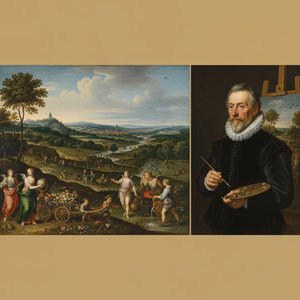
Jan Brueghel the Elder: A Master of Flemish Landscape & Allegory – Exploring Innovation & Influence
Explore the captivating world of Jan Brueghel the Elder, a Flemish Baroque master renowned for his stunning landscapes & allegorical paintings. Discover his collaborations with Rubens and lasting artistic legacy.


