

 实景预览
实景预览
 发送
发送 分享
分享
 详情
详情 指南
指南

 下载图片
下载图片
 相似作品
相似作品 X射线
X射线 幻灯片播放
幻灯片播放 统计数据
统计数据Lieu dit II (rot)
 Oil
Oil- WallArt
- Contemporary Art
 1989
1989- Contemporary
 218.0 x 314.0 cm
 Lentos Kunstmuseum Linz
 阅读全文
阅读全文
手工油画复制品
由我们的艺术家按需定制,为您提供您所选尺寸及画框的布面手工油画。 ( 切换至版画销售渠道 切换至数字图像销售渠道)




































您可以从与原作比例一致的预设尺寸中进行选择。

请输入您需要的宽度和高度,以适配您的画框或墙面。由于作品为手工绘制,若您选择不同的尺寸比例,艺术家可能会在画面边缘多画一些或稍作裁剪 —— 由您决定。在开始绘画之前,我们会为您发送一份数字效果图供您确认。本页面上展示的图片并非最终实物 —— 只有效果图才能反映真实结果。
下单后,OriginalUniqueArt.com 团队将通过电子邮件联系客户获取具体要求,并提供效果预览图


 玻璃选项仅适用于110厘米以下的尺寸。

Lieu dit II (rot)
复制品材质
复刻品尺寸说明
-


总计金额
¥ 2016
A Symphony of Crimson Chaos
In the vast, immersive expanse of Lieu dit II (rot), the viewer is immediately plunged into a visceral, monochromatic world where color ceases to be merely a pigment and becomes an environment. Created in 1989 by the enigmatic German artist Jan Appel, this monumental oil painting—measuring a staggering 218 x 314 cm—commands the space it inhabits with an unapologetic intensity. The work is a masterclass in the use of red, utilizing a spectrum of scarlet, crimson, and deep vermilion to create a textured landscape that feels both tactile and atmospheric. At first glance, the composition presents a sense of profound disarray, as if a moment of creative destruction has been frozen in time. Scattered across the canvas are fragments of red fabric, scraps of paper, and even the sharp, metallic presence of scissors, all layered within a sea of crimson that blurs the line between painting and assemblage.
The technique employed by Appel in this late-career masterpiece suggests a deep engagement with the physical properties of his medium. Rather than seeking a smooth, illusionistic finish, the artist embraces the raw, sculptural quality of oil paint combined with mixed media elements. The way the fabric pieces interact with the painted surface creates a rhythmic, almost percussive visual texture, drawing the eye through a labyrinth of folds and edges. This approach evokes the spirit of late 20th-century abstraction, where the act of creation is as much about the physical struggle with materials as it is about the final image. For the collector or interior designer, this piece offers a profound sense of depth; its sheer scale and complex layering allow it to serve as a powerful focal point that changes character depending on the light and the angle of observation.
Historical Echoes and Emotional Resonance
To understand the turbulent energy of Lieu dit II (rot), one must consider the historical weight carried by Jan Appel. Though often remembered for his revolutionary political activism in early 20th-century Germany, Appel’s later artistic output reflects a lifetime of navigating social and structural upheaval. The "chaos" within this painting—the scattered remnants and the sense of fragmentation—can be read as a metaphor for the fractured nature of modern existence and the beautiful, messy process of reconstruction. There is a profound tension between the destruction suggested by the discarded scraps and the vibrant, life-affirming power of the red hue itself. It is an artwork that does not merely sit on a wall; it breathes with a restless, revolutionary spirit.
For those looking to integrate such a commanding work into a curated space, Lieu dit II (rot) offers unparalleled emotional impact. In a contemporary interior, this reproduction serves as a bold statement of sophistication and intellectual depth. It provides a warm yet provocative energy that can anchor a minimalist room or add a layer of complex history to a more traditional setting. The painting invites contemplation, prompting the viewer to find order within the disorder and beauty within the fragments. Owning a piece of this magnitude is an opportunity to possess a fragment of German art history—a work that captures the raw, unyielding pulse of human expression.
问答详情
“Lieu dit II (rot)”这一Contemporary Art背后蕴含着怎样的国族渊源?
这件Contemporary Art风格的作品《Lieu dit II (rot)》出自一位出生于德国的艺术家之手。
"Lieu dit II (rot)" 是否支持增强现实 (AR) 预览?
通过作品的 AR 预览 页面,您可以在兼容设备上使用增强现实技术,在自己的墙面上预览 扬·阿佩尔 的《Lieu dit II (rot)》。
考虑到其色彩搭配,建议将 扬·阿佩尔 的《Lieu dit II (rot)》 悬挂在哪个房间?
扬·阿佩尔 的《Lieu dit II (rot)》 的 Dark 色调与其推荐的布置空间——Coworking 完美契合。
艺术家简介
扬·阿佩尔的革命精神
扬·阿佩尔的一生与20世纪初德国动荡不安的历史织锦紧密交织,他至今仍是历史上最令人着迷的人物之一。1890年出生于德国梅克伦堡,他的命运轨迹被政治变革的烈火与造船厂沉重的工业气息所塑造。虽然人们常通过其激进主义者的视角来铭记他,但阿佩尔的身份其实是由无产阶级知识分子与革命理论家交织而成的复杂图景。早年间,他对社会变革的深切承诺定义了他的生命底色——1908年加入德国社会民主党(SPD),随后成为左共产主义运动中的重要发声者。1918年德国革命的回响在其传记中久久荡漾,使他不仅是一个历史的观察者,更是一个积极寻求驾驭历史航向的行动者。
他的生活充满了对思想清晰度与实际行动的不懈追求。从服役军旅的岁月到在汉堡福尔根造船厂的劳作,阿佩尔始终生活在阶级斗争的核心地带。他是一个处于“运动”之中的人——既是政治上的奔走,也是肉体上的抗争——尤其是在第一次世界大战结束后,他参与了要求和平与正义的罢工浪潮。通过参与斯巴达克联盟和德国共产党(KPD),以及担任革命企业委员会主席,他置身于那个时代最激烈的政治辩论中心。甚至连他那些惊心动魄的壮举,例如为了代表左共产主义者德国共产党(KAPD)前往俄罗斯而劫持蒸汽船的行为,都成为了他那藐视既定秩序、无畏生活的传奇印记。
动荡中的艺术表达
尽管扬·阿佩尔主要因其革命活动和理论贡献而闻名,但他拥有一种艺术的一面,为人们窥探他的灵魂提供了另一扇窗口。作为一名画家,他利用画布来表达由那个动荡时代所塑造的深刻见解。他的艺术并非仅仅是一种业余爱好,而是一种媒介,通过它,革命与社会剧变那直击人心的现实得以映射。在他的作品中,人们可以感受到一个试图捕捉处于变迁中的世界本质的人所留下的回响,他将政治斗争的混乱转化为视觉的形式。
由于阿佩尔现存文献记载的作品较为稀缺,这反而增添了他的神秘色彩,使得每一件作品都成为了宏大且复杂叙事中珍贵的碎片。他的绘画见证了艺术与行动主义的交汇点——在那里,笔触成为了政治宣言的延伸。虽然他或许未能获得传统大师那样的广泛认可,但他通过审美视角传达20世纪初德国精神的能力,确保了他在创造力与信念之间的历史对话中占据一席之地。
抵抗与反思的遗产
扬·阿佩尔留下的遗产具有深刻的复杂性,它架起了造船厂与画室、理论与生活经验之间的桥梁。他的生命是一项关于德国革命遗产的重要研究,阐明了个人信念如何驱动一个人参与时代最重大的变革。通过他的自传以及有据可查的政治干预,我们得以窥见一个通过阶级斗争与艺术反思的双重棱镜来观察世界的灵魂。
时至今日,阿佩尔的故事依然令历史学家和艺术爱好者们着迷。对于理解革命时期德国身份的多面性而言,他仍是一个不可或缺的人物。无论被视为理论家、活动家还是画家,扬·阿佩尔都象征着人类精神在最动荡的历史洪流中寻求意义与正义的持久力量。

扬·阿佩尔
1890 - 1985 , 德国
快速概览
- Date Of Birth: 1890
- Date Of Death: 1985
- Full Name: 扬·阿佩尔
- Nationality: 德国
- Notable Artworks: ['Lieu dit II (rot)']
- Note: 扬·阿佩尔是一位德国革命家和画家。
- Place Of Birth: 德国不来梅
相关文章

抽象表现主义:十幅定义艺术史的杰作
探索抽象表现主义的十幅经典杰作!波洛克、罗斯科等大师作品,揭秘艺术史上的重要瞬间。OriginalUniqueArt.com为您呈现高品质艺术品复制和精选家居装饰方案,感受现代艺术的力量与魅力。立即浏览全系列!

几何抽象艺术十大杰作:定义现代家居装饰的经典之作
探索几何抽象艺术的十大杰作!康定斯基、蒙德里安等大师作品,色彩构成与非具象之美。OriginalUniqueArt.com提供博物馆级艺术复制品,为您的家居带来现代艺术灵感。立即在线探索完整系列!
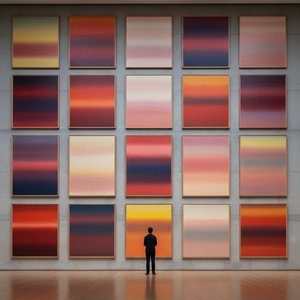
马克·罗斯科25幅杰作:色彩与情感的深度之旅 | OriginalUniqueArt
探索马克·罗斯科25幅杰作,感受抽象表现主义的色彩力量与深刻情感。从经典色域绘画到无题系列,了解艺术史上的大师及其作品背后的故事。OriginalUniqueArt.com提供博物馆级高质量复制品,为您的家居装饰带来艺术灵感!立即探索完整收藏。

Crimson Threads of Narrative: Exploring Symbolism & Representation in Artworks Featuring the Red Dress
Explore the rich symbolism of the red dress in art history! From ancient power displays to iconic portraits like Cézanne’s 'Madame Cezanne', discover the cultural and artistic significance behind this captivating color. Expert analysis & insights.

Kandinsky's Masterpieces: 25 Paintings That Define Abstract Art | OriginalUniqueArt
Journey through Wassily Kandinsky's 25 most iconic abstract paintings. Explore his revolutionary use of color, form & spiritual expressionism. Find museum-quality Kandinsky reproductions and elevate your home decor with OriginalUniqueArt.com. Discover all masterpieces on OriginalUniqueArt.com!