

 实景预览
实景预览
 发送
发送 分享
分享
 详情
详情 指南
指南

 下载图片
下载图片
 相似作品
相似作品 X射线
X射线 幻灯片播放
幻灯片播放 统计数据
统计数据The Reapers
 Oil On Canvas
- WallArt
- Romanticism
 1800
1800 46.0 x 62.0 cm
 耶鲁英国艺术中心
 阅读全文
阅读全文
艺术微喷/版画
博物馆级艺术微喷或帆布版画,制作高效,并提供多种饰面选择。 ( 订购此收藏品的纯手工复刻画作 切换至数字图像销售渠道)




P118B $10

P118H $10

P118W $10

P438Z $10

P508JH $12

P508YH $12

P805H $10

P805Z $10

P919BZ $10

P919G $10

P919XJ $10

P959ZH $10

P968JZ $12

W106C $8

W218G $10

W218JH $8

W218Y $10

W307PJ $10

W316G $10

W316PJ $8

W316Y $10

W398PJ $8

W4111J $10

W500HY $15

W500JH $15

W692G $12

W849H $8

W940BG $15

W953PJ $8




您可以从与原作比例一致的预设尺寸中进行选择。

您可以输入自定义尺寸,以适配特定的画框或空间。如果您选择的尺寸与原图比例不符,我们将对作品进行裁剪,或通过镜像填充/纯色填充边缘的方式来扩展图像。在开始制作之前,我们会向您发送一份数字效果图供您确认。
请注意,屏幕上的预览并不能反映实际的裁剪或扩展效果。只有效果图才能准确展示最终的构图。
虽然我们提供定制尺寸,但为了保持原图比例,我们建议您从预设列表中选择尺寸。


 玻璃选项仅适用于110厘米以下的尺寸。

The Reapers
艺术微喷/版画
复刻品尺寸说明
-


总计金额
$ 80
A Window into Rural Life: The Significance of “The Reapers”
James Ward’s “The Reapers,” painted in 1800, isn't merely a depiction of agricultural labor; it’s a profound meditation on the rhythms of nature, the dignity of work, and the enduring connection between humanity and the land. This oil painting, now housed within the Yale Center for British Art, transports us to a quintessential English countryside scene – a moment captured in time during the harvest season. The composition is remarkably balanced, drawing our eye through a carefully orchestrated arrangement of figures, livestock, and rolling hills under a subtly clouded sky. Ward masterfully employs linear perspective, guiding our gaze from the foreground activity towards the distant village, creating a sense of depth and spatial awareness that anchors the scene within its landscape.
A Romantic Vision: Style, Technique, and Artistic Influences
Ward’s style is firmly rooted in the burgeoning Romantic movement, a reaction against the rigid formalism of Neoclassicism. He eschews idealized beauty for a more earthy realism, capturing the weathered faces, sturdy bodies, and practical attire of his subjects. The brushwork itself is deliberately visible – not meticulously blended but rather applied with confident strokes that convey texture and immediacy. This technique, reminiscent of George Morland’s earlier work (with whom Ward initially shared stylistic similarities), lends a sense of vitality and authenticity to the scene. The use of muted earth tones—ochres, browns, and greens—creates a harmonious palette that reflects the natural world, while subtle highlights draw attention to key details like the gleam of metal tools or the texture of hay.
Beyond Morland’s influence, Ward was deeply inspired by Rubens, whose dynamic compositions and masterful use of light informed his approach. The painting's dramatic lighting – a diffused glow suggesting late afternoon—casts long shadows and highlights the figures, imbuing the scene with an emotional resonance. The careful arrangement of the figures within the landscape also speaks to a broader artistic tradition, echoing the compositional strategies found in works by masters like Poussin.
Symbolism and Social Commentary
“The Reapers” is more than just a picturesque rural scene; it carries subtle layers of symbolic meaning. The central group—a man, woman, and child engaged in harvesting—represents the family unit, working together to provide for their livelihood. The presence of the horse-drawn cart laden with hay symbolizes abundance and prosperity, yet also hints at the arduous labor required to achieve it. The watchful woman on horseback, observing the scene, could be interpreted as a representation of rural virtue or perhaps a commentary on the role of women in society. The distant village, nestled amongst the hills, suggests community and connection, while the cloudy sky subtly foreshadows the coming winter – a reminder of the cyclical nature of life and the importance of preparation.
A Legacy of Romantic Landscape
James Ward’s “The Reapers” stands as a pivotal work in British art history. It exemplifies the Romantic movement's emphasis on emotion, imagination, and the sublime beauty of the natural world. His ability to capture both the physical details of rural life and the underlying emotional resonance of the scene cemented his reputation as one of the era’s most accomplished landscape painters. Reproductions of this captivating artwork continue to resonate with viewers today, offering a glimpse into a bygone era and reminding us of the enduring power of art to transport us to another time and place.
艺术家简介
詹姆斯·沃德:英国艺术的一生
詹姆斯·沃德(James Ward,1769-1859)是一位卓越的英国画家,他以迷人的动物画、浪漫主义风景画以及富有洞察力的肖像画而闻名于世。尽管在同时代的艺术家光芒下,他的名声有时显得稍逊一筹,但他那独树一帜的风格与精湛技艺,却对19世纪英国艺术的发展产生了深远的影响。
早年生活与艺术启蒙
1769年10月23日,詹姆斯·沃德出生于英国伦敦,他是雕刻家威廉·沃德的弟弟。在充满创造力的家庭氛围中,他早期的艺术倾向得到了悉心滋养。虽然他也接受过一定的正式训练,但他的艺术成长很大程度上源于自学,并深受对自然的细致观察与反复实践的影响。
艺术演进与风格流变
从艺术影响力的角度来看,沃德的职业生涯通常被划分为两个截然不同的时期。在1803年之前,他的作品带有强烈的其姐夫乔治·莫兰(George Morland)的色彩,主要表现风俗场景并聚焦于平凡的日常生活。然而,随着时移世易,他开始深受巴洛克大师彼得·保罗·鲁本斯(Peter Paul Rubens)的启发,作品转向了更为动态的构图,运用丰富的色彩调色盘,以及极具戏剧性的光影处理手法。
传世杰作与艺术风格
沃德那独一无二的风格使他在众多同辈艺术家中脱颖而出。他在多种艺术领域均表现卓越,涵盖了历史画、肖像画、风景画以及动物艺术。在他最负盛名的作品中:
- 《戈达尔峡谷》(Gordale Scar)(1814/15):这幅描绘约克郡峡谷的戏剧性杰作被视为他的巅峰之作,完美诠释了英国浪漫主义艺术中的“崇高”特质。
- 《偷鹿者》(The Deer Stealer)(1823):此画受西奥菲勒斯·莱维特委托创作,展现了沃德在叙事性与动物刻画方面的精湛技艺。
- 《约翰·莱维特在斯塔福德郡威奇诺狩猎》(John Levett Hunting at Wychnor, Staffordshire)(1817):作为其赞助人之一的肖像画,这件作品展示了他捕捉人物神韵与营造氛围的双重能力。
他的绘画作品以对细节近乎苛求的关注为特征,尤其是在动物形态的塑造上,这种细腻感与一种强调自然之美与力量的浪漫主义情怀交织在一起,构成了他艺术灵魂的核心。
委约创作与展览历程
沃德曾受到西奥菲勒斯·莱维特等显赫人物的赞助,这为他带来了大量的委约创作机会。他定期在皇家艺术研究院展出作品,凭借其技艺的纯熟与构思的原创性赢得了广泛认可。1811年,他正式被接纳为该机构成员,这进一步巩固了他在英国艺术界的主流地位。
晚年生活与艺术遗产
沃德一直保持着高产的创作状态,直到1855年的一场中风终结了他的艺术生涯。尽管早年成就斐然,但他最终在1859年11月17日于相对贫困的状态下溘然长逝。
虽然晚年面临经济困窘,但詹姆斯·沃德对英国艺术的影响力却是不容置疑的。他将写实主义与浪漫主义进行独特的融合,为后世的动物画家和风景画家开辟了道路。如今,他的杰作被珍藏于大英美术馆(Tate Britain)和耶鲁大学布里蒂什艺术中心等世界顶尖的艺术收藏机构之中。
历史地位
詹姆斯·沃德在英国艺术从新古典主义向浪漫主义过渡的历史进程中,占据着举足轻重的地位。他成功地架起了传统风俗画与当时兴起的风景及自然主义艺术之间的桥梁,留下了无数令人心驰神往的传世之作,至今仍能带给观众无尽的灵感与愉悦。

詹姆斯·沃德
1769 - 1859 , 英国
快速概览
- Birth Date: 1769年10月23日
- Birth Place: 英国伦敦
- Death Date: 1859年11月17日
- Influenced By:
- 乔治·莫兰德
- 鲁本斯
- Movement: 浪漫主义
- Name: 詹姆斯·沃德
- Nationality: 英国
- Notable Works:
- 戈达尔峡谷
- 偷鹿贼
- 在威克诺狩猎的约翰·莱维特
相关文章

Oil on Canvas: A Historical & Technical Exploration of a Timeless Artistic Medium
Explore the rich history & enduring techniques of oil painting on canvas. Discover the science behind its longevity, conservation practices, and contemporary relevance. Expert insights for art enthusiasts.
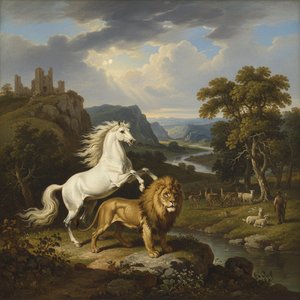
James Ward: A Study in British Romantic Landscape and Animal Painting
Explore the captivating world of James Ward (1769-1859), a master of British Romantic landscape & animal painting. Discover his iconic 'Gordale Scar' and exquisite portraits – a timeless art investment. Learn about his influences, style, and enduring legacy.

Sir Alfred Munnings' Masterpieces: 25 Paintings That Define Equine Art | OriginalUniqueArt
Explore 25 iconic Sir Alfred Munnings paintings! Discover the beauty of British Impressionism, equine art & rural England. Find museum-quality reproductions and elevate your home decor with OriginalUniqueArt. Explore the full collection online.

惠斯勒大师25幅杰作:艺术、家居与永恒之美 | OriginalUniqueArt
探索詹姆斯·惠斯勒25幅杰作!深入了解夜曲、静谧和谐等经典油画背后的故事与艺术魅力。OriginalUniqueArt.com提供博物馆级复制品,为您的家居带来永恒之美。立即在线探索完整系列!

The Enduring Legacy of Oil on Canvas: Technique, History & Aesthetic Impact
Explore the rich history & techniques of oil painting – from Renaissance masters to Impressionism. Discover pigments, layering methods, and why this timeless medium endures. Expert insights for artists & art enthusiasts.