

 效果预览
效果预览
 购买印刷品
购买印刷品 分享
分享 分享
分享
 详情
详情

 下载
下载
 相似作品
相似作品 X射线
X射线 幻灯片播放
幻灯片播放The Slum
 Acrylic On Canvas
- WallArt
- Glasgow School
 1916
1916 91.0 x 71.0 cm
 阿什莫利博物馆
 展开详情
展开详情




P118B $10

P118H $10

P118W $10

P438Z $10

P508JH $12

P508YH $12

P805H $10

P805Z $10

P919BZ $10

P919G $10

P919XJ $10

P959ZH $10

P968JZ $12

W106C $8

W218G $10

W218JH $8

W218Y $10

W307PJ $10

W316G $10

W316PJ $8

W316Y $10

W398PJ $8

W4111J $10

W500HY $15

W500JH $15

W692G $12

W849H $8

W940BG $15

W953PJ $8




从与原作比例一致的预设尺寸中进行选择。

您可以输入自定义尺寸,以适配特定的画框或空间。如果所选尺寸与原图比例不符,我们将通过裁剪作品或添加手绘元素来扩展画面。数字样稿将在制作开始前发送给您确认。
请注意,屏幕预览无法准确反映实际的裁剪或扩展效果,只有样稿才能真实呈现最终的构图。
虽然我们提供定制尺寸服务,但为了保留原作比例,建议您从预设列表中选择尺寸。
下单后,OriginalUniqueArt.com 团队将通过电子邮件联系客户获取具体要求,并提供效果预览图。


 玻璃选项仅适用于110厘米以下的尺寸。

The Slum
复制材质
复制品尺寸
-


最终总价
$ 300
作品详情
A Glimpse into Urban Decay: The Haunting Beauty of “The Slum”
James Ferrier Pryde’s “The Slum,” painted in 1916, isn't merely a depiction of a neglected corner of Edinburgh; it’s a profound meditation on poverty, social injustice, and the encroaching shadows of modernity. Born amidst the artistic ferment of Glasgow’s School of Art, Pryde developed a distinctive style—a masterful blend of atmospheric realism and subtle symbolism—that resonated deeply with the anxieties of his time. This painting, now housed in the Ashmolean Museum, offers a stark yet strangely beautiful portrayal of a working-class neighborhood grappling with hardship and neglect.
The scene unfolds within a narrow alleyway, dominated by a towering tenement building that seems to lean precariously towards the viewer. Pryde’s masterful use of light and shadow immediately establishes an unsettling mood. The muted palette—a symphony of grays, browns, and ochres—evokes a sense of dampness, decay, and oppressive gloom. Rain streaks down the walls, reflecting the weak light from unseen windows, while deep shadows conceal the lives within. The composition is deliberately claustrophobic, drawing the eye into the heart of the slum and emphasizing its suffocating atmosphere.
Technique and Artistic Influences
Pryde’s technique is characterized by a loose, expressive brushstroke—a hallmark of his work with the Beggarstaffs poster company. He eschews meticulous detail in favor of capturing the essence of the scene, prioritizing mood and atmosphere over photographic realism. The painting's texture is rich and layered, achieved through multiple thin applications of oil paint, creating a palpable sense of depth and physicality. There’s an undeniable influence from Whistler’s atmospheric style, particularly in Pryde’s ability to evoke emotion through color and light—a skill honed during his brief but formative time studying in Paris.
Furthermore, the painting subtly references classical architecture, most notably the Roman ruins of Pompeii. The building's form echoes the grandeur of ancient structures, suggesting a lost sense of order and beauty amidst the squalor. This juxtaposition—the crumbling tenements against the backdrop of classical imagery—serves as a poignant commentary on the decline of society and the erosion of values.
Symbolism and Social Commentary
“The Slum” is far more than a simple depiction of urban poverty; it’s a powerful social statement. Pryde wasn't simply documenting a physical space; he was exploring the human cost of industrialization and social inequality. The figures visible on the balcony—a small group of men, seemingly detached from the misery below—represent the indifference of the upper classes to the plight of their less fortunate neighbors. Their presence underscores the painting’s central theme: the isolation and marginalization experienced by those living in poverty.
The title itself is deliberately provocative, suggesting a deliberate confrontation with uncomfortable truths. Pryde's choice of "Slum" as the name for this work reflects his own artistic philosophy—a commitment to portraying the realities of life, even when they are unpleasant or challenging. It’s a stark reminder that beauty can be found in unexpected places, and that art has the power to expose injustice and provoke empathy.
A Timeless Masterpiece
“The Slum” remains a profoundly moving work of art—a testament to Pryde's artistic vision and his unwavering commitment to social justice. Its haunting atmosphere, evocative symbolism, and masterful technique continue to resonate with viewers today, prompting reflection on the enduring challenges of poverty, inequality, and the human condition. Reproductions of this powerful painting offer a unique opportunity to bring this poignant scene into your home or office, serving as a constant reminder of the importance of compassion and social responsibility.
艺术家简介
镌刻于氛围之中的生命:詹姆斯·费雷尔·普赖德的世界
1866年3月30日,詹姆斯·费雷尔·普赖德(James Ferrier Pryde)出生于爱丁堡一个艺术底蕴深厚的家庭——他与著名的苏格兰画家罗伯特·斯科特·劳德和詹姆斯·埃克福德·劳德有着亲缘关系。这段出身为他开启了一段在绘画与平面设计领域都留下不可磨灭印记的旅程。他的早年生活浸润在充满启发性的知识氛围中;他的父亲大卫·普赖德曾担任爱丁堡女子学院的校长,营造了一个重视教育与创造力的家庭环境。年轻的詹姆斯于1885年至1888年间在皇家苏格兰学院接受了正式的艺术训练,为他日后那难以被简单定义的艺术生涯奠定了基础。格拉斯哥画派的领军人物,尤其是詹姆斯·古斯里和爱德华·亚瑟·沃尔顿,曾给予他极大的鼓励,其影响力塑造了他最初的艺术探索。虽然他在巴黎朱利安学院师从威廉-阿道夫·布格罗进行过短暂的学习,但这段经历对他而言并非决定性的;普赖德感到那里的氛围过于压抑,于是迅速返回苏格兰,带着对自身道路更清晰的认知。乞丐师组合与设计革命
普赖德最重大的合作尝试始于1893年,当时他与威廉·尼科尔森共同组建了“乞丐师组合”(The Begbarstaffs)。这一联盟取得了极其丰硕的成果,在海报设计领域开创了一种全新的美学,极大地挑战了当时的既定传统。在“乞丐师组合”出现之前,海报往往充斥着繁琐的细节与具象的插图;而普赖德与尼科尔森则剥离了多余的装饰,转而拥抱大胆的构图、震撼的意象以及一种戏剧性的感官。他们的设计不仅仅是广告,更是一种宣言,将海报艺术的地位从商业必需品提升到了正统艺术表达的高度。他们刻意避开既定的规范,创作出既具有视觉冲击力又富有智力启发性的作品。尽管这一合作伙伴关系在1899年解散,但其影响力延续了数十年,影响了几代平面设计师,并从根本上改变了视觉传播的格局。他们的创新方法并不局限于海报;他们还制作了极具特色的招牌和其他图形作品,其特征皆在于艺术远见与商业实用性的独特融合。氛围之境:一种绘画语言
尽管普赖德因其在平面设计领域的贡献而闻名,但他真正的热情却在于绘画。他发展出了一种极其个人化的风格,核心围绕着充满氛围感的建筑场景展开。这些作品并非对建筑物的平铺直叙;它们是对情绪与心境的深邃探索,往往渗透着一种戏剧性与预兆感。在他的画布上,宏伟的结构常常令其中的人物显得渺小,以此强调人类在历史与时间重量面前的脆弱。宽阔的笔触与戏剧性的光影效果是他技艺的标志,营造出一种近乎可以触摸到的氛围,将观者引入场景之中。乔瓦尼·巴蒂斯塔·皮拉内西蚀刻画的影响,在他那纪念碑式的构图以及对建筑废墟的痴迷中清晰可见。他并不追求精确的再现;相反,他试图捕捉一个地方的神韵、它的历史以及其内在的忧郁。他的绘画作品往往如同梦境的碎片,既有一种凄美动人的魅力,又带着一丝微妙的惶恐。多才多艺的艺术家:舞台艺术与认可
普赖德的艺术追求并不局限于绘画与设计。在1894年至1899年间,他曾短暂从事演艺事业,这段经历无疑丰富了他的戏剧感以及对空间动态的理解。这种向表演艺术的涉猎也让他结识了爱德华·戈登·克雷格等影响力人物,后者虽然承认他在表演上的局限性,却认可了普赖德作为画家所拥有的卓越天赋。他积极参与各类艺术协会,于1901年成为国际雕塑家、画家与版画家协会的成员,并于1921年担任副主席。1930年,他将视觉艺术带上了舞台,为保罗·罗伯逊在萨沃剧院制作的《奥赛罗》设计了布景,展现了超越画布的艺术多面性。尽管他在生前仅举办过两次个展——一次是1911年的鲍利画廊展,另一次是1933年的莱斯特画廊展——但普赖德赢得了考德雷子爵夫人等赞助人的认可,并受到弗兰克·拉特等评论家的赞誉,后者甚至称其作品为“惊世之作”。永恒的遗产
詹姆斯·费雷尔·普赖德于1941年2月24日在伦敦逝世。虽然他从未刻意归属于任何特定的艺术运动,但他独特的风格以及对20世纪早期艺术的贡献正日益受到重视。1949年举行的一场纪念展在爱丁堡、布莱顿和伦敦巡回展出,帮助重新唤起了人们对他作品的兴趣。尽管他的绘画作品展出频率相对较低,但越来越多的作品被纳入公共收藏,确保了他的氛围之境能够持续震撼观众。普赖德的遗产不仅在于其个人艺术作品的美感,更在于“乞丐师组合”创新的平面设计所带来的深远影响,这种影响至今仍在激励着艺术家与设计师。他始终是一个引人入胜的人物——一位敢于探索建筑情感力量的画家,以及一位帮助重新定义视觉传播语言的设计师。
詹姆斯·费雷尔·普赖德
1866 - 1941 , 英国
艺术家简介
- Artistic Movement Or Style: 平面设计, 氛围艺术
- Artists Or Movements Influenced By This Artist:
- 威廉·尼科尔森
- 平面设计
- Artists Who Influenced This Artist:
- 詹姆斯·古斯里
- 爱德华·沃尔顿
- 惠斯勒
- 布格罗
- 皮拉内西
- Date Of Birth: 1866年3月30日
- Date Of Death: 1941年2月24日
- Full Name: 詹姆斯·费雷尔·普赖德
- Nationality: 英国
- Notable Artworks:
- 带有人物的废墟拱门
- 闹鬼的房子
- 莫尔·卡特珀斯
- Place Of Birth: 英国,爱丁堡
相关文章

惠斯勒大师25幅杰作:艺术、家居与永恒之美 | OriginalUniqueArt
探索詹姆斯·惠斯勒25幅杰作!深入了解夜曲、静谧和谐等经典油画背后的故事与艺术魅力。OriginalUniqueArt.com提供博物馆级复制品,为您的家居带来永恒之美。立即在线探索完整系列!

Sir Alfred Munnings' Masterpieces: 25 Paintings That Define Equine Art | OriginalUniqueArt
Explore 25 iconic Sir Alfred Munnings paintings! Discover the beauty of British Impressionism, equine art & rural England. Find museum-quality reproductions and elevate your home decor with OriginalUniqueArt. Explore the full collection online.
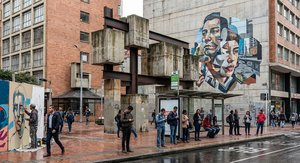
Concrete Narratives: Exploring Urban Life in Modern & Contemporary Art
Explore the evolution of cityscape painting with OriginalUniqueArt. Discover key artists from Realism to contemporary movements & invest in timeless urban visions. Expert guidance, museum-quality reproductions.
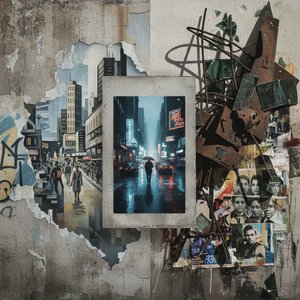
Concrete Visions: Exploring Representations of Urban Life in Modern & Contemporary Art
Explore the evolution of cityscape painting from Realism to contemporary art. Discover key artists & invest in timeless urban visions with OriginalUniqueArt's expert guidance and museum-quality reproductions.

Concrete Visions: Exploring the Urban Landscape in Painting – From Realism to Contemporary Art
Explore the evolution of cityscape painting from Realism to contemporary art with OriginalUniqueArt. Discover key artists & invest in timeless urban visions. Expert guidance, museum-quality reproductions.



