实景预览
实景预览
 发送
发送 分享
分享
 详情
详情 指南
指南

 下载图片
下载图片
 相似作品
相似作品 X射线
X射线 幻灯片播放
幻灯片播放 统计数据
统计数据Christ on the Cross
 Acrylic On Canvas
- WallArt
- Neoclassical Style
 1782
1782 276.0 x 188.0 cm
 圣文森特教堂
 阅读全文
阅读全文
艺术微喷/版画
博物馆级艺术微喷或帆布版画,制作高效,并提供多种饰面选择。 ( 订购此收藏品的纯手工复刻画作 切换至数字图像销售渠道)




P118B ¥10

P118H ¥10

P118W ¥10

P438Z ¥10

P508JH ¥12

P508YH ¥12

P805H ¥10

P805Z ¥10

P919BZ ¥10

P919G ¥10

P919XJ ¥10

P959ZH ¥10

P968JZ ¥12

W106C ¥8

W218G ¥10

W218JH ¥8

W218Y ¥10

W307PJ ¥10

W316G ¥10

W316PJ ¥8

W316Y ¥10

W398PJ ¥8

W4111J ¥10

W500HY ¥15

W500JH ¥15

W692G ¥12

W849H ¥8

W940BG ¥15

W953PJ ¥8




您可以从与原作比例一致的预设尺寸中进行选择。

请输入您所需的宽度和高度,以适配您的画框或墙面。由于印刷品只能进行裁剪,无法超出原图尺寸,因此若比例不一致,画面的一部分将会被裁切。在正式印刷之前,我们会为您发送一份数字效果图供您确认。本页面显示的图片并非最终裁剪后的效果——只有效果图才能展示真实的裁剪情况。


 玻璃选项仅适用于110厘米以下的尺寸。

Christ on the Cross
艺术微喷/版画
复刻品尺寸说明
-


总计金额
¥ 538
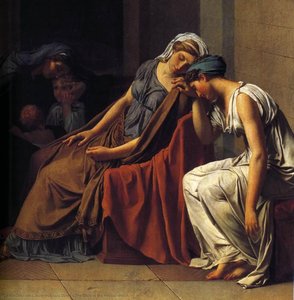
A Monumental Testament to Faith: Jacques-Louis David’s “Christ on the Cross”
The painting "Christ on the Cross," executed by Jacques-Louis David in 1782, stands as a cornerstone of Neoclassical art and a profound meditation on Christian iconography. More than just a depiction of suffering, it embodies the intellectual fervor and moral aspirations that characterized France during the twilight years of the Bourbon monarchy – a period grappling with burgeoning Enlightenment ideals while clinging to traditions rooted in centuries of religious devotion. David’s masterful rendering captures not merely physical pain but also an overwhelming spiritual anguish, reflecting the anxieties and uncertainties simmering beneath the surface of aristocratic society.The Style and Technique: Classical Precision Meets Emotional Depth
David's approach to painting distinguishes itself from the ornate excesses of Rococo through its unwavering commitment to classical principles. Influenced heavily by Michelangelo’s Pietà and Roman sculpture, he meticulously studied anatomical accuracy and idealized form—elements considered paramount in conveying moral virtue and intellectual seriousness. The canvas employs a pyramidal composition, mirroring architectural grandeur and reinforcing Christ's central position as the focal point of divine grace. David utilized oil paints on canvas with painstaking detail, layering glazes to achieve luminous skin tones and capturing subtle nuances of expression. This technique prioritizes clarity and restraint, eschewing frivolous ornamentation for an austere beauty that speaks directly to the viewer’s intellect and conscience.Historical Context: A Nation Seeking Redemption
Painted just before the eruption of the French Revolution, “Christ on the Cross” reflects a palpable yearning for moral reform within the aristocracy. The Bourbon monarchy was facing increasing pressure from Enlightenment thinkers who questioned papal authority and championed reason over dogma—a clash that threatened to destabilize the established order. David’s artwork served as a visual manifesto for these sentiments, presenting Christ as an embodiment of compassion, humility, and sacrifice – virtues deemed essential for rebuilding a fractured nation. The painting's solemn grandeur resonated powerfully with audiences eager for symbols of stability and moral fortitude amidst growing social unrest.Symbolism: Layers of Meaning Beyond the Visible
The iconography within “Christ on the Cross” is rich in symbolic significance. Christ’s outstretched arms represent universal suffering and divine compassion, mirroring the biblical narrative of atonement. The wounds on his body symbolize spiritual purification and foreshadow the resurrection—a cornerstone of Christian faith. The figures flanking Christ – believed to be Saint Mary Magdalene and Nicodemus – embody unwavering devotion and contemplation. Even the bird perched atop the cross is interpreted as representing hope and divine providence, reminding viewers that suffering ultimately leads to salvation.Emotional Impact: A Portrait of Spiritual Suffering
David’s depiction transcends mere visual representation; it strives to evoke profound emotional response. The artist skillfully conveys Christ's agony through subtle gestures and facial expressions—a gaze filled with sorrow and vulnerability—capturing the essence of human experience confronted by divine majesty. The painting compels viewers to contemplate themes of sacrifice, compassion, and redemption, prompting introspection on matters of faith and morality. It remains a testament to David’s ability to transform artistic skill into a vehicle for conveying enduring spiritual truths – an achievement that secures its place as one of the most iconic images of Christian iconography.问答详情
“Christ on the Cross”是如何融入 雅克-路易·大卫 的主题与风格之中的?
在雅克-路易·大卫的作品集中,"Christ on the Cross" 呈现出Neoclassical Style风格,并贯穿着classical idealism, religious piety, revolutionary spirit, human dignity, david’s legacy的主题。
"Christ on the Cross" 是 Neoclassical Style 运动中著名的艺术作品吗?
在目录中,"Christ on the Cross" 在 Neoclassical Style 作品中的流行程度被记录为 Iconic。
"Christ on the Cross" 的画幅比例是多少?
雅克-路易·大卫 的《Christ on the Cross》 采用 Portrait 格式。该格式描述了构图的比例。
艺术家简介
雅克-路易·大卫:革命的画笔,时代的肖像
雅克-路易·大卫(Jacques-Louis David),生于1748年的巴黎,不仅仅是一位画家,更是一位记录时代变迁、承载理想主义的视觉编年史家。他的生命轨迹与法国社会剧烈的变革紧密相连——从洛可艺术风格的衰落到新古典主义的庄严崛起,再到革命的浪潮和拿破仑帝国的辉煌。童年的不幸经历,以及最初因口吃而产生的沟通障碍,似乎反而磨砺了他的观察力,并点燃了他对艺术极致完美的执着追求。尽管最初师从布歇,但他很快便被维安所倡导的历史绘画和古典主题深深吸引,这与他内心深处日益增长的使命感产生了共鸣。屡次尝试却未能获得罗马奖学金,反而激化了他的决心,塑造了他一生的严谨态度。新古典主义的诞生:理性与英雄主义
大卫的艺术进化并非简单的风格转变,而是一种深刻的哲学宣言。他摒弃了洛可艺术那种轻浮的装饰和玩乐主题,转而拥抱古典时代所蕴含的清晰、秩序和道德严肃性。这股潮流深受庞贝古城和赫库兰尼姆遗址考古发现的影响,这些发现揭示了一个此前失落已久的罗马艺术与建筑世界。他的突破之作《霍拉蒂兄弟的誓言》(1784)超越了单纯的绘画技巧,成为了公民美德和爱国牺牲的象征。那幅画作的简洁构图、戏剧性的光线运用以及精确的素描技法,都标志着与过去的决裂。它不仅仅展现了一种新的艺术风格,更预示了即将席卷法国的思想潮流——一种对共和理想的渴望,以及对腐朽统治的反抗。革命与纪念:艺术作为政治武器
1789年法国大革命爆发后,大卫不仅是一位旁观者,更成为了积极的参与者。他热忱地支持革命事业,并与罗伯斯庇尔保持着密切联系,坚信艺术是塑造舆论、永垂不朽共和国理想的有力工具。这一时期的作品,成为了革命烈士和共和热情的象征。《马拉之死》(1793)无疑是他最具代表性的作品之一,它以一种令人心碎的现实主义手法描绘了被刺记者马拉的死亡场景,将其升华为一种世俗圣徒的形象。画面的简洁明快——苍白的尸体、简陋的书桌以及手中紧握的来信——赋予了这一场景深刻的情感共鸣。大卫曾在恐怖统治时期担任公共安全委员会成员,甚至签署了罗伯斯庇尔的死刑判决书,这充分体现了他与当时政治斗争的深度交织。从革命到帝国:为拿破仑效力
罗伯斯庇尔倒台标志着大卫职业生涯中的又一个转折点。他以惊人的适应能力,在不断变化的政治格局中游走,并成为了拿破仑·波拿巴的御用画家。新的赞助使他得以获得一系列宏大的委托,旨在歌颂拿破仑的胜利和成就。《穿过阿尔卑斯山隘道的拿破仑》(1801-1805)便是其中最著名的例子——这是一幅精湛的宣传作品,将拿破仑塑造成一位征服自然与敌人的英雄式人物。《拿破仑加冕礼》(1807)这幅巨大的画作,生动地捕捉了帝国仪式的奢华和庄严,进一步巩固了大卫作为拿波仑时代杰出艺术家的地位。在此期间,他的调色板逐渐变得更加温暖,融入了威尼斯画派的色彩元素,同时仍保持着其风格中特有的精确性和清晰度。流亡、遗产与持久的影响
1814年波旁王朝复辟给大卫带来了新的危机,他与已倒台的拿破仑的关系使他成为迫害的目标。1816年,他选择流亡至布鲁塞尔,在那里继续绘画和教学,直至1825年12月29日的去世。即使在流亡中,他的影响依然深远。他培养了众多学生,包括让-奥古斯特·多米尼克·英格,后者将成为19世纪最重要的新古典主义画家之一。大卫对素描、构图和历史准确性的强调,在新法兰西艺术领域留下了不可磨灭的印记。《他的遗产超越了单纯的模仿》;他对形式和空间的富有表现力的扭曲甚至预示了后来艺术家如亨利·马蒂斯和巴勃罗·毕加索的创新。雅克-路易·大卫不仅仅是一位时代的画家,他 *定义* 了那个时代,将革命、雄心壮志和永恒理想的精髓以画作的形式永久地记录了下来。- 主要成就:确立了新古典主义作为法国绘画的主流风格。
- 历史意义:创作了捕捉法国大革命精神的标志性图像,并描绘了拿破仑时代的辉煌。
- 影响:培养了一代有影响力的艺术家,延续了他的遗产。

雅克-路易·大卫
1748 - 1800 , 法国
快速概览
- 全名: 雅克-路易·大卫
- 出生地点: 法国巴黎
- 出生日期: 1748年8月30日
- 去世日期: 1825年12月29日
- 受此艺术家影响的艺术家或运动: ['让-奥古斯特·多米尼克·英格尔']
- 国籍: 法国人
- 影响该艺术家的艺术家:
- 弗朗索瓦· Boucher
- 约瑟夫-玛丽·维恩
- 艺术运动或风格: 新古典主义
- 著名作品:
- 《霍拉蒂兄弟的誓言》
- 《马拉之死》
- 《拿破仑过阿尔卑斯山》
相关文章

巴洛克艺术的戏剧性辉煌:历史背景、风格特征与持久影响
深入探索巴洛克艺术的辉煌历史、独特风格与持久影响。了解卡拉瓦乔、贝尼尼等大师的作品,洞悉反宗教改革运动下的艺术变革。OriginalUniqueArt.com为您提供专业的艺术解读与高清画作欣赏。
新古典主义肖像画:理性、权力与永恒美的追求
探索新古典主义肖像画的魅力!OriginalUniqueArt 提供专业艺术解读、精美手工油画复制及定制服务。深入了解大卫、安格尔等大师,提升您的艺术鉴赏力与收藏价值。

巴洛克戏剧性:将辉煌与情感融入当代室内设计
探索巴洛克艺术的辉煌与奢华!OriginalUniqueArt提供精湛的手工油画复制、定制服务和专业艺术咨询,助您将经典作品融入当代室内设计,提升家居品味。投资艺术,传承价值。

巴洛克艺术巅峰:十部巨作定义时代,点亮您的臻品格调
探索巴洛克艺术的辉煌!本文精选十部巨作,带您领略卡拉瓦乔、伦勃朗等大师的光影魔法与戏剧张力。从黄金时代到宗教绘画,感受奢华与精致。OriginalUniqueArt.com为您提供博物馆品质的艺术复制品和家居装饰灵感。尽在OriginalUniqueArt.com!

Jacques-Louis David: Neoclassical Ideals & Revolutionary Witness
Explore the life & art of Jacques-Louis David, leading Neoclassical painter of the French Revolution. Discover iconic works like 'The Death of Marat' and his lasting impact on art history. Expert analysis & high-quality reproductions at OriginalUniqueArt.