实景预览
实景预览
 发送
发送 分享
分享
 详情
详情 指南
指南

 下载图片
下载图片
 相似作品
相似作品 X射线
X射线 幻灯片播放
幻灯片播放 统计数据
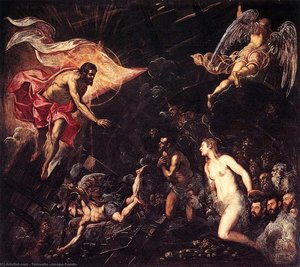
统计数据The Last Supper
 Oil On Canvas
- WallArt
- Early Baroque
 1579
1579 538.0 x 487.0 cm
 圣马可区
圣马可区
 阅读全文
阅读全文
艺术微喷/版画
博物馆级艺术微喷或帆布版画,制作高效,并提供多种饰面选择。 ( 订购此收藏品的纯手工复刻画作 切换至数字图像销售渠道)




P118B $10

P118H $10

P118W $10

P438Z $10

P508JH $12

P508YH $12

P805H $10

P805Z $10

P919BZ $10

P919G $10

P919XJ $10

P959ZH $10

P968JZ $12

W106C $8

W218G $10

W218JH $8

W218Y $10

W307PJ $10

W316G $10

W316PJ $8

W316Y $10

W398PJ $8

W4111J $10

W500HY $15

W500JH $15

W692G $12

W849H $8

W940BG $15

W953PJ $8




您可以从与原作比例一致的预设尺寸中进行选择。

您可以输入自定义尺寸,以适配特定的画框或空间。如果您选择的尺寸与原图比例不符,我们将对作品进行裁剪,或通过镜像填充/纯色填充边缘的方式来扩展图像。在开始制作之前,我们会向您发送一份数字效果图供您确认。
请注意,屏幕上的预览并不能反映实际的裁剪或扩展效果。只有效果图才能准确展示最终的构图。
虽然我们提供定制尺寸,但为了保持原图比例,我们建议您从预设列表中选择尺寸。


 玻璃选项仅适用于110厘米以下的尺寸。

The Last Supper
艺术微喷/版画
复刻品尺寸说明
-


总计金额
$ 80
A Dramatic Revelation: Tintoretto’s “The Last Supper”
Jacopo Tintoretto's "The Last Supper," painted in 1579, isn’t merely a depiction of a biblical event; it’s a visceral experience. This monumental oil on canvas, measuring an impressive 538 x 487 cm, plunges the viewer directly into the heart of Christ’s final meal with his disciples – a scene brimming with tension, betrayal, and profound spiritual weight. Tintoretto, born Jacopo Robusti in Venice around 1518, possessed a restless genius that defied conventional artistic boundaries. Unlike many artists who relied on established apprenticeship models, Tintoretto forged his own path, driven by an insatiable curiosity and a relentless pursuit of innovation. His early career was marked by a somewhat contentious relationship with the esteemed Titian, adding to the enigmatic aura surrounding this master Venetian painter.
The painting’s power resides in Tintoretto's masterful manipulation of light and shadow – a hallmark of his dramatic style. He employs *chiaroscuro* with breathtaking intensity, sculpting figures from deep darkness and bathing them in pools of radiant illumination. This theatrical use of light doesn’t simply illuminate the scene; it actively shapes our emotional response, highlighting moments of revelation and despair. Notice how Christ's face, bathed in a golden glow, exudes both serenity and sorrow, while Judas Iscariot is deliberately shrouded in shadow, embodying his treachery.
Compositional Innovation and Venetian Style
Tintoretto’s composition is revolutionary for its time. He abandons the traditional symmetrical arrangement of the Last Supper, opting instead for a dynamic, almost chaotic grouping of figures. The table dominates the scene, not as a static object but as a stage upon which drama unfolds. The disciples are arranged in a swirling vortex, each reacting to Christ’s pronouncement with varying degrees of astonishment, disbelief, and apprehension. This deliberate asymmetry creates a sense of movement and immediacy, pulling the viewer into the narrative.
Furthermore, Tintoretto's Venetian style is evident throughout. He utilizes rich, vibrant colors – deep reds, blues, and golds – characteristic of the region’s artistic tradition. However, he departs from Titian’s emphasis on polished surfaces and luminous color to embrace a more textured, almost impasto-like application of paint. This technique adds depth and physicality to the figures, imbuing them with a remarkable sense of presence. The inclusion of two potted plants flanking the room subtly references the Garden of Eden, hinting at the fall from grace that is about to unfold.
Symbolism and Spiritual Depth
Beyond its dramatic visual impact, “The Last Supper” is laden with symbolic meaning. Christ’s gesture – lifting his hand in a pronouncement – represents the institution of the Eucharist, the cornerstone of Christian faith. The reactions of the disciples are carefully rendered to convey their individual personalities and foreshadowing their future fates. Judas's averted gaze and subtle gesture of offering a coin immediately identify him as the betrayer, while Peter’s indignant posture reflects his denial of Christ.
The overall atmosphere evokes not just a historical event but also a profound meditation on faith, betrayal, sacrifice, and redemption. Tintoretto wasn't simply illustrating a biblical story; he was exploring the very essence of human experience – our capacity for both love and treachery, hope and despair. The painting’s enduring power lies in its ability to resonate with viewers across centuries, prompting reflection on timeless themes.
A Timeless Masterpiece: Reproduction Possibilities
OriginalUniqueArt offers meticulously crafted hand-painted reproductions of Tintoretto's “The Last Supper,” capturing the artist’s dramatic intensity and masterful technique. Each reproduction is created using archival-quality materials, ensuring that the colors and details remain vibrant for generations to come. Whether you are an art collector, interior designer seeking a statement piece, or simply someone captivated by this iconic image, our reproductions provide an authentic and beautiful way to experience the genius of Jacopo Tintoretto. Consider how this monumental scene could transform your space – injecting drama, history, and spiritual depth into any room. Explore our selection today and bring the power of “The Last Supper” into your world.
艺术家简介
雅各布·丁托列图:光影与狂想的威尼斯巨匠
雅各布·丁托列图(Jacopo Tintoretto),生于1518年的威尼斯,是文艺复兴晚期至巴洛克艺术过渡时期最具影响力的画家之一。他的名字“丁托列图”源于他父亲染坊的手艺,却未能预示出这位艺术家将为威尼斯绘画史留下的深刻印记。与许多艺术家不同的是,丁托列图的成长之路并非循规蹈矩,而是由无尽的好奇心和创新精神驱动。虽然短暂地跟随提香学习,但似乎并未获得理想的体验,这反而促使他踏上了一条独立的发展道路,以大胆的实验和独特的风格著称。他沉浸在人体解剖学研究中,甚至据传曾进行尸体解剖,并勤奋钻研古典雕塑及其他大师的作品,为日后的艺术生涯奠定了坚实的基础。狂热与创新:风格的形成
丁托列图的艺术发展充满了近乎疯狂的热情,因此被人们称为“狂喜者”(Il Furioso)。这个绰号不仅形容了他绘画的速度,更捕捉到了他作品中蕴含的强烈情感和戏剧张力。即使在早期作品中,就已能窥见他对传统威尼斯画派的突破。虽然继承了提香在色彩运用上的优点,丁托列图却转向了米开朗基罗那充满力量的人物形象和戏剧化的构图。他将这些影响融会贯通,创造出一种全新的风格:以细长的身形、旋转的 Draperies 和创新的透视技巧为特征,常常营造出令人眩晕的深度和运动感。他摒弃了同时代画家们所推崇的精细刻画,转而采用快速、近乎素描般的笔触,传递出即时性和原始的情感。这种技巧,结合他对明暗对比(*chiaroscuro*)的大胆运用,使他能够创造出无与伦比的戏剧性和心理强度。他不仅仅是在描绘事件,更是在传达其情感核心。圣洛卡教堂:艺术成就的巅峰
丁托列图一生创作了大量的作品,涵盖宗教叙事、历史寓言和肖像画。然而,他最重大的成就莫过于为威尼斯圣洛卡大厦(Scuola Grande di San Rocco)所创作的一系列绘画作品。在长达五十年多的时间里,丁托列图用超过六十幅画布装点了这座大厦的厅堂,将其变成了一座献给信仰和人类经验的壮丽视觉见证。“最后的晚餐”等晚期作品,展示了他对透视和构图的持续实验。与传统描绘方式不同,丁托列图将场景设置在一个光线昏暗、建筑结构不稳定的空间中,突出了基督与门徒最后晚餐时的情感动荡。其他著名的作品包括“释放奴隶的圣马可奇迹”,展现了他对动态构图和透视法的精湛运用,以及为威尼斯教堂和宫殿创作的众多作品,这些作品都体现了他对规模和叙事讲述的掌握。这些宏伟的项目巩固了丁托列图作为威尼斯最重要的艺术家之一的声誉。历史意义与持久影响
1594年,雅各布·丁托列图在威尼斯去世,留下了浩瀚而有影响力的作品集。他连接了文艺复兴盛期和巴洛克时期,预示了后世许多风格创新的发展方向。他那戏剧化的构图、富有表现力的笔触以及对光线和阴影的创新运用,深刻地影响了卡拉瓦乔、伦勃朗和德拉克罗瓦等艺术家。他不仅仅是一位画家,更是一位视觉故事讲述者,懂得如何利用艺术的力量来唤起情感并激发敬畏之情。作为16世纪威尼斯三大画家之一(与提香和保罗·委罗内塞齐名),丁托列图在威尼斯黄金时代的艺术格局中发挥了至关重要的作用。他的作品不仅反映了他所处的时代宗教狂热和政治紧张局势,也体现了一种独特的个人视野,这种视野至今仍能引起观众的共鸣,巩固了他作为历史上最重要、最具魅力的艺术家之一的地位。《他的遗产是艺术创新持久力量和人类创造力变革潜力的证明。》
丁托列多
1518 - 1594 , 意大利
快速概览
- Artistic Movement Or Style: 文艺复兴, 巴洛克风格
- Artists Or Movements Influenced By This Artist:
- 卡拉瓦乔
- 巴洛克大师
- Artists Who Influenced This Artist:
- 提香
- 米开朗基罗
- Date Of Birth: 1518年9月29日
- Date Of Death: 1594年5月31日
- Full Name: 贾科莫·丁托列托
- Nationality: 意大利人
- Notable Artworks:
- 圣马可奇迹
- 最后的晚餐
- 圣母升天
- Place Of Birth: 威尼斯,意大利
相关文章

巴洛克艺术的戏剧性辉煌:历史背景、风格特征与持久影响
深入探索巴洛克艺术的辉煌历史、独特风格与持久影响。了解卡拉瓦乔、贝尼尼等大师的作品,洞悉反宗教改革运动下的艺术变革。OriginalUniqueArt.com为您提供专业的艺术解读与高清画作欣赏。

巴洛克戏剧性:将辉煌与情感融入当代室内设计
探索巴洛克艺术的辉煌与奢华!OriginalUniqueArt提供精湛的手工油画复制、定制服务和专业艺术咨询,助您将经典作品融入当代室内设计,提升家居品味。投资艺术,传承价值。

The Enduring Power of Painting: A Historical & Contemporary Exploration of Form and Emotion
Explore the rich history & enduring techniques of oil painting with OriginalUniqueArt. Discover masterpieces, learn about art collecting, and find authentic handmade reproductions crafted by skilled artists.
丁托列托25幅杰作:威尼斯光影大师的艺术传奇 | OriginalUniqueArt
探索丁托列托25幅杰作:深入了解这位威尼斯光影大师的艺术传奇!从宗教绘画到神话故事,感受文艺复兴与巴洛克风格的完美融合。OriginalUniqueArt.com提供高清艺术复制品和家居装饰灵感,点亮您的生活空间。立即探索完整系列!

The Visceral Stage: Exploring Dramatic Narratives & Emotional Intensity in Baroque Art
Explore the dramatic world of Baroque art! Discover iconic masters like Caravaggio & Rembrandt, their techniques, and the movement's lasting impact. Expert insights for collectors & enthusiasts at OriginalUniqueArt.