效果预览
效果预览
 购买印刷品
购买印刷品 分享
分享 分享
分享
 详情
详情

 下载
下载
 相似作品
相似作品 X射线
X射线 幻灯片播放
幻灯片播放St George
 Oil On Canvas
- WallArt
- Baroque Drama
 1543
1543- Renaissance
 122.0 x 92.0 cm
 冬宫博物馆 (Hermitage Museum)
 展开详情
展开详情




P118B $10

P118H $10

P118W $10

P438Z $10

P508JH $12

P508YH $12

P805H $10

P805Z $10

P919BZ $10

P919G $10

P919XJ $10

P959ZH $10

P968JZ $12

W106C $8

W218G $10

W218JH $8

W218Y $10

W307PJ $10

W316G $10

W316PJ $8

W316Y $10

W398PJ $8

W4111J $10

W500HY $15

W500JH $15

W692G $12

W849H $8

W940BG $15

W953PJ $8




从与原作比例一致的预设尺寸中进行选择。

您可以输入自定义尺寸,以适配特定的画框或空间。如果所选尺寸与原图比例不符,我们将通过裁剪作品或添加手绘元素来扩展画面。数字样稿将在制作开始前发送给您确认。
请注意,屏幕预览无法准确反映实际的裁剪或扩展效果,只有样稿才能真实呈现最终的构图。
虽然我们提供定制尺寸服务,但为了保留原作比例,建议您从预设列表中选择尺寸。
下单后,OriginalUniqueArt.com 团队将通过电子邮件联系客户获取具体要求,并提供效果预览图。


 玻璃选项仅适用于110厘米以下的尺寸。

St George
复制材质
复制品尺寸
-


最终总价
$ 300
作品详情
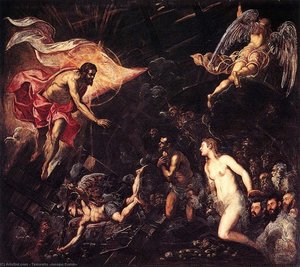
A Triumph of Dramatic Light and Motion: Tintoretto’s St George
Jacopo Robusti, known universally as Tintoretto (1518-1594), stands apart from his Venetian contemporaries not merely for prolific output but for a revolutionary approach to painting—one that fundamentally reshaped the artistic landscape of the Baroque era. Unlike many artists meticulously crafting their reputations through established ateliers and adhering to prevailing stylistic conventions, Tintoretto pursued an independent path driven by relentless experimentation and an unparalleled mastery of theatrical illusionism. His early life remains shrouded in some mystery, marked by a brief association with Titian’s workshop—a relationship described as fraught with tension—suggesting that Tintoretto's artistic vision transcended the confines of formal instruction. This rebellious spirit fueled his ambition to forge a singular style, characterized by dynamic compositions and an astonishing ability to capture fleeting moments of action and emotion.The Narrative Power of Composition
Tintoretto’s “St George and the Dragon,” housed in the Galleria Giorgio Franchetti alla Serenissima in Venice, exemplifies this distinctive aesthetic perfectly. The painting depicts St George slaying a fearsome dragon before a fortified castle—a scene steeped in Christian symbolism and rendered with breathtaking virtuosity. Immediately arresting is Tintoretto's masterful use of perspective; he employs multiple vanishing points to create an illusionistic depth that pulls the viewer into the drama unfolding before them. This technique, honed through years of meticulous observation and relentless practice, distinguishes Tintoretto from his peers who favored more static representations. The horse ridden by St George dominates the central axis of the composition, conveying a sense of urgency and movement—a deliberate choice designed to heighten the emotional impact of the confrontation.Technique: Bold Brushwork and Atmospheric Depth
Tintoretto’s technique is equally remarkable. He eschewed traditional glazing methods favored by Venetian colorists like Titian, opting instead for rapid brushstrokes applied directly onto wet plaster – a process known as *alla prima*. This method allowed him to capture the immediacy of observation and imbue his canvases with an unprecedented level of textural richness. Thick impasto—heavy application of paint—creates palpable surfaces that seem to vibrate with energy, mirroring the turbulent struggle between St George and the dragon. Furthermore, Tintoretto skillfully manipulated light and shadow to sculpt form and amplify dramatic tension. The castle looms in the background as a beacon of civilization against which the fiery dragon is pitted, creating a compelling visual contrast that underscores the narrative’s central conflict.Symbolism: Faith, Courage, and Triumph Over Evil
The iconography of “St George and the Dragon” resonates deeply with Christian tradition. St George, revered as the patron saint of England and martyred for his unwavering faith, embodies courage and righteousness—qualities antithetical to the dragon’s destructive force. The dragon itself represents evil, temptation, and pagan idolatry—forces that threaten to undermine divine order. The castle symbolizes Christendom's defense against darkness, reinforcing the painting’s overarching message of triumph over adversity. Tintoretto’s depiction isn’t merely a retelling of legend; it’s an assertion of spiritual conviction expressed through masterful artistic execution.Emotional Resonance: A Moment Frozen in Time
Ultimately, Tintoretto succeeds in conveying a profound emotional experience for the viewer. The dynamism of the scene—the horse's movement, St George’s determined gaze, and the dragon’s menacing roar—captures the essence of heroic struggle. More than just depicting an event, Tintoretto invites us to contemplate themes of faith, bravery, and the enduring battle between good and evil. This painting remains a testament to Tintoretto’s genius – a captivating visual narrative that continues to inspire awe and admiration centuries after its creation.艺术家简介
雅各布·丁托列图:光影与狂想的威尼斯巨匠
雅各布·丁托列图(Jacopo Tintoretto),生于1518年的威尼斯,是文艺复兴晚期至巴洛克艺术过渡时期最具影响力的画家之一。他的名字“丁托列图”源于他父亲染坊的手艺,却未能预示出这位艺术家将为威尼斯绘画史留下的深刻印记。与许多艺术家不同的是,丁托列图的成长之路并非循规蹈矩,而是由无尽的好奇心和创新精神驱动。虽然短暂地跟随提香学习,但似乎并未获得理想的体验,这反而促使他踏上了一条独立的发展道路,以大胆的实验和独特的风格著称。他沉浸在人体解剖学研究中,甚至据传曾进行尸体解剖,并勤奋钻研古典雕塑及其他大师的作品,为日后的艺术生涯奠定了坚实的基础。狂热与创新:风格的形成
丁托列图的艺术发展充满了近乎疯狂的热情,因此被人们称为“狂喜者”(Il Furioso)。这个绰号不仅形容了他绘画的速度,更捕捉到了他作品中蕴含的强烈情感和戏剧张力。即使在早期作品中,就已能窥见他对传统威尼斯画派的突破。虽然继承了提香在色彩运用上的优点,丁托列图却转向了米开朗基罗那充满力量的人物形象和戏剧化的构图。他将这些影响融会贯通,创造出一种全新的风格:以细长的身形、旋转的 Draperies 和创新的透视技巧为特征,常常营造出令人眩晕的深度和运动感。他摒弃了同时代画家们所推崇的精细刻画,转而采用快速、近乎素描般的笔触,传递出即时性和原始的情感。这种技巧,结合他对明暗对比(*chiaroscuro*)的大胆运用,使他能够创造出无与伦比的戏剧性和心理强度。他不仅仅是在描绘事件,更是在传达其情感核心。圣洛卡教堂:艺术成就的巅峰
丁托列图一生创作了大量的作品,涵盖宗教叙事、历史寓言和肖像画。然而,他最重大的成就莫过于为威尼斯圣洛卡大厦(Scuola Grande di San Rocco)所创作的一系列绘画作品。在长达五十年多的时间里,丁托列图用超过六十幅画布装点了这座大厦的厅堂,将其变成了一座献给信仰和人类经验的壮丽视觉见证。“最后的晚餐”等晚期作品,展示了他对透视和构图的持续实验。与传统描绘方式不同,丁托列图将场景设置在一个光线昏暗、建筑结构不稳定的空间中,突出了基督与门徒最后晚餐时的情感动荡。其他著名的作品包括“释放奴隶的圣马可奇迹”,展现了他对动态构图和透视法的精湛运用,以及为威尼斯教堂和宫殿创作的众多作品,这些作品都体现了他对规模和叙事讲述的掌握。这些宏伟的项目巩固了丁托列图作为威尼斯最重要的艺术家之一的声誉。历史意义与持久影响
1594年,雅各布·丁托列图在威尼斯去世,留下了浩瀚而有影响力的作品集。他连接了文艺复兴盛期和巴洛克时期,预示了后世许多风格创新的发展方向。他那戏剧化的构图、富有表现力的笔触以及对光线和阴影的创新运用,深刻地影响了卡拉瓦乔、伦勃朗和德拉克罗瓦等艺术家。他不仅仅是一位画家,更是一位视觉故事讲述者,懂得如何利用艺术的力量来唤起情感并激发敬畏之情。作为16世纪威尼斯三大画家之一(与提香和保罗·委罗内塞齐名),丁托列图在威尼斯黄金时代的艺术格局中发挥了至关重要的作用。他的作品不仅反映了他所处的时代宗教狂热和政治紧张局势,也体现了一种独特的个人视野,这种视野至今仍能引起观众的共鸣,巩固了他作为历史上最重要、最具魅力的艺术家之一的地位。《他的遗产是艺术创新持久力量和人类创造力变革潜力的证明。》
丁托列多
1518 - 1594 , 意大利
艺术家简介
- Artistic Movement Or Style: 文艺复兴, 巴洛克风格
- Artists Or Movements Influenced By This Artist:
- 卡拉瓦乔
- 巴洛克大师
- Artists Who Influenced This Artist:
- 提香
- 米开朗基罗
- Date Of Birth: 1518年9月29日
- Date Of Death: 1594年5月31日
- Full Name: 贾科莫·丁托列托
- Nationality: 意大利人
- Notable Artworks:
- 圣马可奇迹
- 最后的晚餐
- 圣母升天
- Place Of Birth: 威尼斯,意大利
相关文章
丁托列托25幅杰作:威尼斯光影大师的艺术传奇 | OriginalUniqueArt
探索丁托列托25幅杰作:深入了解这位威尼斯光影大师的艺术传奇!从宗教绘画到神话故事,感受文艺复兴与巴洛克风格的完美融合。OriginalUniqueArt.com提供高清艺术复制品和家居装饰灵感,点亮您的生活空间。立即探索完整系列!

乔治·布拉克:25幅大师杰作,重塑现代艺术与家居美学 | OriginalUniqueArt
探索乔治·布拉克25幅大师杰作,领略立体主义的魅力与现代艺术的精髓。从早期作品到经典油画,OriginalUniqueArt为您呈现法式优雅与家居装饰灵感。高清艺术复制品,点亮您的空间!立即在OriginalUniqueArt.com发现更多。

乔治·修拉25幅杰作:点彩主义大师的艺术之旅 | OriginalUniqueArt
探索乔治·修拉25幅传世杰作!深入了解点彩画法、后印象派的艺术魅力,感受光与色彩的奇妙。OriginalUniqueArt.com提供高品质修拉作品复制品,为您的家居空间增添经典艺术气息。立即在线探索完整系列!

Jacopo Palma il Giovane: A Venetian Master's Poetic Evolution
Explore the captivating world of Jacopo Palma il Giovane, a pivotal Venetian Renaissance master. Discover his unique style, influenced by Titian & Tintoretto, and learn about key works perfect for discerning collectors.

巴洛克戏剧性:将辉煌与情感融入当代室内设计
探索巴洛克艺术的辉煌与奢华!OriginalUniqueArt提供精湛的手工油画复制、定制服务和专业艺术咨询,助您将经典作品融入当代室内设计,提升家居品味。投资艺术,传承价值。