

 实景预览
实景预览
 发送
发送 分享
分享
 详情
详情 指南
指南

 下载图片
下载图片
 相似作品
相似作品 X射线
X射线 幻灯片播放
幻灯片播放 统计数据
统计数据Virtue


 阅读全文
阅读全文
艺术微喷/版画
博物馆级艺术微喷或帆布版画,制作高效,并提供多种饰面选择。 ( 订购此收藏品的纯手工复刻画作 切换至数字图像销售渠道)




P118B ¥10

P118H ¥10

P118W ¥10

P438Z ¥10

P508JH ¥12

P508YH ¥12

P805H ¥10

P805Z ¥10

P919BZ ¥10

P919G ¥10

P919XJ ¥10

P959ZH ¥10

P968JZ ¥12

W106C ¥8

W218G ¥10

W218JH ¥8

W218Y ¥10

W307PJ ¥10

W316G ¥10

W316PJ ¥8

W316Y ¥10

W398PJ ¥8

W4111J ¥10

W500HY ¥15

W500JH ¥15

W692G ¥12

W849H ¥8

W940BG ¥15

W953PJ ¥8




您可以从与原作比例一致的预设尺寸中进行选择。

您可以输入自定义尺寸,以适配特定的画框或空间。如果您选择的尺寸与原图比例不符,我们将对作品进行裁剪,或通过镜像填充/纯色填充边缘的方式来扩展图像。在开始制作之前,我们会向您发送一份数字效果图供您确认。
请注意,屏幕上的预览并不能反映实际的裁剪或扩展效果。只有效果图才能准确展示最终的构图。
虽然我们提供定制尺寸,但为了保持原图比例,我们建议您从预设列表中选择尺寸。


 玻璃选项仅适用于110厘米以下的尺寸。

Virtue
艺术微喷/版画
复刻品尺寸说明
-


总计金额
¥ 538
Virtue: A Testament to Renaissance Idealism
Jacopo della Quercia’s “Virtue,” sculpted around 1414, stands as an emblem of the burgeoning humanist spirit that characterized early Renaissance Florence—a moment where classical ideals wrestled with Christian theology to forge a new aesthetic vision. This marble sculpture, housed in Siena Cathedral's Fonte Gaia fountain complex, isn’t merely a depiction of a woman; it’s a carefully crafted embodiment of Temperance, one of the Cardinal Virtues revered throughout Christendom and championed by philosophers like Pico della Mirandola as essential for achieving human flourishing. The sculpture itself is remarkably restrained in its composition. A seated female figure dominates the frame, positioned within an architectural niche that lends depth to the scene. Her gaze directs upwards, conveying a sense of serene contemplation—a deliberate choice reflecting the Renaissance fascination with inner reflection and moral virtue. The drapery clings to her form, rendered with flowing lines that contrast subtly with the angularity of her face and hands, demonstrating Quercia’s mastery of sculptural technique. Circular shapes are present in the folds of fabric, mirroring the harmonious balance sought by artists of the period. The artist skillfully employed subtractive sculpting—removing material from a block of Carrara marble—to reveal the idealized form he envisioned. The surface texture captures the subtle imperfections inherent in natural stone, yet maintains an overall smoothness that underscores the sculpture’s polished appearance. Light emanates from above and slightly to the left, casting shadows that accentuate the three-dimensionality of the figure and niche walls, creating a convincing illusion of space. This masterful use of lighting aligns perfectly with Renaissance artistic conventions, prioritizing realism while elevating the subject matter to spiritual significance. Beyond its technical prowess, “Virtue” resonates deeply with symbolic meaning. The book held by the woman symbolizes knowledge—a cornerstone of humanist thought—and represents divine guidance, mirroring the theological framework underpinning the sculpture’s creation. Her posture exudes dignity and wisdom, reflecting the Renaissance aspiration for moral excellence and intellectual enlightenment. Viewing this artwork evokes feelings of reverence and contemplation—a reminder that beauty can serve as a conduit to profound ethical considerations. The Fonte Gaia fountain complex itself is a testament to Siena's artistic ambition during the Quattrocento. Commissioned by Pope Pius II, it represents an extraordinary undertaking in civic art, aiming to elevate Siena’s prestige and commemorate its patron saint, Saint Catherine of Siena. Jacopo della Quercia’s contribution—along with other prominent sculptors—was intended to inspire piety and reinforce moral values within the city's populace. “Virtue,” therefore, isn’t just a standalone masterpiece; it’s an integral part of a larger artistic project designed to shape the cultural landscape of Renaissance Italy.- Artist: Jacopo della Quercia
- Born Year: 1374
- Death Year: 1438
- Birth City: Monteroni di Lecce
- Birth Country: Italy
- Material: Marble
- Technique: Subtractive Sculpting
- Style: Early Renaissance Sculpture
问答详情
针对 雅各布·德拉·奎尔恰 的《Virtue》 的版画,推荐的尺寸和方向是什么?
Large 尺寸,Portrait 构图:这是为 雅各布·德拉·奎尔恰 的《Virtue》 建议的打印设置。
"Virtue" 有艺术版画出售吗?
如需订购 雅各布·德拉·奎尔恰 的《Virtue》 的版画,只需在 本页 进行下单即可:采用棉质帆布或档案级画布纸制作的艺术版画。
雅各布·德拉·奎尔恰 的《Virtue》 的创作日期是哪一年?
"Virtue"创作于1414年。这一日期将该作品置于雅各布·德拉·奎尔恰的艺术生涯及其所处时代之中。
雅各布·德拉·奎尔恰 在创作《Virtue》时多大年纪?
当"Virtue"于1414创作时,出生于1374的雅各布·德拉·奎尔恰正值40岁。
"Virtue" 的艺术家是谁?
"Virtue" 的创作者是 雅各布·德拉·奎尔恰。该作品以 雅各布·德拉·奎尔恰 的名义编入目录。
“Virtue”是否一直留在其艺术家的故乡?
是的——该作品目前存放于艺术家的原籍国。艺术家出生于 意大利;原作现藏于 意大利。
"Virtue" 会为空间带来怎样的氛围?
雅各布·德拉·奎尔恰 的《Virtue》 营造出一种 Serene 的氛围,推荐用于 Living Room。作品的情绪感即是其为周围空间带来的意境。
艺术家简介
雅各布·德拉·奎尔恰:连接哥特与拥抱文艺复兴的远见
在15世纪的意大利,雅各布·德拉·奎尔恰(Jacopo della Quercia)这个名字本身就是艺术转型的代名词。他是一位举足轻重的关键人物,在哥特时代残留的阴影与意大利文艺复兴初露的辉煌之间架起了一座桥梁。他于1374年左右出生于蒙泰罗尼迪莱切,并于1438年在博洛尼亚不幸逝世。他的一生宛如一幅由艺术委托、名家竞争以及对古典文明与时代演进审美之深刻参与交织而成的华丽织锦。他不仅仅是一位雕塑家;他更是风格的建筑师,是传统之间的翻译者,并最终成为了定义文艺复兴那场革命性艺术变革的先驱。
他的早期训练是在父亲皮耶罗·丹杰洛(Piero d'Angelo)的悉心指导下完成的,其父是一位技艺精湛的木雕师与金匠,这为他蓬勃发展的天赋奠定了坚实基础。这段成长时期不仅赋予了他卓越的技术造诣,更让他学会了对工匠精神的敬畏以及对传统技法持久生命力的欣赏。然而,至关重要的是,年轻雅各布的艺术旅程深受锡耶纳大教堂讲坛上尼古拉·皮萨诺(Nicola Pisano)与阿诺尔福·迪·坎比奥(Arranolfo di Cambio)宏伟杰作的影响。这些艺术邂逅点燃了他对叙事性雕塑、动态构图以及人体表现潜力的痴迷——而这些元素,正是他日后独特风格的标志。
早年岁月:卢卡与创新的种子
雅各布的职业生涯在卢卡真正迎来了绽放,这座城市正处于艺术影响力的战略交汇点。1386年,受政治动荡驱动,他随父亲迁居卢卡,这无意中成为了他艺术发展的催化剂。正是在这里,他开始确立自己作为一名极具潜力的雕塑家的地位,承接了诸如为圣体祭坛创作的感人作品《忧患之子》,以及在墓碑上刻画圣阿涅洛(St. Aniello)的浮雕等项目。这些早期作品已然展现出一种赋予冰冷石材以情感深度的雏形能力——这种特质在他后期的职业生涯中变得愈发显著。
1401年,一个转折性的时刻降临了,雅各布参加了为佛罗伦萨洗礼堂设计青铜大门的著名竞赛,尽管该项目最终由吉贝尔蒂(Ghiberti)夺得。虽然他未能获得这一委托,但这次经历让他接触到了佛罗伦萨艺术的最高标准,并极大地激发了他的雄心。至于那些设计稿的具体去向至今仍是一个迷人的谜团,为他本就引人入胜的故事增添了一抹神秘色彩。
费拉拉与罗马古典主义的影响
1403年,雅各勃的旅程向东延续至费拉拉,受邀为该市大教堂雕刻大理石材质的圣母与圣婴像。这项工作标志着他向更趋自然主义和古典风格转变的重要里程碑——这反映了他对古罗马艺术遗产日益增长的投入。在此期间,他还创作了一尊圣莫里斯(St. Maurice)的小型塑像,现收藏于大教堂博物馆,展示了他将哥特式感性与新兴文艺复兴理想无缝融合的能力。
费拉拉这座城市为他提供了接触极其珍贵的罗马雕塑与石棺藏品的机会,激发了他对古典文明之优雅、比例与叙事力量的深切赞赏。这些艺术碰撞深刻地塑造了他的艺术愿景,促使他在作品中融入了古典式的衣褶处理、解剖学观察与构图逻辑——从而在潜移默化中决定性地改变了他所继承的哥特风格。
盖加喷泉:公民自豪感与艺术创新的杰作
雅各布·德拉·奎尔恰最持久的艺术遗产,无疑是那座宏伟的盖加喷泉(Fonte Gaia),它是由卢卡统治者保罗·圭尼吉于1406年委托建造的。这项雄心勃勃的工程不仅是一项重大的市政投资,更是一次大胆的艺术宣言——它是对此前装饰在广场上、并被归咎于瘟疫爆发的异教维纳斯雕像的有意识摒弃。喷泉本身堪称工程学与艺术性的奇迹,由闪耀的白色大理石筑成,点缀着众多的雕像与出水口,营造出一场水与光交织的生动盛景。
盖加喷泉见证了雅各布融合多元影响的能力——哥特式的优雅、古典的比例以及文艺复兴初期的蓬勃精神。在喷泉基座两侧加入赤裸的小爱神(putti)——这在当时是对传统雕塑惯例的大胆突破——清晰地标志着他在保留人文主义感性的同时,对古典理想的拥抱。然而,由于需要同时处理多项委托,该项目成为了一项长达十余年的漫长工程,反映了艺术家在管理复杂创作任务时面临的挑战。
晚期作品与转型的遗产
在职业生涯的剩余岁月里,雅各布·德拉·奎尔恰继续投身于各种多元化的项目中,包括卢卡圣弗雷迪亚诺的特伦塔小堂,以及为洛伦佐·特伦塔及其夫人制作的墓碑。他曾与竞争对手吉贝尔蒂一同参与设计锡耶纳洗礼堂的六角形水池及青铜面板,但由于同时兼顾其他项目,最终仅完成了一件浮雕——《向撒迦利亚报喜》。这一插曲凸显了他对待青铜材质时谨慎的态度,以及他对更易驾驭的大理石媒介的偏好。
雅各布·德拉·奎尔恰的一生在1438年不幸戛然而止,但他的艺术遗产作为连接哥特与文艺复兴世界的桥梁,却得以永存。他并非仅仅是一位技艺精湛的工匠;他更是一位创新者、一位远见卓识的思想家,是塑造意大利艺术发展轨迹的关键人物。他的作品预示了后来米开朗基罗所倡导的那场革命性变革,确立了他作为早期文艺复兴时期最重要雕塑家之一的崇高地位。

雅各布·德拉·奎尔恰
1374 - 1438 , 意大利
快速概览
- Artistic Movement Or Style: 早期文艺复兴
- Artists Or Movements Influenced By This Artist:
- 米开朗基罗
- 多纳泰罗
- Artists Who Influenced This Artist:
- 尼古拉·皮萨诺
- 阿诺尔福·迪·坎比奥
- Date Of Birth: 约 1374 年
- Date Of Death: 1438 年
- Full Name: 雅各布·德拉·奎尔恰
- Nationality: 意大利
- Notable Artworks:
- 伊拉里亚·德尔·卡雷托之墓
- 盖亚泉 (锡耶纳)
- 圣殿中的撒迦利亚
- Place Of Birth: 意大利,锡耶纳
相关文章

The Enduring Allure of Marble in Art History: From Classical Sculpture to Modern Abstraction
Explore the captivating history of marble sculpture from ancient Greece to modern art. Discover renowned artists like Canova & Michelangelo, carving techniques, and investment insights at OriginalUniqueArt.

Bronze Age to Modern Masters: 10 Sculptures That Redefined Art | OriginalUniqueArt
Journey through art history with 10 legendary bronze sculptures – from Michelangelo's David to Rodin’s Thinker. Explore the stories, techniques & timeless beauty of these masterpieces. Find museum-quality reproductions & elevate your home decor on OriginalUniqueArt.com.
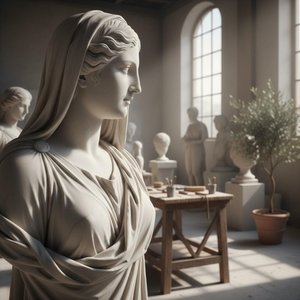
Timeless Elegance: A Complete Guide to the Sublime Beauty and Artistry of Marble Sculpture
Discover the sublime beauty of marble art through an expert exploration of Renaissance and Neoclassical masterpieces. From the delicate textures of Carpeaux to the grandeur of Sansovino, immerse yourself in a guide to timeless elegance and sculptural perfection.

Bronze Sculptures That Defined Art History | OriginalUniqueArt
Journey through art history with our Top 10 bronze sculptures! Explore masterpieces by Rodin, Michelangelo & more. Discover stories behind iconic statues and find museum-quality reproductions for your home decor at OriginalUniqueArt.com.
丁托列托25幅杰作:威尼斯光影大师的艺术传奇 | OriginalUniqueArt
探索丁托列托25幅杰作:深入了解这位威尼斯光影大师的艺术传奇!从宗教绘画到神话故事,感受文艺复兴与巴洛克风格的完美融合。OriginalUniqueArt.com提供高清艺术复制品和家居装饰灵感,点亮您的生活空间。立即探索完整系列!