切换至版画销售渠道
 展开全文
展开全文







































 对于任何边长超过 105 厘米(约 41 英寸)的艺术品或复制品,画框将以拆解后的组件形式发货。此方法可确保安全送达并防止运输过程中的损坏。


A Moment Frozen in Time: Jacopo Carucci’s *Supper at Emmaus*
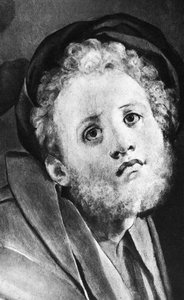
Jacopo Carucci's *Supper at Emmaus*, painted in 1525, is more than just a depiction of a biblical scene; it’s a profound meditation on faith, betrayal, and the human condition. Executed in the rich, dramatic style characteristic of the late Renaissance – specifically bridging the Mannerist and Baroque movements – this oil-on-canvas masterpiece captures the poignant moment when Christ reveals himself to two disciples during their post-resurrection journey. The painting’s immediate impact lies in its masterful use of light and shadow, a hallmark of the Baroque tradition, creating an atmosphere of intense emotion and spiritual significance. The artist's deliberate manipulation of perspective draws the viewer directly into the intimate tableau, fostering a sense of shared experience with the figures themselves.
A Synthesis of Renaissance and Baroque
Born in Pontormo, Tuscany, around 1494, Jacopo Carucci – known as Pontormo – was a revolutionary figure. He rejected the idealized beauty favored by earlier Renaissance artists like Raphael and Leonardo da Vinci, instead embracing a style characterized by emotional intensity and psychological complexity. This shift towards Mannerism is powerfully evident in *Supper at Emmaus*, where figures are rendered with elongated forms and subtly distorted features, conveying not just physical appearance but also inner turmoil and spiritual awareness. The influence of Michelangelo Buonarroti, who tutored Pontormo early in his career, can be seen in the artist’s meticulous attention to anatomical detail, though it's filtered through a distinctly Mannerist lens. The painting represents a crucial transition – a bridge between the serene harmony of the High Renaissance and the dramatic dynamism that would define the Baroque era.
Technical Brilliance and Symbolic Resonance
The technical execution of *Supper at Emmaus* is breathtaking. Carucci’s meticulous brushwork creates a remarkable sense of texture, particularly in the richly draped fabrics and the subtly modeled faces of the figures. The color palette – dominated by browns, golds, and muted greens – is carefully considered, with touches of red and white adding visual interest and highlighting key elements. Beyond its technical prowess, the painting is laden with symbolism. Notably, an eye within a triangle is positioned above the table, a recurring motif in Pontormo’s work, representing divine omniscience and God's all-seeing gaze. The composition itself – the carefully arranged gestures of the disciples, Christ’s outstretched hand – reinforces the narrative’s central theme: the transformative power of revelation. The use of gold leaf, both within the frame and on some figures’ garments, elevates the work to a position of opulent reverence.
Historical Context and Emotional Impact
*Supper at Emmaus* was created during a period of profound religious and social upheaval in Europe. The Protestant Reformation was gaining momentum, challenging the authority of the Catholic Church, while artistic innovation continued to push boundaries. Pontormo’s work reflects this tension – a deeply spiritual subject rendered with an intensely personal and emotionally charged style. The painting's enduring power lies in its ability to evoke a sense of solemnity, reverence, and perhaps even a touch of foreboding, mirroring the dramatic narrative of betrayal and divine grace. It remains a testament to Jacopo Carucci’s genius and his pivotal role in shaping the course of Western art.
常见问题与解答
"Supper at Emmaus" 是否体现了 雅科波·蓬托尔莫 (Yǎkèbó Péngtuǒ'Ěrmò) 一贯的创作风格?
在雅科波·蓬托尔莫 (Yǎkèbó Péngtuǒ'Ěrmò)已记录的主题——mannerist influence, renaissance piety, catholic iconography, divine omniscience, betrayal's shadow, pontormo's emotion, a pivotal moment, exploring faith & doubt——之中,"Supper at Emmaus" 则将焦点转向了last supper, religious art, biblical scene, divine symbolism, italian renaissance, chiaroscuro lighting, baroque painting。
鉴于创作日期,"Supper at Emmaus" 属于 雅科波·蓬托尔莫 (Yǎkèbó Péngtuǒ'Ěrmò) 艺术生涯中的哪个阶段?
鉴于其创作于1525年,作品《Supper at Emmaus》属于雅科波·蓬托尔莫 (Yǎkèbó Péngtuǒ'Ěrmò)的Mature Period时期。
"Supper at Emmaus" 有艺术版画出售吗?
您可以通过 采用棉质帆布或档案级画布纸制作的艺术版画 购买 “Supper at Emmaus” 的版画。您可以前往其 艺术版画 页面,根据您的需求选择尺寸并下单。
 实景预览
实景预览
 分享
分享 分享
分享
 详情
详情 指南
指南

 下载作品
下载作品
 相似作品
相似作品 X射线
X射线 幻灯片播放
幻灯片播放 问答
问答 统计数据
统计数据