

 效果预览
效果预览
 购买印刷品
购买印刷品 分享
分享 分享
分享
 详情
详情

 下载
下载
 相似作品
相似作品 X射线
X射线 幻灯片播放
幻灯片播放St Michael Defeating Satan
 Acrylic On Canvas
- WallArt
- Early Renaissance
 33.0 x 41.0 cm
 大英博物馆
大英博物馆
 展开详情
展开详情




P118B $10

P118H $10

P118W $10

P438Z $10

P508JH $12

P508YH $12

P805H $10

P805Z $10

P919BZ $10

P919G $10

P919XJ $10

P959ZH $10

P968JZ $12

W106C $8

W218G $10

W218JH $8

W218Y $10

W307PJ $10

W316G $10

W316PJ $8

W316Y $10

W398PJ $8

W4111J $10

W500HY $15

W500JH $15

W692G $12

W849H $8

W940BG $15

W953PJ $8




从与原作比例一致的预设尺寸中进行选择。

您可以输入自定义尺寸,以适配特定的画框或空间。如果所选尺寸与原图比例不符,我们将通过裁剪作品或添加手绘元素来扩展画面。数字样稿将在制作开始前发送给您确认。
请注意,屏幕预览无法准确反映实际的裁剪或扩展效果,只有样稿才能真实呈现最终的构图。
虽然我们提供定制尺寸服务,但为了保留原作比例,建议您从预设列表中选择尺寸。
下单后,OriginalUniqueArt.com 团队将通过电子邮件联系客户获取具体要求,并提供效果预览图。


 玻璃选项仅适用于110厘米以下的尺寸。

St Michael Defeating Satan
复制材质
复制品尺寸
-


最终总价
$ 300
作品详情
A Clash of Heavens: Jacopo Bellini’s ‘St Michael Defeating Satan’
Jacopo Bellini's “St Michael Defeating Satan,” painted circa 1450, isn’t merely a depiction of an epic biblical battle; it’s a visceral embodiment of the eternal struggle between good and evil. This arresting work, currently housed in the British Museum, transcends its historical context to resonate with a profound sense of drama and spiritual intensity – qualities that continue to captivate viewers centuries later. Bellini, a pivotal figure in bridging the gap between late Gothic and early Renaissance styles, masterfully employed techniques honed during his extensive travels throughout Italy and beyond, resulting in an image brimming with dynamic movement and carefully rendered detail.
The composition immediately commands attention. At its heart stands St Michael, not as a serene saint, but as a warrior – clad in gleaming armor, he dominates the scene with a resolute posture. His outstretched hand firmly grasps his sword, poised to strike down Satan, who writhes beneath him, a grotesque figure of serpentine coils and fiery wings. The fallen angel’s contorted face is a mask of rage and despair, reflecting the agonizing defeat. Bellini's use of chiaroscuro – the dramatic interplay of light and shadow – intensifies this sense of conflict, highlighting Michael’s heroic form while plunging Satan into an abyss of darkness. Notice how the folds of Michael’s cloak billow dramatically, mirroring the turbulent energy of the battle itself.
Renaissance Perspective and Symbolism
Bellini's genius lies not just in his dramatic portrayal but also in his innovative application of Renaissance perspective. Unlike the flattened, symbolic representations common in earlier Gothic art, Bellini meticulously constructs a three-dimensional space, drawing the viewer into the heart of the conflict. The receding lines of the architecture behind the figures create an illusion of depth, while the carefully rendered details – from the intricate scales on Satan’s body to the folds of Michael's armor – contribute to the overall realism. This commitment to naturalism was a hallmark of the burgeoning Renaissance aesthetic.
Beyond its technical brilliance, “St Michael Defeating Satan” is rich in symbolic meaning. The battle itself represents the ongoing conflict between divine justice and demonic corruption. St Michael’s sword symbolizes faith and righteousness, while Satan's fiery wings represent temptation and sin. The eagle soaring above – a traditional symbol of imperial power and divine vigilance – reinforces this theme. Furthermore, the setting, often interpreted as a symbolic representation of Hell itself, underscores the gravity of the struggle.
Historical Context and Artistic Influences
Bellini’s work emerged during a period of profound artistic and intellectual transformation in Venice. The city was experiencing a surge of wealth and patronage, fueling an explosion of creativity. Bellini himself was deeply influenced by the works of Giotto, whose naturalistic style paved the way for Renaissance realism. He also drew inspiration from Byzantine art, particularly its use of vibrant colors and dramatic compositions. The painting’s powerful emotional impact reflects this confluence of influences.
Interestingly, “St Michael Defeating Satan” is one of relatively few surviving original Bellini canvases. Much of his legacy resides in his extensive sketchbook pages, offering invaluable insights into his artistic process – a testament to the meticulous observation and innovative thinking that characterized his work. The painting’s enduring appeal speaks to its timeless themes and Bellini's masterful ability to capture the drama and intensity of this pivotal biblical narrative.
A Timeless Masterpiece: Reproduction Possibilities
Reproductions of “St Michael Defeating Satan” offer a remarkable opportunity to bring this iconic artwork into your home or office. Available in a range of sizes, from intimate prints to large-scale canvases, these reproductions faithfully capture the painting’s rich colors, dramatic lighting, and dynamic composition. Whether you're an art enthusiast, a collector, or simply seeking a striking piece for your interior design, this reproduction provides a beautiful and accessible way to experience the power and beauty of Jacopo Bellini’s masterpiece.
艺术家简介
威尼斯文艺复兴透视法的先驱
雅各布·贝利尼(Jacopo Bellini)是威尼斯及意大利北部蓬勃发展的文艺复兴绘画风格中的关键人物。他不仅仅是一位画家,更是这一风格的奠基性创新者之一;通过对自然的细致观察以及对线性透视法的精湛运用,他重塑了当时的艺术审美——而这种技术在之前的威尼斯艺术传统中几乎是缺失的。尽管 Bellini 的原作画布如今仅存寥寥,难以让人一睹其昔日的辉煌,但他的艺术遗产主要寄托于那些精美绝伦的素描手稿之中,例如收藏于大英博物馆和卢浮宫的珍品。这些绘稿揭示了他对壮丽景观与复杂建筑设计的深厚痴迷,为我们洞察其艺术创作过程提供了无价的线索,并预示了那个时代即将出现的诸多风格变革。
雅各布约于 1396 年出生于威尼斯,他的成长岁月沉浸在晚期哥特式那丰富且具装饰性的艺术传统之中。史料表明,他曾是名震一方的艺术家 Gentile da Fabriano 的弟子,后者的画室创作了当时最具雄心与华丽色彩的壁画作品。这段显赫的师承关系无疑使 Bellini 培养了对细节、色彩和谐以及装饰复杂性的终身鉴赏力。在他职业生涯的早期,约在 1411 年至 1412 年间,他活跃于佛洛里尼(Foligno),并与那些定义了国际哥特风格的大师们并肩作战,共同完成了 Trinci 宫殿那宏伟壮丽的壁画创作。
穿越文艺复兴的核心之旅
约在 1423 年,Bellini 前往佛罗伦萨的旅程成为了他艺术生涯的重要转折点。这次访问使他置身于一场由 Brunelleschi、Donatello 和 Masaccio 等艺术巨匠引领的激烈实验之巅。在佛罗伦萨,他接触到了当时正处于兴起阶段的线性透视科学,这一发现从根本上改变了他处理空间与深度的艺术手法。通过将威尼斯根源中那种抒情且具装饰性的优雅,与佛罗伦萨创新者所追求的结构严谨性及空间清晰度完美融合,Bellini 开始锻造出一种独特的视觉语言。这种艺术上的综合,使他能够超越中世纪那种扁平且具有象征意义的平面感,转而向一种更具沉浸感、如同窗棂般真实描绘世界的境界迈进。
随着艺术事业的推进,Bellini 成为建立一个统治威尼斯艺术界数代之久的家族王朝的核心人物。他的影响力不仅体现在个人创作上,更体现在教学传承之中,他将自己的创新技法悉数传授给了儿子 Gentile 和 Giovanni。通过这两位继承者,他在光影、风景与透视领域的实验种子,最终绽放成了与 Bellini 之名紧密相连的高文艺复兴时期的辉煌盛景。他的作品充当了连接过去装饰传统与未来人文主义现实主义的桥梁,使他成为意大利艺术演进过程中不可或缺的关键环节。
遗产与历史意义
雅各布·贝利尼的历史意义在于他扮演了变革催化剂的角色。尽管他的许多创作成果仍以笔墨纸砚这种亲密而细腻的媒介形式留存,但那些素描手稿本身已构成了威尼斯文艺复兴的蓝图。他能够构思出复杂且具有多层深度的景观以及符合数学逻辑的建筑结构,这为后继者们探索威尼斯潟湖那迷人的大气美感奠定了坚实基础。研习 Bellini 的作品,便是见证艺术家的目光如何开始真正掌握深度幻觉的瞬间,这一时刻永远改变了人类感知绘画世界的方式。
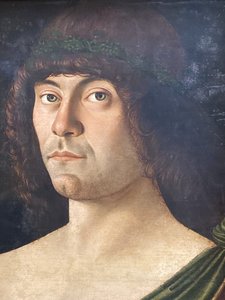
雅各布·贝利尼
1396 - 1470 , 意大利
艺术家简介
- Artistic Movement Or Style: 文艺复兴
- Artists Or Movements Influenced By This Artist: ['马萨乔']
- Artists Who Influenced This Artist: ['金蒂莱·达·法布里亚诺']
- Date Of Birth: 意大利威尼斯 (1396)
- Date Of Death: 约 1470 年
- Full Name: 雅各布·贝利尼
- Nationality: 意大利
- Notable Artworks:
- 维罗纳大教堂的《磔刑》
- 圣母与圣子
- Place Of Birth: 威尼斯
相关文章

Celestial Messengers: A Comprehensive Exploration of Angelic Representation in Art History
Explore the captivating history of angels in art! Discover symbolism, iconic Renaissance masterpieces & renowned artists. Expert insights for art lovers & collectors at OriginalUniqueArt.

Celestial Messengers: Angels in Painting – A Historical & Artistic Exploration
Explore the captivating history of angels in painting! Discover symbolism, iconic Renaissance & Byzantine masterpieces, and renowned artists. Expert insights for art lovers & collectors at OriginalUniqueArt.
Divine Beauty: A Curated Guide to the Celestial Majesty of Angelic Figures in Art History
Explore the profound beauty of angelic figures in art history. From Renaissance masterpieces to celestial symbolism, our expert guide offers a sophisticated journey through the divine imagery of the Old Masters for discerning collectors and art enthusiasts.

埃尔·格列柯25幅杰作:探索艺术大师的信仰与火焰
探索埃尔·格列柯25幅杰作,领略这位西班牙画家巴洛克风格的宗教绘画魅力。从《圣塞巴斯蒂安》到《沉思者》,感受信仰与艺术的交融。OriginalUniqueArt.com提供高品质油画复制品,为您的家居装饰增添经典之美!探索完整系列作品。
佛罗伦萨文艺复兴大师:安杰利科25幅传世名作赏析 | OriginalUniqueArt
探索佛罗伦萨文艺复兴大师安杰利科的25幅传世名作!深入了解其宗教绘画、壁画艺术与天使般的风格。OriginalUniqueArt.com提供高清复制品及精选装饰画,为您的室内空间增添永恒之美。立即在线探索完整系列!

