

 实景预览
实景预览
 发送
发送 分享
分享
 详情
详情 指南
指南

 下载图片
下载图片
 相似作品
相似作品 X射线
X射线 幻灯片播放
幻灯片播放 统计数据
统计数据The Bean King
 Oil On Canvas
- WallArt
- Flemish Baroque
 1638
1638- Early Modern
 160.0 x 213.0 cm
 冬宫博物馆 (Hermitage Museum)
 阅读全文
阅读全文
购买高分辨率增强版数字图像,其品质远超在线预览。
每一份文件都由我们的内部专家使用先进工具与专业的后期润色技术精心打造。我们确保每一张图像都具备卓越的清晰度、精准的色彩还原度以及细腻的细节表现。
最终文件将在 72 小时内通过电子邮件交付,并针对专业、编辑及印刷用途进行了优化。其品质与顶级设计工作室、出版社和画廊所信赖的标准完全一致。
数字图像
下载高分辨率文件,用于个人展示、打印及创意项目。 ( 切换至版画销售渠道 订购此收藏品的纯手工复刻画作)
每份数字图像订单均包含的内容
专业级数字交付,品质无忧
选择 OriginalUniqueArt.com,您获得的不仅仅是一张图像——您收到的是经过专业级增强、精雕细琢的数字艺术作品,并享有满意保证。以下是您的订单中自动包含的所有内容:

即时邮件交付
您的高分辨率数字图像文件将在下单后 72 小时内通过电子邮件发送给您 —— 即可立即使用。

AI 增强型数字图像
您的艺术品经过专业优化,结合先进的 AI 技术与人工修饰,确保呈现极致的细节、清晰度与色彩准确度。

终身免费重发服务
不小心删除了文件或找不到了?没关系——我们将随时为您免费重发。

无需进口税费,始终如一
即刻拥有您的艺术作品,无需支付任何关税、税费或运费——数字下载始终免税。

色彩精准保障
我们通过专业工具与色彩管理技术,确保您的数字图像尽可能真实地还原原作色彩。

100天满意保证
如果您对所购数字图像不满意,我们将在100天内为您进行修改或提供100%的全额退款——无需任何理由。

100% 退款保证
不满意?在收到数字文件后的100天内,您可以申请全额退款——无需任何理由。

批量订购优惠
购买 3 张享 10% 折扣 - 购买 5 张享 15% 折扣 - 购买 10 张以上享 20% 折扣。非常适合创意项目、画廊及机构使用。
A Symphony of Flemish Abundance
In the heart of the seventeenth century, amidst the bustling, prosperous streets of Antwerp, Jacob Jordaens captured a moment of pure, unadulterated joy that continues to resonate with viewers centuries later. The Bean King is not merely a painting; it is an immersive sensory experience, a window into a world where life is lived with profound intensity and communal warmth. The scene unfolds as a grand, boisterous banquet, a tableau brimming with figures caught in the throes of conviviality. As the eye wanders across the canvas, one encounters a landscape of human connection—faces illuminated by laughter, hands reaching for delicacies, and the palpable energy of a celebration in full swing. This is the essence of the Flemish Baroque: a celebration of earthly pleasures, where the textures of food, the sheen of glassware, and the very breath of the revelers seem to vibrate with life.
The composition is masterfully anchored by a central table laden with an opulent spread, reflecting the era's fascination with grandeur and plenty. Amidst the swirling movement of the crowd, subtle details invite deeper contemplation. Two dogs, symbols of domestic fidelity and grounded reality, wander through the scene—one tucked near the bottom corner and another providing a charming counterpoint on the far left. Even the passage of time is subtly acknowledged by a clock hanging above the festivities, serving as a poignant reminder that while these moments of merriment are fleeting, the spirit of togetherness is eternal. For the collector or designer, this piece offers more than just visual splendor; it provides a narrative of stability, warmth, and the enduring beauty of shared human experience.
Mastery of Light and Rubensian Spirit
To understand the technical brilliance of The Bean King, one must look to Jordaens’ profound connection to the Flemish tradition. While his contemporary and mentor, Peter Paul Rubens, was known for a more idealized and heroic grandeur, Jordaanness carved out a unique niche by tempering that Rubensian exuberance with a gritty, palpable realism. He possessed an extraordinary ability to render textures that feel almost tactile; one can almost sense the weight of the heavy linens, the cool smoothness of the pewter, and the succulent richness of the feast itself. His use of chiaroscuro—the dramatic interplay between light and shadow—is nothing short of masterful, sculpting the figures out of the darkness to create a sense of three-dimensional depth that pulls the viewer directly into the room.
This technique does more than showcase skill; it directs the emotional journey of the observer. The light falls strategically upon the most expressive faces, highlighting the wrinkles of laughter and the glint of excitement in the eyes, ensuring that the human element remains the soul of the work. For those seeking to adorn a space with art that commands attention, Jordaens’ ability to balance dramatic movement with grounded, earthy tones makes this piece an ideal centerpiece. It possesses a rare versatility, capable of anchoring a formal gallery setting or adding a layer of historical depth and soulful character to a sophisticated residential interior.
A Legacy of Joy for the Modern Collector
Beyond its technical merits, The Bean King serves as a powerful symbol of resilience and the celebration of life's simple bounties. In an age often characterized by fragmentation, Jordaens’ vision of a unified, celebrating community offers a profound sense of comfort and inspiration. The painting celebrates the "Bean Feast"—a tradition rooted in the festivities of the Twelfth Night—reminding us that even in the midst of life's complexities, there is always reason to gather, to feast, and to find joy in one another.
For the discerning art lover or interior designer, acquiring a high-quality reproduction of this masterpiece allows for the infusion of Baroque drama into contemporary environments. It is a piece that invites conversation, acting as a focal point that stimulates both the intellect and the emotions. Whether placed in a sunlit dining room to echo its themes of feasting or in a quiet study to provide a sense of historical gravity, The Bean King remains an eternal testament to the vibrant, flourishing spirit of Flanders.
问答详情
建议如何打印“The Bean King”——什么尺寸,什么方向?
建议将 雅各·乔登斯 的《The Bean King》 打印为 Large 大小,并采用 Landscape 构图。
雅各·乔登斯 的《The Bean King》 的形状和尺寸是多少?
"The Bean King" 的形式为 Landscape,原件尺寸为 160 x 213 cm。这两项信息在规划复制品时都非常有用。
"The Bean King" 的明暗对比是否强烈?
雅各·乔登斯 的《The Bean King》 在明暗区域之间呈现出 Gentle 的对比度。
艺术家简介
雅各·乔丹:生活与艺术的丰饶
1593年,雅各·乔丹出生于比利时安特卫普一个富裕的手工业者家庭。他很快便在弗拉芒巴洛克绘画领域崭露头角,成为最具活力和影响力的艺术家之一。与其他许多前往意大利深造的同代画家不同,乔丹扎根于自己的故土弗拉芒,发展出一种独特而充满力量的风格,歌颂日常生活中的快乐与现实。他的父亲是一位成功的亚麻布商人,为他提供了舒适的生活环境和与其社会地位相符的教育,之后他才开始在亚当·凡·诺特(Adam van Noort)——彼得·保罗·鲁本斯(Peter Paul Rubens)的老师——门下学习绘画。这段早期的训练赋予了乔丹精湛的技巧基础和对构图的敏锐理解力,但他很快便偏离了传统的道路,开创了自己的独特风格。1616年,他与凡·诺特的女儿卡塔丽娜(Katharina)结婚,巩固了他与安特卫普艺术界的联系。农民狂欢与巴洛克宏伟的画家
乔丹的创作范围极其广泛,涵盖宗教叙事、神话场景、寓言作品、充满生机的风俗画以及肖像画。然而,他最令人难忘的作品或许是他那些热闹非凡的农民节日和酒馆场景——这些作品洋溢着强烈的能量感和对世俗快乐毫不掩饰的喜悦。《国王饮酒》(也称为豆王节)便是这种典型风格的典范:拥挤的构图充满了健壮的人物,他们沉浸在欢快的狂欢中,以温暖、明亮的色彩和戏剧性的明暗对比呈现。这些场景不仅仅是对欢乐庆祝活动的描绘;它们通常蕴含着微妙的道德教化意味,反映了17世纪社会普遍存在的放纵与节制之间的复杂关系。然而,乔丹同样擅长处理更为宏大而正式的委托作品。他参与装饰海牙附近的胡伊斯·腾·博斯宫(Huis ten Bosch palace)——与鲁本斯的合作——展示了他创造大型寓言作品的能力,这些作品无缝地融合了绘画和建筑艺术。影响与独特的艺术声音
尽管乔丹从未前往意大利旅行,但他深受意大利大师的影响,例如雅各波·巴萨诺(Jacopo Bassano)、保罗·委罗内塞(Paolo Veronese)以及卡拉瓦乔(Caravaggio)——他们的作品通过版画和由其他艺术家带回的绘画传到弗拉芒。卡拉瓦乔的影响尤其体现在他对光影的戏剧性运用上,这种技术被称为明暗对比法,能够增强场景的情感强度。然而,乔丹并非简单地模仿这些影响;他将它们与自己的弗拉芒气质相结合,创造出一种独一无二的风格。他与鲁本斯和凡·迪克不同之处在于他对现实主义而非理想主义的偏好,采用了一种更直接、更朴素的方式来描绘人体形象。他的作品中的人物通常体格健壮,甚至肥胖,面容红润,充满健康活力。这种对自然主义的执着,加上他精湛的色彩和构图技巧,使他与同时代的艺术家区分开来,并确立了他作为弗拉芒巴洛克绘画领域领军人物的地位。遗产与持久的影响
在漫长而富有成效的职业生涯中,乔丹培养了众多学生——1621年至1667年间,圣卢卡行会正式记录了十五名徒弟——确保了他的艺术遗产得以延续。他的影响体现在后来的艺术家身上,例如扬·斯汀(Jan Steen),他与乔丹一样擅长描绘热闹的风俗场景。除了对其他画家的直接影响之外,乔丹的经典主题——特别是农民题材——对艺术世界产生了持久的影响,挑战了传统的等级制度并赞美了日常生活的尊严。即使在今天,他的作品仍然以其能量、活力和对人类经验的诚实描绘而吸引着观众。他将现实主义与寓言、感性与道德、宏伟与亲密相结合的能力使他成为巴洛克时期最具魅力和持久影响的人物之一。通过在线资源探索乔丹更多杰作,深入了解巴洛克时代的丰富艺术景观,包括对其作品的详细数据库以及对其生活和艺术的深刻分析。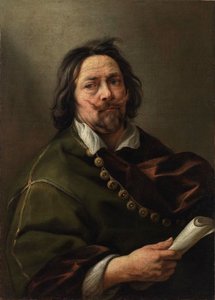
雅各·乔登斯
1593 - 1678 , 比利时
概览
- Artistic Movement Or Style: 巴洛克风格
- Artists Or Movements Influenced By This Artist: ['扬·斯汀']
- Artists Who Influenced This Artist:
- 雅各波·巴萨诺
- 保罗·委罗内塞
- 卡拉瓦乔
- Date Of Birth: 1593年5月19日
- Date Of Death: 1678年
- Full Name: 雅各·乔登斯
- Nationality: 佛兰德斯
- Notable Artworks:
- 牧羊人之礼
- 阿尔戈斯与墨丘利
- Place Of Birth (City And Country): 比利时安特卫普