

 实景预览
实景预览
 切换至版画销售渠道
 分享
分享 分享
分享
 详情
详情 指南
指南

 下载作品
下载作品
 相似作品
相似作品 X射线
X射线 幻灯片播放
幻灯片播放 Q&A
Q&A 统计数据
统计数据Satyr playing flute
 Oil
Oil- WallArt
- Baroque
 1640
1640- Early Modern
 135.0 x 176.0 cm
 展开全文
展开全文
获取远超网页预览效果的印刷级文件。我们销售的每一张数字图像均源自库存数据库中的高分辨率母版——宽度通常在 5,000 至 15,000 像素之间——因此您可以放心地进行大幅打印、局部裁剪或还原细腻的细节。
每一件作品在离开我们的工作室前都经过了精心的处理。数字影像专家会对照原作核对色彩,并在必要时进行校正,随后利用专业修图工具提升清晰度与细节表现——且始终忠实于艺术家的笔触与风格。最终呈现的图像宛如原作本身,而非仅仅是一张加了滤镜的扫描件。
您可以在最终定稿前进行审核:我们的专家将在 72 小时内通过电子邮件向您发送图像以供审阅。如果不满意?您可以要求改进或修正;若质量未达预期,亦可申请退款。
这也是出版商、设计工作室、画廊及印刷厂所信赖的品质。
每份数字图像订单均包含的内容
专业级数字交付,品质保障
选择 OriginalUniqueArt.com,您获得的不仅仅是一张图像——您收到的是经过专业级增强、精雕细琢的数字艺术作品,并享有满意保证。以下是您的订单中自动包含的所有内容:

邮件即时送达
您的高分辨率数字图像文件将在下单后 72 小时内通过电子邮件发送给您 —— 即可立即使用。

AI 增强型数字文件
您的艺术品经过专业优化,结合先进的 AI 技术与人工修饰,确保呈现极致的细节、清晰度与色彩准确度。

终身免费重发服务
不小心删除了文件或找不到了?没关系——我们将随时为您免费重发。

无需进口税费,始终如一
即刻拥有您的艺术作品,无需支付任何关税、税费或运费——数字下载始终免税。

色彩精准保障
我们通过专业工具与色彩管理技术,确保您的数字图像尽可能真实地还原原作色彩。

100天满意保证
如果您对所购数字图像不满意,我们将在100天内为您进行修改或提供100%的全额退款——无需任何理由。

100% 退款保证
不满意?在收到数字文件后的100天内,您可以申请全额退款——无需任何理由。

批量订购优惠
购买 3 张享 10% 折扣 - 购买 5 张享 15% 折扣 - 购买 10 张以上享 20% 折扣。非常适合创意项目、画廊及机构使用。
A Symphony of Earthly Delights
In the masterful hands of Jacob Jordaens, the canvas breathes with a rustic, unbridled vitality that defines the very essence of the Flemish Baroque. Satyr playing flute is not merely a depiction of a mythological figure; it is an immersive sensory experience that transports the viewer to a sun-dappled woodland clearing in 1640. The scene centers on a satyr, a creature of myth and instinct, lost in the melodic breath of his flute. Beside him, a goat stands as a silent, watchful companion, its gaze drifting toward an unseen point beyond the frame, adding a layer of quiet mystery to the composition. This is Jordaens at his most evocative, capturing a moment where the boundaries between the divine, the mythological, and the mundane dissolve into a single, harmonious melody.
The technique employed in this piece showcases the robust, painterly style that made Jordaens a titan of Antwerp. Unlike the polished, ethereal finishes of some of his contemporaries, Jordaens embraces a certain earthy texture and a rich, warm palette that feels tactile to the touch. One can almost feel the coarse hair of the goat, the weathered skin of the satyr, and the crispness of the leaves on the backdrop tree. The artist utilizes light not just to illuminate, but to sculpt; the way the sunlight filters through the foliage to catch the curve of the flute or the musculature of the satyr’s arm creates a profound sense of three-dimensionality. This mastery of chiaroscuro lends a dramatic weight to the scene, turning a pastoral moment into a theatrical event.
Symbolism and the Spirit of the Baroque
Beyond its visual splendor, the painting serves as a profound exploration of themes prevalent in 17th-century Flemish art: the celebration of nature, the primal joys of life, and the interplay between civilization and wildness. The satyr, a symbol of untamed passion and instinct, playing his instrument suggests that music is a universal language capable of bridging the gap between the human spirit and the natural world. The presence of other figures in the distant background adds a sense of community and shared existence, suggesting that this musical interlude is part of a larger, ongoing cycle of life and revelry. For the collector or interior designer, this piece offers more than just decoration; it provides a window into a philosophy of abundance and the appreciation of life's simple, profound rhythms.
Integrating a high-quality reproduction of such a masterpiece into a contemporary space allows for a sophisticated dialogue between history and modernity. The deep tones and dynamic composition of Satyr playing flute command attention, making it an ideal focal point for a grand salon, a library, or a curated gallery wall. It brings an air of classical elegance and intellectual depth to any room, evoking the warmth of a bygone era while maintaining a timeless aesthetic appeal. To possess such a work is to invite the spirited energy of Jordaens into one's home, ensuring that every glance at the canvas is a reminder of the enduring power of art to capture the soul of the natural world.
常见问题与解答
"Satyr playing flute" 的艺术风格与其创作时代有何关联?
雅各·乔登斯 的《Satyr playing flute》 属于 Baroque 流派,创作于其作者的 近代早期 时期。
“Satyr playing flute”的创作者是谁,属于什么风格?
雅各·乔登斯 在 Baroque 运动时期创作了《Satyr playing flute》。
"Satyr playing flute" 属于 雅各·乔登斯 艺术生涯中的哪个时期?
"Satyr playing flute" 展现了 雅各·乔登斯 在 Mature Period 时期的艺术风格。
艺术家简介
雅各·乔丹:生活与艺术的丰饶
1593年,雅各·乔丹出生于比利时安特卫普一个富裕的手工业者家庭。他很快便在弗拉芒巴洛克绘画领域崭露头角,成为最具活力和影响力的艺术家之一。与其他许多前往意大利深造的同代画家不同,乔丹扎根于自己的故土弗拉芒,发展出一种独特而充满力量的风格,歌颂日常生活中的快乐与现实。他的父亲是一位成功的亚麻布商人,为他提供了舒适的生活环境和与其社会地位相符的教育,之后他才开始在亚当·凡·诺特(Adam van Noort)——彼得·保罗·鲁本斯(Peter Paul Rubens)的老师——门下学习绘画。这段早期的训练赋予了乔丹精湛的技巧基础和对构图的敏锐理解力,但他很快便偏离了传统的道路,开创了自己的独特风格。1616年,他与凡·诺特的女儿卡塔丽娜(Katharina)结婚,巩固了他与安特卫普艺术界的联系。农民狂欢与巴洛克宏伟的画家
乔丹的创作范围极其广泛,涵盖宗教叙事、神话场景、寓言作品、充满生机的风俗画以及肖像画。然而,他最令人难忘的作品或许是他那些热闹非凡的农民节日和酒馆场景——这些作品洋溢着强烈的能量感和对世俗快乐毫不掩饰的喜悦。《国王饮酒》(也称为豆王节)便是这种典型风格的典范:拥挤的构图充满了健壮的人物,他们沉浸在欢快的狂欢中,以温暖、明亮的色彩和戏剧性的明暗对比呈现。这些场景不仅仅是对欢乐庆祝活动的描绘;它们通常蕴含着微妙的道德教化意味,反映了17世纪社会普遍存在的放纵与节制之间的复杂关系。然而,乔丹同样擅长处理更为宏大而正式的委托作品。他参与装饰海牙附近的胡伊斯·腾·博斯宫(Huis ten Bosch palace)——与鲁本斯的合作——展示了他创造大型寓言作品的能力,这些作品无缝地融合了绘画和建筑艺术。影响与独特的艺术声音
尽管乔丹从未前往意大利旅行,但他深受意大利大师的影响,例如雅各波·巴萨诺(Jacopo Bassano)、保罗·委罗内塞(Paolo Veronese)以及卡拉瓦乔(Caravaggio)——他们的作品通过版画和由其他艺术家带回的绘画传到弗拉芒。卡拉瓦乔的影响尤其体现在他对光影的戏剧性运用上,这种技术被称为明暗对比法,能够增强场景的情感强度。然而,乔丹并非简单地模仿这些影响;他将它们与自己的弗拉芒气质相结合,创造出一种独一无二的风格。他与鲁本斯和凡·迪克不同之处在于他对现实主义而非理想主义的偏好,采用了一种更直接、更朴素的方式来描绘人体形象。他的作品中的人物通常体格健壮,甚至肥胖,面容红润,充满健康活力。这种对自然主义的执着,加上他精湛的色彩和构图技巧,使他与同时代的艺术家区分开来,并确立了他作为弗拉芒巴洛克绘画领域领军人物的地位。遗产与持久的影响
在漫长而富有成效的职业生涯中,乔丹培养了众多学生——1621年至1667年间,圣卢卡行会正式记录了十五名徒弟——确保了他的艺术遗产得以延续。他的影响体现在后来的艺术家身上,例如扬·斯汀(Jan Steen),他与乔丹一样擅长描绘热闹的风俗场景。除了对其他画家的直接影响之外,乔丹的经典主题——特别是农民题材——对艺术世界产生了持久的影响,挑战了传统的等级制度并赞美了日常生活的尊严。即使在今天,他的作品仍然以其能量、活力和对人类经验的诚实描绘而吸引着观众。他将现实主义与寓言、感性与道德、宏伟与亲密相结合的能力使他成为巴洛克时期最具魅力和持久影响的人物之一。通过在线资源探索乔丹更多杰作,深入了解巴洛克时代的丰富艺术景观,包括对其作品的详细数据库以及对其生活和艺术的深刻分析。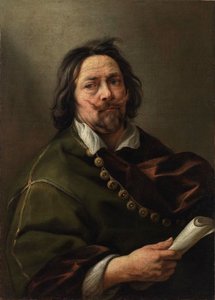
雅各·乔登斯
1593 - 1678 , 比利时
基本信息
- Artistic Movement Or Style: 巴洛克风格
- Artists Or Movements Influenced By This Artist: ['扬·斯汀']
- Artists Who Influenced This Artist:
- 雅各波·巴萨诺
- 保罗·委罗内塞
- 卡拉瓦乔
- Date Of Birth: 1593年5月19日
- Date Of Death: 1678年
- Full Name: 雅各·乔登斯
- Nationality: 佛兰德斯
- Notable Artworks:
- 牧羊人之礼
- 阿尔戈斯与墨丘利
- Place Of Birth (City And Country): 比利时安特卫普