
 效果预览
效果预览
 购买手绘画作
 分享
分享 分享
分享
 详情
详情

 下载
下载
 相似作品
相似作品 X射线
X射线 幻灯片播放
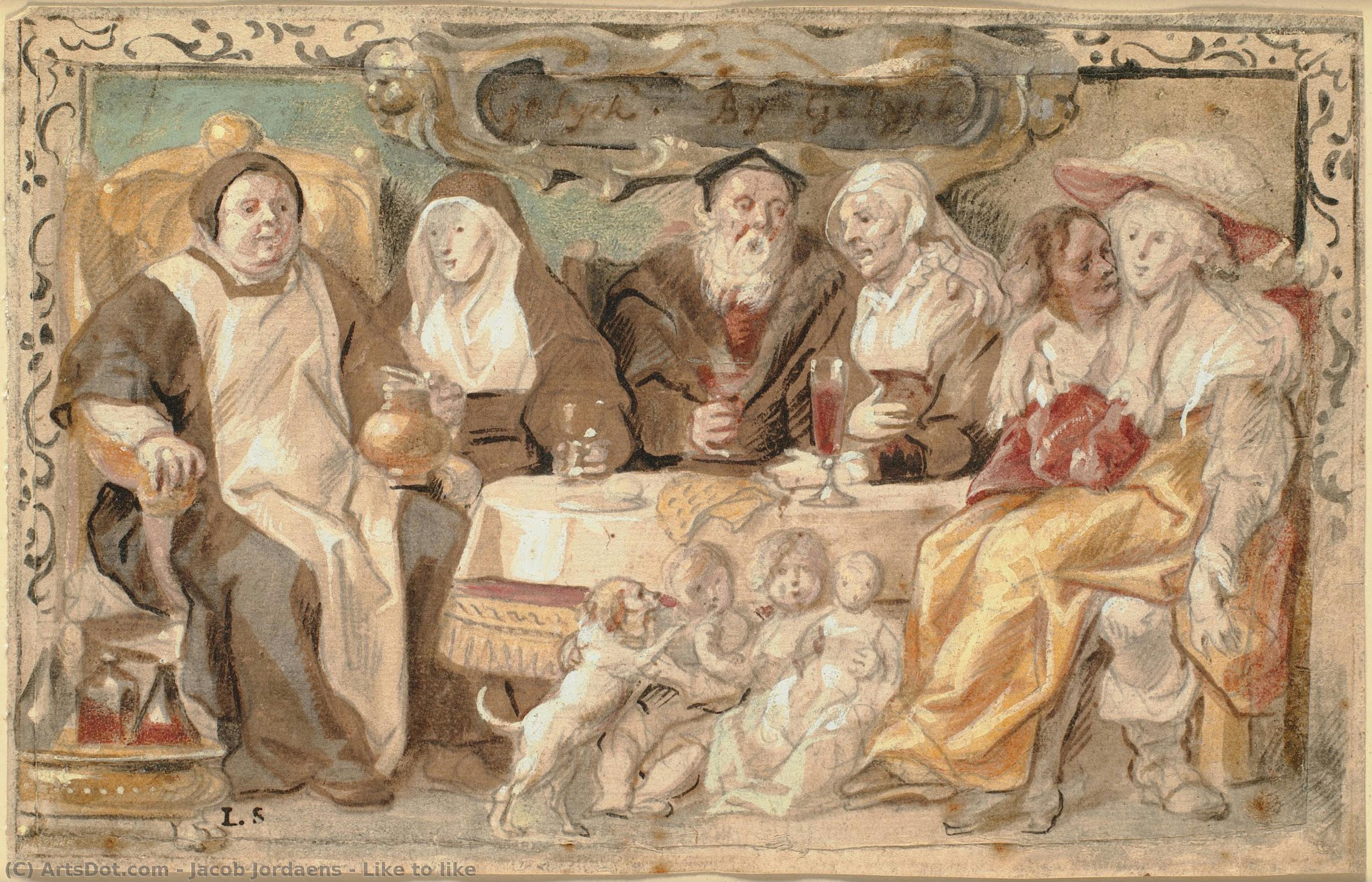
幻灯片播放Like to like
 Oil On Canvas
- WallArt
- Baroque
 1645
1645- Renaissance
 21.0 x 13.0 cm
 丹麦国家美术馆
 展开详情
展开详情




P118B $10

P118H $10

P118W $10

P438Z $10

P508JH $12

P508YH $12

P805H $10

P805Z $10

P919BZ $10

P919G $10

P919XJ $10

P959ZH $10

P968JZ $12

W106C $8

W218G $10

W218JH $8

W218Y $10

W307PJ $10

W316G $10

W316PJ $8

W316Y $10

W398PJ $8

W4111J $10

W500HY $15

W500JH $15

W692G $12

W849H $8

W940BG $15

W953PJ $8




从与原作比例一致的预设尺寸中进行选择。

您可以输入自定义尺寸,以适配特定的画框或空间。如果您选择的尺寸与原图比例不符,我们将对作品进行裁剪,或通过镜像填充/纯色填充边缘的方式来扩展图像。在开始制作之前,我们会向您发送一份数字效果图供您确认。
请注意,屏幕上的预览并不能反映实际的裁剪或扩展效果。只有效果图才能准确展示最终的构图。
虽然我们提供定制尺寸,但为了保持原图比例,我们建议您从预设列表中选择尺寸。


 玻璃选项仅适用于110厘米以下的尺寸。

Like to like
艺术微喷/版画
复制品尺寸
-


最终总价
$ 80
A Window into Flemish Wisdom: Jordaens’ “Like to Like”
Jacob Jordaens' "Like to Like," painted in 1645, is more than just a group portrait; it’s a meticulously crafted visual sermon, a testament to the enduring power of proverb and social commentary within the vibrant world of Flemish Baroque art. Executed during a period when artists like Bosch and Bruegel had established the tradition of illustrating moral lessons through captivating scenes, Jordaens continues this legacy with remarkable clarity and detail. This particular work, measuring 21 x 13 cm, offers a poignant glimpse into the lives and values of a prosperous Antwerp family, inviting viewers to contemplate their own place within the social order.
- Subject Matter: The painting depicts a gathering around a richly appointed dining table, populated by a diverse cast of characters – men, women, and children – each embodying a specific facet of societal expectation.
- Composition: Jordaens’ masterful composition utilizes theatrical staging, with the figures arranged as if on a stage, their faces turned towards the viewer, drawing us directly into the scene.
- Details: The inclusion of wine glasses, cups, and bowls adds to the sense of conviviality and abundance, while the presence of a boy and girl further emphasizes the theme of familial bonds and generational continuity.
The Language of Proverbs and Symbolism
At its core, “Like to Like” is an illustration of a fundamental proverb: "Stick with one’s own class." This message is powerfully conveyed through the carefully constructed groupings within the painting. Four distinct couples represent this principle – a friar and nun, an elderly married couple, young lovers, and a simple family – each pair visually reinforcing the idea of maintaining social standing and adhering to established norms. The artist's didacticism isn’t heavy-handed; rather, it’s subtly woven into the fabric of the scene, inviting contemplation rather than demanding obedience.
Beyond this central theme, the painting is rich in symbolic detail. The vase positioned near the center adds an element of decorative elegance, while the presence of a boy and dog – or girl and doll – speaks to childhood innocence and the importance of nurturing young generations. Even the clothing worn by each figure contributes to the overall narrative, reflecting their respective social roles and status.
A Masterful Exercise in Technique
Jordaens’ skill as a painter is immediately apparent in the meticulous rendering of textures – from the velvet upholstery of the chairs to the folds of the fabrics worn by the figures. His use of light and shadow creates a sense of depth and realism, while his brushwork is both precise and expressive. The painting demonstrates a mastery of *alla prima* technique, applying paint directly to the canvas in broad strokes, creating a vibrant and dynamic effect. This approach, favored by Rubens himself, contributes significantly to the work’s energetic feel.
Emotional Resonance and Lasting Appeal
"Like to Like" transcends its historical context to offer a timeless meditation on social order, family values, and the enduring wisdom of proverbs. Jordaens' ability to capture human emotion – tenderness, affection, contemplation – ensures that this painting continues to resonate with viewers centuries later. This hand-painted reproduction offers an exceptional opportunity to own a piece of art history, bringing the richness and complexity of Flemish Baroque into your home or office.
艺术家简介
雅各·乔丹:生活与艺术的丰饶
1593年,雅各·乔丹出生于比利时安特卫普一个富裕的手工业者家庭。他很快便在弗拉芒巴洛克绘画领域崭露头角,成为最具活力和影响力的艺术家之一。与其他许多前往意大利深造的同代画家不同,乔丹扎根于自己的故土弗拉芒,发展出一种独特而充满力量的风格,歌颂日常生活中的快乐与现实。他的父亲是一位成功的亚麻布商人,为他提供了舒适的生活环境和与其社会地位相符的教育,之后他才开始在亚当·凡·诺特(Adam van Noort)——彼得·保罗·鲁本斯(Peter Paul Rubens)的老师——门下学习绘画。这段早期的训练赋予了乔丹精湛的技巧基础和对构图的敏锐理解力,但他很快便偏离了传统的道路,开创了自己的独特风格。1616年,他与凡·诺特的女儿卡塔丽娜(Katharina)结婚,巩固了他与安特卫普艺术界的联系。农民狂欢与巴洛克宏伟的画家
乔丹的创作范围极其广泛,涵盖宗教叙事、神话场景、寓言作品、充满生机的风俗画以及肖像画。然而,他最令人难忘的作品或许是他那些热闹非凡的农民节日和酒馆场景——这些作品洋溢着强烈的能量感和对世俗快乐毫不掩饰的喜悦。《国王饮酒》(也称为豆王节)便是这种典型风格的典范:拥挤的构图充满了健壮的人物,他们沉浸在欢快的狂欢中,以温暖、明亮的色彩和戏剧性的明暗对比呈现。这些场景不仅仅是对欢乐庆祝活动的描绘;它们通常蕴含着微妙的道德教化意味,反映了17世纪社会普遍存在的放纵与节制之间的复杂关系。然而,乔丹同样擅长处理更为宏大而正式的委托作品。他参与装饰海牙附近的胡伊斯·腾·博斯宫(Huis ten Bosch palace)——与鲁本斯的合作——展示了他创造大型寓言作品的能力,这些作品无缝地融合了绘画和建筑艺术。影响与独特的艺术声音
尽管乔丹从未前往意大利旅行,但他深受意大利大师的影响,例如雅各波·巴萨诺(Jacopo Bassano)、保罗·委罗内塞(Paolo Veronese)以及卡拉瓦乔(Caravaggio)——他们的作品通过版画和由其他艺术家带回的绘画传到弗拉芒。卡拉瓦乔的影响尤其体现在他对光影的戏剧性运用上,这种技术被称为明暗对比法,能够增强场景的情感强度。然而,乔丹并非简单地模仿这些影响;他将它们与自己的弗拉芒气质相结合,创造出一种独一无二的风格。他与鲁本斯和凡·迪克不同之处在于他对现实主义而非理想主义的偏好,采用了一种更直接、更朴素的方式来描绘人体形象。他的作品中的人物通常体格健壮,甚至肥胖,面容红润,充满健康活力。这种对自然主义的执着,加上他精湛的色彩和构图技巧,使他与同时代的艺术家区分开来,并确立了他作为弗拉芒巴洛克绘画领域领军人物的地位。遗产与持久的影响
在漫长而富有成效的职业生涯中,乔丹培养了众多学生——1621年至1667年间,圣卢卡行会正式记录了十五名徒弟——确保了他的艺术遗产得以延续。他的影响体现在后来的艺术家身上,例如扬·斯汀(Jan Steen),他与乔丹一样擅长描绘热闹的风俗场景。除了对其他画家的直接影响之外,乔丹的经典主题——特别是农民题材——对艺术世界产生了持久的影响,挑战了传统的等级制度并赞美了日常生活的尊严。即使在今天,他的作品仍然以其能量、活力和对人类经验的诚实描绘而吸引着观众。他将现实主义与寓言、感性与道德、宏伟与亲密相结合的能力使他成为巴洛克时期最具魅力和持久影响的人物之一。通过在线资源探索乔丹更多杰作,深入了解巴洛克时代的丰富艺术景观,包括对其作品的详细数据库以及对其生活和艺术的深刻分析。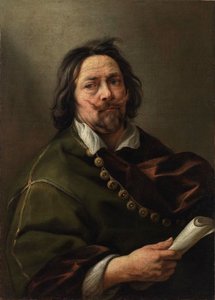
雅各·乔登斯
1593 - 1678 , 比利时
艺术家简介
- Artistic Movement Or Style: 巴洛克风格
- Artists Or Movements Influenced By This Artist: ['扬·斯汀']
- Artists Who Influenced This Artist:
- 雅各波·巴萨诺
- 保罗·委罗内塞
- 卡拉瓦乔
- Date Of Birth: 1593年5月19日
- Date Of Death: 1678年
- Full Name: 雅各·乔登斯
- Nationality: 佛兰德斯
- Notable Artworks:
- 牧羊人之礼
- 阿尔戈斯与墨丘利
- Place Of Birth (City And Country): 比利时安特卫普
相关文章

Dutch Baroque Masters: 10 Paintings That Shaped an Era | OriginalUniqueArt
Journey through the Golden Age with our guide to the Top 10 Dutch Baroque masterpieces! Explore iconic paintings by Rembrandt, Vermeer & Frans Hals. Find museum-quality art reproductions and elevate your home decor at OriginalUniqueArt.com.
Jacob Jordaens: Baroque Dynamism & Genre Innovation of the Antwerp School
Discover Jacob Jordaens, a leading Flemish Baroque painter renowned for his dynamic compositions & realistic genre scenes. Explore his life, art, and lasting influence with OriginalUniqueArt.

荷兰黄金时代绘画:文化创新中的现实主义反思
深入探索荷兰黄金时代绘画的文化创新与现实主义反思。本文解读伦勃朗、维米尔等大师的作品,并结合玛莉特·韦斯特曼的图像学研究,揭示艺术史背后的社会语境与现代性意识觉醒。
Decoding Baroque Grandeur: A Guide to the Drama and Emotion of 17th-Century Art
Explore the breathtaking drama of 17th-century Baroque art. Our expert guide decodes the use of chiaroscuro, emotional intensity, and historical grandeur to help you appreciate and curate timeless masterpieces for your collection.

Baroque Classicism: The Grandeur of Order and Drama in 17th-Century Art History
Explore the profound elegance of Baroque Classicism. Discover how 17th-century masters synthesized dramatic emotion with classical order through the lens of the Counter-Reformation and the works of legends like Carlo Maratta and Andrea Sacchi.



