

 实景预览
实景预览
 发送
发送 分享
分享
 详情
详情 指南
指南

 下载图片
下载图片
 相似作品
相似作品 X射线
X射线 幻灯片播放
幻灯片播放 统计数据
统计数据The Waterfall
 Oil On Canvas
- WallArt
- Dutch Golden Age
 1665
1665- Renaissance
 100.0 x 87.0 cm
 Staatliche Museen Kassel
 阅读全文
阅读全文
艺术微喷/版画
博物馆级艺术微喷或帆布版画,制作高效,并提供多种饰面选择。 ( 订购此收藏品的纯手工复刻画作 切换至数字图像销售渠道)




P118B ¥10

P118H ¥10

P118W ¥10

P438Z ¥10

P508JH ¥12

P508YH ¥12

P805H ¥10

P805Z ¥10

P919BZ ¥10

P919G ¥10

P919XJ ¥10

P959ZH ¥10

P968JZ ¥12

W106C ¥8

W218G ¥10

W218JH ¥8

W218Y ¥10

W307PJ ¥10

W316G ¥10

W316PJ ¥8

W316Y ¥10

W398PJ ¥8

W4111J ¥10

W500HY ¥15

W500JH ¥15

W692G ¥12

W849H ¥8

W940BG ¥15

W953PJ ¥8




您可以从与原作比例一致的预设尺寸中进行选择。

请输入您所需的宽度和高度,以适配您的画框或墙面。由于印刷品只能进行裁剪,无法超出原图尺寸,因此若比例不一致,画面的一部分将会被裁切。在正式印刷之前,我们会为您发送一份数字效果图供您确认。本页面显示的图片并非最终裁剪后的效果——只有效果图才能展示真实的裁剪情况。


 玻璃选项仅适用于110厘米以下的尺寸。

The Waterfall
艺术微喷/版画
复刻品尺寸说明
-


总计金额
¥ 538
A Masterpiece of Dutch Serenity: "The Waterfall" by Jacob Isaackszoon van Ruysdael
Jacob Isaackszoon van Ruysdael’s “The Waterfall,” painted in 1665, is more than just a depiction of a natural scene; it's a profound meditation on tranquility and observation – hallmarks of the Dutch Golden Age. Measuring an impressive 100 x 87 cm, this artwork transports the viewer to a moment of serene contemplation, capturing the essence of a landscape that was rapidly becoming central to Dutch artistic expression. Housed within the Staatliche Museen in Kassel, Germany, “The Waterfall” represents a pivotal work by a man who fundamentally shaped the definition of landscape painting and remains a cornerstone of Dutch art history.
Technical Brilliance: The Art of Atmospheric Depth
- Oil on Canvas: Executed with meticulous detail in oil on canvas, Ruysdael’s technique is immediately arresting. He demonstrates an unparalleled command of light and shadow, skillfully rendering the cascading water with a dynamic sense of movement.
- Reflections and Illusion: The shimmering reflections across the wet rocks are not merely decorative; they're a masterful illusion of depth, drawing the viewer into the heart of the scene. This technique was revolutionary for its time, pushing the boundaries of what was possible in oil painting.
- Layered Brushstrokes: Noticeable upon close inspection, the layering of brushstrokes contributes to the painting’s textural richness – from the rough texture of the cliff face to the delicate foliage surrounding the waterfall. This deliberate approach adds a remarkable sense of realism and tactile quality.
- Atmospheric Perspective: Ruysdael's use of atmospheric perspective—the subtle blurring of distant elements—is particularly noteworthy, creating a believable sense of space and distance that was groundbreaking for its time.
A Window into 17th-Century Dutch Life
“The Waterfall” transcends the purely aesthetic; it’s a snapshot of 17th-century Dutch life, offering a glimpse into rural existence and the values of the era. The small village nestled amongst the hills speaks to the importance of agriculture and community, while the church steeple rising above the rooftops underscores the profound influence of faith. This detail elevates the painting beyond a simple landscape, transforming it into a narrative window onto a bygone world.
Symbolism and Emotional Impact
The composition itself is carefully balanced, guiding the eye through the scene from the foreground waterfall to the distant village, reinforcing the painting’s inherent harmony. The overcast sky hints at a sense of quiet contemplation, while the sheer power of the falling water evokes both awe and a feeling of vulnerability. Ruysdael's ability to capture such nuanced emotions within a landscape is a testament to his artistic genius. The artwork continues to resonate with viewers today, offering a moment of respite and reminding us of the enduring beauty of nature.
Provenance and Significance
Created in 1665, “The Waterfall” stands as a prime example of Ruysdael’s artistic evolution. Initially known for his depictions of Dutch countryside scenes, he later incorporated elements of German influence after his travels, broadening his stylistic range. This painting exemplifies his mastery and secures its place as a foundational work within the history of landscape art, offering a tangible connection to the vibrant cultural landscape of the Dutch Golden Age.
问答详情
“The Waterfall”是用什么材质制作的?
雅各布·伊萨克松·范·鲁伊斯代尔 在作品《The Waterfall》中运用了 Oil On Canvas 技法。该技法界定了原作的材质特性。
"The Waterfall"创作于何时,属于哪种艺术流派?
雅各布·伊萨克松·范·鲁伊斯代尔 的《The Waterfall》创作于1665年,属于Dutch Golden Age流派。
我可以在全屏幻灯片模式下观看“The Waterfall”吗?
您可以在作品的 幻灯片播放 页面上以幻灯片形式浏览 雅各布·伊萨克松·范·鲁伊斯代尔 的《The Waterfall》。
艺术家简介
早年生活与职业生涯
雅各·伊萨克松·范·鲁伊斯达尔,一位杰出的荷兰画家、素描家和蚀刻家,于1628年出生在荷兰。他被公认为荷兰黄金时代最卓越的风景画家,那个时代洋溢着巨大的财富与文化成就。
艺术风格与贡献
鲁伊斯达尔的作品以其多才多艺和丰硕的产量而著称,描绘了种类繁多的风景题材。自1646年起,他绘制了许多令人惊叹的荷兰乡村风光,而在1650年访问德国之后,这些作品逐渐带上了一种更为雄浑的气质。他在阿姆斯特丹生活和工作时创作的晚期作品,则展现出城市全景和海景,其中天空常常占据着画面的三分之二。
- 岩石嶙峋的山地瀑布,彰显了他对光影和构图的精湛掌握。
- 哈勒姆的漂白场景观,完美体现了他捕捉荷兰田园诗意的能力。
- 阿姆斯特丹的堤坝和堤道景观,突显了他卓越的城市风光描绘技巧。
博物馆与收藏
鲁伊斯达尔的作品散布于全球的私人和机构收藏中,其中在以下地方拥有重要的馆藏:
影响与遗产
鲁伊斯达尔对风景画传统的影响是深远的,它塑造了英国浪漫主义、法国的巴比松画派以及美国的哈德逊河画派。他也激励了数代荷兰风景画家。著名作品:
OriginalUniqueArt上的艺术家档案: 雅各·伊萨克松·范·鲁伊斯达尔

雅各布·伊萨克松·范·鲁伊斯代尔
1628 - 1682 , 荷兰
快速概览
- Artistic Movement Or Style: 荷兰黄金时代,巴洛克风格
- Artists Or Movements Influenced By This Artist:
- 英国浪漫主义
- 巴比松画派
- Artists Who Influenced This Artist: ['亨德里克·弗鲁姆']
- Date Of Birth: 1628/1629年,哈勒姆
- Date Of Death: 1682年,阿姆斯特丹
- Full Name: 雅各布·伊萨克松·范·鲁伊斯达尔
- Nationality: 荷兰
- Notable Artworks:
- 哈勒姆景观
- 瀑布风景
- 阿姆斯特丹城市景观
- Place Of Birth: 荷兰,哈勒姆
相关文章

荷兰黄金时代:十幅定义艺术史的巨作 | OriginalUniqueArt
探索荷兰黄金时代的艺术巅峰! 伦勃朗、维米尔等大师名作,带您领略巴洛克艺术的辉煌。高清画作、博物馆级品质,点亮您的家居空间。OriginalUniqueArt.com 提供精选艺术复制品和定制装饰方案。立即在线探索全系列!

伦勃朗25幅杰作:光影大师的艺术传奇与家居臻选
探索伦勃朗25幅杰作,领略荷兰黄金时代光影大师的艺术传奇!从《夜巡》到自画像,深入了解巴洛克艺术、历史绘画与人物肖像背后的故事。OriginalUniqueArt.com提供高清艺术复制品及家居装饰灵感。立即探索完整系列!
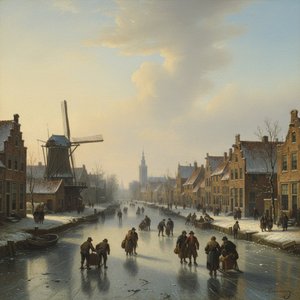
Charles Leickert: Capturing the Dutch Golden Age Light – A Comprehensive Study of Technique, Context, and Legacy
Explore the captivating winter landscapes of Charles Leickert, a master of Dutch Golden Age light & atmosphere. Discover his techniques, symbolism, and lasting legacy – a comprehensive study for art enthusiasts and collectors.

Golden Light & Dutch Skies: Bringing the Magic of Dutch Golden Age Landscapes into Your Home
Transform your home with the breathtaking light of Dutch Golden Age landscapes. Discover how hand-painted oil reproductions of masterworks like Ruisdael and Vermeer bring timeless elegance, atmosphere, and soulful texture to modern interiors. Elevate your space with museum-quality art.

Golden Light & Dutch Skies: The Timeless Magic of Dutch Golden Age Landscapes
Discover the breathtaking beauty of Dutch Golden Age landscapes. Explore the mastery of light, chiaroscuro, and 17th-century realism through an expert art history lens, celebrating the enduring legacy of the Dutch Masters for discerning collectors and art lovers.

