

 效果预览
效果预览
 购买手绘画作
 分享
分享 分享
分享
 详情
详情

 下载
下载
 相似作品
相似作品 X射线
X射线 幻灯片播放
幻灯片播放Reeds
 Acrylic On Canvas
- WallArt
- Contemporary Realism
 2011
2011- Contemporary
 Museu da Fundação Dionísio Pinheiro e Alice Cardoso Pinheiro
 展开详情
展开详情




P118B $10

P118H $10

P118W $10

P438Z $10

P508JH $12

P508YH $12

P805H $10

P805Z $10

P919BZ $10

P919G $10

P919XJ $10

P959ZH $10

P968JZ $12

W106C $8

W218G $10

W218JH $8

W218Y $10

W307PJ $10

W316G $10

W316PJ $8

W316Y $10

W398PJ $8

W4111J $10

W500HY $15

W500JH $15

W692G $12

W849H $8

W940BG $15

W953PJ $8




从与原作比例一致的预设尺寸中进行选择。

您可以输入自定义尺寸,以适配特定的画框或空间。如果您选择的尺寸与原图比例不符,我们将对作品进行裁剪,或通过镜像填充/纯色填充边缘的方式来扩展图像。在开始制作之前,我们会向您发送一份数字效果图供您确认。
请注意,屏幕上的预览并不能反映实际的裁剪或扩展效果。只有效果图才能准确展示最终的构图。
虽然我们提供定制尺寸,但为了保持原图比例,我们建议您从预设列表中选择尺寸。


 玻璃选项仅适用于110厘米以下的尺寸。

Reeds
艺术微喷/版画
复制品尺寸
-


最终总价
$ 80
藏品详情
Subject and Atmosphere
The canvas opens onto a quiet, intimate scene: a figure reclines upon a bed, the body draped in sheets that cascade like green water over skin. The sheets, rendered with soft, almost translucent brushstrokes, create an illusion of both concealment and revelation, as if the person is wrapped in a living blanket of nature itself. A small bird perches near the top right corner, its presence a delicate counterpoint to the human form, suggesting freedom or perhaps a fleeting moment of observation within the domestic sphere. The overall composition feels like a private sanctuary, a place where warmth and vulnerability intertwine.Technique and Materiality
Isabel Lhano employs a layered glazing technique that allows light to penetrate through translucent layers of paint, giving the green sheets an almost luminous quality. Her brushwork is both deliberate and fluid; broad washes establish the background while finer strokes capture the subtle folds of fabric and the delicate feathering of the bird’s wings. The choice of muted greens against the soft flesh tones creates a harmonious balance that invites viewers to linger, as if they too might step into the scene. Lhano’s mastery of color temperature enhances the sense of depth, making the bed appear both tangible and ethereal.Symbolism and Narrative Layers
The green sheets can be read as a metaphor for renewal or growth, echoing the artist’s Portuguese heritage where verdant landscapes often symbolize hope. The bird, perched on the edge of the frame, introduces an element of transience—its presence fleeting yet poignant, reminding us that even in moments of rest, life continues to move beyond our immediate surroundings. Together, these symbols weave a narrative about the intersection of human comfort and the ever-present pulse of nature.Emotional Resonance and Interior Potential
When viewed from afar, the painting exudes a gentle calm; up close, it reveals layers of tenderness that stir the viewer’s own memories of rest and solace. The soft green hue invites a sense of renewal, while the bird’s subtle gaze encourages contemplation. For collectors and interior designers alike, this work offers more than visual appeal—it becomes an emotional anchor in any space, inviting occupants to pause, breathe, and find quiet within their surroundings. Its timeless quality ensures that it will remain a cherished focal point for years to come.艺术家简介
Joan Mitchell: A Landscape of the Soul
Born in Chicago in February 1925, Joan Mitchell’s journey to becoming a pivotal figure in post-war American abstract expressionism was shaped by early exposure to art and culture. Raised within a household that valued artistic pursuits – frequenting symphonies, visiting museums, and engaging with poetry – she developed an intrinsic appreciation for the visual world from a remarkably young age. At just eleven years old, Mitchell began her formal painting education, receiving a travel fellowship in 1947 that proved transformative, leading her to spend a year immersed in the vibrant artistic atmosphere of France. This period was crucial; it marked a decisive shift away from representational art and towards an increasingly abstract approach, fueled by encounters with European modernism and a deepening connection to the natural world.
Returning to New York City in late 1949, Mitchell quickly integrated herself into the burgeoning “New School” of painters and poets. This group, characterized by its experimental spirit and rejection of traditional artistic conventions, provided fertile ground for her evolving style. Her early works began to reflect this new direction, incorporating bold colors, gestural brushstrokes, and a raw energy that distinguished her from many of her contemporaries. The “9th Street Show” of 1951 proved to be a watershed moment, introducing Mitchell’s work to a wider audience and firmly establishing her as one of the leading young Abstract Expressionist painters of the era. Her paintings weren't simply depictions; they were visceral responses to landscapes, emotions, and experiences—a direct translation of inner feeling onto canvas.
The Language of Color and Gesture
Mitchell’s artistic language was uniquely her own, characterized by a masterful manipulation of color and gesture. She eschewed the purely formal concerns often associated with abstract expressionism, instead prioritizing the emotional impact of her work. Her palette was intensely chromatic, utilizing vibrant hues—often layered and juxtaposed in unexpected ways—to convey mood, atmosphere, and subjective experience. Crucially, Mitchell’s technique involved a dynamic application of paint, employing loose brushstrokes, drips, and splatters to create a sense of movement and energy. These weren't carefully controlled applications; rather, they were spontaneous marks that captured the immediacy of her perception.
Unlike some of her peers who focused on purely abstract forms, Mitchell consistently rooted her work in recognizable landscapes—fields, forests, coastlines, and cityscapes. However, these references were rarely literal. Instead, she distilled the essence of a place – its light, texture, and emotional resonance – into a series of layered colors and gestural marks. She described her process as “a dance to the tempo of the evolving day,” suggesting an intuitive and deeply personal approach to painting. Her work became a conduit for translating her experiences—her observations of nature, her reflections on human relationships, and even her own emotional state—into visual form.
Influences and Legacy
Mitchell’s artistic development was shaped by a diverse range of influences. The European modernists – particularly the Fauves and German Expressionists – provided a crucial foundation for her use of color and expressive brushwork. She also drew inspiration from poetry, music, and literature, as evidenced in the titles of many of her paintings and her own writings on art. The work of artists like Wassily Kandinsky, whose theories of synesthesia explored the connections between colors and sounds, undoubtedly resonated with Mitchell’s approach to painting.
Despite not achieving widespread commercial success during her lifetime, Joan Mitchell's influence on subsequent generations of artists is undeniable. Her fearless exploration of color, gesture, and emotional expression paved the way for a more subjective and intuitive approach to abstract art. Her work continues to be exhibited and studied worldwide, celebrated for its raw power, poetic beauty, and profound connection to the natural world. Mitchell’s legacy lies not only in her individual paintings but also in her pioneering spirit—a testament to the transformative potential of artistic vision.
Key Works and Recognition
Throughout her career, Joan Mitchell produced a vast body of work encompassing oil paintings, pastels, prints, and drawings. Some of her most celebrated works include *Cloud Shepherd* (1953), a dynamic composition of layered blues and greens that captures the essence of a stormy landscape; *Red Rock Canyon* (1960), which showcases her masterful use of color to evoke the rugged beauty of the American Southwest; and *The Great Plains* (1974), a sprawling canvas that embodies her deep connection to the American West. Her work has been featured in numerous solo exhibitions at major museums and galleries around the world, including the Whitney Museum of American Art, the Metropolitan Museum of Art, and the Tate Modern.
Mitchell received several prestigious awards throughout her career, including a Guggenheim Fellowship (1963) and a National Endowment for the Arts Grant in Visual Arts (1985). Her contributions to the art world were recognized with the retrospective exhibition *Joan Mitchell: A Retrospective* at the Whitney Museum of American Art in 1997. Her work remains an integral part of the canon of Abstract Expressionism, and her legacy as a pioneering female artist continues to inspire artists today.

isabel lhano
1953 - 2023 , Portugal
艺术家简介
- Artistic Movement Or Style: Abstract Expressionism
- Artists Or Movements Influenced By This Artist:
- Pollock
- De Kooning
- Artists Who Influenced This Artist:
- Picasso
- Matisse
- Date Of Birth: February 12, 1925
- Date Of Death: 1992
- Full Name: Joan Mitchell
- Nationality: American
- Notable Artworks:
- Cloud Shepherd
- University City of Caracas
- Place Of Birth: Chicago, USA
相关文章
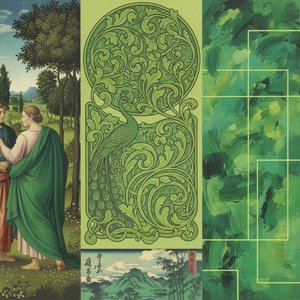
Verdant Visions: Exploring the Symbolism & Aesthetic Impact of Green in Art History
Explore the rich history & symbolism of green in art! Discover iconic paintings, techniques, and how to bring verdant harmony into your home with OriginalUniqueArt's expert guide.

Kandinsky's Masterpieces: 25 Paintings That Define Abstract Art | OriginalUniqueArt
Journey through Wassily Kandinsky's 25 most iconic abstract paintings. Explore his revolutionary use of color, form & spiritual expressionism. Find museum-quality Kandinsky reproductions and elevate your home decor with OriginalUniqueArt.com. Discover all masterpieces on OriginalUniqueArt.com!

The Enduring Legacy of Oil on Canvas: Technique, History & Aesthetic Impact
Explore the rich history & techniques of oil painting – from Renaissance masters to Impressionism. Discover pigments, layering methods, and why this timeless medium endures. Expert insights for artists & art enthusiasts.

抽象表现主义:十幅定义艺术史的杰作
探索抽象表现主义的十幅经典杰作!波洛克、罗斯科等大师作品,揭秘艺术史上的重要瞬间。OriginalUniqueArt.com为您呈现高品质艺术品复制和精选家居装饰方案,感受现代艺术的力量与魅力。立即浏览全系列!

Oil on Canvas: A Historical & Technical Exploration of a Timeless Artistic Medium
Explore the rich history & enduring techniques of oil painting on canvas. Discover the science behind its longevity, conservation practices, and contemporary relevance. Expert insights for art enthusiasts.

