

 实景预览
实景预览
 发送
发送 分享
分享
 详情
详情 指南
指南

 下载图片
下载图片
 相似作品
相似作品 X射线
X射线 幻灯片播放
幻灯片播放 统计数据
统计数据Workers


 阅读全文
阅读全文
手工油画复制品
由我们的艺术家按需定制,为您提供您所选尺寸及画框的布面手工油画。 ( 切换至版画销售渠道 切换至数字图像销售渠道)




P118B ¥10

P118H ¥10

P118W ¥10

P438Z ¥10

P508JH ¥12

P508YH ¥12

P805H ¥10

P805Z ¥10

P919BZ ¥10

P919G ¥10

P919XJ ¥10

P959ZH ¥10

P968JZ ¥12

W106C ¥8

W218G ¥10

W218JH ¥8

W218Y ¥10

W307PJ ¥10

W316G ¥10

W316PJ ¥8

W316Y ¥10

W398PJ ¥8

W4111J ¥10

W500HY ¥15

W500JH ¥15

W692G ¥12

W849H ¥8

W940BG ¥15

W953PJ ¥8




您可以从与原作比例一致的预设尺寸中进行选择。

请输入您需要的宽度和高度,以适配您的画框或墙面。由于作品为手工绘制,若您选择不同的尺寸比例,艺术家可能会在画面边缘多画一些或稍作裁剪 —— 由您决定。在开始绘画之前,我们会为您发送一份数字效果图供您确认。本页面上展示的图片并非最终实物 —— 只有效果图才能反映真实结果。
下单后,OriginalUniqueArt.com 团队将通过电子邮件联系客户获取具体要求,并提供效果预览图


 玻璃选项仅适用于110厘米以下的尺寸。

Workers
复制品材质
复刻品尺寸说明
-


总计金额
¥ 2013
A Haunting Vision of Resilience and Sacrifice
In the profound and somber masterpiece Workers, created in 1975 by the Egyptian visionary Inji Efflatoun, we are confronted with an image that transcends mere depiction to become a visceral experience of human struggle. The painting presents a harrowing scene where several figures hang suspended from ropes against a backdrop of skeletal, bare trees. This is not merely a landscape or a portrait; it is a powerful, thought-provoking tableau that captures the weight of existence and the heavy cost of political and social upheaval. As the eye wanders through the composition, one encounters at least thirteen distinct figures, each positioned at varying heights and depths, creating a rhythmic yet unsettling sense of movement that draws the viewer into the heart of this desolate landscape.
The technique employed by Efflatoun serves to amplify the emotional gravity of the subject matter. Through a style that merges the raw energy of expressionism with a stark, almost skeletal minimalism, she strips away the unnecessary to focus on the essential agony of the scene. The bare branches of the background trees act as silent witnesses, their lack of foliage mirroring the desolation and bleakness of the execution depicted. This use of negative space and stark silhouettes creates a profound sense of depth, making the viewer feel as though they are standing within the very clearing where this tragic event unfolds. For the collector or interior designer, this piece offers a commanding presence, acting as a focal point that demands contemplation and invites deep intellectual engagement.
To understand Workers, one must look into the turbulent life of Inji Efflatoun herself. Her art was inextricably linked to her political convictions and her lived experience within the revolutionary tides of Egypt. Having endured imprisonment under the Nasser regime, Efflatoun’s later works transitioned from a fascination with historical textures to a much rawer, more candid representation of the human condition. The painting serves as a symbolic bridge between the physical labor of the Egyptian peasantry and the political martyrdom of those fighting for justice. The figures hanging from the ropes are not just individuals; they represent the collective struggle, the heavy burden of the working class, and the enduring spirit of resistance even in the face of ultimate sacrifice.
For those seeking to adorn a space with art that possesses true soul and historical weight, this reproduction offers an unparalleled opportunity. It is a piece that does not merely decorate a wall but enriches the atmosphere of a room with its narrative complexity and emotional depth. Whether placed in a curated gallery setting or a sophisticated private study, Workers serves as a poignant reminder of the strength found in unity and the indelible mark left by those who stand for their beliefs. It is an investment in a piece of history that continues to vibrate with the spirit of revolution and the timeless beauty of human resilience.
问答详情
Inji Efflatoun 的《Workers》 融合了怎样的主题与氛围?
Inji Efflatoun 的《Workers》 描绘了 workers, execution, political struggle, human condition, social justice, desolation, egypt,呈现出 Dramatic 的意境。其主题与氛围共同构成了这件作品的精髓。
在“Workers”中,哪种颜色最为醒目?
Inji Efflatoun 的《Workers》 的主色调为 Gray (#978e82)。
在“Workers”中,融合了怎样的心境与情感?
《Inji Efflatoun 的《Workers》》所传达的意境为Dramatic,其情感基调为Somber。
艺术家简介
A Vision of Resilience: The Life and Art of Inji Efflatoun
In the vibrant and often turbulent landscape of twentieth-century Egyptian art, few figures command as much respect and profound emotional resonance as Inji Efflatoun. A pioneer of modern Egyptian art, her life was a seamless tapestry woven from the threads of creative brilliance and fierce political activism. Born in Cairo, Egypt, into a family with deep intellectual roots, Efflatoun emerged not merely as a painter, but as a leading spokeswoman for the Marxist-progressive-nationalist-feminist movement during the transformative decades of the 1940s and 1950s. Her work serves as a visceral testament to the struggles of her era, capturing the very soul of a nation in flux.
Her artistic journey was deeply informed by her early exposure to diverse social realities. Growing up in Cairo, she navigated environments ranging from the traditional and bourgeois to the radical intellectual circles of the Art and Freedom Group. Under the mentorship of figures like Kamel El Telmissany, she developed a foundation that allowed her to bridge the gap between aesthetic innovation and social commentary. Her canvases often act as windows into everyday Egyptian life, utilizing earthy tones and intricate patterns to evoke a sense of heritage and connection to the land.
The Canvas as Witness: Themes and Technique
Efflatoun’s oeuvre is characterized by its ability to transcend mere depiction, moving into the realm of the symbolic and the haunting. Her technique often merged the raw, energetic spirit of expressionism with a stark, skeletal minimalism. This approach is perhaps most powerfully realized in her later works, where she stripped away the unnecessary to focus on the essential agony of human existence. In masterpieces such as Workers, one encounters a harrowing scene of figures suspended against bare trees—a tableau that captures the heavy cost of political and social upheaval with a rhythmic yet unsettling movement.
Her subject matter frequently turned toward the dignity of labor and the resilience of the common person. In works like The Worker, she employed an impressionistic style and warm tones to capture the essence of rural labor. Yet, this warmth was often juxtaposed against the darker realities of her lived experience. The following elements define much of her visual language:
- Social Realism: A profound commitment to depicting the struggles of the working class and the impact of political shifts on the populace.
- Symbolic Landscapes: The use of skeletal trees, desolate landscapes, and stark silhouettes to mirror internal and national desolation.
- Textural Depth: An exploration of historical textures and the use of negative space to create a sense of profound depth and emotional gravity.
Artistry Amidst Adversity
The most defining period of Efflatoun’s life, and perhaps the most poignant for her artistic development, was her time in prison. Imprisoned by the Nasserite regime between 1959 and 1963 due to her communist ties, she found herself in a position where her art became a tool for documenting the unrenewable. This period of incarceration produced works that are often considered the highlight of her oeuvre, serving as both a documentary record of the oppression faced by political opponents and a secret window into the reality of women’s prisons.
These paintings from her imprisonment possess an extraordinary intensity, shedding light on a hidden reality through a lens of raw honesty. Her ability to transform the trauma of confinement into profound visual testimony solidified her historical significance. She did not merely paint the world she saw; she painted the weight of existence itself, ensuring that the sacrifices and the resilience of the Egyptian people would be etched into the annals of modern art history.

Inji Efflatoun
1924 - 1989 , Egypt
快速概览
- Artistic Movement Or Style: Modern Egyptian art; Expressionism
- Artists Who Influenced This Artist: ['Kamel El Telmissany']
- Full Name: Inji Efflatoun
- Nationality: Egyptian
- Notable Artworks:
- The Worker
- Workers
- Installation View
- Place Of Birth: Cairo, Egypt
- Date Of Birth: 1924
- Date Of Death: 1989
相关文章

康斯塔布尔大师之作:25幅传世风景画赏析 | OriginalUniqueArt
探索康斯塔布尔的25幅传世杰作!沉浸于英国田园风光,感受浪漫主义绘画大师的光影与色彩。高清油画复制、艺术品购买尽在OriginalUniqueArt.com,为您的家居增添经典之美。立即在线探索完整系列!

Evocations of Place: A Historical Journey Through Landscape Art
Explore the rich history of landscape art with OriginalUniqueArt. Discover renowned artists, movements like Impressionism & Romanticism, and expert guidance for collecting timeless pieces. Find your perfect serene escape today!

Arboreal Echoes: A Historical & Artistic Exploration of Trees in Painting
Explore the rich history of trees in painting! Discover symbolism, Romantic masterpieces by Caspar David Friedrich & beyond. A curated journey for art enthusiasts.
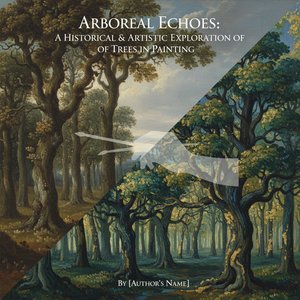
Arboreal Echoes: A Historical & Artistic Exploration of Trees in Painting
Explore the rich history of trees in painting! Discover symbolism, Romantic masterpieces by Caspar David Friedrich & beyond. A curated journey for art enthusiasts.

浪漫主义画派的十部巨作:定义风景画的艺术传奇
探索浪漫主义风景画的巅峰!本文精选十部经典名作,带您领略莫奈、库尔贝等大师的艺术魅力。感受色彩与光影的诗意,重温自然风光的震撼。OriginalUniqueArt.com为您提供博物馆级别的艺术复制品和个性化家居装饰方案。尽在OriginalUniqueArt.com!