
() ·
为您亲手绘制的每一幅画作
手工油画复制品
由我们的艺术家按需定制,为您提供您所选尺寸及画框的布面手工油画。 ( 切换至版画销售渠道 切换至数字图像销售渠道)
藏品详情
Elegant oil painting of a wealthy family scene by Hugh Douglas Hamilton (c. 1800). Classical style, muted tones, & detailed composition evoke 18th-century leisure. A captivating portrait.
 展开全文
展开全文
低于 ·
第1章
您需要多大的尺寸?
左右滑动以更改尺寸;左侧图片展示了画框的实际宽度。原图比例保持不变。
您可以从与原作比例一致的预设尺寸中进行选择。

请输入您需要的宽度和高度,以适配您的画框或墙面。由于作品为手工绘制,若选择不同比例的尺寸,艺术家可能会在画面边缘多画一些或稍作裁剪 —— 由您决定。在开始绘画之前,我们会为您发送一份数字效果图供您确认。本页面上展示的图片并非最终实物 —— 只有效果图才能反映真实结果。
第二章
您希望以何种方式送达?
选择绷边画布的边缘样式
选择您的画框

白色边缘 ¥1

边缘晕染效果 ¥1

延展式 ¥1

P118B ¥10

P118H ¥10

P118W ¥10

P438Z ¥10

P508JH ¥12

P508YH ¥12

P805H ¥10

P805Z ¥10

P919BZ ¥10

P919G ¥10

P919XJ ¥10

P959ZH ¥10

P968JZ ¥12

W106C ¥8

W218G ¥10

W218JH ¥8

W218Y ¥10

W307PJ ¥10

W316G ¥10

W316PJ ¥8

W316Y ¥10

W398PJ ¥8

W4111J ¥10

W500HY ¥15

W500JH ¥15

W692G ¥12

W849H ¥8

W940BG ¥15

W953PJ ¥8

H24-GOLD ¥30

H24-SILVER ¥30

H36-GOLD ¥45

H36-SILVER ¥45
带框
边框材质: . 含框总尺寸: .
第三章
谁创作了这幅作品,是否需要进行任何改动?
第四章
最后的润色
像博物馆里的那样,配上一块铭牌?
青铜铭牌雕刻详情
This elegant plaque features the artist's name and the title of the artwork, finely engraved for a timeless presentation.
It is made from bronze with a refined, elegant finish. The text is precisely laser-engraved for a sharp and permanent result. Measuring 9x2 cm, the plaque is compact yet easy to read. It's built to be durable and scratch-resistant, offering a professional, museum-quality look. Mounting is simple thanks to the included adhesive backing.
透明亚克力铭牌详情
The plaque includes essential engraved details such as the artist's name, the title of the artwork, the date it was created, the type of media used-like oil on canvas or watercolor-a brief description of the piece, and a QR code that links to the complete artwork information.
It is crafted from clear acrylic, offering a sleek, modern appearance. The text is UV-engraved in black to ensure strong visual contrast. With a size of 10x15 cm, it ensures optimal readability. It comes equipped with two metal hooks for secure wall mounting. The plaque is designed to be weather-resistant, making it suitable for various environments, and it includes interactive features that work seamlessly with smartphone scanning.
黑色亚克力铭牌详情
This elegant plaque includes engraved information such as the artist's name, the title of the artwork, the date it was created, the type of media used (like oil on canvas or watercolor), a short description of the artwork, and a QR code for quick access to more information.
The plaque itself is made from refined black acrylic with a premium finish. The text is laser-engraved in white for high contrast and readability. Its size is 10x15 cm, designed to be easy to read. It comes with two metal hooks for professional mounting. The design is sleek and fits any interior style. It is also weather-resistant and durable, with built-in digital integration for mobile compatibility.
需要保护性光油吗?
您预计何时收到?
第五章
您的画作,正如您所订购的那样

George Harry Grey
复制品材质
复刻品尺寸
-

精选资深艺术家
更丰富的细节、更精湛的工艺以及更充裕的制作时间
-

复制画装裱选项
-
-
对于任何边长超过 105 厘米(约 41 英寸)的艺术品或复制品,画框将以拆解后的组件形式发货。此方法可确保安全送达并防止运输过程中的损坏。
需由专业人员组装 —— 本产品不适用于 DIY 操作。
该组件必须由经验丰富的专业装裱师进行组装及画布绷装,过程中需使用木工胶(不随附)、画布绷边钳以及夹具,以确保在胶水干燥期间保持内框方正。组装不当或画布张力不均可能会对艺术品造成永久性损坏,且此类情况不在我们的保修范围之内。
 对于任何边长超过 105 厘米(约 41 英寸)的艺术品或复制品,画框将以拆解后的组件形式发货。此方法可确保安全送达并防止运输过程中的损坏。
包含所有实木条,尺寸精确,便于组装。
使用随附的螺丝进行组装,另需准备用于角部连接的木工胶(本品不含木工胶),请由您的装裱师自行准备。
需另备专业工具(本套件不含):画布绷紧钳以及用于在胶水干燥过程中保持木条方正的夹具。
重要提示:
角部连接处需要使用木工胶,边框条必须使用夹具固定直至胶水完全干透,且在组装好的框架上绷紧画布需要用到画布拉伸钳。以上工具均不包含在套装内。请在订购此尺寸前,预先联系经验丰富的专业装裱师。

展品铭牌
-
-

保护性清漆
光泽清漆(提亮色彩,防光防潮)
-

定制我的艺术品
定制化示例:替换面部为客户照片;添加宠物(例如,将猫替换为狗);在背景中加入隐藏信息;更改背景风景或元素。
-

加急
全球配送()仅需 3-4 周即可送达,无需等待标准时效的 5 周。(7 November)。品质始终如一,绝不妥协。
-
极速达
全球配送(),预计 5 周送达。(14 November)。
已包含
最终结算价
¥ 2347
玻璃选项仅适用于110厘米以下的尺寸。
每份订单均包含
- 全球免运费特快专递服务
- 优质亚麻画布
- 全程运输保险
- 关税退款保证
- 色彩精准还原保证
- 100天退货保障(仅限制造缺陷)
- 100% 退款保证
- 多件购买优惠


 实景预览
实景预览
 分享
分享 分享
分享
 详情
详情 指南
指南

 下载作品
下载作品
 相似作品
相似作品 X射线
X射线 幻灯片播放
幻灯片播放 问答
问答 统计数据
统计数据数据概览
- 29可选画框
- 标准尺寸,各具比例
- 5需数周时间进行绘制与交付
关于原作


休·道格拉斯·汉密尔顿
1740 - 1808
关于 休·道格拉斯·汉密尔顿 的简介
- Artistic Movement Or Style: 洛可可,新古典主义
- Artists Or Movements Influenced By This Artist: ['刘易斯·瓦斯莱特']
- Artists Who Influenced This Artist:
- 罗伯特·威斯特
- 詹姆斯·曼宁
- 约翰·弗拉纳克斯
- Date Of Birth: 1740年
- Date Of Death: 1808年
- Full Name: 休·道格拉斯·汉密尔顿
- Nationality: 爱尔兰
- Notable Artworks:
- 夏洛特王后 (1764)
- 爱德华勋爵肖像
- 狄安娜与恩底弥翁
- 基尔万教长肖像
- Place Of Birth: 爱尔兰,都柏林
艺术家简介
都柏林式的优雅:休·道格拉斯·汉密尔顿的生平与艺术
大约在1740年,休·道格拉斯·汉密尔顿出生于18世纪都柏林那繁华喧嚣的心脏地带。作为肖像画领域的一位关键人物,他成功地将职业生涯早期的洛可可式优雅与随后定义了一个时代的、正蓬勃兴起的新古典主义审美连接在了一起。汉密尔顿的父亲是一位假发匠——这一手艺本身就要求极高的精准度与艺术造诣——正是这种家庭熏陶,引导年轻的汉密尔顿走向了视觉艺术之路。他在都柏林协会馆师从罗伯特·威斯特和詹姆斯·曼宁,接受了系统的基础训练。即便在这些成长期,他的才华已然熠熠生辉,早在1756年便凭借素描作品赢得了奖金,这预示着他那即将令爱尔兰与英国社会为之倾倒的非凡技艺。至关重要的是,汉密尔顿与拉图什银行家族等显赫赞助人建立了深厚的联系,这一社交网络为他的事业奠定了不可或缺的基础。这些关系不仅仅是经济上的支持,更是通往他那能够通过画布与粉彩细腻捕捉的艺术世界的门户。从伦敦沙龙到罗马遐思
1760年代初期,汉密尔顿的雄心驱使他前往伦敦,并凭借其独特的椭圆形粉彩肖像迅速成名。这些作品并非那种宏大、威严的权力宣言;相反,它们生动且平易近人,引起了日益壮大的中产阶级的共鸣,因为他们渴望拥有记录自己与亲人形象的作品。他的才华同样吸引了社会最高层的目光——他接到了英国王室的委任,其中包括1764年创作的夏洛特王后的肖像,这进一步巩固了他的声望。他在艺术家协会和自由艺术家协会定期展出作品,稳步积累着客户群。到了1770年代中期,汉密尔顿开始尝试一种独特的“湿壁画式”粉彩技法,通过混合蜡笔与白垩,使作品呈现出更丰富的纹理与深度。这一创新标志着一个转折点,展现了他突破边界、精进艺术方法的决心。1779年,为了寻求更多的灵感并磨炼技艺,他开启了为期十二年的罗马之旅。正是在那里,他接触到了当时的知识分子圈层,结识了安东尼奥·卡诺瓦等名家,并在约翰·弗拉克赛的指导下,受到启发转向油画创作——这种媒介将赋予他的作品更深邃的细微差别与细节表现力。时代的余响:代表作与传承
在整个职业生涯中,汉密尔顿的画笔(或粉彩棒)使许多显赫人物成为了永恒。除了享誉盛名的夏洛特王后肖像外,他在1785年至1788年间描绘了查尔斯·爱德华·斯图亚特及其家人,捕捉了詹姆斯党历史上一个令人动容的时刻。他的《基尔万院长肖像》至今仍是都柏林皇家学会的珍藏佳作,其他重要作品还包括乔治·约翰(第二代斯宾塞伯爵)以及考珀伯爵夫人的肖霞。1783年的《狄安娜与恩底弥翁》代表了他早期对大型油画创作的尝试,展现了他挑战复杂构图的雄心。然而,真正奠定汉密尔顿历史地位的,或许是那本被重新发现的素描本——其中包含了六十六幅都柏林街头小贩的速写。这些素描为社会史学家提供了观察18世纪都柏林日常生活的罕见且无价的窗口,提供了那个逝去时代丰富的视觉文献。1791年回到都柏林后,他继续从事肖像创作,其中包括1796年为爱尔兰革命家爱德华·菲茨杰拉德勋爵创作的作品——这件作品兼具艺术造诣与历史厚重感。休·道格拉斯·汉密尔顿于1808年逝世,留下了一位多才多艺且洞察力敏锐的肖像画家遗产,其作品中洛可可式的优雅与新古典主义的精致交织在一起,至今仍能引起人们的共鸣。他的肖像画不仅仅是图像,更是窥见那些塑造了他所处时代的人物生活与时代的窗口。相关文章
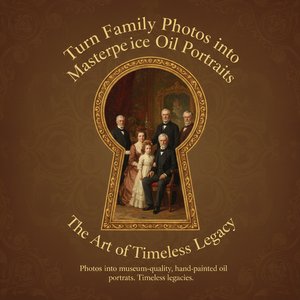
Turn Family Photos into Masterpiece Oil Portraits: The Art of Timeless Legacy
Transform cherished family memories into timeless legacies with bespoke, hand-painted oil portraits. Our master artists reimagine your photos as museum-quality masterpieces, offering unparalleled craftsmanship and elegance for the discerning collector.