

 实景预览
实景预览
 发送
发送 分享
分享
 详情
详情 指南
指南

 下载图片
下载图片
 相似作品
相似作品 X射线
X射线 幻灯片播放
幻灯片播放 统计数据
统计数据The Footbridge
 Acrylic On Canvas
- WallArt
- Romanticism
 1775
1775- 19th Century
 59.0 x 47.0 cm
 普拉多博物馆
 阅读全文
阅读全文
艺术微喷/版画
博物馆级艺术微喷或帆布版画,制作高效,并提供多种饰面选择。 ( 订购此收藏品的纯手工复刻画作 切换至数字图像销售渠道)




P118B ¥10

P118H ¥10

P118W ¥10

P438Z ¥10

P508JH ¥12

P508YH ¥12

P805H ¥10

P805Z ¥10

P919BZ ¥10

P919G ¥10

P919XJ ¥10

P959ZH ¥10

P968JZ ¥12

W106C ¥8

W218G ¥10

W218JH ¥8

W218Y ¥10

W307PJ ¥10

W316G ¥10

W316PJ ¥8

W316Y ¥10

W398PJ ¥8

W4111J ¥10

W500HY ¥15

W500JH ¥15

W692G ¥12

W849H ¥8

W940BG ¥15

W953PJ ¥8




您可以从与原作比例一致的预设尺寸中进行选择。

请输入您所需的宽度和高度,以适配您的画框或墙面。由于印刷品只能进行裁剪,无法超出原图尺寸,因此若比例不一致,画面的一部分将会被裁切。在正式印刷之前,我们会为您发送一份数字效果图供您确认。本页面显示的图片并非最终裁剪后的效果——只有效果图才能展示真实的裁剪情况。


 玻璃选项仅适用于110厘米以下的尺寸。

The Footbridge
艺术微喷/版画
复刻品尺寸说明
-


总计金额
¥ 538
Hubert Robert’s “The Footbridge”: A Vision of Ruin and Romantic Reverie
Hubert Robert's "The Footbridge," painted in 1775, isn’t merely a landscape; it’s a carefully constructed dreamscape—a poignant meditation on the passage of time, the allure of ruins, and the delicate balance between nature and human intervention. This captivating oval canvas, now housed within the Thyssen-Bornemisza Museum in Madrid, transports the viewer to a serene yet subtly melancholic world where ancient structures intertwine with the vibrant energy of a bustling scene. Robert, a master of “capriccio,” expertly blends observation with imagination, creating an atmosphere thick with romanticism and a profound sense of nostalgia.
The painting unfolds across a gently sloping hillside, dominated by the skeletal remains of a Roman bridge—a deliberate echo of the grandeur that once was. This isn’t a literal depiction of decay; rather, Robert transforms the ruins into symbols of enduring beauty and timelessness. The weathered stones, draped with ivy and moss, possess an almost ethereal quality, suggesting they are not merely crumbling remnants but portals to another era. The artist's skillful use of light and shadow further enhances this effect, bathing the scene in a soft, diffused glow that evokes the golden hour—a time when reality seems to soften and dreams take flight.
A Painter’s Roman Reverie: Influences and Technique
Robert’s fascination with ruins stemmed from his extended sojourn in Rome during the 1760s. Immersed in the city's ancient history, he meticulously sketched and studied the remnants of its imperial past—the Colosseum, the Forum, and countless other crumbling monuments. These observations profoundly shaped his artistic vision, leading him to develop a unique style characterized by an almost obsessive attention to detail and a masterful ability to evoke atmosphere. His technique is distinctly informed by Giovanni Battista Piranesi and Giovanni Paolo Panini, both Roman artists known for their depictions of architecture and ruins. Robert absorbed their techniques—particularly the use of perspective and light—and integrated them into his own distinctive style.
The painting’s composition is meticulously balanced, drawing the eye through a series of carefully orchestrated elements. The figures in the foreground – a man sketching with a small easel and a dog near a bench – are rendered with a delicate realism that contrasts subtly with the idealized beauty of the ruins. Robert employs a loose, expressive brushstroke—a hallmark of his style—to capture the textures of stone, foliage, and water. The color palette is restrained yet evocative, dominated by muted greens, blues, and browns, punctuated by flashes of vibrant color in the flowers and foliage. This careful orchestration creates a sense of harmony and tranquility, inviting the viewer to lose themselves in the scene’s timeless beauty.
Symbolism and Emotional Resonance
Beyond its aesthetic appeal, “The Footbridge” is rich in symbolic meaning. The bridge itself represents connection—a link between past and present, reality and imagination. It also symbolizes transition and impermanence, mirroring the fleeting nature of human life and the inevitable decay of all things. The ruins, far from being symbols of despair, embody a sense of resilience and enduring beauty. They remind us that even in destruction, there is still grace and wonder to be found.
Robert’s painting taps into deep-seated emotions—a longing for the past, a fascination with the sublime, and a recognition of the transience of earthly existence. It evokes a sense of melancholy and nostalgia, yet also offers a glimmer of hope through its celebration of beauty and imagination. The scene invites contemplation on themes of memory, loss, and the enduring power of art to transcend time.
A Legacy of Romantic Vision
Hubert Robert’s “The Footbridge” stands as a quintessential example of 18th-century Romanticism—a movement that emphasized emotion, imagination, and the beauty of nature. His work profoundly influenced subsequent generations of artists, including Caspar David Friedrich and J.M.W. Turner, who continued to explore themes of ruins, landscapes, and the relationship between humanity and the natural world. Today, “The Footbridge” remains a beloved masterpiece—a testament to Robert’s artistic genius and his ability to capture the essence of beauty in a fleeting moment.
问答详情
于贝尔·罗伯特 的《The Footbridge》 的创作媒介与尺寸是多少?
于贝尔·罗伯特 的《The Footbridge》 的材质为 Acrylic On Canvas,记录尺寸为 59 x 47 cm。
如何将 于贝尔·罗伯特 的《The Footbridge》 应用于家居装饰中?
针对 于贝尔·罗伯特 的《The Footbridge》,我们为您提供以下两项建议:用途为 (Statement),适宜空间为 (Living Room)。
于贝尔·罗伯特 的《The Footbridge》 的视觉明亮度如何?
于贝尔·罗伯特 的《The Footbridge》 的视觉亮度为 shadow。它可以与目标空间的灯光完美匹配。
艺术家简介
一位描绘废墟与幻景的画家:于贝尔·罗伯特的世界
于贝尔·罗伯特,一个与引人入胜的风景画和浪漫主义风格的废墟意象紧密相连的名字,在十八世纪法国艺术界占据着独特的地位。1733年出生于巴黎的他,一生经历了一系列艺术风格的转变以及重大的历史变革——从洛可可风格的优雅到新古典主义的兴起,最终经历了动荡不安的法国大革命时期。他并非仅仅是记录衰败,而是创造幻景,将观察与想象相结合,创作出既唤起人们对过去的怀旧之情,又预示着未来的作品。他的艺术之旅始于严格的艺术训练中,最初师从雕塑家米歇尔-安热·斯洛茨,后者发现了罗伯特的才华,并明智地引导他转向绘画,意识到他真正的天赋在于捕捉光线、氛围和微妙的形式美感。罗马梦游:塑造艺术身份
1754年,罗伯特前往罗马的漫长旅程是他艺术发展中的关键时刻。作为埃蒂安-弗朗索瓦·德·楚瓦瑟尔的随行人员,他沉浸在一个充满历史和建筑宏伟的世界中。在接下来的十一年里,这座古老的城市成为了他的露天工作室,其摇摇欲坠的神庙、雄伟的拱门和茂盛的花园激发了他的想象力。这不仅仅是复制他所见之物,而是对其进行诠释、重塑,并赋予它一种忧郁的美感。他与乔瓦尼·保罗·帕尼尼一起工作,帕尼尼的影响在他的早期 *capriccio* 作品中可见——这些奇特的风景画将古典废墟与当代生活并置在一起。然而,罗伯特很快超越了模仿,发展出自己独特的风格,其特点是精细的细节、大气透视和对光影深刻的敏感性。他不仅仅是在画废墟,而是在画时间本身,捕捉着短暂的美丽和持久的回忆力量。这段时期的素描本是他观察的重要记录,其中充满了对罗马地标如维拉·德斯特和卡普拉罗拉等建筑物的详细研究,展现了他敏锐的建筑细微之处和景观构图能力。巴黎声誉与皇家赞助
1765年罗伯特返回巴黎标志着他职业生涯的一个转折点。他在艺术界迅速获得认可,凭借“装饰有不同古代和现代建筑纪念物的罗马港口”成功进入皇家绘画雕塑学院。随后在沙龙举办的展览获得了广泛好评,以其引人入胜的废墟和如画风景画吸引了观众。启蒙运动的重要人物丹尼斯·狄德罗赞扬了罗伯特的绘画所唤起的气势,认识到他将观众带到另一个时间和地方的能力。这次成功带来了皇家的赞助,获得了装饰项目的委托以及“国王花园设计师”和后来“国王画像保管员”的任命。他不仅因其架上绘画而备受追捧,还因其创新的花园和宫殿室内设计而闻名。他的作品与当时流行的 *capriccio* 绘画风格产生共鸣——这种风格吸引了对历史、考古和田园风光着迷的收藏家,但罗伯特注入了自己的独特感性,将其提升到单纯的装饰艺术之上。革命、韧性和持久遗产
法国大革命对罗伯特提出了前所未有的挑战。虽然许多艺术家都在动荡的政治局势中苦苦挣扎,但他发现自己身处变革的十字路口。他甚至在大恐怖时期被短暂监禁,这段可怕的经历却激发了他一系列记录他在监狱期间生活的作品。令人惊讶的是,他在整个时期都持续不断地创作绘画,表现出对艺术毫不动摇的承诺。大革命后,罗伯特被任命为新成立的中央艺术博物馆馆长——未来的卢浮宫博物馆,这证明了他的专业知识和对保护文化遗产的奉献精神。他还在组织和编目博物馆藏品方面发挥了关键作用,确保法国的艺术珍品能够代代相传。于贝尔·罗伯特于1808年去世于巴黎,留下了一部非凡的作品集,至今仍在激励着人们的敬畏和钦佩。他的遗产不仅在于他精湛的技术功底,还在于他将历史准确性与富有想象力的愿景相结合的独特能力。他开创了一种绘画流派,庆祝衰败的美丽和人类创造力的持久力量,巩固了他作为连接洛可可和新古典主义时期并预示着浪漫主义某些方面的重要人物的地位,他对历史和想象的迷恋令人印象深刻。- 主要影响:乔瓦尼·保罗·帕尼尼、皮拉内西、罗马的建筑景观。
- 主要主题:废墟、风景、 *capriccio* 绘画、历史记忆、时间的流逝。
- 艺术风格:精细的细节、大气透视、引人入胜的光线效果,将观察与想象相结合。
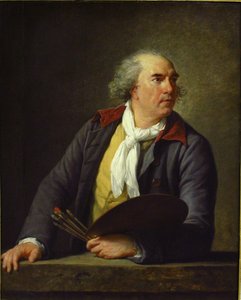
于贝尔·罗伯特
1733 - 1808 , 法国
快速概览
- Artistic Movement Or Style: 浪漫主义,新古典主义
- Artists Or Movements Influenced By This Artist: ['浪漫主义']
- Artists Who Influenced This Artist:
- 乔瓦尼·帕尼尼
- 皮拉内西
- Date Of Birth: 1733年5月22日
- Date Of Death: 1808年4月15日
- Full Name: 于贝尔·罗伯特
- Nationality: 法国国籍
- Notable Artworks (List Of Titles):
- 罗马港口
- 盖拉提亚之飞翔
- 卢浮宫画廊
- Place Of Birth (City And Country): 法国巴黎
相关文章

浪漫主义画派的十部巨作:定义风景画的艺术传奇
探索浪漫主义风景画的巅峰!本文精选十部经典名作,带您领略莫奈、库尔贝等大师的艺术魅力。感受色彩与光影的诗意,重温自然风光的震撼。OriginalUniqueArt.com为您提供博物馆级别的艺术复制品和个性化家居装饰方案。尽在OriginalUniqueArt.com!
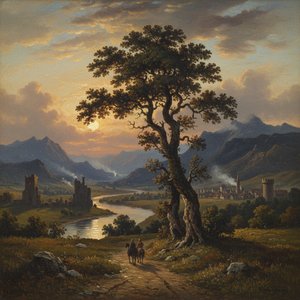
Paul Huet: Capturing the Essence of French Romanticism Through Light and Landscape
Explore the captivating world of Paul Huet (1803-1869), a master of French Romantic landscape painting. Discover his influence on Barbizon & Impressionism, and browse high-quality reproductions at OriginalUniqueArt.

康斯塔布尔大师之作:25幅传世风景画赏析 | OriginalUniqueArt
探索康斯塔布尔的25幅传世杰作!沉浸于英国田园风光,感受浪漫主义绘画大师的光影与色彩。高清油画复制、艺术品购买尽在OriginalUniqueArt.com,为您的家居增添经典之美。立即在线探索完整系列!

Evocations of Place: A Historical Journey Through Landscape Art
Explore the rich history of landscape art with OriginalUniqueArt. Discover renowned artists, movements like Impressionism & Romanticism, and expert guidance for collecting timeless pieces. Find your perfect serene escape today!

Hubert Robert: Picturing Ruins, Preserving Memory – A Study of Romantic Antiquarianism & Artistic Innovation
Explore the captivating world of Hubert Robert, master of Romantic landscape painting & 'capriccio' ruins. Discover his historical context, artistic innovations, and collecting insights with OriginalUniqueArt.