

 实景预览
实景预览
 发送
发送 分享
分享
 详情
详情 指南
指南

 下载图片
下载图片
 相似作品
相似作品 X射线
X射线 幻灯片播放
幻灯片播放 统计数据
统计数据DANSE DE PAYSANS


 阅读全文
阅读全文
手工油画复制品
由我们的艺术家按需定制,为您提供您所选尺寸及画框的布面手工油画。 ( 切换至版画销售渠道 切换至数字图像销售渠道)




P118B $10

P118H $10

P118W $10

P438Z $10

P508JH $12

P508YH $12

P805H $10

P805Z $10

P919BZ $10

P919G $10

P919XJ $10

P959ZH $10

P968JZ $12

W106C $8

W218G $10

W218JH $8

W218Y $10

W307PJ $10

W316G $10

W316PJ $8

W316Y $10

W398PJ $8

W4111J $10

W500HY $15

W500JH $15

W692G $12

W849H $8

W940BG $15

W953PJ $8




您可以从与原作比例一致的预设尺寸中进行选择。

您可以输入自定义尺寸,以适配特定的画框或空间。如果所选尺寸与原图比例不符,我们将通过裁剪作品或添加手绘元素来扩展画面。数字样稿将在制作开始前发送给您确认。
请注意,屏幕预览无法准确反映实际的裁剪或扩展效果,只有样稿才能真实呈现最终的构图。
虽然我们提供定制尺寸服务,但为了保留原作比例,建议您从预设列表中选择尺寸。
下单后,OriginalUniqueArt.com 团队将通过电子邮件联系客户获取具体要求,并提供效果预览图


 玻璃选项仅适用于110厘米以下的尺寸。

DANSE DE PAYSANS
复制品材质
复刻品尺寸说明
-


总计金额
$ 475
A Pastoral Vision: Jean-Pierre Houël’s “Danse de Paysans”
Jean-Pierre Houël's "Danse de Paysans" (Dance of Peasants) offers a captivating glimpse into the heart of 18th-century rural France. Painted around 1770, this work transcends a simple depiction of a village celebration; it’s a carefully constructed tableau brimming with symbolic resonance and imbued with the quiet beauty characteristic of Neoclassical landscape painting. The scene unfolds along a gently flowing river, framed by rolling hills culminating in an ancient stone structure – likely a ruined tower or bridge – that anchors the composition and provides a dramatic vertical counterpoint to the horizontal expanse of the countryside. Houël masterfully employs atmospheric perspective, subtly fading the distant elements to create a convincing sense of depth, drawing the viewer into this idyllic world. The muted palette of browns, greens, and soft blues evokes a feeling of timelessness, mirroring the enduring connection between humanity and nature that was so central to Enlightenment thought.The Fusion of Styles: Neoclassicism Meets Romanticism
Houël’s artistic vision is remarkably complex, blending elements of both Neoclassical precision and the burgeoning Romantic sensibility. The composition itself adheres to Neoclassical principles – a balanced arrangement, clear linear perspective, and an emphasis on naturalistic representation. However, within this framework, we detect hints of Romanticism in the heightened emotionality conveyed through the figures’ postures and expressions, and in the overall atmosphere of peaceful contemplation. The painting isn't merely documenting a scene; it’s attempting to capture a feeling – a sense of communal joy and connection to the land. This duality is particularly evident in the treatment of the architecture: while the tower/bridge possesses defined lines reflecting Neoclassical ideals, its ancient, weathered appearance hints at a history stretching far beyond the present moment, aligning with Romantic fascination with the past.Technique and Materials: A Masterful Blend
Houël’s technical skill is immediately apparent in the smooth transitions of color and tone achieved through meticulous blending of brushstrokes. The painting demonstrates a sophisticated understanding of layering and glazing – techniques used to build up depth and luminosity, particularly noticeable in the rendering of the water and the foliage. The visible texture of the paint itself adds to the work’s tactile quality, inviting the viewer to appreciate the artist's hand. He likely employed oil paints on canvas, a medium that allowed for both rich color saturation and nuanced detail. The careful observation of light and shadow – diffused daylight casting subtle shadows across the landscape – further enhances the realism and atmospheric depth of the scene. The choice of materials speaks volumes about Houël’s dedication to capturing the essence of his subject matter with remarkable fidelity.Symbolism and Emotional Resonance
Beyond its aesthetic qualities, “Danse de Paysans” is rich in symbolic meaning. The dance itself can be interpreted as a celebration of harvest, a communal ritual, or simply an expression of joy and connection within the rural community. The ancient stone structure serves as a potent symbol – representing history, tradition, and perhaps even a link to a forgotten past. It’s a visual reminder of humanity's enduring relationship with the land and its monuments. The overall mood is undeniably peaceful and idyllic, evoking a sense of nostalgia for a simpler time. Houël successfully captures not just a scene but also an emotional state – a feeling of contentment and belonging rooted in the rhythms of rural life. This painting resonates deeply because it taps into our innate desire for connection with nature and community, themes that remain powerfully relevant today.艺术家简介
Jean-Pierre Houël: Life and Legacy
Early Life and Education
Jean-Pierre-Louis-Laurent Houël was born in Rouen, France, on June 28, 1735. He came from a family of prosperous artisans who recognized his artistic talent early on and enrolled him at the city’s drawing academy at the age of fifteen. This foundational education exposed him to the works of early Dutch and Flemish masters – an influence that would profoundly shape his career, particularly his specialization in landscape painting.
Artistic Development and Influences
Houël's initial artistic endeavors included creating a book of landscape engravings in 1758. In 1768, he secured commissions to paint six views of the Duc de Choiseul’s estate, Château de Chanteloup. This patronage proved pivotal, leading to his acceptance into the French Academy in Rome in 1769. His time in Italy was transformative. Immersed in Italian culture, landscapes, and ancient sites, he embarked on extensive travels throughout Southern Italy, meticulously documenting his observations through gouache drawings. These works garnered acclaim at the Paris Salons of the early 1770s.
Travels and Publications
From 1776 to 1779, Houël journeyed through Sicily, Lipari, and Malta. This period resulted in a series of lavishly illustrated travel books published between 1782 and 1787. These publications weren’t merely topographical records; they were masterful displays of watercolor technique, capturing the nuances of light and atmosphere with remarkable delicacy. He strategically sold preliminary drawings to finance these ambitious projects, attracting notable buyers like Louis XVI and Catherine II of Russia.
Major Achievements and Artistic Style
Houël’s artistic style is characterized by a meticulous attention to detail, a refined use of color, and a keen sensitivity to atmospheric effects. He excelled in both landscape painting and topographical illustration. His works often depict idyllic pastoral scenes, grand estates like Château Chanteloup, and evocative views of Italian cities and countryside. Later in life, he pursued scientific interests, publishing illustrated treatises on elephants. This suggests an intention to expand into further zoological studies, though his plans were unfortunately cut short by his death.
Historical Significance
Houël’s career spanned a period of immense social and political upheaval – from the reign of Louis XV through the French Revolution and the rise of Napoleon's First Empire. His art provides valuable insights into the landscapes, customs, and architectural features of 18th-century France and Italy. He stands as a significant figure in Neoclassical landscape painting, bridging the gap between topographical documentation and artistic expression. While not as widely celebrated as some of his contemporaries, Houël’s detailed observations and skillful execution continue to resonate with art historians and enthusiasts today.
Notable Works
- Paysage avec une bergère près d'une ruine
- Vue de la Loire entre Amboise et Lussault
- DANSE DE PAYSANS
- His series of illustrated travel books on Italy and Sicily.

houel jean pierre
1735 - 1813 , France
快速概览
- Birth Date: 1735
- Birth Place: Rouen, France
- Death Date: 1813
- Influenced By: Early Dutch and Flemish painters
- Movement: Neoclassical
- Name: Jean-Pierre Houël
- Nationality: French
- Notable Works: Prise de la Bastille, travel books of Italy and Sicily
相关文章

Cultivating Visions: A Historical Journey Through Rural Landscapes in Art
Explore the rich history of rural landscape painting with OriginalUniqueArt. Discover Impressionist masterpieces, key artists & movements. Find your perfect serene artwork and bring nature's beauty home.

康斯塔布尔大师之作:25幅传世风景画赏析 | OriginalUniqueArt
探索康斯塔布尔的25幅传世杰作!沉浸于英国田园风光,感受浪漫主义绘画大师的光影与色彩。高清油画复制、艺术品购买尽在OriginalUniqueArt.com,为您的家居增添经典之美。立即在线探索完整系列!

乔治·修拉25幅杰作:点彩主义大师的艺术之旅 | OriginalUniqueArt
探索乔治·修拉25幅传世杰作!深入了解点彩画法、后印象派的艺术魅力,感受光与色彩的奇妙。OriginalUniqueArt.com提供高品质修拉作品复制品,为您的家居空间增添经典艺术气息。立即在线探索完整系列!
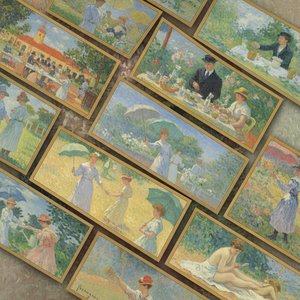
雷诺阿大师25幅经典之作:光影中的艺术与生活 | OriginalUniqueArt
探索雷诺阿25幅经典之作,感受印象派大师的光影魅力与色彩诗意。从《舞会》到《煎饼磨坊》,OriginalUniqueArt为您呈现艺术背后的故事与技巧。高品质艺术复制品,点亮您的家居空间!立即在OriginalUniqueArt.com探索完整系列。

浪漫主义画派的十部巨作:定义风景画的艺术传奇
探索浪漫主义风景画的巅峰!本文精选十部经典名作,带您领略莫奈、库尔贝等大师的艺术魅力。感受色彩与光影的诗意,重温自然风光的震撼。OriginalUniqueArt.com为您提供博物馆级别的艺术复制品和个性化家居装饰方案。尽在OriginalUniqueArt.com!