实景预览
实景预览
 发送
发送 分享
分享
 详情
详情 指南
指南

 下载图片
下载图片
 相似作品
相似作品 X射线
X射线 幻灯片播放
幻灯片播放 统计数据
统计数据The Republic
 Oil On Canvas
- WallArt
- Academic Realism
 1848
1848 73.0 x 60.0 cm
 奥赛博物馆
奥赛博物馆
 阅读全文
阅读全文
手工油画复制品
由我们的艺术家按需定制,为您提供您所选尺寸及画框的布面手工油画。 ( 切换至版画销售渠道 切换至数字图像销售渠道)




P118B ¥10

P118H ¥10

P118W ¥10

P438Z ¥10

P508JH ¥12

P508YH ¥12

P805H ¥10

P805Z ¥10

P919BZ ¥10

P919G ¥10

P919XJ ¥10

P959ZH ¥10

P968JZ ¥12

W106C ¥8

W218G ¥10

W218JH ¥8

W218Y ¥10

W307PJ ¥10

W316G ¥10

W316PJ ¥8

W316Y ¥10

W398PJ ¥8

W4111J ¥10

W500HY ¥15

W500JH ¥15

W692G ¥12

W849H ¥8

W940BG ¥15

W953PJ ¥8




您可以从与原作比例一致的预设尺寸中进行选择。

您可以输入自定义尺寸,以适配特定的画框或空间。如果所选尺寸与原图比例不符,我们将通过裁剪作品或添加手绘元素来扩展画面。数字样稿将在制作开始前发送给您确认。
请注意,屏幕预览无法准确反映实际的裁剪或扩展效果,只有样稿才能真实呈现最终的构图。
虽然我们提供定制尺寸服务,但为了保留原作比例,建议您从预设列表中选择尺寸。
下单后,OriginalUniqueArt.com 团队将通过电子邮件联系客户获取具体要求,并提供效果预览图


 玻璃选项仅适用于110厘米以下的尺寸。

The Republic
复制品材质
复刻品尺寸说明
-


总计金额
¥ 2018
A Portrait of Civic Duty and Social Critique
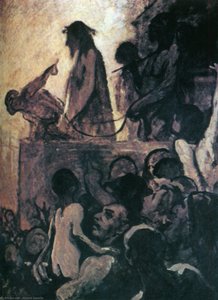
Honoré Daumier’s “The Republic” (1848) isn't merely a painting; it’s a potent distillation of the anxieties and aspirations swirling within post-revolutionary France. Captured with his signature blend of realism and biting satire, this oil on canvas presents a scene both familiar and profoundly unsettling – a woman, presumably a mother, holding her children close while simultaneously embodying the ideals of republican virtue. The composition immediately draws the eye to her central position; she’s not a regal figure or an idealized Madonna, but a common woman, weathered yet resolute, clutching a flag and a bottle—symbols that speak volumes about the precarious balance between nourishment and civic duty in a nation grappling with its new identity.
Daumier was deeply invested in documenting the social realities of his time. Born in Marseille in 1808, he witnessed firsthand the upheavals of the French Revolution and the subsequent political instability. His art became a relentless critique of the established order – the monarchy, the aristocracy, the Church, and the burgeoning bourgeoisie—all perceived as obstacles to genuine republicanism. “The Republic” is no exception; it’s a pointed commentary on the challenges faced by women in particular during this period of transition. The flag she holds isn't simply a symbol of national pride, but a visual representation of the ideals – liberty, equality, fraternity – that were supposed to underpin the new republic. The bottle, often interpreted as representing sustenance and motherhood, subtly suggests the vital role of family in sustaining these values.
Realism Infused with Dramatic Intensity
Daumier’s technique is characterized by a remarkable directness and emotional intensity. He eschewed the polished surfaces and idealized forms favored by many of his contemporaries, opting instead for a rougher, more immediate style. The brushstrokes are visible, conveying a sense of urgency and immediacy. The palette is muted—earthy browns, ochres, and greys—reflecting the somber mood of the scene and emphasizing the weight of responsibility borne by the central figure. Notice how he uses light and shadow to sculpt her face, highlighting the lines etched by hardship yet radiating an undeniable strength. The background, featuring a simple chair and hinting at a boat, grounds the scene in a domestic setting, further emphasizing the woman’s role as the heart of the family and the embodiment of republican values.
He was heavily influenced by artists like Rubens, particularly in his use of dramatic chiaroscuro – the stark contrast between light and dark—to create a sense of theatricality. This technique amplifies the emotional impact of the painting, drawing attention to the woman’s face and gestures while simultaneously suggesting the turbulent political landscape surrounding her. Daumier's skill lay not just in his technical proficiency but also in his ability to imbue ordinary subjects with extraordinary significance.
Symbolism and Social Commentary
Beyond its immediate depiction, “The Republic” is laden with symbolism. The flag, as mentioned earlier, represents the ideals of the republic, while the bottle speaks to the fundamental needs of family and community. However, the scene isn’t entirely optimistic. The woman's posture suggests a quiet determination rather than triumphant celebration. She’s not basking in victory; she’s enduring—a testament to the ongoing struggle for republican values. Some scholars have suggested that the children represent the future of France, entrusted to this woman’s care as she navigates the complexities of the new political order.
Daumier's work was often controversial during his lifetime, and “The Republic” is no exception. His unflinching critique of social injustice earned him both admirers and enemies. Yet, it remains a powerful and enduring image—a poignant reminder of the challenges inherent in establishing a truly democratic society and the vital role played by ordinary citizens in upholding its ideals.
A Timeless Masterpiece for Reproduction
Reproductions of “The Republic” capture the essence of Daumier’s artistic vision. Available in various sizes, this iconic artwork offers a unique opportunity to bring a touch of historical significance and social commentary into any space. The rich textures and dramatic lighting are faithfully reproduced, allowing you to appreciate the depth and complexity of Daumier's masterful technique. Whether displayed as a statement piece or incorporated into a more subtle interior design scheme, “The Republic” is sure to spark conversation and inspire reflection on the enduring values of liberty, equality, and fraternity.
问答详情
“The Republic”是否一直留在其艺术家的故乡?
不——该作品目前存放于海外。艺术家的出生国是法国,而收藏原作的博物馆位于France。
奥诺雷·达米埃 在创作《The Republic》时多大年纪?
奥诺雷·达米埃 在 1848 年创作《The Republic》时,年龄为 40 岁。该年龄是根据艺术家的出生年份 1808 计算得出的。
“The Republic”被归于哪位艺术家名下?
"The Republic" 由 奥诺雷·达米埃 创作。本页面的信息旨在介绍 奥诺雷·达米埃 的原作。
在奥诺雷·达米埃反复探讨的主题中,"The Republic"处于怎样的地位?
在奥诺雷·达米埃已记录的主题——roman republican ideals, social critique, daumier’s satirical commentary, realism, 19th-century french society, poverty, political dissent, revolutionary spirit——之中,"The Republic" 则将焦点转向了woman, child, flag, boat, family, politics, liberty。
奥诺雷·达米埃 的《The Republic》 的创作媒介与尺寸是多少?
《The Republic》采用Oil On Canvas创作,原件尺寸为73 x 60 cm。
"The Republic" 是在哪一年创作的?
"The Republic"创作于1848年。这一日期将该作品置于奥诺雷·达米埃的艺术生涯及其所处时代之中。
"The Republic" 的材质是什么,采用了哪种风格?
在“The Republic”中,Oil On Canvas技法与Academic Realism运动完美融合。
艺术家简介
光影雕琢的人生:奥诺雷·达米埃的世界
1808年,奥诺雷·维克托林·达米埃诞生于法国马赛。他的旅程与十九世纪动荡不安的法国息息相关。早年的生活,伴随着父亲诗意的抱负和随后的1814年迁居巴黎,让他沉浸在一个充满艺术活力的城市中。尽管最初注定要从事法律职业,但年轻的达米埃的天赋不可避免地倾向于艺术。他师从亚历山大·勒努瓦尔,吸收古典影响以及对鲁本斯戏剧性明暗对比的欣赏,并在苏维士学院进一步磨练技能。这种基础训练对于塑造他独特的风格至关重要——一种现实主义和表现力草图技巧的强大融合。然而,定义达米埃的不仅仅是艺术技巧;而是他对周围社会不公正和政治荒谬的深刻敏感。锐利的笔锋:讽刺与社会评论
1830年革命之后,达米埃的事业真正点燃。这场事件不可逆转地改变了法国历史进程,同时也为他蓬勃发展的讽刺才华提供了沃土。他迅速确立自己成为一位精通石版画的艺术家,最初匿名为各种出版物供稿,后来通过与查尔斯·菲利波创办的《夏里瓦里报》合作而声名鹊起。《夏里瓦里报》是一份独立且激烈的漫画杂志。在这里,达米埃的天才真正绽放光彩。他的讽刺画不仅仅是幽默的描绘;它们是对资产阶级、法律体系和政治机构的严厉谴责。他无所畏惧地嘲笑路易·菲利普国王,因一张特别辛辣的讽刺画而在1832年被判处六个月监禁。这次经历并没有让他沉默,反而巩固了他通过艺术揭露虚伪和挑战权威的决心。他的石版画成为视觉宣言,捕捉了异议精神,并对他那个时代的社会弊病提出了批判性评论。他在这一时期的作品数量惊人——成千上万幅石版画,既是大众娱乐,也是强有力的政治声明。超越讽刺:绘画与雕塑的视野
虽然达米埃最受赞誉的是他的石版画,但仅仅将他局限于讽刺领域是对他的巨大不公。他同时是一位敬业的画家和雕塑家,尽管对这些作品的认可直到晚年才姗姗来迟。他的绘画,通常描绘日常巴黎生活的场景——三等车厢、洗衣妇、律师——充满了深刻的现实主义和同情心。它们不是理想化的描绘,而是毫不掩饰地展现了艰辛和斗争。他巧妙地运用松散的笔触和戏剧性的光线来传达情感和氛围,预示着印象派后来所采用的一些技巧。他的雕塑作品,大多用粘土创作(许多作品在他有生之年仍未烧制),表现出对捕捉人性以诚实和深刻的情感投入。这些雕塑在死后被重新发现,展示了他非凡的造型天赋以及通过身体姿势传达心理复杂性的能力。持久的遗产:影响与历史意义
奥诺雷·达米埃对艺术史的影响是不可否认的。他弥合了浪漫主义和现实主义之间的差距,为后世寻求描绘真实世界——不加掩饰——的艺术家铺平了道路。他的毫不妥协的社会评论影响了古斯塔夫·库尔贝和爱德华·马奈等艺术家,而他对石版画的创新使用彻底改变了版画技术。他的作品今天仍然引起共鸣,提醒我们艺术挑战权威、揭露不公正和见证人类状况的力量。巴黎奥赛博物馆收藏了他大量的绘画和雕塑作品,为参观者提供了一瞥他所生动描绘的世界。《OriginalUniqueArt》等藏品也广泛收录了他的石版画,确保他的讽刺天才继续引发思考并激发对话。达米埃不仅仅是一位艺术家;他是那个时代的编年史家——一位视觉诗人,他用自己的才华为无声者发声并追究权力者的责任。他的遗产作为艺术作为社会变革力量的持久相关性的证明而存在。
奥诺雷·达米埃
1808 - 1879 , 法国
快速概览
- Artistic Movement Or Style: 现实主义,讽刺艺术
- Artists Or Movements Influenced By This Artist:
- 印象派
- 现代艺术
- Artists Who Influenced This Artist:
- 亚历山大·勒努瓦尔
- 雅克-路易·达维德
- Date Of Birth: 1808年2月26日
- Date Of Death: 1879年2月10日
- Full Name: 奥诺雷·维克多兰·多米埃
- Nationality: 法国国籍
- Notable Artworks:
- 《Transnonain街景》
- 《司法界人士》
- 《 ecce homo 》
- Place Of Birth (City And Country): 法国马赛市
相关文章
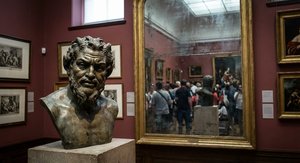
The Sharpest Wit: A Historical Exploration of Satire in Visual Culture
Explore the history of satire in art! From ancient masters like Aristophanes to Goya & Grosz, discover how artists use wit and critique to reflect—and challenge—society. Expert insights at OriginalUniqueArt.
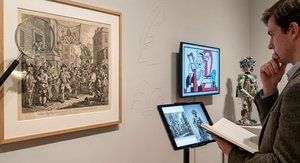
The Sharpest Wit: A Critical Exploration of Satire in Art History – From Hogarth to Contemporary Critique
Explore the history of satire in art! From Hogarth's London to contemporary critique, discover how artists use wit & visual power to reflect and challenge society. Expert insights at OriginalUniqueArt.
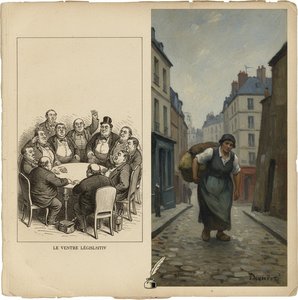
Honoré Daumier: Social Commentary & Artistic Innovation in 19th-Century France
Explore the life & work of Honoré Daumier, a master of 19th-century French realism and satire. Discover his powerful lithographs, paintings, and sculptures critiquing society – and his lasting influence on modern art.

Reflecting Society's Shadows: Social Commentary in Art Through the Ages
Explore the powerful history of social commentary in art! Discover key artists like Hogarth & Daumier, movements from Realism to American Social Realism, and how art reflects—and challenges—society. Expert insights at OriginalUniqueArt.

John Leech: Satirical Visions of Victorian Society – A Comprehensive Examination of His Art & Influence
Explore the satirical world of John Leech, Victorian England's master caricaturist! Discover his iconic work for Punch magazine, illustrations with Dickens, and lasting impact on social commentary & art history. A comprehensive analysis.