效果预览
效果预览
 购买印刷品
购买印刷品 分享
分享 分享
分享
 详情
详情

 下载
下载
 相似作品
相似作品 X射线
X射线 幻灯片播放
幻灯片播放Two Men
 Oil On Canvas
- WallArt
- Realist Observation
 1865
1865 27.0 x 21.0 cm
 大都会艺术博物馆
 展开详情
展开详情




P118B $10

P118H $10

P118W $10

P438Z $10

P508JH $12

P508YH $12

P805H $10

P805Z $10

P919BZ $10

P919G $10

P919XJ $10

P959ZH $10

P968JZ $12

W106C $8

W218G $10

W218JH $8

W218Y $10

W307PJ $10

W316G $10

W316PJ $8

W316Y $10

W398PJ $8

W4111J $10

W500HY $15

W500JH $15

W692G $12

W849H $8

W940BG $15

W953PJ $8




从与原作比例一致的预设尺寸中进行选择。

您可以输入自定义尺寸,以适配特定的画框或空间。如果所选尺寸与原图比例不符,我们将通过裁剪作品或添加手绘元素来扩展画面。数字样稿将在制作开始前发送给您确认。
请注意,屏幕预览无法准确反映实际的裁剪或扩展效果,只有样稿才能真实呈现最终的构图。
虽然我们提供定制尺寸服务,但为了保留原作比例,建议您从预设列表中选择尺寸。
下单后,OriginalUniqueArt.com 团队将通过电子邮件联系客户获取具体要求,并提供效果预览图。


 玻璃选项仅适用于110厘米以下的尺寸。

Two Men
复制材质
复制品尺寸
-


最终总价
$ 300
作品详情
A Moment Frozen in Time: Edgar Degas’s “Two Men”
Edgar Degas's "Two Men," painted in 1865, isn’t merely a depiction of two figures; it’s a carefully constructed tableau brimming with unspoken narratives and the quiet observation that defined the artist’s unique approach to painting. Often considered a pivotal work in his oeuvre, this piece reveals Degas’s fascination with capturing candid moments – individuals caught in their everyday routines, revealing glimpses into their personalities and the atmosphere of their surroundings. The scene, likely situated within an artist's studio, immediately draws the viewer in with its muted palette and the palpable sense of a shared, yet private, conversation.
The painting’s composition is deliberately asymmetrical. The man on the right, seated and partially turned away, exudes a certain reserve, perhaps even weariness. His posture suggests contemplation or perhaps simply the burden of artistic endeavor. Conversely, the figure standing before us—the identity of whom remains tantalizingly unknown – possesses an openness, his gaze directed squarely at the viewer. This directness creates an immediate connection, inviting speculation about their relationship and the subject of their discussion. Degas masterfully uses this contrast to generate a dynamic tension within the frame, suggesting a complex interplay between observation and engagement.
Decoding the Brushstroke: Technique and Style
Degas’s distinctive style is immediately apparent in “Two Men.” He eschews the smooth, polished surfaces favored by many of his contemporaries, opting instead for loose, expressive brushstrokes that imbue the painting with a remarkable sense of movement. The paint isn't blended; rather, it’s applied in visible dabs and dashes, creating an almost tactile quality to the surface. This technique perfectly captures the fleeting nature of the moment – the suggestion of conversation, the rustle of clothing, the play of light on skin. The artist’s use of color is equally deliberate, relying on a restrained palette of earthy tones—ochres, browns, and grays—that contribute to the painting's somber mood and reinforce its sense of realism.
Notably, Degas employed oil paint on wood panel, a medium that allowed for both textural richness and a subtle sheen. The way light reflects off the surface reveals the artist’s meticulous attention to detail, highlighting the textures of fabric and the contours of the figures' faces. The visible brushwork isn’t simply an aesthetic choice; it’s integral to conveying the immediacy and spontaneity of the scene.
A Glimpse into a Parisian World
“Two Men” offers a valuable window into the artistic milieu of 19th-century Paris. The setting, likely Degas's studio, was a hub for creative exchange—a space where artists gathered to discuss ideas, critique each other’s work, and simply observe the world around them. The presence of Émile Lévy, a student at the French Academy in Rome when Degas met him, adds another layer of historical context. This encounter likely fueled Degas's interest in portraying figures engaged in intellectual pursuits – a recurring theme throughout his career.
Beyond its biographical details, the painting speaks to a broader cultural shift. Degas’s focus on everyday life and ordinary people represented a departure from the grand historical narratives favored by earlier generations of artists. He sought to capture the essence of modern existence—the complexities of human interaction, the rhythms of daily routine, and the subtle nuances of personality.
Emotional Resonance and Timeless Appeal
Despite its apparent simplicity, “Two Men” possesses a profound emotional resonance. The painting’s quiet intimacy invites viewers to contemplate the unspoken connections between individuals—the shared experiences that shape our lives and the mysteries that lie beneath the surface of everyday interactions. The ambiguity surrounding the figures' identities further enhances this effect, prompting us to project our own interpretations onto the scene.
A hand-painted reproduction of “Two Men” by OriginalUniqueArt.com offers a remarkable opportunity to bring this captivating artwork into your home or office. The meticulous detail and vibrant colors faithfully recreate Degas’s original vision, allowing you to appreciate the artist's genius and immerse yourself in the atmosphere of his Parisian studio. It is more than just a painting; it’s a portal to another time, a testament to the enduring power of observation, and a celebration of the beauty found in the ordinary.
艺术家简介
埃德加·德加:一位开创性的法国艺术家
埃德加·德加(1834年7月19日出生于巴黎,逝世于1917年9月27日巴黎),是一位充满矛盾的法国画家、雕塑家和版画师。虽然他经常与印象派画家莫奈、雷诺阿等一同被归类为艺术史上的革命者,但他却拒绝了这一标签,而是将自己定义为现实主义者。这种承诺源于他对周围世界的细致观察以及对它毫不掩饰的呈现。德加的童年生活富裕而舒适;他的父亲是一位银行家,母亲来自美国新奥尔良克莱罗文化家庭。这种背景赋予了他接受教育和艺术训练的机会,尽管他常常对学术限制感到不满。他最初在卢浮宫学习绘画,并密切研究古典艺术,这激发了他毕生对艺术的热爱。然而,德加的道路并非传统艺术的简单遵循之路;它充满了质疑和重新评估艺术规范的冲动。他拥有独立的精神,这将定义了他的整个职业生涯。早期生活与教育
德加出生于巴黎南部的蒙马特雷区,周围环境充满艺术气息。虽然关于他的家庭信息有限,但已知他们维持着社会上的传统形式,并且与法国贵族有着联系。他接受了严格的学术训练和对古典艺术的深入研究,为成为历史画家奠定了基础。然而,德加并没有像其他历史画家一样专注于绘画历史题材,而是选择创作现代题材的作品,这挑战了当时艺术界的传统观念。 他在巴黎学习绘画时,受到法国著名艺术家Jean-Auguste-Dominique Ingres的影响,Ingres强调精确的线条和形式,为德加的艺术发展留下了深刻的印记。同时,他欣赏了现实主义画家Gustave Courbet的作品,Courbet勇敢地挑战了学术规范,倡导对当代生活的真实呈现。这些影响塑造了德加独特的艺术风格。超越印象派:一种独特的艺术视野
与追求户外光线变化的莫奈不同,德加主要在工作室进行创作,精心构建场景,从观察和记忆中汲取灵感。他的题材都具有现代性——这与许多学术画家选择的历史或神话主题截然不同。他从巴黎的生活中寻找灵感:洗衣妇、歌剧表演者、帽子设计师以及最著名的舞蹈演员。正是他对芭蕾舞的热爱定义了德加的作品大部分内容。德加不仅仅画美丽的芭蕾舞演员;他还捕捉到了他们职业的真实面貌——无休止的排练、身体上的压力和在充满艰苦工作的世界中闪耀的瞬间。他的构图常常具有创新性,采用非传统的视角安排人物,并运用不对称的布局来创造一种动态和 immediacy 的感觉。 他是一位卓越的线条大师,正如他所创作的芭蕾舞作品一样,能够捕捉到运动的精妙之处。例如,《舞蹈演员与风琴》、《巴黎歌剧院》和《年轻的希腊少女挑战男孩》都展现了德加对人体形态的精准表现和对现代生活复杂性的揭示。 他并不追求表面上的美丽;他寻求的是隐藏在表层之下的真实。艺术影响与发展
德加的艺术生涯受到多种因素的影响。他的早期训练强调古典原则,特别是Jean-Auguste-Dominique Ingres的作品,Ingres强调精确的线条和形式,为德加的艺术发展留下了深刻的印记。与此同时,他欣赏了现实主义画家Gustave Courbet的作品,Courbet勇敢地挑战了学术规范,倡导对当代生活的真实呈现。 他还从日本艺术中汲取灵感——浮世绘(Ukiyo-e),这种艺术形式影响了他构图的对称性、透视角度和图案运用。他还拥抱摄影技术,认识到它作为研究运动和捕捉瞬间的潜力。 这份勇于将不同来源融入作品中的勇气是德加艺术风格的独特之处,也是他为后人开辟道路的关键。 他并非仅仅是一位芭蕾舞演员或赛马运动员的画家;他是对人类本质的敏锐观察者、形式与运动的精湛大师,以及一位重新定义艺术可能性的人物。 他大胆地挑战了传统观念,并将其融入到全新的艺术形式中。主要成就与历史意义
德加在艺术史上留下了辉煌的印记。他以对人体形态的精准表现和对现代生活复杂性的揭示而闻名于世。他的作品不仅影响了后来的艺术家,如毕加索和马蒂斯,也为艺术史的发展注入了活力。 他是印象派运动的开拓者之一,尽管他拒绝了这一标签,但他却以其独特的艺术风格和创新精神赢得了广泛赞誉。 作为一位卓越的线条大师,德加在绘画、雕塑和版画领域都取得了杰出的成就。他的作品不仅展现了对芭蕾舞演员的细致观察和捕捉运动的能力,也为艺术史增添了一笔宝贵的财富。 通过不断探索新的技术和媒介,德加为现代艺术的发展开辟了道路,并成为艺术史上最重要的人物之一。 他是一位真正的创新者,他的作品不仅改变了人们对艺术的认知方式,也激励了无数艺术家追求卓越。 他的艺术风格至今仍被广泛研究和欣赏,证明了他的艺术遗产将继续传承下去。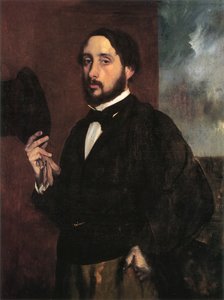
德加
1834 - 1917 , 法国
艺术家简介
- Artistic Movement Or Style: 印象主義、現實主義
- Artists Or Movements Influenced By This Artist:
- 畢卡索
- 馬諦斯
- Artists Who Influenced This Artist:
- 讓奧古斯都·昂格雷斯
- 古斯塔夫·柯勃特
- 卡米爾·畢沙羅
- Date Of Birth: 1834年7月19日
- Date Of Death: 1917年9月27日
- Full Name: 埃德加·德加
- Nationality: 法國
- Notable Artworks:
- 舞者與鈴鼓
- 芭蕾舞團
- 埃德加·德加的畫像
- Place Of Birth: 巴黎,法國
相关文章

Impressionism's Masterpieces: 10 Paintings That Defined a Movement | OriginalUniqueArt
Journey through Impressionism's heart with 10 iconic paintings by Monet, Renoir & Degas. Explore light, color & the stories behind these masterpieces. Find museum-quality art reproductions and elevate your home decor on OriginalUniqueArt.com.

Edgar Degas: Capturing Modern Life – A Study of Movement, Observation, and the Parisian Belle Époque
Explore the captivating world of Edgar Degas! Discover his innovative techniques, iconic ballet paintings, and unique portrayal of Parisian life in this insightful art history study.

保罗·塞尚:25幅大师杰作,重塑现代艺术与家居美学 | OriginalUniqueArt
探索保罗·塞尚25幅经典杰作!深入了解后印象派大师的艺术生涯、独特技法与色彩运用。OriginalUniqueArt提供高清油画复制品,为您的家居带来博物馆级艺术体验。立即发现更多名画,点亮生活空间!
印象派巨著:十幅定义艺术流派的杰作,点亮您的臻美家居
探索印象派艺术的巅峰!本文精选十幅定义这一伟大流派的杰作,从莫奈的光影到雷诺阿的柔情。了解艺术家故事、绘画技巧与作品背后的灵感。OriginalUniqueArt.com为您提供博物馆品质的画作复制品和家居装饰方案,点亮您的生活空间。尽在OriginalUniqueArt.com!
印象派十杰:定义艺术风格的传世名作 | OriginalUniqueArt
探索印象派十杰:莫奈、梵高等大师的传世名作。了解他们的艺术故事、独特技法和色彩运用,为您的家居增添优雅气息。OriginalUniqueArt.com提供博物馆级艺术复制品,点亮您的生活空间!立即在线探索完整系列。