实景预览
实景预览
 发送
发送 分享
分享
 详情
详情 指南
指南

 下载图片
下载图片
 相似作品
相似作品 X射线
X射线 幻灯片播放
幻灯片播放 统计数据
统计数据Dancer on Stage


 阅读全文
阅读全文
艺术微喷/版画
博物馆级艺术微喷或帆布版画,制作高效,并提供多种饰面选择。 ( 订购此收藏品的纯手工复刻画作 切换至数字图像销售渠道)




P118B ¥10

P118H ¥10

P118W ¥10

P438Z ¥10

P508JH ¥12

P508YH ¥12

P805H ¥10

P805Z ¥10

P919BZ ¥10

P919G ¥10

P919XJ ¥10

P959ZH ¥10

P968JZ ¥12

W106C ¥8

W218G ¥10

W218JH ¥8

W218Y ¥10

W307PJ ¥10

W316G ¥10

W316PJ ¥8

W316Y ¥10

W398PJ ¥8

W4111J ¥10

W500HY ¥15

W500JH ¥15

W692G ¥12

W849H ¥8

W940BG ¥15

W953PJ ¥8




您可以从与原作比例一致的预设尺寸中进行选择。

您可以输入自定义尺寸,以适配特定的画框或空间。如果您选择的尺寸与原图比例不符,我们将对作品进行裁剪,或通过镜像填充/纯色填充边缘的方式来扩展图像。在开始制作之前,我们会向您发送一份数字效果图供您确认。
请注意,屏幕上的预览并不能反映实际的裁剪或扩展效果。只有效果图才能准确展示最终的构图。
虽然我们提供定制尺寸,但为了保持原图比例,我们建议您从预设列表中选择尺寸。


 玻璃选项仅适用于110厘米以下的尺寸。

Dancer on Stage
艺术微喷/版画
复刻品尺寸说明
-


总计金额
¥ 538
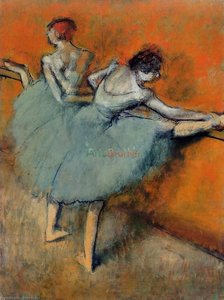
A Fleeting Moment of Grace: Exploring Degas’ “Dancer on Stage”
This captivating pastel work by Edgar Degas transports us to the heart of the Parisian ballet world in 1880. Housed at the Hamburger Kunsthalle, *Dancer on Stage* isn't merely a depiction of a performance; it’s an intimate glimpse into the dedication, discipline, and ephemeral beauty inherent in the art of dance.Subject & Composition: Beyond the Spotlight
The painting centers around a lone ballerina poised mid-performance. Her flowing dress suggests movement frozen in time, arms outstretched as if responding to the music only she can hear. Degas masterfully avoids a traditional, posed portrait; instead, we witness a candid moment – perhaps a rehearsal or an improvisation. The inclusion of two figures in the background—one observing intently and another seemingly awaiting their cue—adds depth and hints at the bustling world beyond the spotlight. The composition isn’t rigidly symmetrical, mirroring the natural asymmetry of human movement and creating a dynamic visual experience.Impressionism & Realism: Degas' Unique Vision
While often associated with Impressionism due to his contemporaries and focus on capturing fleeting moments, Degas resisted categorization. He preferred to be considered a realist, and this is evident in his meticulous observation of anatomy and movement. However, he embraced the *Impressionistic* techniques of utilizing light and color to evoke atmosphere and emotion. He wasn’t interested in painting outdoors (*en plein air*) like many Impressionists; instead, he brought the energy of modern life – particularly the theater – into his studio.Pastel Technique: A Symphony of Softness
Degas's choice of pastel is crucial to the work’s impact. The medium allows for a remarkable softness and luminosity, perfectly capturing the ethereal quality of dance and the delicate fabrics worn by the ballerina. He layered colors with incredible subtlety, creating nuanced shadows and highlights that define form without harshness. This technique lends an immediacy and freshness to the scene, as if we are witnessing the performance unfold before our eyes.Historical Context: The Belle Époque & Ballet
*Dancer on Stage* emerges from the vibrant cultural landscape of the *Belle Époque*. Ballet was immensely popular in Paris during this period, and Degas became fascinated with its world – not just the glamour onstage but also the rigorous training and often precarious lives of the dancers themselves. He frequently attended rehearsals and performances, creating a vast body of work dedicated to this subject. His depictions offered a more realistic portrayal than previous artistic representations, acknowledging the physicality and dedication required of these performers.Symbolism & Emotional Resonance
Beyond its aesthetic beauty, the painting carries symbolic weight. The dancer embodies grace, discipline, and the pursuit of perfection. The slightly melancholic atmosphere—perhaps suggested by the subdued color palette and the solitary figure—hints at the sacrifices and pressures inherent in a life dedicated to art. Degas doesn’t romanticize; he presents a nuanced view that acknowledges both the beauty *and* the challenges of the dancer's world.Interior Design & Collecting
A reproduction of *Dancer on Stage* would be a stunning addition to any interior, lending an air of sophistication and artistic sensibility. Its soft color palette complements a variety of décor styles—from classic to contemporary. The painting’s focus on movement and grace makes it particularly well-suited for living rooms, bedrooms, or home offices. For collectors, this work represents a pivotal moment in art history – a bridge between Realism and Impressionism, and a testament to Degas' unique artistic vision.Further Exploration
- Related Works: Explore Degas’ other ballet-themed paintings such as *The Star (Dancer on Stage)* and *Dancer on Stage with a Bouquet* to gain deeper insight into his artistic obsession.
- Museum Collections: Visit the Musée d'Orsay in Paris or the New Orleans Museum of Art to view additional works by Degas.
- Artistic Influence: Consider how Degas’ work influenced subsequent generations of artists interested in capturing movement and modern life.
问答详情
哪些色调与主导色彩定义了“Dancer on Stage”?
"Dancer on Stage" 的色彩基调由以 漂流木色 (#9a7f4f) 为主的 大地色系 色系构成。
德加 的《Dancer on Stage》 是在何时创作的?
德加 的《Dancer on Stage》 的创作年份为 1880。
"Dancer on Stage" 的艺术家是谁?
"Dancer on Stage" 的创作者是 德加。该作品以 德加 的名义编入目录。
德加 在创作《Dancer on Stage》时多大年纪?
德加 在 1880 年创作《Dancer on Stage》时,年龄为 46 岁。该年龄是根据艺术家的出生年份 1834 计算得出的。
德加 的《Dancer on Stage》 的创作媒介和创作日期是什么?
"Dancer on Stage"创作于1880年,采用了布面丙烯技法。材质与日期说明了原作的创作方式及时间。
德加 的《Dancer on Stage》 是否保存在艺术家的原籍国?
不——该作品目前存放于海外。德加出生于法国,而原作《Dancer on Stage》则由位于德国的一家博物馆收藏。
建议将"Dancer on Stage"用于何处及何种用途?
针对 德加 的《Dancer on Stage》,我们为您提供以下两项建议:用途为 (点缀),适宜空间为 (起居空间)。
艺术家简介
埃德加·德加:一位开创性的法国艺术家
埃德加·德加(1834年7月19日出生于巴黎,逝世于1917年9月27日巴黎),是一位充满矛盾的法国画家、雕塑家和版画师。虽然他经常与印象派画家莫奈、雷诺阿等一同被归类为艺术史上的革命者,但他却拒绝了这一标签,而是将自己定义为现实主义者。这种承诺源于他对周围世界的细致观察以及对它毫不掩饰的呈现。德加的童年生活富裕而舒适;他的父亲是一位银行家,母亲来自美国新奥尔良克莱罗文化家庭。这种背景赋予了他接受教育和艺术训练的机会,尽管他常常对学术限制感到不满。他最初在卢浮宫学习绘画,并密切研究古典艺术,这激发了他毕生对艺术的热爱。然而,德加的道路并非传统艺术的简单遵循之路;它充满了质疑和重新评估艺术规范的冲动。他拥有独立的精神,这将定义了他的整个职业生涯。早期生活与教育
德加出生于巴黎南部的蒙马特雷区,周围环境充满艺术气息。虽然关于他的家庭信息有限,但已知他们维持着社会上的传统形式,并且与法国贵族有着联系。他接受了严格的学术训练和对古典艺术的深入研究,为成为历史画家奠定了基础。然而,德加并没有像其他历史画家一样专注于绘画历史题材,而是选择创作现代题材的作品,这挑战了当时艺术界的传统观念。 他在巴黎学习绘画时,受到法国著名艺术家Jean-Auguste-Dominique Ingres的影响,Ingres强调精确的线条和形式,为德加的艺术发展留下了深刻的印记。同时,他欣赏了现实主义画家Gustave Courbet的作品,Courbet勇敢地挑战了学术规范,倡导对当代生活的真实呈现。这些影响塑造了德加独特的艺术风格。超越印象派:一种独特的艺术视野
与追求户外光线变化的莫奈不同,德加主要在工作室进行创作,精心构建场景,从观察和记忆中汲取灵感。他的题材都具有现代性——这与许多学术画家选择的历史或神话主题截然不同。他从巴黎的生活中寻找灵感:洗衣妇、歌剧表演者、帽子设计师以及最著名的舞蹈演员。正是他对芭蕾舞的热爱定义了德加的作品大部分内容。德加不仅仅画美丽的芭蕾舞演员;他还捕捉到了他们职业的真实面貌——无休止的排练、身体上的压力和在充满艰苦工作的世界中闪耀的瞬间。他的构图常常具有创新性,采用非传统的视角安排人物,并运用不对称的布局来创造一种动态和 immediacy 的感觉。 他是一位卓越的线条大师,正如他所创作的芭蕾舞作品一样,能够捕捉到运动的精妙之处。例如,《舞蹈演员与风琴》、《巴黎歌剧院》和《年轻的希腊少女挑战男孩》都展现了德加对人体形态的精准表现和对现代生活复杂性的揭示。 他并不追求表面上的美丽;他寻求的是隐藏在表层之下的真实。艺术影响与发展
德加的艺术生涯受到多种因素的影响。他的早期训练强调古典原则,特别是Jean-Auguste-Dominique Ingres的作品,Ingres强调精确的线条和形式,为德加的艺术发展留下了深刻的印记。与此同时,他欣赏了现实主义画家Gustave Courbet的作品,Courbet勇敢地挑战了学术规范,倡导对当代生活的真实呈现。 他还从日本艺术中汲取灵感——浮世绘(Ukiyo-e),这种艺术形式影响了他构图的对称性、透视角度和图案运用。他还拥抱摄影技术,认识到它作为研究运动和捕捉瞬间的潜力。 这份勇于将不同来源融入作品中的勇气是德加艺术风格的独特之处,也是他为后人开辟道路的关键。 他并非仅仅是一位芭蕾舞演员或赛马运动员的画家;他是对人类本质的敏锐观察者、形式与运动的精湛大师,以及一位重新定义艺术可能性的人物。 他大胆地挑战了传统观念,并将其融入到全新的艺术形式中。主要成就与历史意义
德加在艺术史上留下了辉煌的印记。他以对人体形态的精准表现和对现代生活复杂性的揭示而闻名于世。他的作品不仅影响了后来的艺术家,如毕加索和马蒂斯,也为艺术史的发展注入了活力。 他是印象派运动的开拓者之一,尽管他拒绝了这一标签,但他却以其独特的艺术风格和创新精神赢得了广泛赞誉。 作为一位卓越的线条大师,德加在绘画、雕塑和版画领域都取得了杰出的成就。他的作品不仅展现了对芭蕾舞演员的细致观察和捕捉运动的能力,也为艺术史增添了一笔宝贵的财富。 通过不断探索新的技术和媒介,德加为现代艺术的发展开辟了道路,并成为艺术史上最重要的人物之一。 他是一位真正的创新者,他的作品不仅改变了人们对艺术的认知方式,也激励了无数艺术家追求卓越。 他的艺术风格至今仍被广泛研究和欣赏,证明了他的艺术遗产将继续传承下去。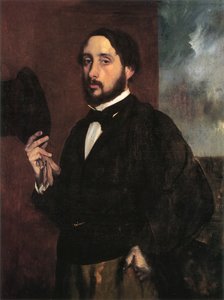
德加
1834 - 1917 , 法国
快速概览
- Artistic Movement Or Style: 印象主義、現實主義
- Artists Or Movements Influenced By This Artist:
- 畢卡索
- 馬諦斯
- Artists Who Influenced This Artist:
- 讓奧古斯都·昂格雷斯
- 古斯塔夫·柯勃特
- 卡米爾·畢沙羅
- Date Of Birth: 1834年7月19日
- Date Of Death: 1917年9月27日
- Full Name: 埃德加·德加
- Nationality: 法國
- Notable Artworks:
- 舞者與鈴鼓
- 芭蕾舞團
- 埃德加·德加的畫像
- Place Of Birth: 巴黎,法國
相关文章

Soft Light & Velvet Touch: The Ethereal Magic of Pastel Artistry in Impressionist Masterpieces
Discover the ethereal beauty of pastel art through an Impressionist lens. Explore how masters like Monet and Renoir captured light and velvet textures, and learn to curate a collection of luminous, museum-quality masterpieces for your home.
The Subdued Radiance of Pastel Palettes: Exploring Emotional Resonance in Art History
Explore the emotional power of pastel palettes in art history! Discover Impressionism, Post-Impressionism & color psychology insights. Find museum-quality reproductions at OriginalUniqueArt.

Edgar Degas: Capturing Modern Life – A Study of Movement, Observation, and the Parisian Belle Époque
Explore the captivating world of Edgar Degas! Discover his innovative techniques, iconic ballet paintings, and unique portrayal of Parisian life in this insightful art history study.

The Soft Power of Pastel: A Connoisseur's Guide to History, Technique, and the Art of Texture
Explore the ethereal beauty of pastel art. From Renaissance origins to Impressionist mastery, discover the history, technique, and velvety textures that define this luminous medium in our expert guide for art connoisseurs.

柔光与细腻:粉彩艺术的技法、历史与情感共鸣
探索粉彩艺术的迷人世界!深入了解其历史、技法与情感共鸣。从文艺复兴到当代,精通粉彩绘画技巧,感受色彩的细腻魅力。OriginalUniqueArt提供专业艺术咨询与定制服务。