实景预览
实景预览
 发送
发送 分享
分享
 详情
详情 指南
指南

 下载图片
下载图片
 相似作品
相似作品 X射线
X射线 幻灯片播放
幻灯片播放 统计数据
统计数据Tree-Man
 Ink
Ink- WallArt
- Northern Renaissance
 Renaissance
 277.0 x 211.0 cm
 格拉芬斯卡尔·阿尔贝蒂纳博物馆
 阅读全文
阅读全文
手工油画复制品
由我们的艺术家按需定制,为您提供您所选尺寸及画框的布面手工油画。 ( 切换至版画销售渠道 切换至数字图像销售渠道)




P118B ¥10

P118H ¥10

P118W ¥10

P438Z ¥10

P508JH ¥12

P508YH ¥12

P805H ¥10

P805Z ¥10

P919BZ ¥10

P919G ¥10

P919XJ ¥10

P959ZH ¥10

P968JZ ¥12

W106C ¥8

W218G ¥10

W218JH ¥8

W218Y ¥10

W307PJ ¥10

W316G ¥10

W316PJ ¥8

W316Y ¥10

W398PJ ¥8

W4111J ¥10

W500HY ¥15

W500JH ¥15

W692G ¥12

W849H ¥8

W940BG ¥15

W953PJ ¥8




您可以从与原作比例一致的预设尺寸中进行选择。

请输入您需要的宽度和高度,以适配您的画框或墙面。由于作品为手工绘制,若您选择不同的尺寸比例,艺术家可能会在画面边缘多画一些或稍作裁剪 —— 由您决定。在开始绘画之前,我们会为您发送一份数字效果图供您确认。本页面上展示的图片并非最终实物 —— 只有效果图才能反映真实结果。
下单后,OriginalUniqueArt.com 团队将通过电子邮件联系客户获取具体要求,并提供效果预览图


 玻璃选项仅适用于110厘米以下的尺寸。

Tree-Man
复制品材质
复刻品尺寸说明
-


总计金额
¥ 2014
A Descent into Surreal Delight: The Vision of Bosch’s Tree-Man
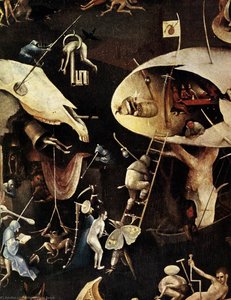
In the quiet, haunting corridors of art history, few images possess the unsettling magnetism of Hieronymus Bosch’s "Tree-Man." Created around 1505, this monochrome masterpiece serves as a profound window into a psyche that danced on the edge of the medieval and the modern. As a pen drawing of extraordinary technical precision, it does not merely depict a landscape; it invites the viewer into a fever dream where the boundaries between the organic and the grotesque dissolve. The work stands as a singular testament to Bosch’s ability to weave moral allegory with a surrealist sensibility that predates the formal Surrealist movement by centuries. To gaze upon this piece is to encounter a world where every line carries the weight of spiritual consequence, making it an irresistible focal point for those who appreciate art that challenges the soul and stimulates the intellect.
The composition is dominated by the eponymous Tree-Man, an anthropomorphic entity whose hollowed trunk forms a vessel for a strange, miniature civilization. Its roots burrow deep into a rocky, primordial earth, suggesting a primal connection to the very foundations of existence. Surrounding this central figure, the landscape teasingly unfolds with birds circling a turbulent sky and diminutive human figures engaged in activities that oscillate between innocent play and profound corruption. This intricate layering of life creates a sense of overwhelming complexity, where the eye is constantly led from the textured bark of the central figure to the distant, atmospheric hills. For the collector or interior designer, this piece offers a profound depth; its dense, detailed nature allows it to command a room, acting as a conversational anchor that rewards prolonged contemplation.
Mastery of Line and the Language of Symbolism
The technical brilliance of "Tree-Man" lies in Bosch’s masterful command of hatching and cross-hatching. Using only the precision of a pen, the artist builds up tonal values with astonishing subtlety, creating a range of grays that evoke everything from the stark brightness of a cloudy sky to the deepest, most impenetrable shadows within the tree's hollow core. This meticulous technique lends a startling realism to an otherwise fantastical subject. The textures are palpable—one can almost feel the rough, weathered bark and the cold, stony base upon which the figure rests. It is this marriage of technical rigor and imaginative freedom that gives the artwork its enduring power; it feels grounded in reality even as it depicts the impossible.
Beyond its aesthetic splendor, the work is a dense tapestry of symbolic meaning. The Tree-Man itself has been interpreted by scholars as a mirror of humanity’s vulnerability to sin—a grotesque parody of divine creation that reflects the struggle between earthly desires and spiritual salvation. The birds, often seen as symbols of wandering souls, add a layer of existential unease to the scene. This emotional complexity makes the artwork particularly poignant for modern spaces; it brings an element of historical gravity and philosophical depth. Whether rendered as a high-quality reproduction in a private study or as a striking statement piece in a contemporary gallery, "Tree-Man" continues to evoke a sense of wonder and mystery, reminding us of the eternal human fascination with the shadows of the subconscious.
问答详情
"Tree-Man" 营造了怎样的氛围?
因布洛赫 (Yīnbùluòhé) 的《Tree-Man》 的整体基调为 Mystical。这种基调描述了作品的整体氛围。
因布洛赫 (Yīnbùluòhé) 的《Tree-Man》 的色彩饱和度与强度如何?
“Tree-Man”的色彩饱和度为Muted,色彩强度为Monochromatic。
因布洛赫 (Yīnbùluòhé) 的《Tree-Man》 是否保存在艺术家的原籍国?
不——该作品目前存放于海外。因布洛赫 (Yīnbùluòhé)的出生国是荷兰,而收藏有《Tree-Man》原件的博物馆则位于奥地利。
艺术家简介
Hieronymus Bosch:一个充满异想天开的艺术大师
Bosch,作为文艺复兴时期荷兰最杰出的艺术家之一,以其独特的风格和对人类灵魂深层恐惧的洞察力而闻名于世。尽管关于他的生平和创作细节匮乏,但通过对历史文献和艺术作品的细致研究,我们得以还原出一个充满神秘色彩的人物形象。他并非一个传统意义上的名人,记录上对他个人的生活几乎没有记载,这更增添了人们对这位艺术家及其作品的无限遐想空间。早年生活与艺术训练
关于Bosch的出生时间和家庭背景信息极少。历史学家普遍认为他生于约公元1450年,在荷兰北部城市圣赫尔滕博斯克,当时该城属于布拉班特公国。他的父亲安东尼·范阿肯是一位艺术家和艺术顾问,同时也是圣赫尔滕博斯克圣约翰教堂的牧师。虽然关于他的个人生活几乎没有记载,但通过对圣赫尔滕博斯克市政记录和当地骑士团账簿的考证,我们了解到他从小就接受了家庭艺术训练,吸收了当时荷兰绘画传统中的技术和规范。这些早期作品展现出对传统绘画风格的影响,尤其是在色彩运用和细节处理上,但同时他也开始超越单纯的模仿,展现出一种非凡的想象力,为他的艺术生涯奠定了基础。艺术风格与创作特点
Bosch最显著的艺术特征是其独特的风格——一种兼具精细技巧和疯狂想象力的完美融合。他主要使用油画在橡木板上进行创作,这不仅体现了他对绘画媒介的卓越掌握能力,还赋予作品绚丽的光泽和复杂纹理。与当时其他佛拉芒画家追求光滑表面隐藏创作痕迹的传统不同,Bosch大胆运用粗糙的绘画技术,创造出一种充满异想天开风格的作品。他的画作并非简单地记录现实世界,而是通过象征主义来探讨复杂的道德和神学概念,常常关注罪恶的危险、感官享受的脆弱以及神圣审判的必然性。他创作中的生物——怪诞恶魔、奇幻动物和奇异的人类形象,不仅具有装饰作用,而且是道德败坏和精神腐蚀的象征。这种对圣洁与污秽的融合、对美丽与丑陋的对比,创造出一种令人震惊的效果,至今仍深深吸引着观众的目光。主要作品与艺术成就
Bosch最著名的作品无疑是《圣母玛利亚花园》,这幅三联画作品堪称艺术史上的奇迹之一。当它被打开时,展现出一个广阔的景象——天堂、人间和地狱,这些都构成了一个复杂的象征性景观,反映了人类从伊甸园堕落的历史过程。左侧面板描绘了伊甸园的美丽景色,繁茂的植物和各种奇幻生物共同构成了天堂的景象;中间面板则展现了人类沉溺于感官享受和无节制的欲望的世界;右侧面板则呈现出地狱的恐怖景象,各种罪恶类型遭受着可怕的惩罚。这种对圣洁与污秽的对比、对美丽与丑陋的融合,创造出一种令人震惊的效果,至今仍深深吸引着观众的目光。此外,《最后的审判三联画》、《圣约翰教堂升起》等作品也展现了Bosch对天堂和地狱景象的精湛技巧,以及他对人类灵魂深层恐惧的洞察力。这些作品不仅具有极高的艺术价值,更蕴含着丰富的历史文化意义,挑战了当时人们对宗教道德和社会规范的传统观念。艺术影响与历史意义
Bosch的艺术风格对后世艺术家产生了广泛而深刻的影响。他最著名的学生彼得·布鲁格尔老者继承了他的绘画主题和构图技巧,同时许多其他艺术家也从他的梦幻般的图像和对潜意识的探索中汲取灵感。例如,萨尔瓦多·达利和马克斯·恩斯特等艺术家公开承认了他们对Bosch艺术风格的崇敬与借鉴。他创作中的生物——怪诞恶魔、奇幻动物和奇异的人类形象,不仅具有装饰作用,而且是道德败坏和精神腐蚀的象征。这种对圣洁与污秽的对比、对美丽与丑陋的对比,创造出一种令人震惊的效果,至今仍深深吸引着观众的目光。他不仅是一位杰出的艺术家,更是一位思想家和文化符号,他的作品为艺术发展开辟了新的道路,并深刻影响了人们对人类灵魂和宇宙的认知。Bosch的作品是文艺复兴时期荷兰艺术的重要组成部分,它以其独特的风格和象征主义表达方式,挑战了当时人们对宗教道德和社会规范的传统观念,并在艺术史上占据着举世瞩目的地位。
因布洛赫 (Yīnbùluòhé)
1450 - 1516 , 荷兰
快速概览
- Artistic Movement Or Style: 超现实主义和象征主义绘画风格
- Artists Or Movements Influenced By This Artist: ['彼得·布鲁格尔老杰拉德']
- Date Of Birth: c. 1450
- Date Of Death: 1516
- Full Name: Hieronymus Bosch
- Nationality: 荷兰人
- Notable Artworks:
- 最后的审判圣经画卷
- 尘世乐园
- 圣约翰教堂升天圣经画卷
- Place Of Birth: Den Bosch,荷兰
相关文章

Beyond the Horizon: 10 Masterpieces That Redefine Landscape Art
Journey through history with 10 iconic landscape paintings that capture the soul of nature. From Impressionist light to dramatic vistas, explore the stories behind these timeless masterpieces and find museum-quality reproductions for your decor. Discover all masterpieces on OriginalUniqueArt.com

浪漫主义画派的十部巨作:定义风景画的艺术传奇
探索浪漫主义风景画的巅峰!本文精选十部经典名作,带您领略莫奈、库尔贝等大师的艺术魅力。感受色彩与光影的诗意,重温自然风光的震撼。OriginalUniqueArt.com为您提供博物馆级别的艺术复制品和个性化家居装饰方案。尽在OriginalUniqueArt.com!

10 Breathtaking Artworks That Capture the Beauty of Rural Landscapes
Journey through 10 iconic rural landscape paintings that capture the soul of the countryside. From Impressionist masters to timeless oil classics, explore the stories and techniques behind these breathtaking scenes. Find museum-quality reproductions on OriginalUniqueArt.com. Explore the full collection online.

康斯塔布尔大师之作:25幅传世风景画赏析 | OriginalUniqueArt
探索康斯塔布尔的25幅传世杰作!沉浸于英国田园风光,感受浪漫主义绘画大师的光影与色彩。高清油画复制、艺术品购买尽在OriginalUniqueArt.com,为您的家居增添经典之美。立即在线探索完整系列!

Arboreal Echoes: A Historical & Artistic Exploration of Trees in Painting
Explore the rich history of trees in painting! Discover symbolism, Romantic masterpieces by Caspar David Friedrich & beyond. A curated journey for art enthusiasts.