切换至版画销售渠道
 展开全文
展开全文







































 对于任何边长超过 105 厘米(约 41 英寸)的艺术品或复制品,画框将以拆解后的组件形式发货。此方法可确保安全送达并防止运输过程中的损坏。


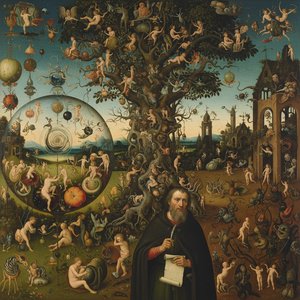
Paradise and Hell: A Descent into Symbolic Horror
Hieronymus Bosch’s “Paradise and Hell,” completed around 1510, stands as one of the most unsettling and enduring visions of the afterlife produced during the Renaissance. This monumental double-sided altarpiece transcends mere depiction; it plunges viewers into a meticulously crafted psychological landscape brimming with biblical allegory and disturbing imagery—a testament to Bosch’s unparalleled ability to capture both divine grace and demonic torment.
- The Left Side: Edenic Tranquility The left panel presents an idyllic garden scene, mirroring the biblical Genesis narrative. Lush greenery dominates the composition, populated by stylized trees bearing fruit – a deliberate reference to the Tree of Knowledge of Good and Evil. Figures representing Adam and Eve are positioned centrally, bathed in soft light, embodying innocence and harmony. Birds flutter amongst blossoms, symbolizing spiritual freedom and divine blessing. Bosch’s meticulous attention to detail—the delicate rendering of petals and leaves—contrasts sharply with the impending doom represented on the opposite side.
- The Right Side: Inferno's Fury In stark contrast, the right panel depicts Hell as a terrifying panorama of torment. Flames engulf the landscape, consuming grotesque creatures and tormented souls. Twisted figures writhe in agony, trapped within inescapable circles of fire and despair. Bosch employs a masterful technique—primarily oil on oak wood—to convey an overwhelming sense of claustrophobia and horror. The use of vibrant reds and yellows underscores the intensity of the infernal fires, while dark blues and blacks create a suffocating atmosphere.
Historical Context & Artistic Innovation Bosch’s work emerged during a period marked by religious anxieties and intellectual ferment—the Reformation was gaining momentum across Europe. He drew heavily upon medieval folklore and Christian symbolism, blending fantastical elements with moral didacticism. Unlike many of his contemporaries who adhered to idealized representations of biblical scenes, Bosch deliberately distorted reality to express profound psychological truths about human nature. His approach foreshadowed the darker currents of Expressionist art centuries later.
Symbolism & Emotional Impact The symbolism embedded within “Paradise and Hell” is extraordinarily complex. Recurring motifs—such as demons, hybrids (creatures combining animal and human features), and grotesque distortions—represent temptations and sins that threaten to corrupt the soul. Bosch’s aim wasn't merely to frighten viewers but to provoke introspection about morality and salvation. The painting’s enduring power lies in its ability to evoke visceral emotions – fear, pity, awe – forcing us to confront our own mortality and grapple with fundamental questions about faith and damnation.
Further Exploration For a deeper understanding of Bosch's artistic legacy, consider visiting Palazzo Ducale di Venezia (Palazzo Ducale) where you can admire masterpieces by Titian and Veronese – artists influenced by Bosch’s visionary style. Alternatively, delve into “Hieronymus Bosch: Decoding the Visions of a Netherlandish Master” (Hieronymus Bosch) for an insightful analysis of his artistic innovations and enduring influence. You can also explore “Mystical Masterpieces: 10 Artworks That Transcends Reality |” (Mystical Masterpieces) to discover similar artistic expressions of spiritual contemplation.
常见问题与解答
因布洛赫 (Yīnbùluòhé) 的《Paradise and Hell》 的色彩是鲜艳还是柔和?
因布洛赫 (Yīnbùluòhé) 的《Paradise and Hell》 的色彩饱和度为 Balanced Soft,色彩强度为 Balanced。
因布洛赫 (Yīnbùluòhé) 的《Paradise and Hell》 的创作媒介和创作日期是什么?
"Paradise and Hell"创作于1510年,采用Acrylic On Canvas技法。
如何描述 因布洛赫 (Yīnbùluòhé) 的《Paradise and Hell》 的意境?
“Paradise and Hell”营造出一种Dramatic的氛围。
 实景预览
实景预览
 分享
分享 分享
分享
 详情
详情 指南
指南

 下载作品
下载作品
 相似作品
相似作品 X射线
X射线 幻灯片播放
幻灯片播放 问答
问答 统计数据
统计数据