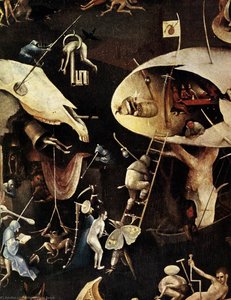
效果预览
效果预览
 分享
分享 分享
分享
 详情
详情

 下载
下载
 相似作品
相似作品 X射线
X射线 幻灯片播放
幻灯片播放 统计数据
统计数据Head of a Halberdier
 Oil On Panel
- Early Netherlandish
 1490
1490- Renaissance
 28.0 x 21.0 cm
 普拉多博物馆
 展开详情
展开详情
手工油画复制品
由我们的艺术家按需定制,为您提供您所选尺寸及画框的布面手工油画。 ( 切换至版画销售渠道 切换至数字图像销售渠道)




P118B $10

P118H $10

P118W $10

P438Z $10

P508JH $12

P508YH $12

P805H $10

P805Z $10

P919BZ $10

P919G $10

P919XJ $10

P959ZH $10

P968JZ $12

W106C $8

W218G $10

W218JH $8

W218Y $10

W307PJ $10

W316G $10

W316PJ $8

W316Y $10

W398PJ $8

W4111J $10

W500HY $15

W500JH $15

W692G $12

W849H $8

W940BG $15

W953PJ $8




从与原作比例一致的预设尺寸中进行选择。

您可以输入自定义尺寸,以适配特定的画框或空间。如果所选尺寸与原图比例不符,我们将通过裁剪作品或添加手绘元素来扩展画面。数字样稿将在制作开始前发送给您确认。
请注意,屏幕预览无法准确反映实际的裁剪或扩展效果,只有样稿才能真实呈现最终的构图。
虽然我们提供定制尺寸服务,但为了保留原作比例,建议您从预设列表中选择尺寸。
下单后,OriginalUniqueArt.com 团队将通过电子邮件联系客户获取具体要求,并提供效果预览图。


 玻璃选项仅适用于110厘米以下的尺寸。

Head of a Halberdier
复制材质
复制品尺寸
-


最终总价
$ 300
A Gaze into the Soul: Hieronymus Bosch’s ‘Head of a Halberdier’
Within the hallowed halls of the Prado Museum, nestled amongst the grandeur of Spanish art history, resides a deceptively small yet profoundly resonant work by the enigmatic master, Hieronymus Bosch – ‘Head of a Halberdier’. Often overlooked in favor of his more flamboyant and narrative-rich creations like “The Garden of Earthly Delights,” this oil on panel painting offers a concentrated distillation of Bosch’s unique artistic vision: a haunting meditation on mortality, authority, and the unsettling beauty of the human condition. Created around 1490, it's a window into a world where realism and symbolism intertwine with unnerving precision, inviting viewers to contemplate the complexities of existence long after they’ve turned away.
The subject is strikingly direct – a man rendered in meticulous detail, his features etched with an air of quiet contemplation. Dressed in a rich red jacket adorned with gold trim, he possesses a pronounced beard and mustache, lending him an aura of both authority and weariness. His downward gaze immediately draws the eye, creating a sense of intimacy as if sharing a secret or wrestling with an internal struggle. The background, rendered in a warm, almost amber hue, provides a subtle counterpoint to the figure’s intensity, suggesting a sanctuary of sorts – a space of reflection amidst a potentially turbulent world. Two birds, one perched delicately on his head and another flitting near the upper right corner, add layers of symbolic meaning, often associated with freedom, the soul, or perhaps even divine observation.
The Language of Symbols: Decoding Bosch’s Vision
Bosch was renowned for imbuing his paintings with a dense tapestry of symbolism, transforming seemingly simple scenes into elaborate allegories. In ‘Head of a Halberdier,’ the halberd itself is immediately significant – a weapon traditionally associated with military personnel and, by extension, authority, protection, and even judgment. However, Bosch rarely presents these symbols in a straightforward manner. The man’s contemplative expression suggests that this figure isn't merely an embodiment of power; he appears burdened, perhaps questioning the nature of his role or grappling with the consequences of his actions. The presence of the clock is particularly potent, a recurring motif in Bosch’s work that relentlessly reminds us of the fleeting passage of time and the inevitability of mortality – a central theme throughout his oeuvre.
Furthermore, the birds can be interpreted as emblems of spiritual aspiration or even divine intervention. Their placement within the composition subtly elevates the figure's contemplation, suggesting a connection to something beyond the earthly realm. The warm background color might represent hope and serenity, offering a brief respite from the anxieties suggested by the halberd and the clock. Bosch’s genius lies in his ability to weave these disparate elements together, creating an image that is both visually arresting and intellectually stimulating.
Early Netherlandish Mastery: Technique and Context
‘Head of a Halberdier’ exemplifies Bosch's mastery of the Early Netherlandish style, characterized by its remarkable realism, meticulous detail, and profound symbolic depth. The use of oil on panel allowed him to achieve an astonishing level of luminosity and texture, capturing the subtle nuances of light and shadow with breathtaking precision. Notice the careful rendering of the fabric, the individual strands of hair, and the glint of gold – each element contributes to the painting’s overall sense of realism. This technique was a hallmark of the period, building upon the innovations of artists like Jan van Eyck and Robert Campin.
Within the broader context of Bosch's oeuvre, ‘Head of a Halberdier’ stands as a compelling example of his exploration of morality, temptation, and the human condition. It shares thematic resonances with other significant works such as “The Garden of Earthly Delights” and “Temptation of St. Anthony,” all of which grapple with similar concerns about sin, redemption, and the perils of earthly desires. Bosch’s work was often commissioned by religious institutions, reflecting his deep engagement with theological themes – though his interpretations frequently diverged from orthodox teachings, offering a darkly satirical critique of societal norms.
A Timeless Reflection: Reproduction and Beyond
OriginalUniqueArt offers meticulously crafted hand-painted reproductions of ‘Head of a Halberdier’, allowing you to bring this captivating work into your own space. Our artists replicate Bosch’s intricate details, vibrant colors, and evocative symbolism with the utmost care, ensuring that your reproduction captures the essence of the original painting. Whether displayed in a private collection or incorporated into an interior design scheme, this artwork will serve as a constant source of contemplation and artistic appreciation. Explore our range of sizes and framing options to find the perfect way to showcase this remarkable piece of art history.
艺术家简介
Hieronymus Bosch:一个充满异想天开的艺术大师
Bosch,作为文艺复兴时期荷兰最杰出的艺术家之一,以其独特的风格和对人类灵魂深层恐惧的洞察力而闻名于世。尽管关于他的生平和创作细节匮乏,但通过对历史文献和艺术作品的细致研究,我们得以还原出一个充满神秘色彩的人物形象。他并非一个传统意义上的名人,记录上对他个人的生活几乎没有记载,这更增添了人们对这位艺术家及其作品的无限遐想空间。早年生活与艺术训练
关于Bosch的出生时间和家庭背景信息极少。历史学家普遍认为他生于约公元1450年,在荷兰北部城市圣赫尔滕博斯克,当时该城属于布拉班特公国。他的父亲安东尼·范阿肯是一位艺术家和艺术顾问,同时也是圣赫尔滕博斯克圣约翰教堂的牧师。虽然关于他的个人生活几乎没有记载,但通过对圣赫尔滕博斯克市政记录和当地骑士团账簿的考证,我们了解到他从小就接受了家庭艺术训练,吸收了当时荷兰绘画传统中的技术和规范。这些早期作品展现出对传统绘画风格的影响,尤其是在色彩运用和细节处理上,但同时他也开始超越单纯的模仿,展现出一种非凡的想象力,为他的艺术生涯奠定了基础。艺术风格与创作特点
Bosch最显著的艺术特征是其独特的风格——一种兼具精细技巧和疯狂想象力的完美融合。他主要使用油画在橡木板上进行创作,这不仅体现了他对绘画媒介的卓越掌握能力,还赋予作品绚丽的光泽和复杂纹理。与当时其他佛拉芒画家追求光滑表面隐藏创作痕迹的传统不同,Bosch大胆运用粗糙的绘画技术,创造出一种充满异想天开风格的作品。他的画作并非简单地记录现实世界,而是通过象征主义来探讨复杂的道德和神学概念,常常关注罪恶的危险、感官享受的脆弱以及神圣审判的必然性。他创作中的生物——怪诞恶魔、奇幻动物和奇异的人类形象,不仅具有装饰作用,而且是道德败坏和精神腐蚀的象征。这种对圣洁与污秽的融合、对美丽与丑陋的对比,创造出一种令人震惊的效果,至今仍深深吸引着观众的目光。主要作品与艺术成就
Bosch最著名的作品无疑是《圣母玛利亚花园》,这幅三联画作品堪称艺术史上的奇迹之一。当它被打开时,展现出一个广阔的景象——天堂、人间和地狱,这些都构成了一个复杂的象征性景观,反映了人类从伊甸园堕落的历史过程。左侧面板描绘了伊甸园的美丽景色,繁茂的植物和各种奇幻生物共同构成了天堂的景象;中间面板则展现了人类沉溺于感官享受和无节制的欲望的世界;右侧面板则呈现出地狱的恐怖景象,各种罪恶类型遭受着可怕的惩罚。这种对圣洁与污秽的对比、对美丽与丑陋的融合,创造出一种令人震惊的效果,至今仍深深吸引着观众的目光。此外,《最后的审判三联画》、《圣约翰教堂升起》等作品也展现了Bosch对天堂和地狱景象的精湛技巧,以及他对人类灵魂深层恐惧的洞察力。这些作品不仅具有极高的艺术价值,更蕴含着丰富的历史文化意义,挑战了当时人们对宗教道德和社会规范的传统观念。艺术影响与历史意义
Bosch的艺术风格对后世艺术家产生了广泛而深刻的影响。他最著名的学生彼得·布鲁格尔老者继承了他的绘画主题和构图技巧,同时许多其他艺术家也从他的梦幻般的图像和对潜意识的探索中汲取灵感。例如,萨尔瓦多·达利和马克斯·恩斯特等艺术家公开承认了他们对Bosch艺术风格的崇敬与借鉴。他创作中的生物——怪诞恶魔、奇幻动物和奇异的人类形象,不仅具有装饰作用,而且是道德败坏和精神腐蚀的象征。这种对圣洁与污秽的对比、对美丽与丑陋的对比,创造出一种令人震惊的效果,至今仍深深吸引着观众的目光。他不仅是一位杰出的艺术家,更是一位思想家和文化符号,他的作品为艺术发展开辟了新的道路,并深刻影响了人们对人类灵魂和宇宙的认知。Bosch的作品是文艺复兴时期荷兰艺术的重要组成部分,它以其独特的风格和象征主义表达方式,挑战了当时人们对宗教道德和社会规范的传统观念,并在艺术史上占据着举世瞩目的地位。
因布洛赫 (Yīnbùluòhé)
1450 - 1516 , 荷兰
艺术家简介
- Artistic Movement Or Style: 超现实主义和象征主义绘画风格
- Artists Or Movements Influenced By This Artist: ['彼得·布鲁格尔老杰拉德']
- Date Of Birth: c. 1450
- Date Of Death: 1516
- Full Name: Hieronymus Bosch
- Nationality: 荷兰人
- Notable Artworks:
- 最后的审判圣经画卷
- 尘世乐园
- 圣约翰教堂升天圣经画卷
- Place Of Birth: Den Bosch,荷兰
相关文章
Hieronymus Bosch: Decoding the Visions of a Netherlandish Master
Explore the captivating world of Hieronymus Bosch! Delve into the symbolism, religious context, and artistic innovation of this Netherlandish master with OriginalUniqueArt's expert analysis. Discover his iconic paintings & lasting influence.

The Enduring Legacy of Oil on Canvas: Technique, History & Aesthetic Impact
Explore the rich history & techniques of oil painting – from Renaissance masters to Impressionism. Discover pigments, layering methods, and why this timeless medium endures. Expert insights for artists & art enthusiasts.

The Enduring Power of Painting: A Historical & Contemporary Exploration of Form and Emotion
Explore the rich history & enduring techniques of oil painting with OriginalUniqueArt. Discover masterpieces, learn about art collecting, and find authentic handmade reproductions crafted by skilled artists.
希罗尼穆斯·博斯:25幅大师级杰作,点亮艺术与家居空间
探索希罗尼穆斯·博斯25幅大师级杰作!深入了解这位荷兰文艺复兴画家的怪诞世界、宗教寓言与象征主义。高清艺术复制品,为您的家居空间带来永恒的艺术灵感。尽在OriginalUniqueArt.com。

Oil on Canvas: A Historical & Technical Exploration of a Timeless Artistic Medium
Explore the rich history & enduring techniques of oil painting on canvas. Discover the science behind its longevity, conservation practices, and contemporary relevance. Expert insights for art enthusiasts.