实景预览
实景预览
 发送
发送 分享
分享
 详情
详情 指南
指南

 下载图片
下载图片
 相似作品
相似作品 X射线
X射线 幻灯片播放
幻灯片播放 统计数据
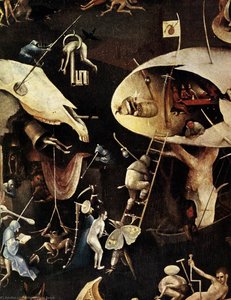
统计数据Christ Crowned with Thorns
 Oil On Panel
- Late Gothic
 Renaissance
 165.0 x 195.0 cm
 圣洛伦索修道院
 阅读全文
阅读全文
艺术微喷/版画
博物馆级艺术微喷或帆布版画,制作高效,并提供多种饰面选择。 ( 订购此收藏品的纯手工复刻画作 切换至数字图像销售渠道)




P118B ¥10

P118H ¥10

P118W ¥10

P438Z ¥10

P508JH ¥12

P508YH ¥12

P805H ¥10

P805Z ¥10

P919BZ ¥10

P919G ¥10

P919XJ ¥10

P959ZH ¥10

P968JZ ¥12

W106C ¥8

W218G ¥10

W218JH ¥8

W218Y ¥10

W307PJ ¥10

W316G ¥10

W316PJ ¥8

W316Y ¥10

W398PJ ¥8

W4111J ¥10

W500HY ¥15

W500JH ¥15

W692G ¥12

W849H ¥8

W940BG ¥15

W953PJ ¥8




您可以从与原作比例一致的预设尺寸中进行选择。

请输入您所需的宽度和高度,以适配您的画框或墙面。由于印刷品只能进行裁剪,无法超出原图尺寸,因此若比例不一致,画面的一部分将会被裁切。在正式印刷之前,我们会为您发送一份数字效果图供您确认。本页面显示的图片并非最终裁剪后的效果——只有效果图才能展示真实的裁剪情况。


 玻璃选项仅适用于110厘米以下的尺寸。

Christ Crowned with Thorns
艺术微喷/版画
复刻品尺寸说明
-


总计金额
¥ 538
A Vision of Suffering and Divine Mockery: Exploring Hieronymus Bosch’s “Christ Crowned with Thorns”
The painting "Christ Crowned with Thorns," attributed to the enigmatic Netherlandish artist Hieronymus Bosch (1450-1516), stands as a haunting testament to late medieval anxieties and a profoundly unsettling exploration of faith, guilt, and human folly. More than just a depiction of biblical iconography—the crowning of Jesus by thorns—it’s a meticulously crafted visual narrative brimming with symbolism that continues to captivate scholars and inspire artists centuries later. Bosch's oeuvre is characterized by its bizarre landscapes populated by grotesque figures and unsettling juxtapositions, and “Christ Crowned with Thorns” exemplifies this distinctive artistic style perfectly.Style and Technique: A Masterclass in Detail
Bosch’s technique—primarily oil on panel—is remarkable for its astonishing level of detail. He employed a meticulous hatching and stippling method, layering thin glazes of pigment to achieve an unparalleled luminosity and textural richness. This painstaking process allowed him to render every crevice of the thorny crown, every furrowed brow of Jesus’s face, and even the subtle expressions on the faces of those surrounding him with breathtaking accuracy. The artist's mastery extends beyond mere realism; he deliberately distorted proportions and employed fantastical imagery—birds perched atop branches, grotesque animals—to heighten the emotional impact of the scene and convey a sense of otherworldly horror. This stylistic choice wasn’t simply decorative; it served to amplify the psychological drama unfolding before the viewer’s eyes.Historical Context: Fearful Visions of Judgment
Created sometime around 1500, “Christ Crowned with Thorns” emerged during a period marked by intense religious fervor and pervasive fear of divine judgment. The Hussite Wars raged across Bohemia, challenging papal authority and fueling anxieties about heresy and damnation. Bosch’s artistic vision reflects this turbulent climate, portraying Jesus as vulnerable and exposed to the scorn of humanity—a figure stripped bare not only physically but also spiritually. The painting speaks directly to the theological debates surrounding atonement and salvation, questioning whether earthly suffering truly merits divine compassion. Furthermore, it aligns with broader trends in Netherlandish art of the time, which often wrestled with themes of morality, sin, and the consequences of transgression.Symbolism: Layers of Meaning Beyond the Surface
The painting’s symbolism is extraordinarily complex and invites multiple interpretations. The thorny crown itself represents humiliation and suffering—a visual echo of Jesus's crucifixion—but Bosch elevates it to something far more profound. The birds circling above symbolize divine judgment, observing the scene with impassive indifference. Their presence underscores the futility of earthly endeavors in confronting God’s wrath. Similarly, the figures surrounding Christ are depicted as grotesque caricatures of human folly and pride, embodying various sins – avarice, cruelty, and deceit—that contribute to humanity's downfall. Bosch deliberately disrupts conventional religious iconography, transforming it into a disturbing commentary on human nature itself.Emotional Impact: A Confrontation with Darkness
“Christ Crowned with Thorns” is undeniably unsettling. Bosch doesn’t offer comfort or reassurance; instead, he confronts the viewer with an image of profound despair and moral corruption. The painting's muted palette—dominated by browns and ochres—further enhances its oppressive atmosphere. Yet, within this darkness lies a compelling beauty – a testament to Bosch’s unparalleled artistic skill and his ability to distill complex theological ideas into visceral visual experience. It compels contemplation on the nature of faith, guilt, and the inescapable reality of mortality, ensuring that “Christ Crowned with Thorns” remains a powerfully evocative masterpiece for generations to come.问答详情
原件 因布洛赫 (Yīnbùluòhé) 的《Christ Crowned with Thorns》 的尺寸是多少?
"Christ Crowned with Thorns" 原作尺寸为 165 x 195 cm。在选择复制品尺寸时,参考原作尺寸会非常有帮助。
在哪里可以预览“Christ Crowned with Thorns”?
通过“Christ Crowned with Thorns”的预览页面,您可以在下单前预览艺术品。
在“Christ Crowned with Thorns”中,媒介与笔触是如何结合的?
在“Christ Crowned with Thorns”中,Oil On Panel技法与Late Gothic运动完美融合。
艺术家简介
Hieronymus Bosch:一个充满异想天开的艺术大师
Bosch,作为文艺复兴时期荷兰最杰出的艺术家之一,以其独特的风格和对人类灵魂深层恐惧的洞察力而闻名于世。尽管关于他的生平和创作细节匮乏,但通过对历史文献和艺术作品的细致研究,我们得以还原出一个充满神秘色彩的人物形象。他并非一个传统意义上的名人,记录上对他个人的生活几乎没有记载,这更增添了人们对这位艺术家及其作品的无限遐想空间。早年生活与艺术训练
关于Bosch的出生时间和家庭背景信息极少。历史学家普遍认为他生于约公元1450年,在荷兰北部城市圣赫尔滕博斯克,当时该城属于布拉班特公国。他的父亲安东尼·范阿肯是一位艺术家和艺术顾问,同时也是圣赫尔滕博斯克圣约翰教堂的牧师。虽然关于他的个人生活几乎没有记载,但通过对圣赫尔滕博斯克市政记录和当地骑士团账簿的考证,我们了解到他从小就接受了家庭艺术训练,吸收了当时荷兰绘画传统中的技术和规范。这些早期作品展现出对传统绘画风格的影响,尤其是在色彩运用和细节处理上,但同时他也开始超越单纯的模仿,展现出一种非凡的想象力,为他的艺术生涯奠定了基础。艺术风格与创作特点
Bosch最显著的艺术特征是其独特的风格——一种兼具精细技巧和疯狂想象力的完美融合。他主要使用油画在橡木板上进行创作,这不仅体现了他对绘画媒介的卓越掌握能力,还赋予作品绚丽的光泽和复杂纹理。与当时其他佛拉芒画家追求光滑表面隐藏创作痕迹的传统不同,Bosch大胆运用粗糙的绘画技术,创造出一种充满异想天开风格的作品。他的画作并非简单地记录现实世界,而是通过象征主义来探讨复杂的道德和神学概念,常常关注罪恶的危险、感官享受的脆弱以及神圣审判的必然性。他创作中的生物——怪诞恶魔、奇幻动物和奇异的人类形象,不仅具有装饰作用,而且是道德败坏和精神腐蚀的象征。这种对圣洁与污秽的融合、对美丽与丑陋的对比,创造出一种令人震惊的效果,至今仍深深吸引着观众的目光。主要作品与艺术成就
Bosch最著名的作品无疑是《圣母玛利亚花园》,这幅三联画作品堪称艺术史上的奇迹之一。当它被打开时,展现出一个广阔的景象——天堂、人间和地狱,这些都构成了一个复杂的象征性景观,反映了人类从伊甸园堕落的历史过程。左侧面板描绘了伊甸园的美丽景色,繁茂的植物和各种奇幻生物共同构成了天堂的景象;中间面板则展现了人类沉溺于感官享受和无节制的欲望的世界;右侧面板则呈现出地狱的恐怖景象,各种罪恶类型遭受着可怕的惩罚。这种对圣洁与污秽的对比、对美丽与丑陋的融合,创造出一种令人震惊的效果,至今仍深深吸引着观众的目光。此外,《最后的审判三联画》、《圣约翰教堂升起》等作品也展现了Bosch对天堂和地狱景象的精湛技巧,以及他对人类灵魂深层恐惧的洞察力。这些作品不仅具有极高的艺术价值,更蕴含着丰富的历史文化意义,挑战了当时人们对宗教道德和社会规范的传统观念。艺术影响与历史意义
Bosch的艺术风格对后世艺术家产生了广泛而深刻的影响。他最著名的学生彼得·布鲁格尔老者继承了他的绘画主题和构图技巧,同时许多其他艺术家也从他的梦幻般的图像和对潜意识的探索中汲取灵感。例如,萨尔瓦多·达利和马克斯·恩斯特等艺术家公开承认了他们对Bosch艺术风格的崇敬与借鉴。他创作中的生物——怪诞恶魔、奇幻动物和奇异的人类形象,不仅具有装饰作用,而且是道德败坏和精神腐蚀的象征。这种对圣洁与污秽的对比、对美丽与丑陋的对比,创造出一种令人震惊的效果,至今仍深深吸引着观众的目光。他不仅是一位杰出的艺术家,更是一位思想家和文化符号,他的作品为艺术发展开辟了新的道路,并深刻影响了人们对人类灵魂和宇宙的认知。Bosch的作品是文艺复兴时期荷兰艺术的重要组成部分,它以其独特的风格和象征主义表达方式,挑战了当时人们对宗教道德和社会规范的传统观念,并在艺术史上占据着举世瞩目的地位。
因布洛赫 (Yīnbùluòhé)
1450 - 1516 , 荷兰
快速概览
- Artistic Movement Or Style: 超现实主义和象征主义绘画风格
- Artists Or Movements Influenced By This Artist: ['彼得·布鲁格尔老杰拉德']
- Date Of Birth: c. 1450
- Date Of Death: 1516
- Full Name: Hieronymus Bosch
- Nationality: 荷兰人
- Notable Artworks:
- 最后的审判圣经画卷
- 尘世乐园
- 圣约翰教堂升天圣经画卷
- Place Of Birth: Den Bosch,荷兰
相关文章

慕尼黑老绘画馆25幅杰作:文艺复兴至巴洛克艺术之旅| OriginalUniqueArt
探索慕尼黑老绘画馆25幅杰作!从文艺复兴到巴洛克,领略卢本斯、伦勃朗等大师的经典油画。了解艺术史背后的故事,在家居装饰中融入永恒之美。OriginalUniqueArt.com提供博物馆品质的艺术复制品,点亮您的生活空间。
Northern Mannerism: The Dramatic Evolution of Renaissance Art and the Mastery of Elegant Distortion
Explore the dramatic evolution of Northern Mannerism. Discover how masters like Bosch and Grünewald transitioned from Renaissance harmony to profound, elegant distortion through an expert analysis of symbolism, emotional intensity, and artistic innovation.
北文艺坛巅峰:十幅定义时代的艺术巨作 | OriginalUniqueArt
探索北文艺复兴的辉煌!本文精选十幅定义时代的艺术杰作,从凡·艾克到鲁本斯,揭秘大师背后的故事与技法。 感受文艺复兴的魅力,为您的家注入艺术灵感。 博物馆级复制品尽在OriginalUniqueArt.com,探索完整画集!
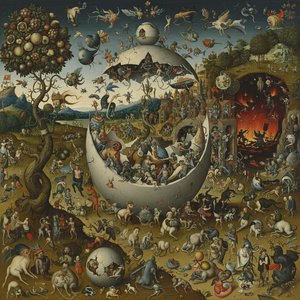
希罗尼穆斯·博斯:25幅大师级杰作,点亮艺术与家居空间
探索希罗尼穆斯·博斯25幅大师级杰作!深入了解这位荷兰文艺复兴画家的怪诞世界、宗教寓言与象征主义。高清艺术复制品,为您的家居空间带来永恒的艺术灵感。尽在OriginalUniqueArt.com。